
Last updated September 23, 2026
Free visual inspection and a written scope of work before any mitigation begins - photos, moisture readings, and drying logs go in your claim file
The scope we write is the scope we bill. Anything new gets shown to you, in writing, before we touch it.
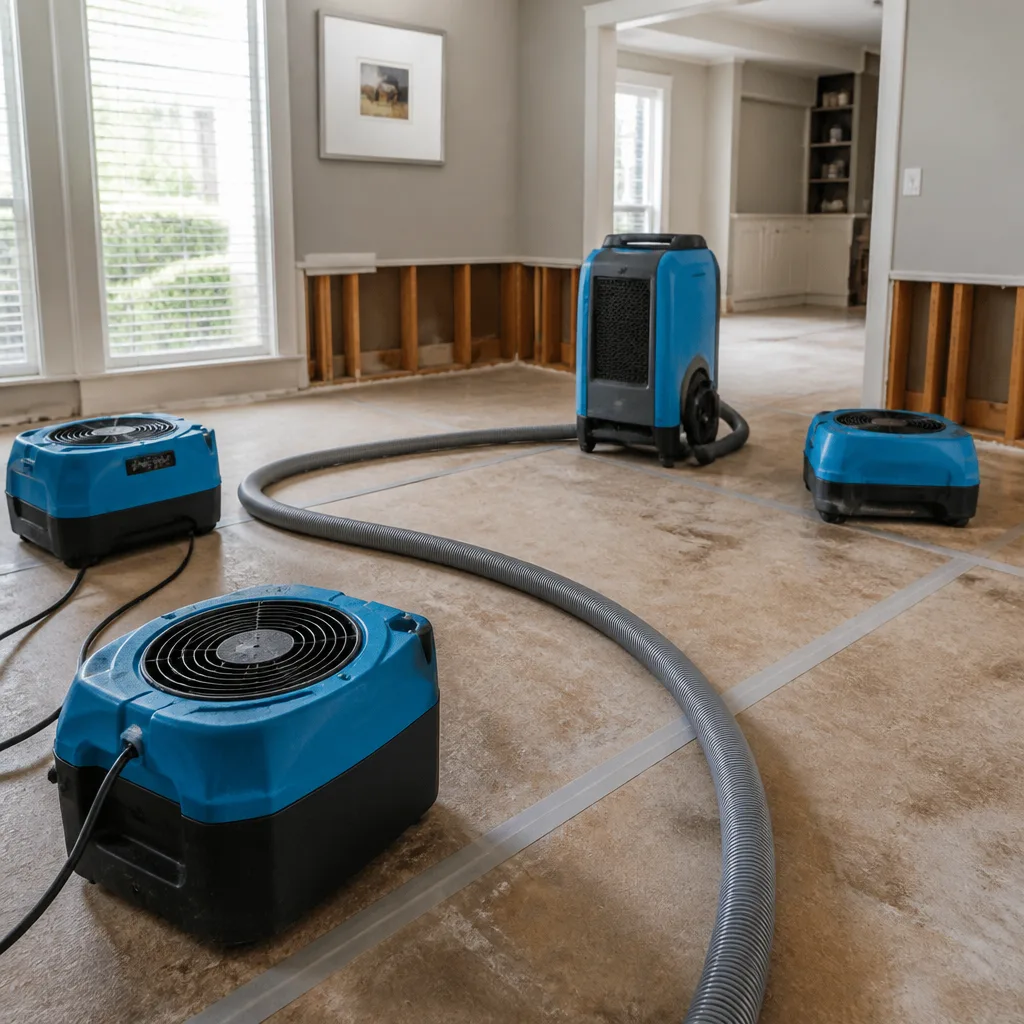
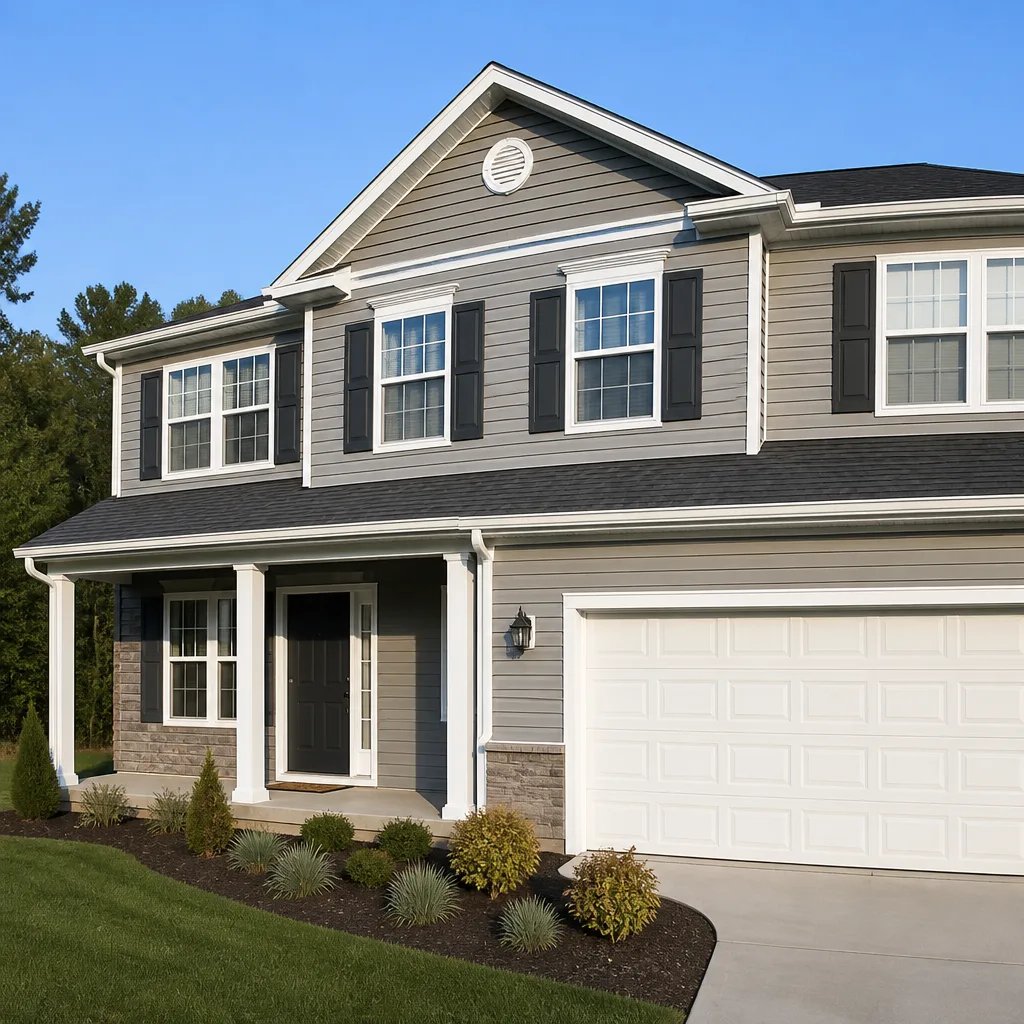
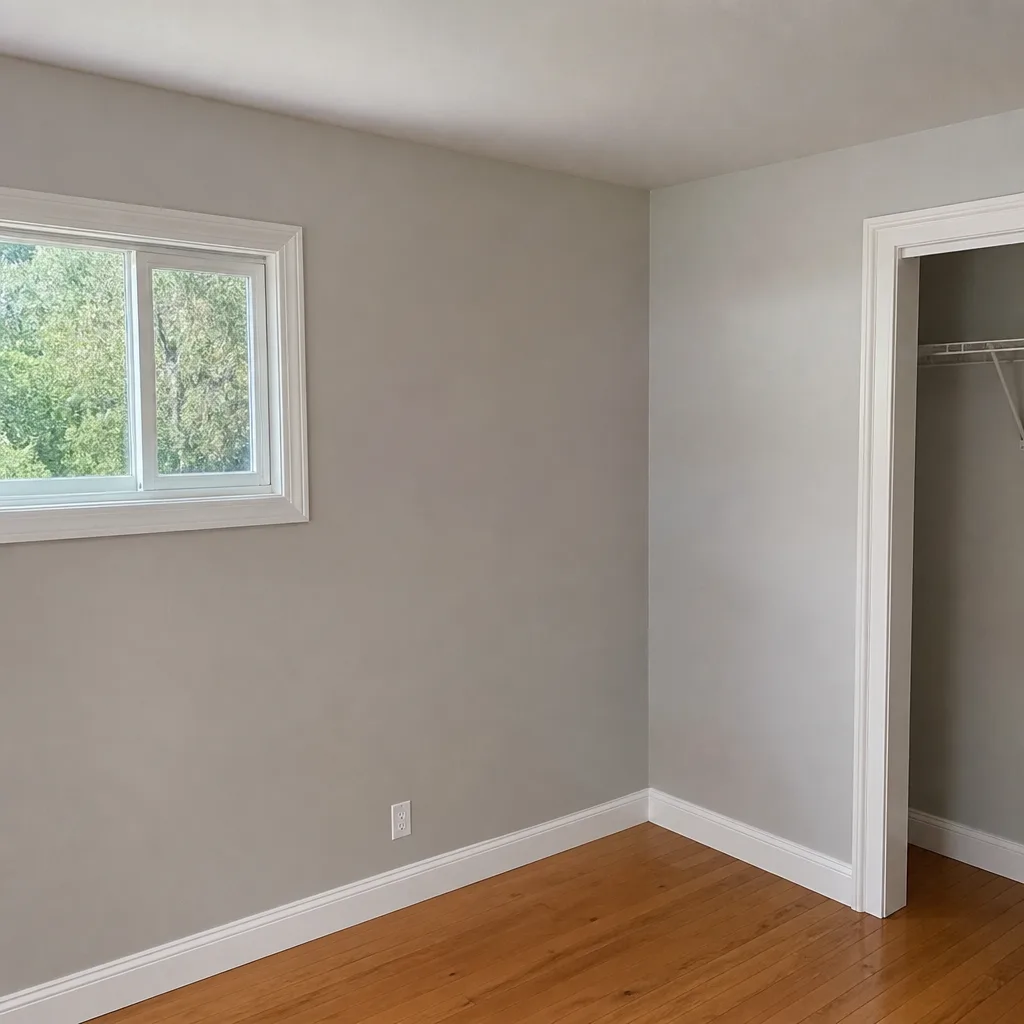

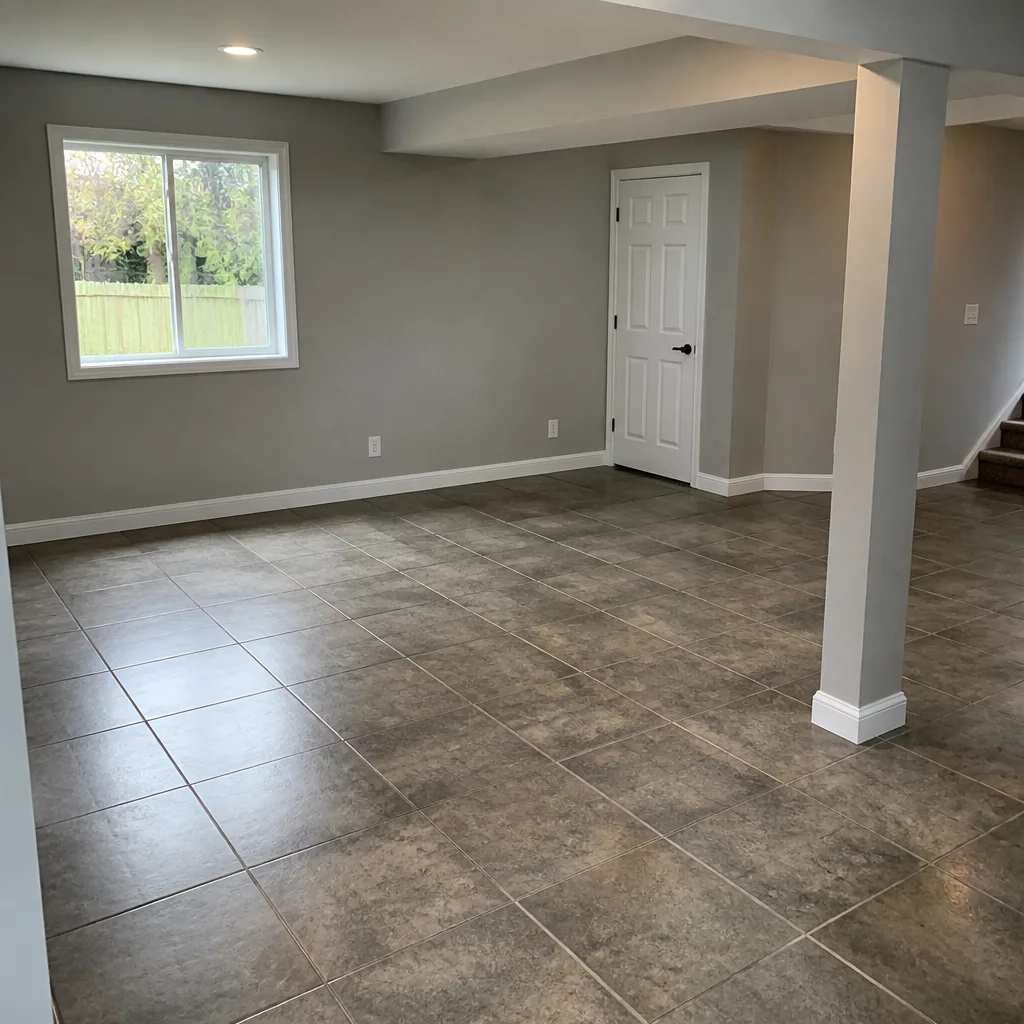
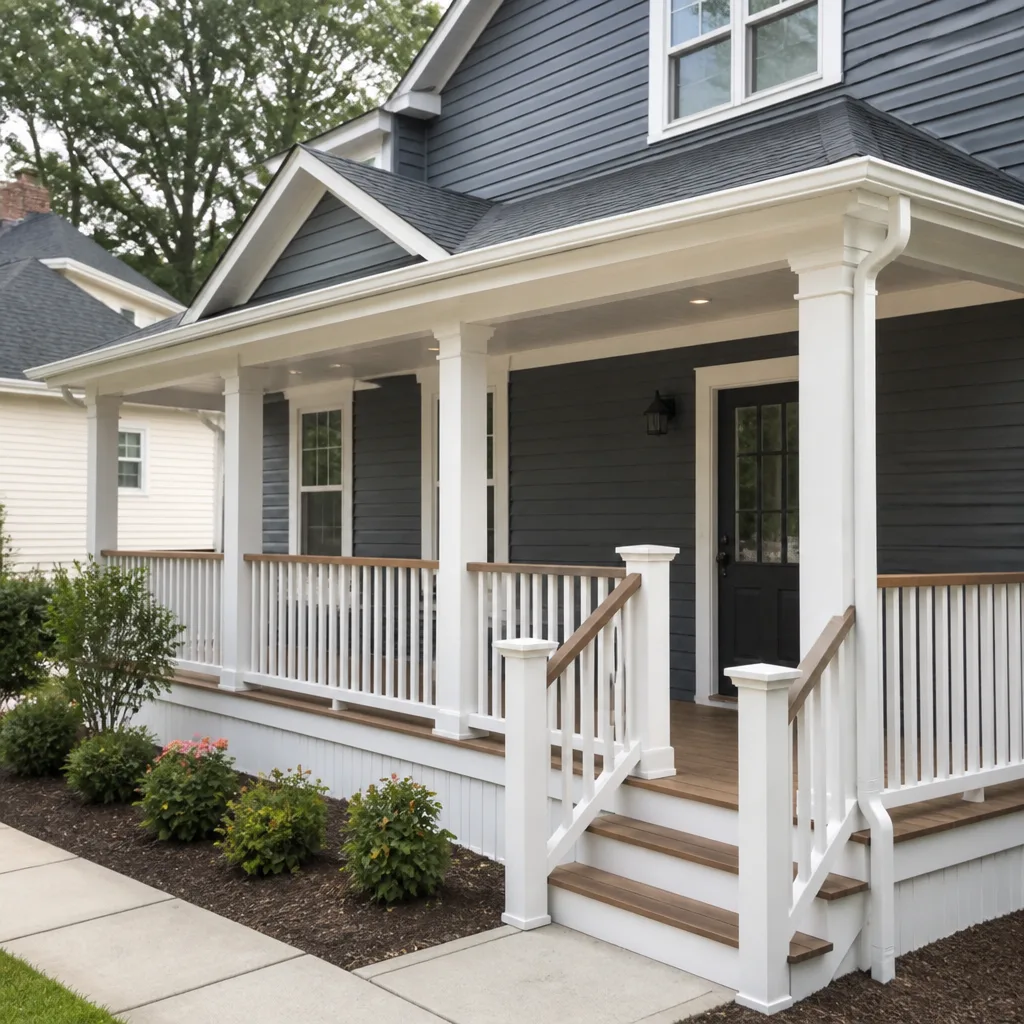
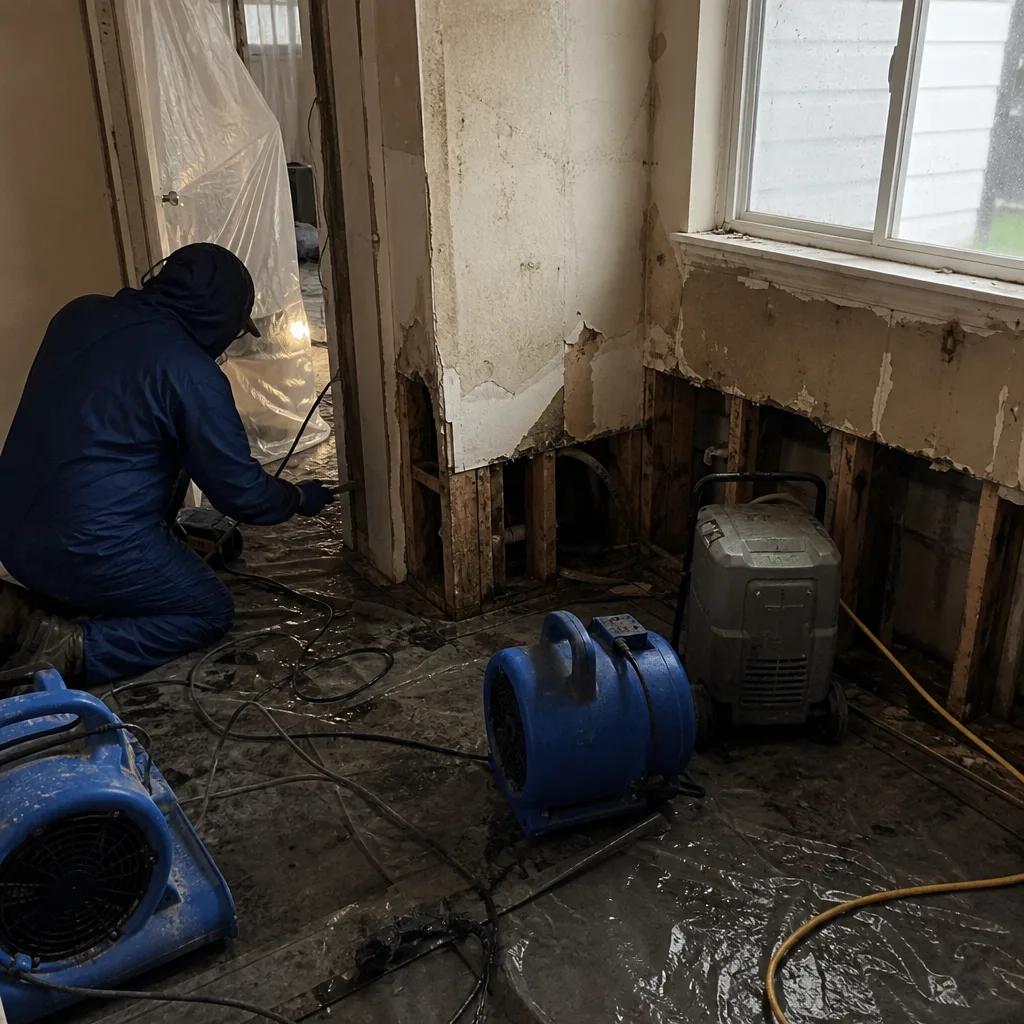 Before
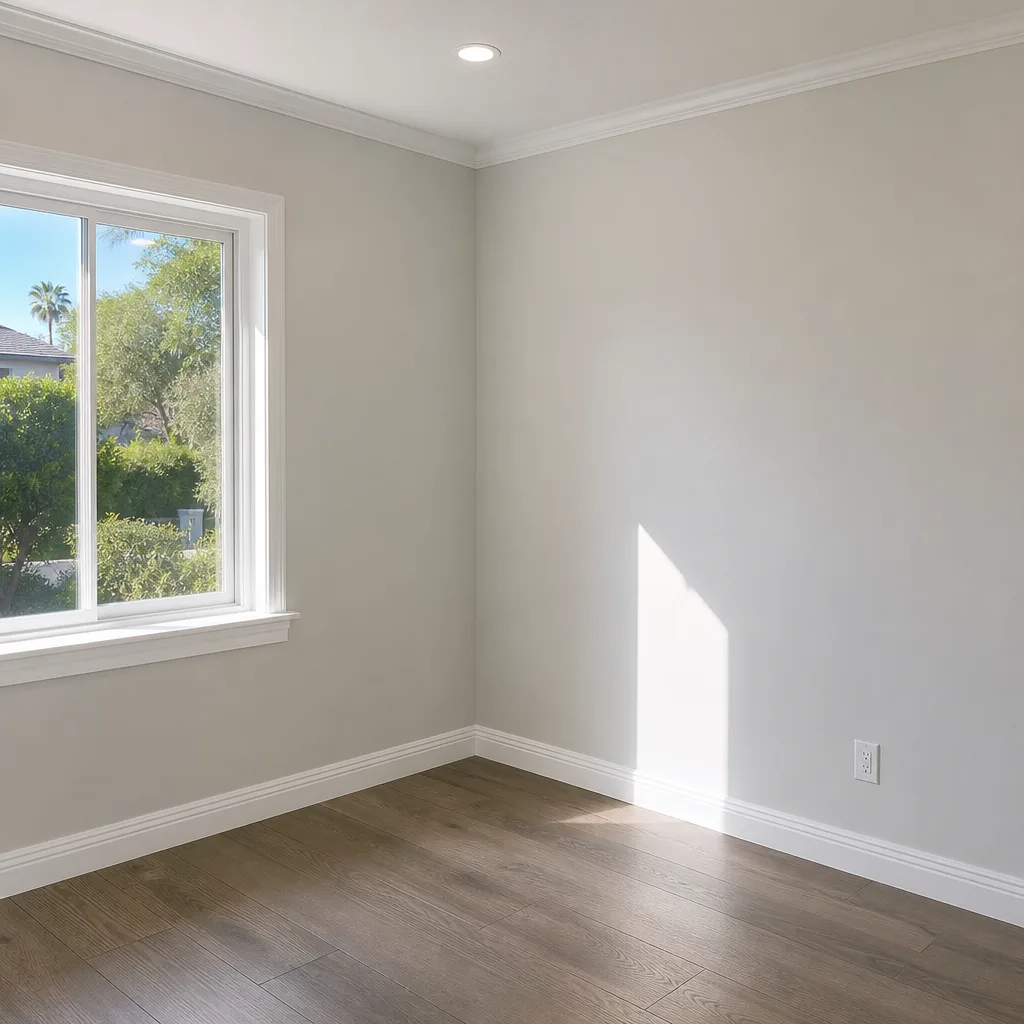 After
After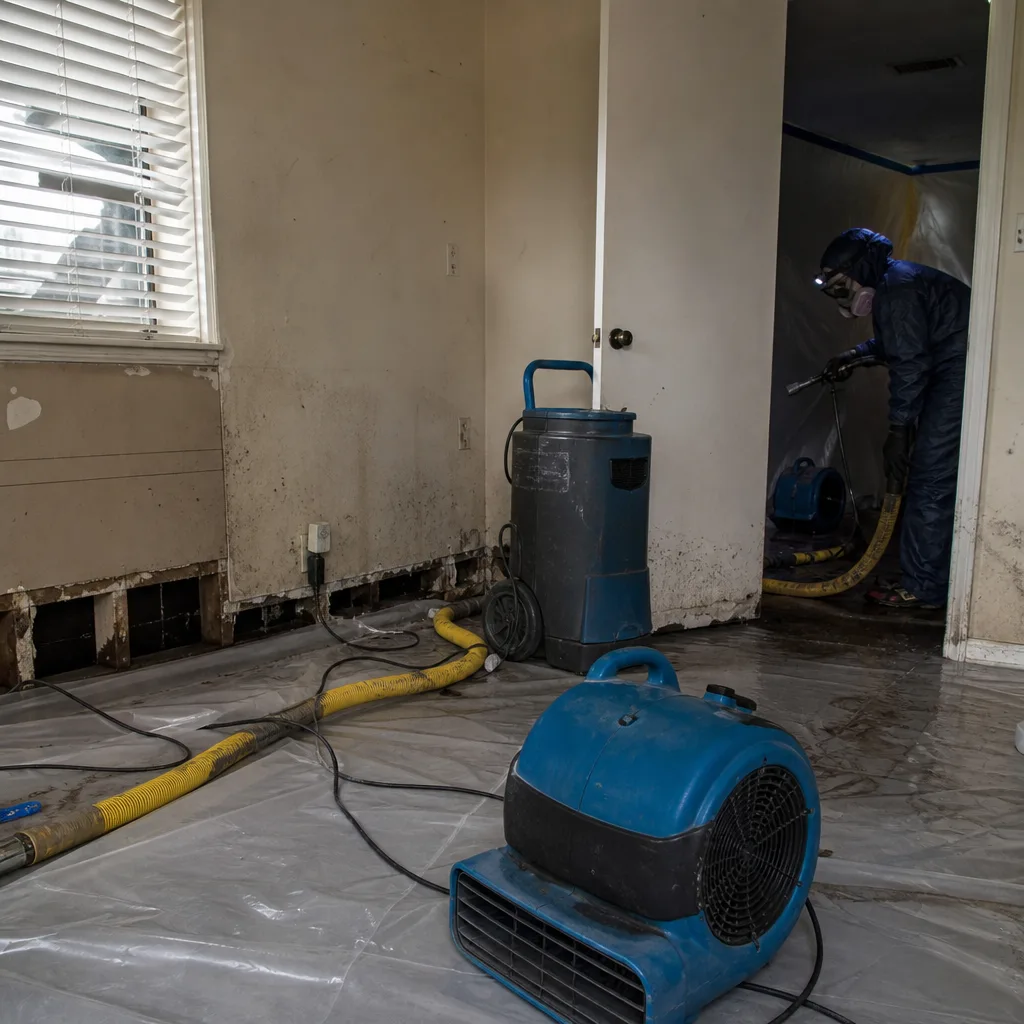 Before
 After
After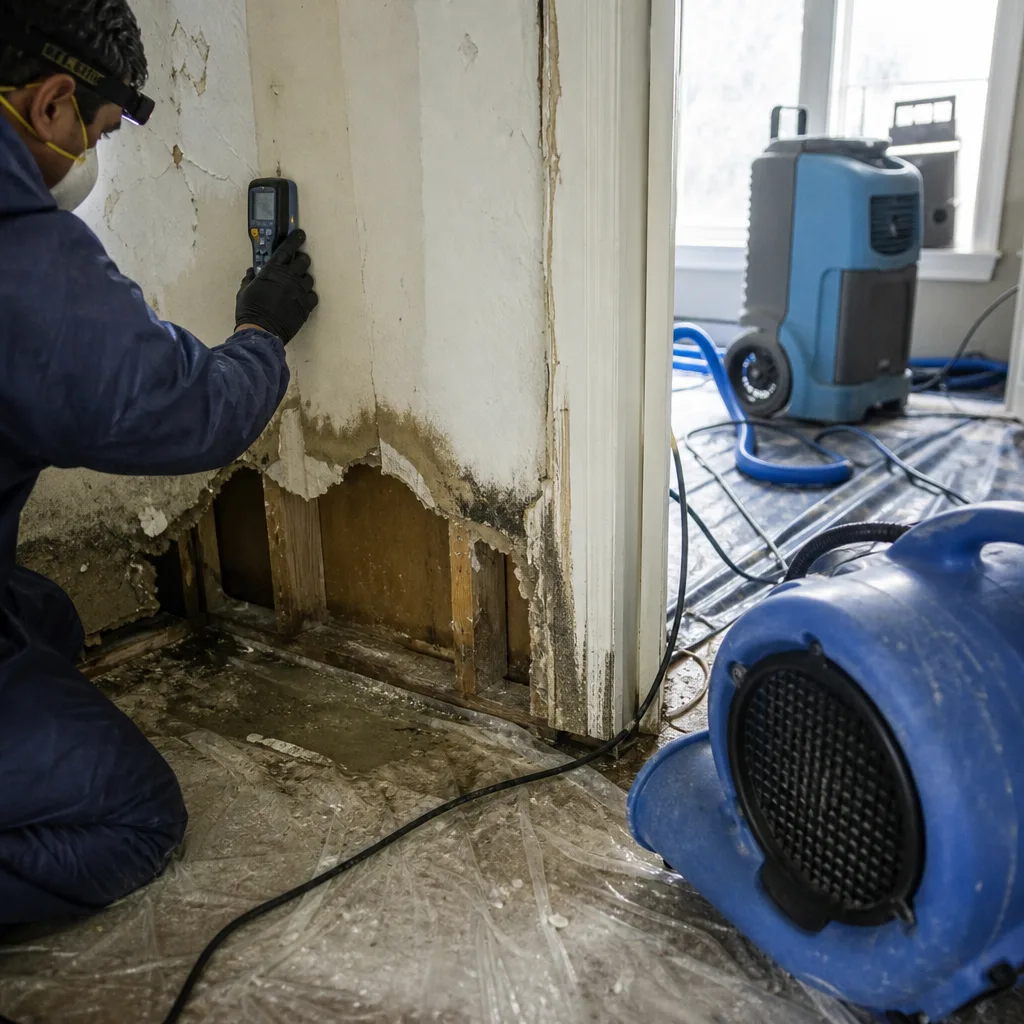 Before
 After
AfterWater Damage Restoration Maintenance Checklist for Los Angeles Homeowners
A pin-type moisture meter reading above 16% in a stucco wall cavity almost always indicates an active intrusion path. Most Los Angeles homeowners have never heard that number, let alone taken the reading. After 12,000+ homes restored since 2011, we’ve learned that the costliest water damage in Los Angeles doesn’t start with a burst pipe or a visible flood. When damage does occur, professional Water Damage Restoration services can address it before secondary damage spreads. It starts with slow moisture migration through construction assemblies that were never designed for the region’s specific combination of clay soils, Santa Ana wind cycles, and irrigation-saturated foundations. This guide gives you the same inspection criteria our technicians use before writing a scope: measurable thresholds, Los Angeles-specific vulnerabilities, and documentation methods that protect your claim if damage ever occurs.
Quick Answer
Los Angeles homeowners should inspect their properties quarterly using a $30 pin-type moisture meter, logging baseline readings in five high-risk locations: stucco wall cavities near grade, HVAC condensate lines, clay-tile roof mortar beds, irrigation-adjacent foundations, and interior walls behind washing machine boxes. Readings above 16% in organic materials or 0.5% above your documented baseline in any location warrant professional assessment. Seasonal timing matters: complete exterior checks in October before rain season, HVAC-focused checks in August during peak condensate load, and comprehensive moisture surveys in April after winter rains have stressed the building envelope.
Table of Contents
- Why Los Angeles Homes Fail Differently: Construction Types and Micro-Climates
- The Five Interior Locations Where Slow Leaks Go Undetected Longest
- Room-by-Room Moisture Baselines: How to Log Your Own Readings
- Los Angeles-Specific Exterior Checklist: Stucco, Tile, and Irrigation
- Seasonal Timing: October, April, and August Inspections
- Documenting Pre-Loss Condition for Future Claims
- Equipment and Tools: What to Buy and What to Skip
- Common Mistakes to Avoid
- When to Call a Professional
- Frequently Asked Questions
 Before
 After
AfterWhy Los Angeles Homes Fail Differently: Construction Types and Micro-Climates
Los Angeles water damage doesn’t look like water damage in other markets. Our clay-heavy soils expand and contract with irrigation cycles, creating foundation movement that separates stucco from its weep screed. Our Santa Ana winds drive rain horizontally into tile roof mortar beds that were installed for gentle vertical drainage. And our mild temperatures mean HVAC systems run in short cycles, producing condensate that never fully evaporates from drain lines.
The construction types common across Los Angeles amplify these effects. Stucco-over-frame assemblies, dominant from the 1920s through the 1990s, rely on a 2-inch foundation clearance and unobstructed weep screed at grade to drain incidental moisture. When irrigation beds or hardscape abut the wall directly, that drainage path fails. We’ve documented this pattern repeatedly in neighborhoods from Los Feliz to Mar Vista: moisture readings climbing from a 12% baseline to 19% over 18 months, with no visible interior damage until mold appears on the drywall face.
Clay-tile roofs present a parallel failure mode. The mortar beds between tiles crack in Santa Ana wind events, then admit water during the first winter rain. Because the underlayment often survives the initial intrusion, homeowners see no interior staining for months. The moisture instead migrates along rafters and settles in insulation, where it produces a slow-rise humidity spike that our psychrometric data loggers catch only when we’re called for a musty odor complaint.
Micro-climate matters too. Properties in the Hollywood Hills or Pacific Palisades experience more wind-driven rain exposure than flatland neighborhoods. Coastal zones from Venice to San Pedro see higher ambient humidity that slows natural drying. And inland valleys from Studio City to Encino get wider temperature swings that stress expansion joints and sealants more severely.
Your maintenance checklist must account for these specific assemblies and exposures. Generic advice to “check for leaks” misses the point. The question is whether your building envelope is managing the moisture load that Los Angeles actually produces.
The Five Interior Locations Where Slow Leaks Go Undetected Longest
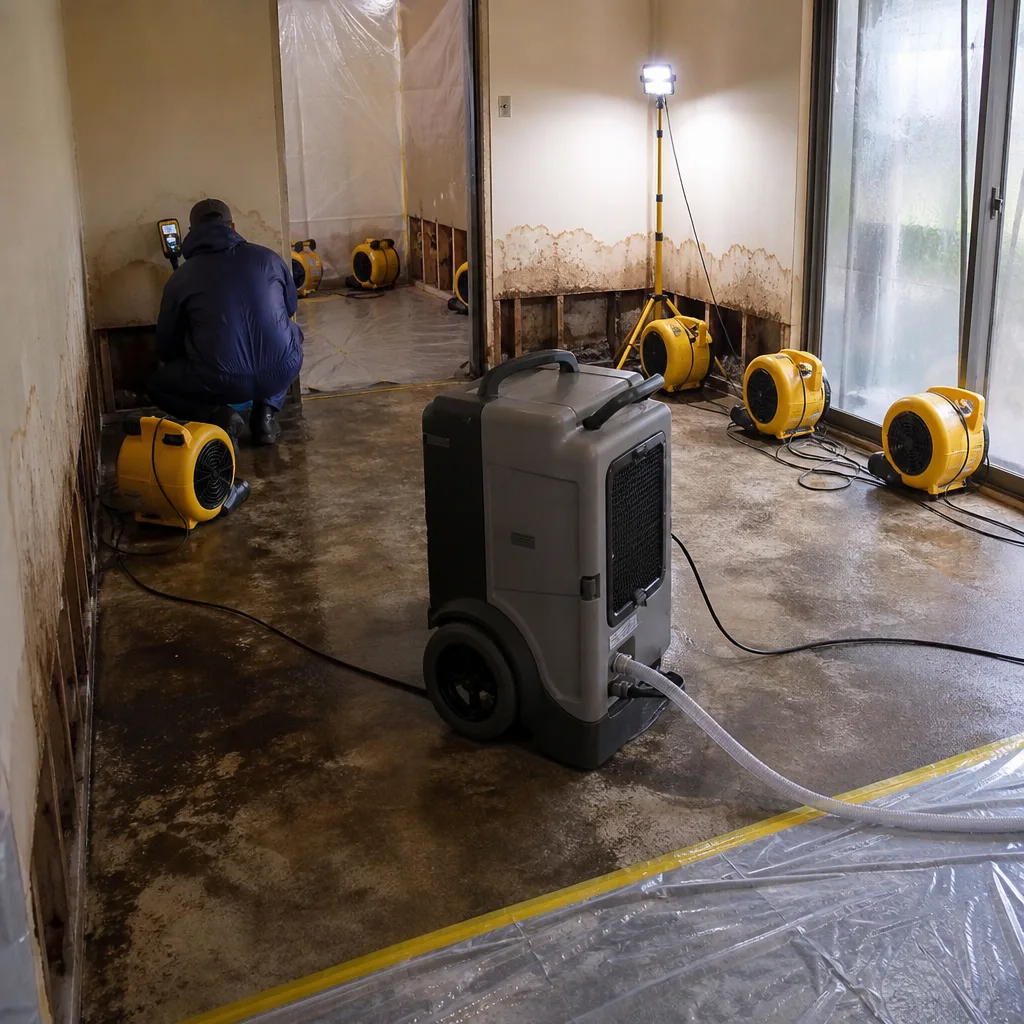
These five locations account for the majority of “mystery moisture” calls we receive in Los Angeles. Each has a measurable indicator that confirms active water intrusion before visible damage appears.
- Behind washing machine boxes in laundry closets. The recessed valve box with its snap-in cover traps humidity from minor seepage at supply line connections. Baseline moisture reading in the surrounding drywall: 8-10%. Active leak indicator: 14% or higher, or any reading above 0.5% of your logged baseline. Check quarterly by removing the cover and probing the drywall corners with a pin meter.
- Under kitchen sink cabinets at the dishwasher tailpiece. The rubber connection between dishwasher drain hose and garbage disposal tailpiece loosens with vibration. Water runs along the hose and pools in the cabinet base, absorbed by the particleboard subfloor. Baseline: 10-12% in cabinet floor. Active indicator: 16% or visible swelling at the sink base panel corners. Run the dishwasher through a full cycle, then probe the cabinet floor immediately after.
- Behind refrigerator water line boxes. The 1/4-inch copper or PEX line to the icemaker develops pinhole leaks at the compression fitting. Because refrigerators rarely move, water accumulates in the wall cavity for months. Baseline: 8-11% in adjacent drywall. Active indicator: 15% or any musty odor when you pull the refrigerator for cleaning. Log this reading every six months.
- At the base of interior walls beneath second-story bathrooms. Shower pan membrane failures in Los Angeles homes built 1960-1990 are epidemic. Water tracks along the subfloor and exits at the first-floor ceiling or wall base. Baseline: 9-12% in first-floor drywall below the bathroom wet wall. Active indicator: 17% or efflorescence on baseboard edges. This is the reading that most often precedes a major mold remediation.
- Inside HVAC return plenums in attic or crawl spaces. Condensate pan overflow or disconnected flex duct in unconditioned space introduces moisture directly into the air stream. Baseline: 10-13% in surrounding framing. Active indicator: 15% or visible bio-growth on the plenum interior surface. Check during your August peak-load inspection.
The pattern across all five: moisture moves slowly, stays hidden by fixed appliances or built-in cabinetry, and produces readings well above baseline before any surface discoloration appears. A $30 pin meter and a simple log prevent the five-figure remediation that follows discovery by smell.
Room-by-Room Moisture Baselines: How to Log Your Own Readings
Professional restoration begins with documented baseline readings. You can replicate this practice with consumer-grade equipment, and the record you build becomes evidence in any future insurance claim.
What to buy: A pin-type moisture meter with wood-scale and reference-scale settings. We see reliable performance from meters in the $25-$40 range. The pin type is essential for penetrating stucco, drywall, and wood framing to measure subsurface moisture, not just surface humidity. Avoid pinless meters for this application; they read too shallow and are fooled by surface coatings.
Logging protocol: Create a simple spreadsheet with columns for date, location, material type, reading, and notes. Take readings at the same points every quarter. Mark locations with small pencil dots in inconspicuous spots so you return to identical positions.
Room-by-room baseline targets for Los Angeles:
- Living areas, interior drywall: 8-12% in normal conditions. Above 14% indicates elevated humidity or active intrusion.
- Kitchen and bath, interior drywall: 10-14% baseline due to normal use spikes. Above 16% sustained warrants investigation.
- Stucco wall cavities, near grade: 10-14% in well-drained assemblies. Above 16% almost always indicates weep screed failure or irrigation contact.
- Subfloor in crawl spaces: 12-16% depending on ventilation. Above 18% supports fungal growth.
- Attic framing: 10-13% with adequate ventilation. Above 15% indicates roof leak or condensate issue.
- Window sills and jambs: 10-14% baseline. Above 16% indicates seal failure or flashing compromise.
Threshold for professional call: Any reading 0.5% above your documented baseline, or any reading exceeding the material-specific ceiling above, whichever is lower. Don’t wait for visible damage. By the time drywall shows staining, the cavity behind it has typically been wet for 30-60 days.
Store your log digitally with dated photos of each reading location. If you ever file a water damage claim, this documentation establishes pre-loss condition and can distinguish sudden from long-term damage, a distinction that determines coverage under most Los Angeles-area homeowner policies. For typical pricing scenarios, refer to our Damage Restoration Cost Breakdown: The Los Angeles Homeowner’s Reference for 2026.
Los Angeles-Specific Exterior Checklist: Stucco, Tile, and Irrigation
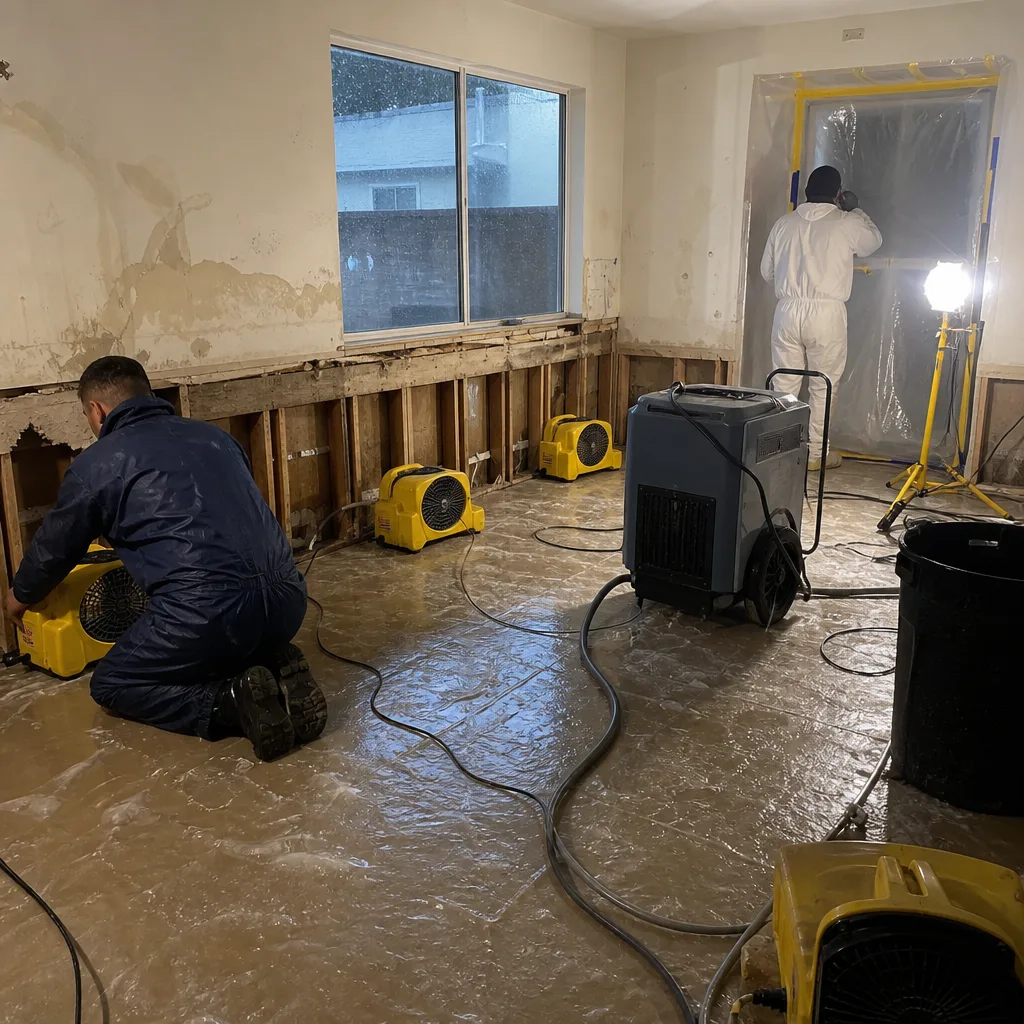
Los Angeles homes face exterior moisture risks that don’t appear in national checklists. These three assembly-specific inspections belong in your annual routine.
Stucco weep screed and foundation clearance. The weep screed is the metal or plastic strip at the base of stucco walls that allows drainage from the cavity. It requires minimum 2-inch clearance from finished grade, 4 inches from hardscape. In our Los Angeles work, we find this clearance violated more often than maintained. Soil builds up from landscaping. Planter beds are installed against walls. Irrigation spray patterns saturate the base course. Check annually in October: probe the soil at the wall base to confirm you can see the weep screed’s drainage slots. If they’re buried, excavate to expose them and regrade to maintain clearance. If irrigation spray hits the wall within 18 inches, redirect the head or replace with drip.
Clay-tile roof mortar beds. The mortar between clay tiles cracks under thermal cycling and Santa Ana wind stress. Inspect from the ground with binoculars, or hire a roof access if your roof is walkable. Look for missing mortar segments, shifted tiles, or exposed underlayment. Check after every significant Santa Ana event, typically October through January. The repair is re-mortaring or foam injection, not tile replacement, if caught early. Delayed repair leads to underlayment saturation and rafter moisture that we document with Injectidry cavity drying systems on mitigation calls.
Irrigation timer schedules against foundation clearance. Los Angeles Municipal Code requires efficient irrigation, but the enforcement target is water waste, not building protection. Your checklist should add the building-protection layer. Program timers to complete cycles before dawn, allowing evaporation before peak temperature. Confirm that no zone runs within 18 inches of the foundation. Check for broken heads that produce geysers against stucco. In hillside areas from the Hollywood Hills to Silver Lake, confirm that drainage from irrigation doesn’t track toward the foundation. We’ve traced moisture intrusion to a single broken rotor head that ran for three weeks while homeowners were traveling.
These three items, specific to Los Angeles construction and climate, prevent more water damage than all interior leak detection combined. The stucco-and-tile assemblies that define regional architecture are also the assemblies most vulnerable to moisture mismanagement.
Seasonal Timing: October, April, and August Inspections
Water damage prevention in Los Angeles follows a seasonal rhythm driven by rain patterns, wind events, and HVAC load. Split your checklist across three focused inspections rather than attempting one comprehensive review.
October: Pre-rain exterior envelope check. Complete before the first forecasted storm, typically by mid-October. Focus: roof mortar and flashing, gutter and downspout function, stucco weep screed clearance, window and door seal condition, and drainage patterns around the foundation. This is your last opportunity to address exterior vulnerabilities before winter rain tests them. Document with dated photos of each assembly. If you hire assistance for roof access, request a written condition report with photos, not a verbal summary.
April: Post-rain moisture survey. After the last significant rain, typically by mid-April, conduct your comprehensive interior moisture survey using the pin meter protocol above. Focus on the five undetected locations, plus any exterior assemblies that showed stress during winter. April readings capture moisture that entered in January and February but hasn’t yet produced visible damage. This timing also precedes the mold season; fungal colonization accelerates above 60°F sustained, which Los Angeles reaches reliably by May.
August: Peak HVAC condensate inspection. During the highest cooling load of the year, inspect condensate drain lines, pan overflow switches, and ductwork in unconditioned spaces. Check the August utility bill against prior years; an unexplained spike often indicates condensate drainage failure causing the system to work harder. Inspect attic flex duct for disconnection or sagging that traps humidity. This is also the optimal time to verify that your insulation hasn’t compressed or shifted, exposing ductwork to attic temperature extremes that produce condensation.
Between these three seasonal inspections, maintain quarterly pin meter readings at your five baseline locations. The combination of seasonal deep checks and quarterly spot checks catches both pattern failures and sudden events.
Documenting Pre-Loss Condition for Future Claims
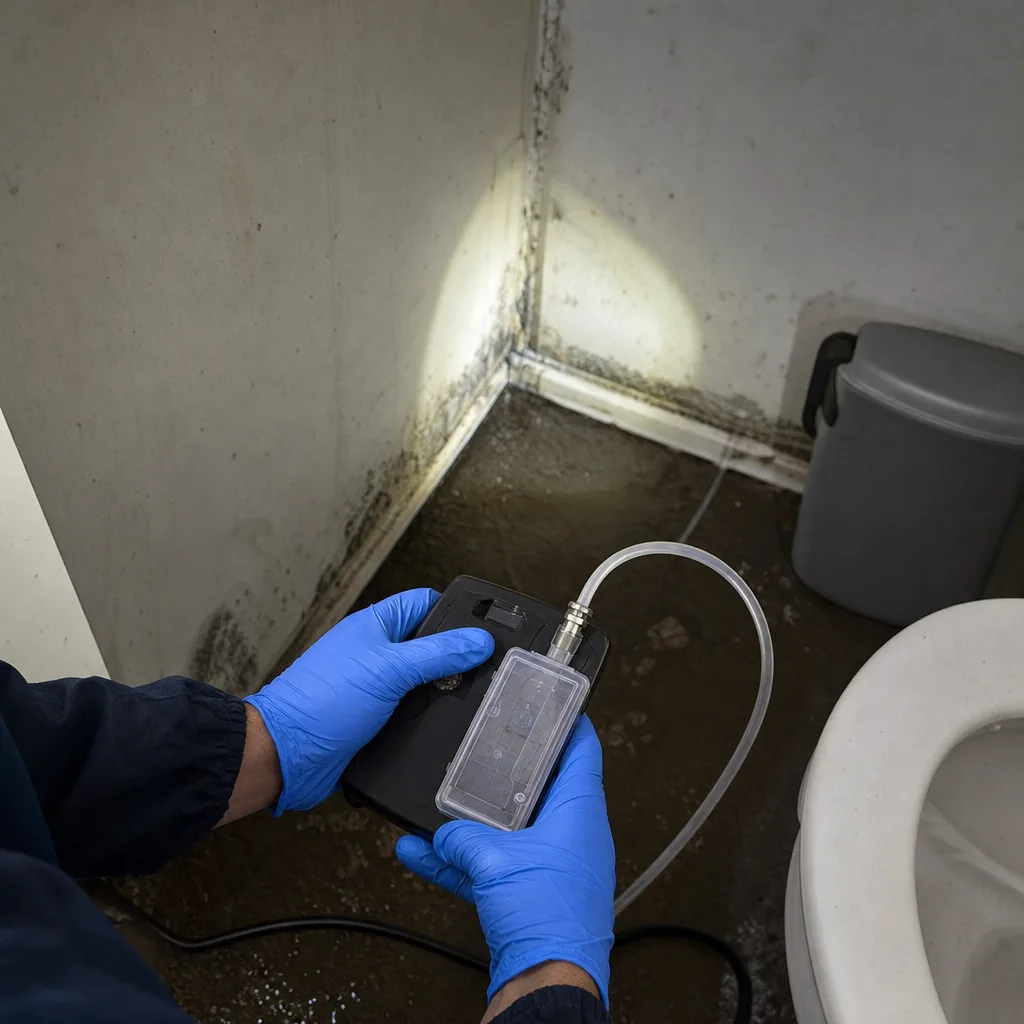
Insurance claims for water damage fail most often on the question of when damage began. Sudden and accidental coverage applies to burst pipes and storm intrusion. Long-term leakage and maintenance-related damage typically are excluded. Your documentation determines which category applies.
We built DryMark Restoration Los Angeles home around this documentation gap. Our founder, a former claims adjuster, saw homeowners lose legitimate coverage because they couldn’t prove the date of loss or the pre-loss condition of affected materials. The maintenance checklist in this guide is also a claim-protection protocol.
Photo documentation standards: For each seasonal inspection, capture dated photos of: the exterior from four corners showing grade and roof condition; each moisture meter reading with the display visible and the location identifiable; any condition that approaches your threshold for professional attention, even if you don’t act on it; and all appliances, plumbing fixtures, and HVAC components that would be involved in a water loss. Store these in cloud storage with date-stamped filenames, not just on a local device.
Written condition notes: Accompany photos with brief notes: “October 15, 2024: clay tile mortar intact, one segment missing at north ridge, scheduled repair November 1.” This creates a contemporaneous record that adjusters accept as credible evidence. Notes made after damage occurs, by contrast, are viewed with skepticism.
Professional inspection reports: If you hire roofers, plumbers, or HVAC technicians for any maintenance item, request written reports with findings and recommendations. These become part of your documented maintenance history. A roof inspection report noting “mortar bed deterioration, recommend repair within 12 months” protects your claim if water enters before you complete the repair. Without that report, the insurer may classify the damage as long-term maintenance neglect.
Baseline moisture log as evidence: Your quarterly pin meter readings, if consistently logged, provide objective proof of when moisture levels changed. A reading of 11% in April 2024 and 17% in July 2024, with no intervening readings, supports a sudden event in that window. No readings at all leaves the timeline open to dispute.
This documentation practice aligns with the Water Damage Restoration in Los Angeles standards we apply on every job: photo record on every visit, written scope before work begins, daily moisture logs until drying goals are met. We’ve extended that standard to our own operations because it works for claims. Applied proactively by homeowners, it works for prevention too.
Equipment and Tools: What to Buy and What to Skip
Consumer-grade tools can replicate most of the detection capability we deploy professionally, with two important limitations.
Buy: Pin-type moisture meter. As detailed above, this is your primary detection tool. Expect $25-$40. Brands we see perform reliably include General Tools, Calculated Industries, and Wagner (pin models only). Verify that your chosen meter has both wood-scale and reference-scale settings; stucco and drywall readings use reference scale.
Buy: Infrared thermometer. A $20 non-contact thermometer helps identify temperature anomalies that suggest moisture evaporation cooling. Scan walls and ceilings after rain events; areas 2-3°F cooler than surrounding surfaces may indicate evaporative cooling from hidden moisture. This is a screening tool, not confirmation; follow up with pin meter readings at cool spots.
Buy: Flashlight with high CRI (color rendering index). Moisture staining and early mold growth are color-dependent detections. A flashlight with CRI above 90 shows true colors, preventing false negatives from cheap LED tint. Essential for attic and crawl space inspections.
Skip: Consumer thermal cameras. The $200-$400 thermal cameras marketed to homeowners lack the resolution and thermal sensitivity to reliably detect moisture behind building assemblies. They produce false positives from insulation gaps, air leakage, and thermal bridging that waste your time. Professional-grade FLIR cameras with appropriate training are different; consumer versions are not worth the investment.
Skip: Mold test kits. Air sampling and tape-lift kits without professional interpretation are meaningless. Mold spore counts vary wildly with air movement, season, and sampling technique. A positive result tells you nothing about location, source, or necessary response. A negative result doesn’t rule out hidden growth. If you suspect mold based on odor, visible growth, or moisture readings, call for professional assessment rather than self-testing.
Consider: Data logger for high-risk properties. For homes with prior water damage, finished basements, or hillside construction, a $50 temperature-and-humidity data logger placed in the highest-risk location provides continuous monitoring. Set alerts for relative humidity above 60% sustained for 24 hours. This catches HVAC failures, plumbing leaks, and envelope breaches that occur between manual inspections.
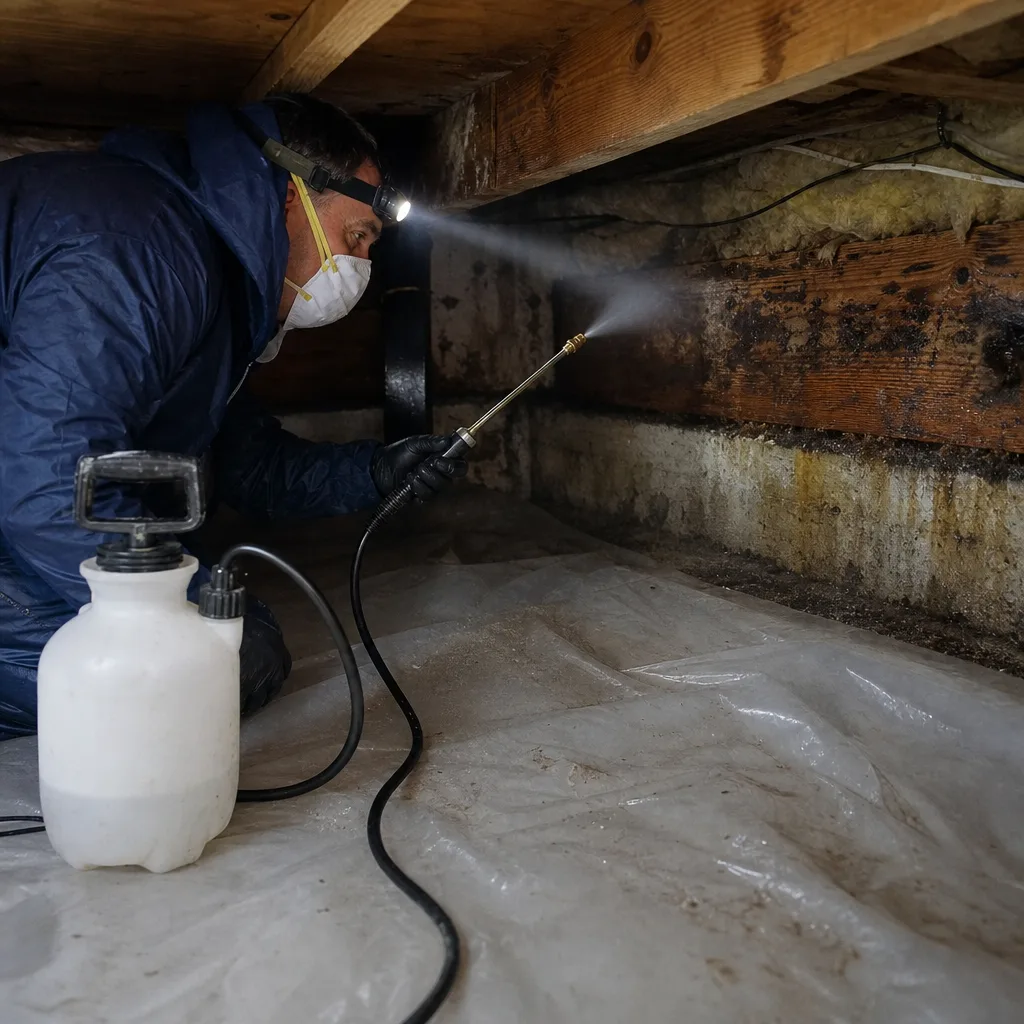
Professional restoration equipment, including Phoenix and XPOWER air movers, B-Air dehumidifiers, and Injectidry cavity drying systems, is not a homeowner purchase. These systems require training in psychrometric calculation, vapor pressure differential management, and containment protocol. Your role is detection and documentation; our role, when needed, is the controlled drying that prevents secondary damage.
Common Mistakes to Avoid
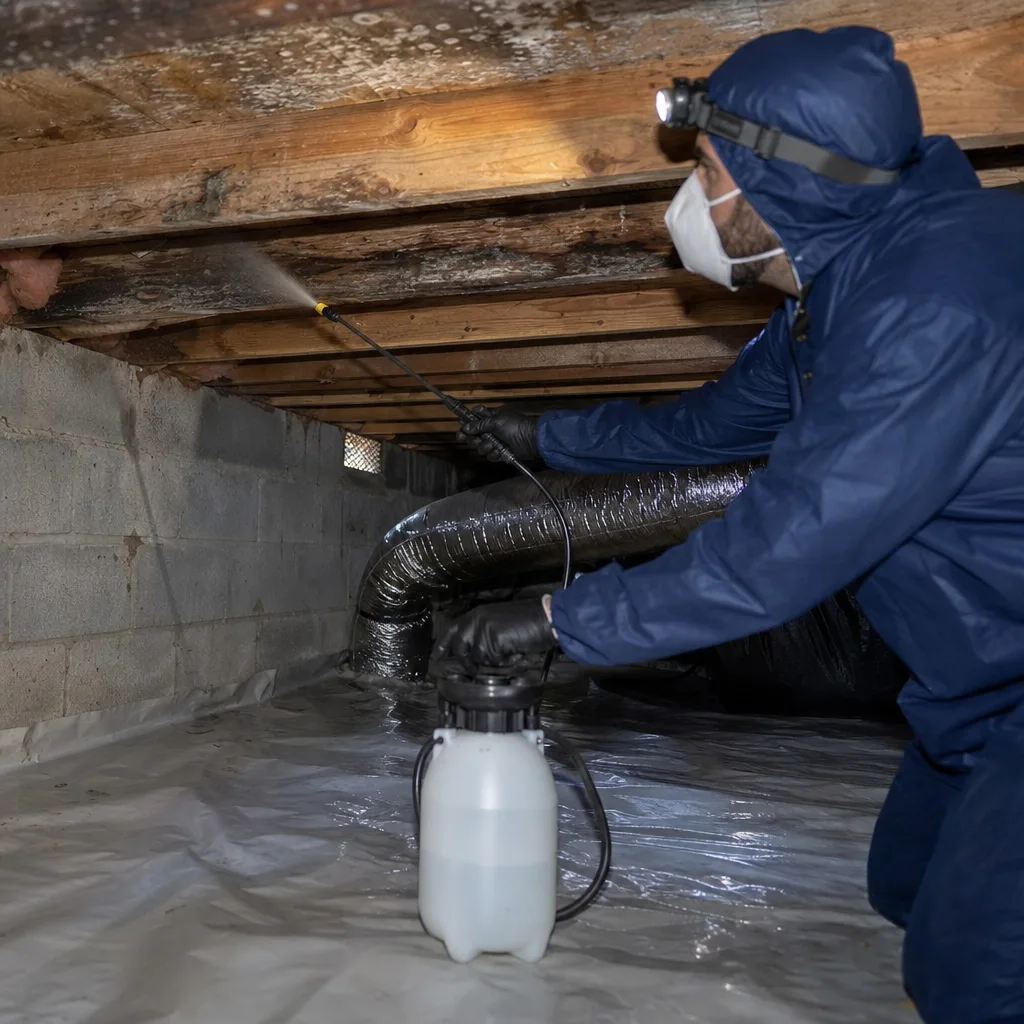
- Waiting for visible stains before acting. By the time drywall shows discoloration, cavity moisture has typically exceeded 20% for weeks. The remediation cost at that stage is 3-5x the mitigation cost at 16% detection. Los Angeles stucco assemblies in particular hide moisture until the damage is extensive.
- Using a pinless meter for stucco or tile. Pinless meters read surface conditions only. They miss the cavity moisture that defines Los Angeles water damage. We’ve had homeowners report “all clear” readings while their wall cavities held 22% moisture that our pin probes confirmed.
- Neglecting irrigation as a water source. Sprinkler systems deliver more water to Los Angeles foundations than rain does. Timer malfunctions, head misalignment, and broken lines are routine causes of moisture intrusion that homeowners attribute to “plumbing” or “weather.” Check irrigation quarterly, not annually.
- Failing to regrade after landscaping changes. New planter beds, patio installations, or sod replacement often raise grade above weep screed level. The change is gradual and unnoticed until moisture readings spike. Regrade to maintain 2-inch minimum clearance after any ground-level alteration.
- Ignoring Santa Ana wind damage to roofs. Homeowners inspect after rain, not after wind. But Santa Ana events crack mortar beds and dislodge flashing that rain then exploits. Check roof condition within 48 hours of significant wind events, even in dry conditions.
- Documenting only after damage occurs. Post-loss photos and notes are viewed as self-serving by adjusters. The same documentation, created as part of routine maintenance, is accepted as credible evidence. Start your log now, not when you suspect a problem.
- Assuming new construction is exempt. Los Angeles building codes address structural and seismic requirements, not moisture management detail. We’ve restored water damage in homes less than five years old where weep screed was omitted, flashing was incomplete, or condensate drains were never connected. Age of construction is not a reliable predictor of vulnerability.
When to Call a Professional
Call for professional assessment when: any moisture reading exceeds 16% in organic materials or 0.5% above your documented baseline; you detect musty odor without visible source; your roof inspection reveals mortar loss or exposed underlayment; irrigation has saturated foundation area for more than 24 hours; or any appliance, fixture, or HVAC component shows unexplained moisture. DryMark Restoration Los Angeles offers free estimates in Los Angeles - call (424) 351-3396. Every estimate includes a written scope and price before any work begins, documented to IICRC standards with photo records, under our 365-Day Done Right Promise backed by The Haven Standard.
Frequently Asked Questions
Most certified restoration companies in Los Angeles charge $150-$350 for a comprehensive moisture survey with written findings and photo documentation. DryMark Restoration Los Angeles provides this assessment at no charge for homeowners who suspect active water damage, with a written scope and price before any work begins under Haven Standard, Clause 1. Call (424) 351-3396 to schedule.
Insurance covers sudden and accidental water damage, not damage from long-term neglect. Your maintenance documentation, including moisture logs and inspection photos, helps establish that damage was sudden. Without documentation, insurers may classify damage as maintenance-related and deny coverage. The checklist in this guide is designed to create the record that supports your claim. Explore our more guides & resources for additional homeowner protection strategies.
For active water intrusion, speed matters. DryMark Restoration Los Angeles maintains live phone coverage 24 hours a day, 7 days a week with no voicemail on emergency lines. Mitigation crews can typically be dispatched within hours for active losses, with documentation beginning on arrival. Reconstruction and non-emergency work is scoped, scheduled, and priced in writing like any remodel project.
Elevated moisture readings indicate conditions that support mold growth, but don’t confirm active colonization. If readings exceed 16% sustained, professional assessment is warranted. We evaluate visible conditions, odor, and moisture patterns before recommending testing. When testing is needed, we use third-party laboratories with chain-of-custody documentation that insurers accept. Self-administered mold kits are not a substitute for professional evaluation.
Mitigation is the emergency response: water extraction, controlled drying, and stabilization to prevent further damage. Reconstruction is the permanent repair: drywall replacement, flooring installation, painting, and finish work. Mitigation is typically covered by insurance when damage is sudden and documented; reconstruction coverage depends on your policy limits and endorsements. DryMark Restoration Los Angeles handles both phases, with separate written scopes and pricing for each under The Haven Standard.
Consumer dehumidifiers manage ambient humidity in single rooms but cannot establish the controlled drying environment that water-damaged building assemblies require. Professional drying uses calculated air movement, temperature control, and dehumidification based on psychrometric data, vapor pressure differential, and daily moisture logs. Attempting to dry structural cavities without this control can trap moisture, extend damage, and void insurance coverage for improper mitigation. For active water damage, professional assessment is the appropriate response.
The Bottom Line
Water damage in Los Angeles is preventable with specific, measurable inspection practices that most homeowners have never been taught. The $30 pin meter, the quarterly log, and the seasonal checklist items in this guide replicate the detection protocol we use before writing any restoration scope. Documentation, not diligence alone, protects your property value and your insurance coverage. Start your baseline readings this quarter, schedule your October exterior inspection now, and maintain the record that turns a potential disaster into a managed event.
Written by Alicia Brennan, Owner at DryMark Restoration Los Angeles, serving Los Angeles since 2011.