
Last updated September 23, 2026
Free visual inspection and a written scope of work before any mitigation begins - photos, moisture readings, and drying logs go in your claim file
The scope we write is the scope we bill. Anything new gets shown to you, in writing, before we touch it.
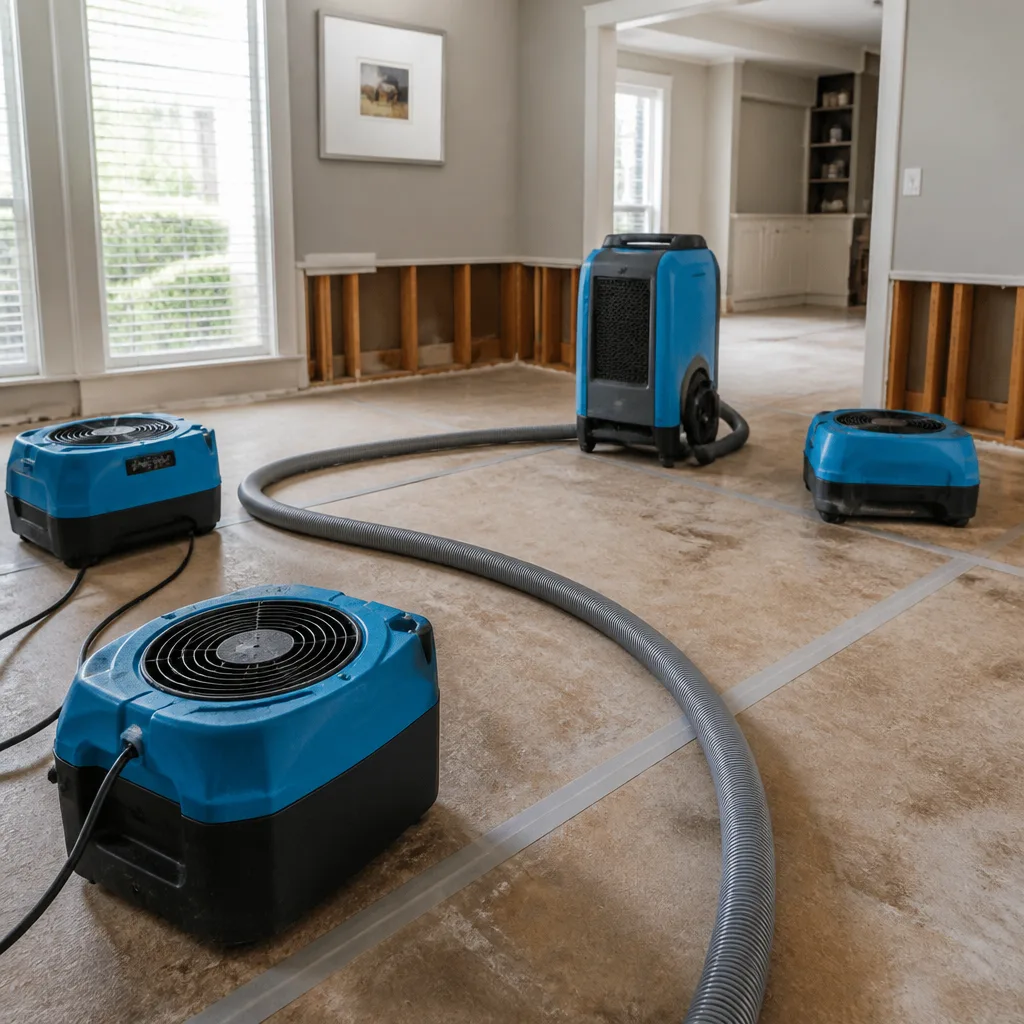
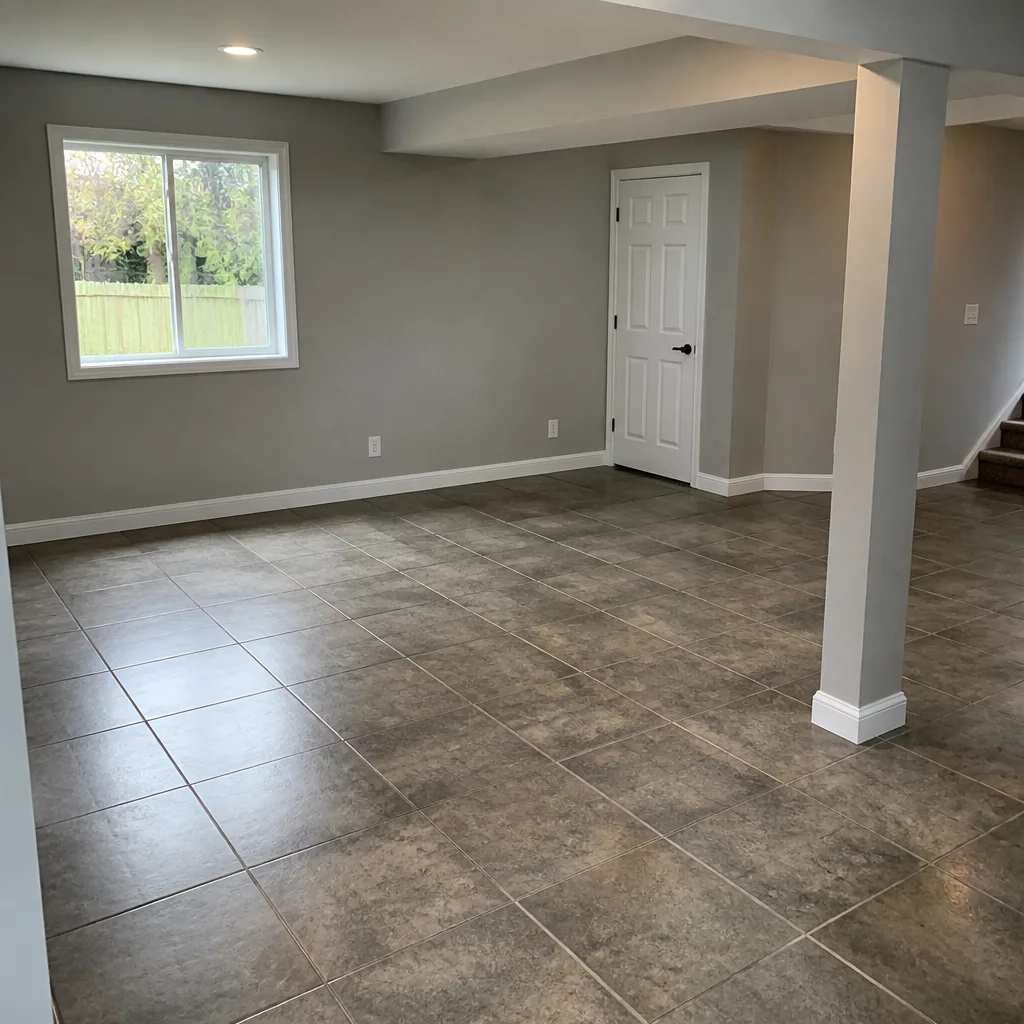
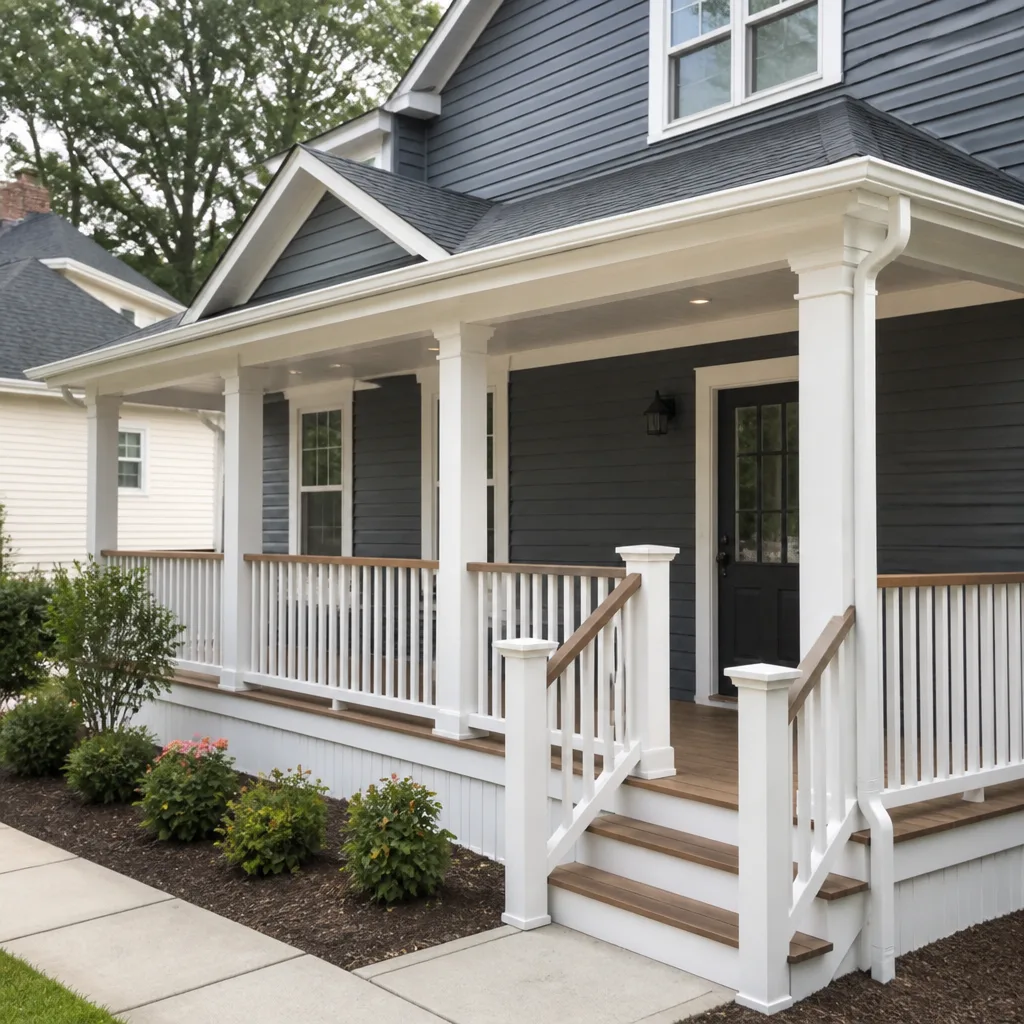
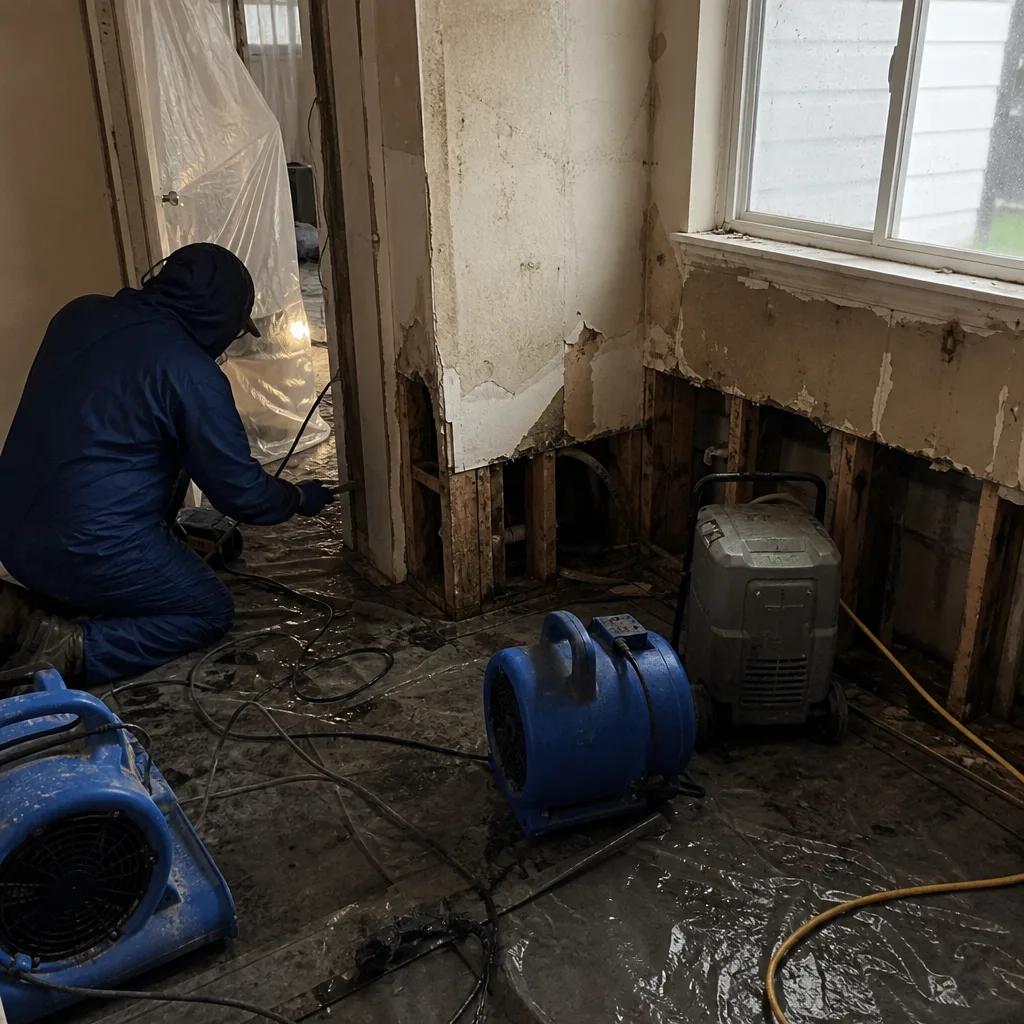 Before
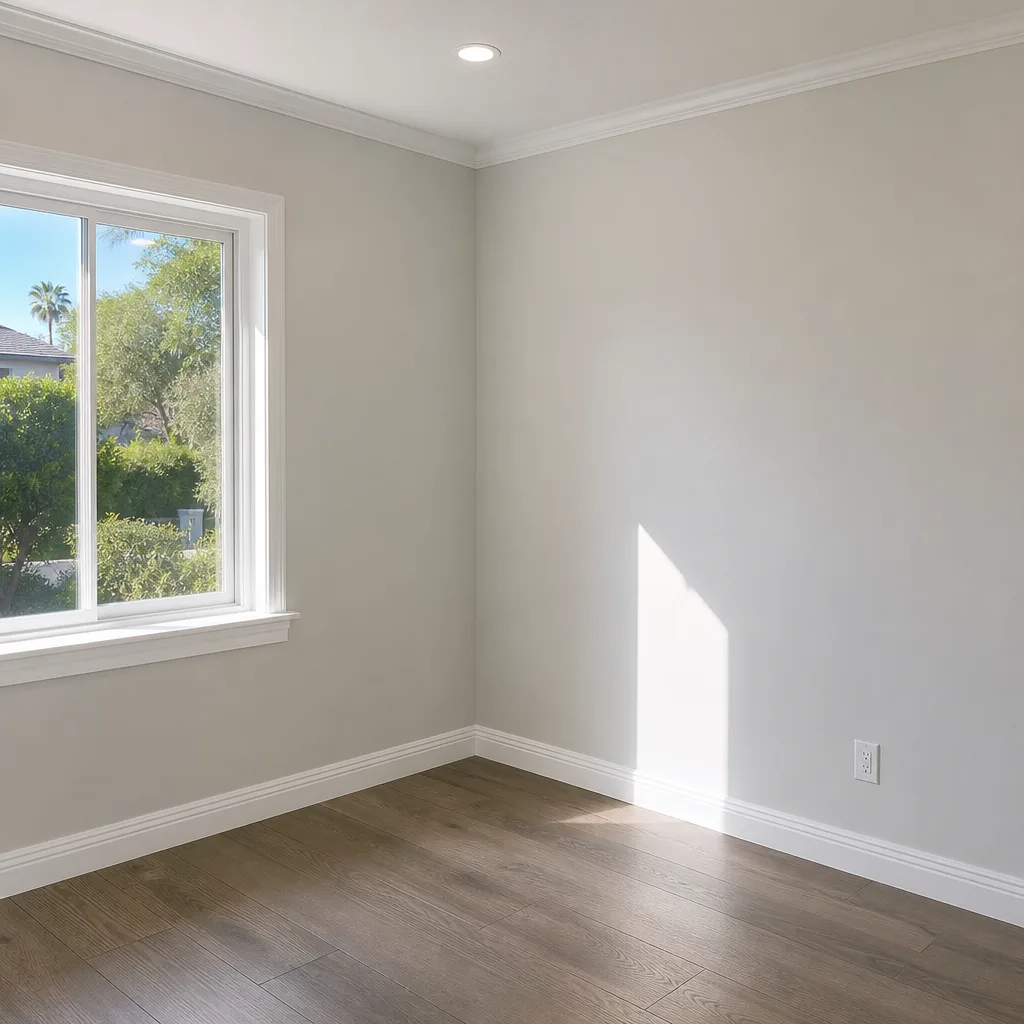 After
After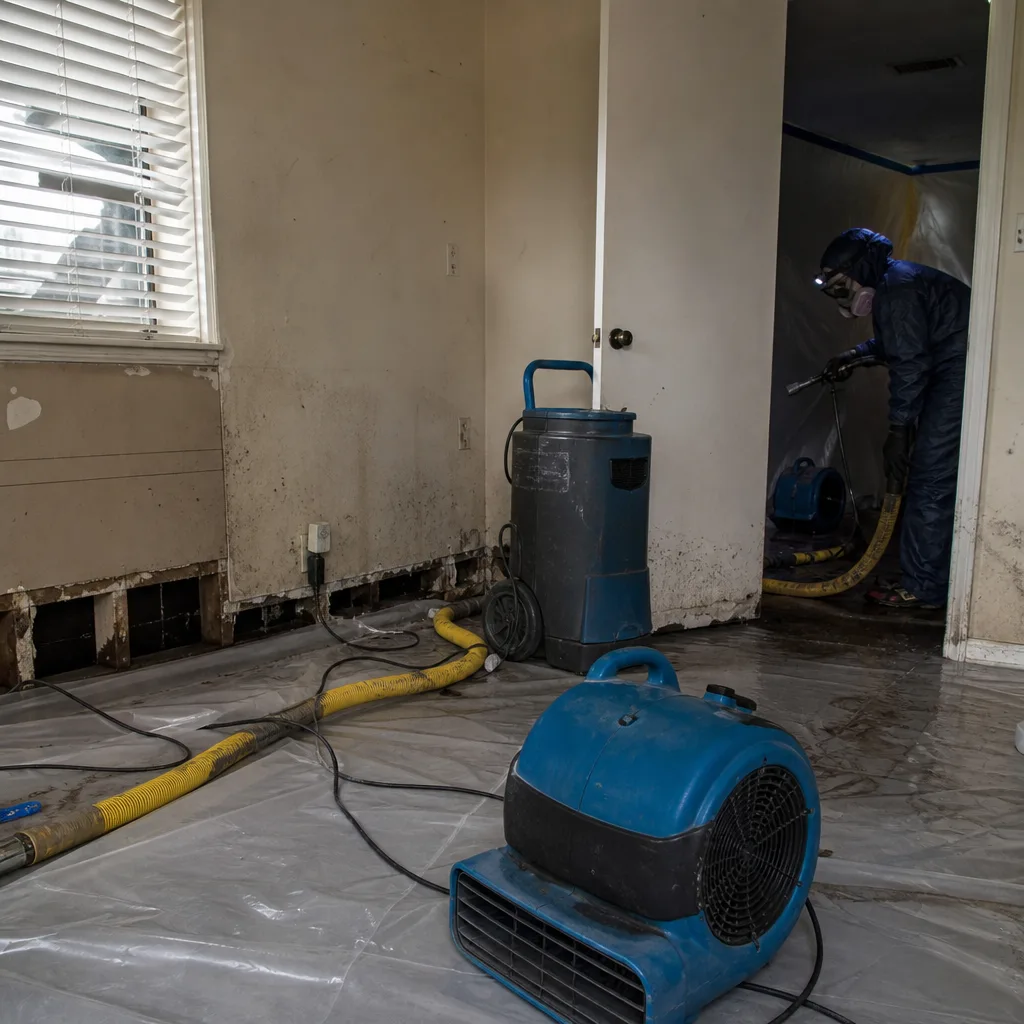 Before
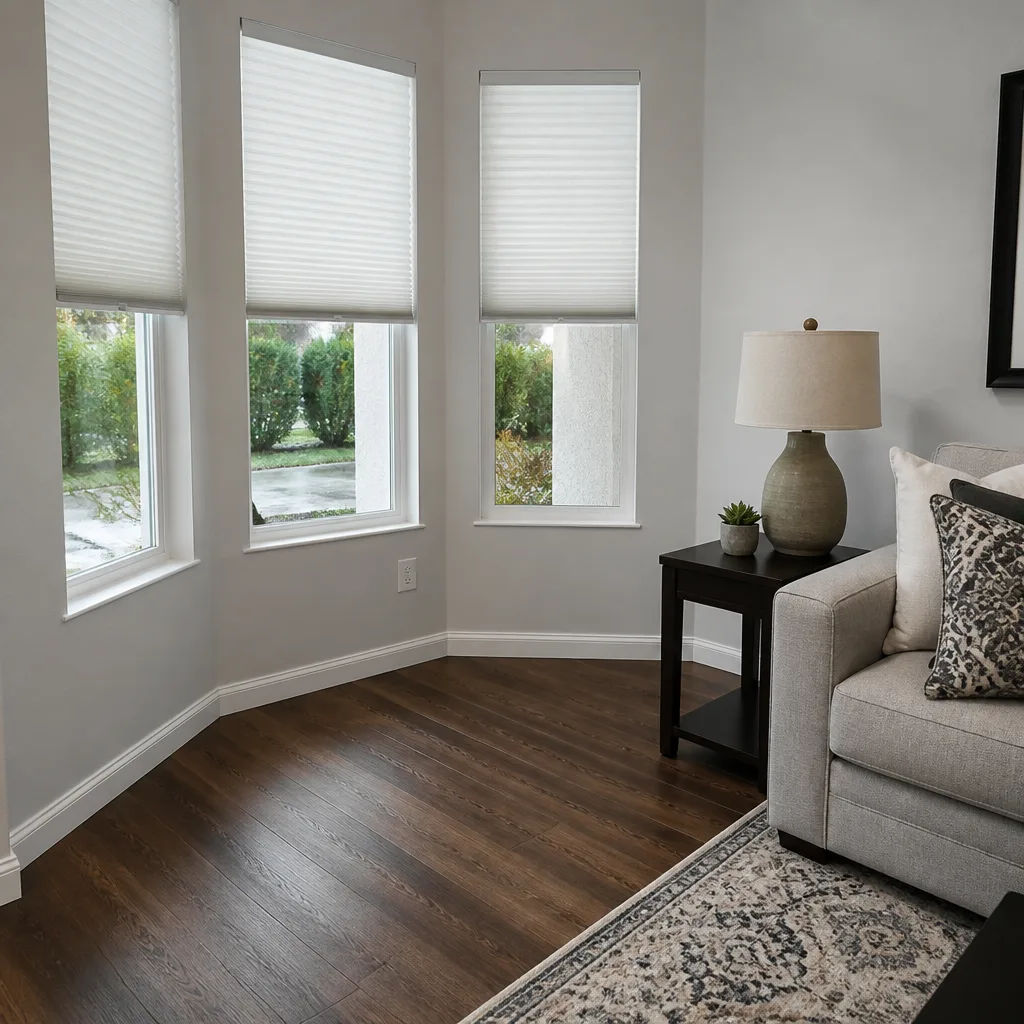 After
After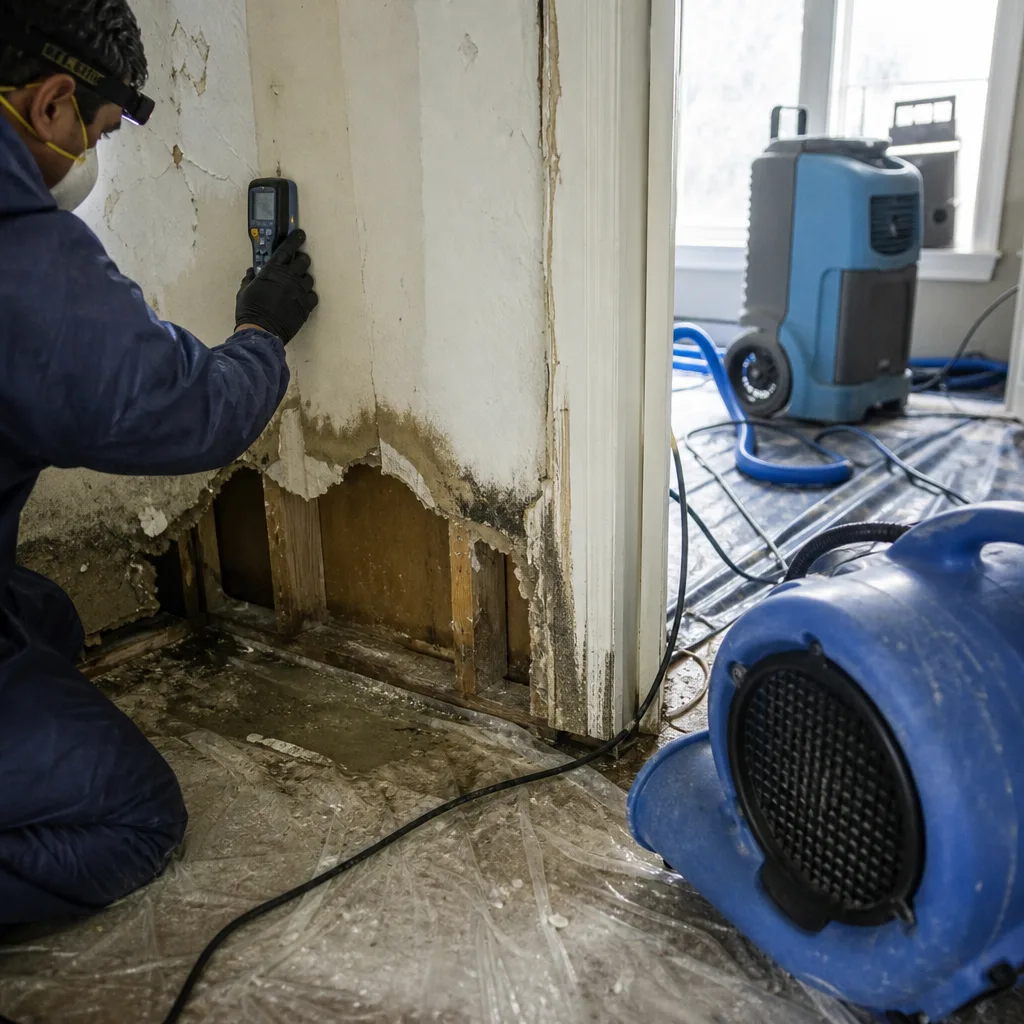 Before
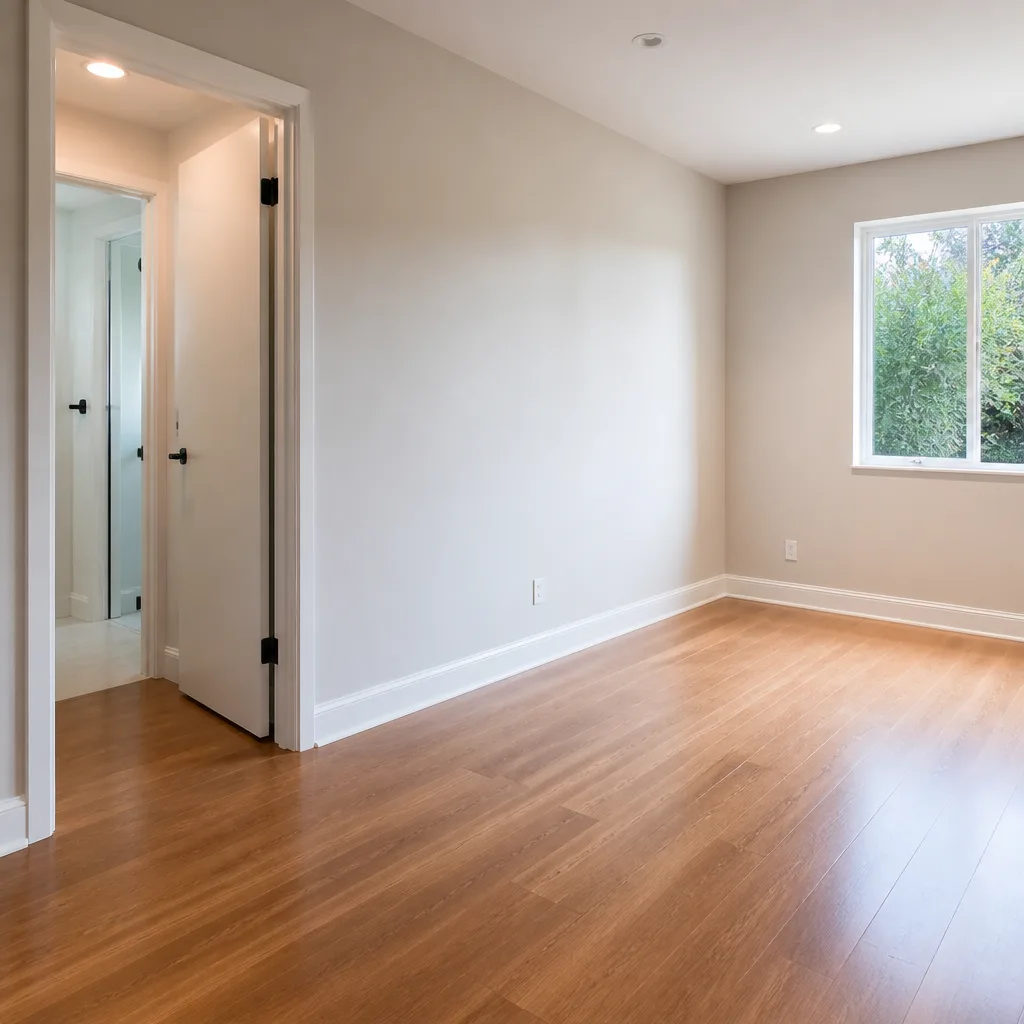 After
AfterThe Complete Guide to Damage Restoration in Los Angeles
A California Department of Insurance report found that incomplete or missing contractor documentation is among the leading reasons residential water and fire claims are partially denied - yet most restoration companies in Los Angeles hand homeowners nothing more than a final invoice. In our experience reviewing competitor files for second opinions, the pattern is consistent: the drying was adequate, the rebuild was competent, but the paper trail was thin enough to let an adjuster cut the payout by 30% or more. This guide explains how to treat restoration as a records-management process first and a construction process second, so your claim pays what your policy owes - and you can find more guides & resources on our blog.
Quick Answer
Damage restoration in Los Angeles is the documented process of returning a property to pre-loss condition after water, fire, mold, storm, or biohazard damage. The work breaks into two distinct phases: mitigation (stopping ongoing damage and drying the structure) and reconstruction (repairing or replacing materials). What determines whether your insurance claim pays in full is not the quality of the construction alone, but the daily documentation - moisture logs, photo records, and written scopes - that proves each line item was necessary and completed to standard.
Table of Contents
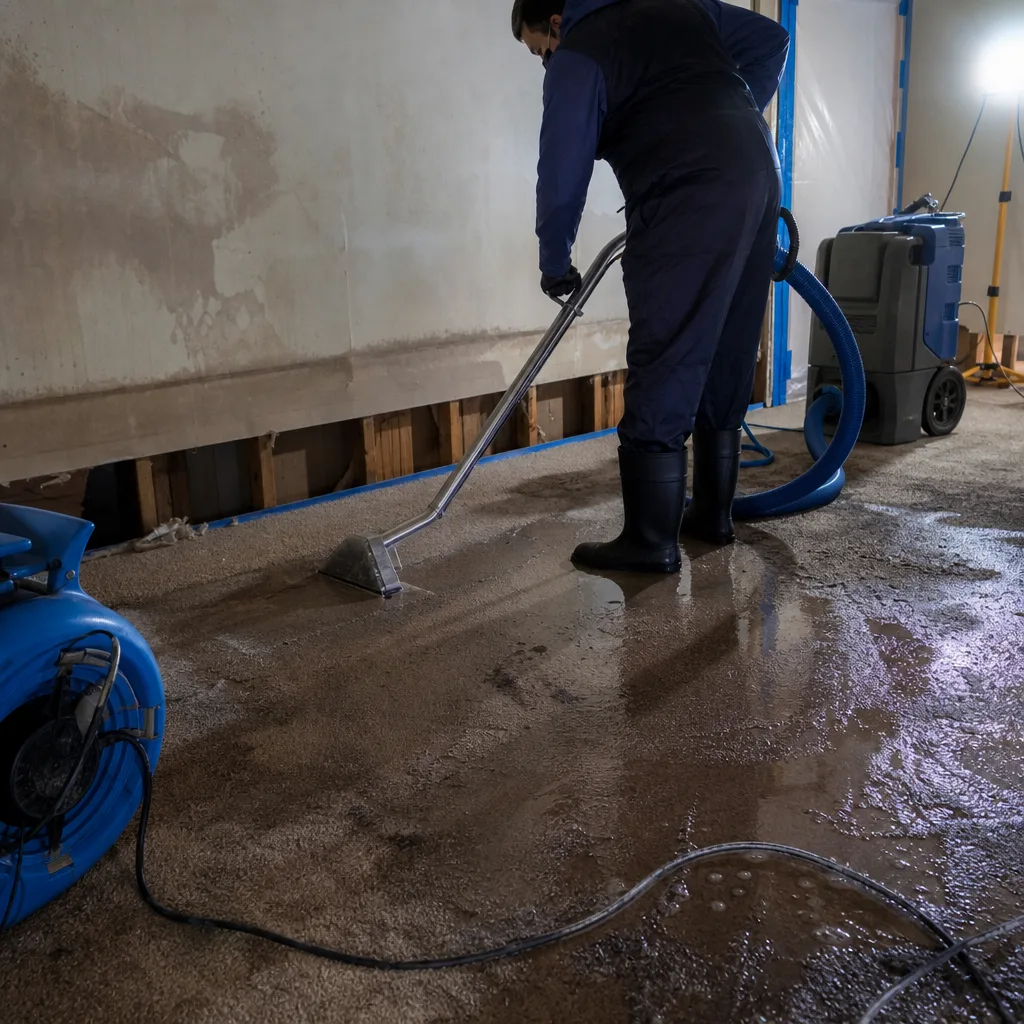
- Why Documentation Determines Claim Payment
- Mitigation vs. Reconstruction: Two Scopes, One Job
- Los Angeles-Specific Risk Factors
- Reading a Certificate of Completion
- California Contractor Law: What Your Written Price Must Include
- Equipment Standards and Why Trade Names Matter
- How to Choose a Restoration Company in Los Angeles
- Common Mistakes to Avoid
- When to Call a Professional
- Frequently Asked Questions
- The Bottom Line
BeforeAfterWhy Documentation Determines Claim Payment
Insurance adjusters do not pay for stories. They pay for evidence that connects a specific line item to a specific date, measurement, and industry standard. When we review denied or underpaid claims for our DryMark Restoration Los Angeles home second-opinion service, the gap is almost always in the documentation, not the workmanship.
Here is what a complete file contains, and what each document proves to an adjuster:
- Daily drying logs - Psychrometric data recorded at set intervals: temperature, relative humidity, and specific humidity readings for each affected room. These prove the drying environment was controlled and progressing, justifying equipment rental days.
- Moisture content readings - Pin and pinless meter measurements taken from affected materials (drywall, framing, subfloor) and from unaffected control samples. The differential, not the absolute number, proves restoration was necessary rather than pre-existing.
- Photo records - Date-stamped images of damage before work, equipment placement during drying, and post-mitigation condition. We deliver these as a standard deliverable on every visit, never an upsell.
- Written scope of work - A line-item list of every task, material, and labor hour, with unit prices, signed before work begins. Haven Standard, Clause 1: written price before work starts, every time, with no exceptions.
- Certificate of Completion - Final moisture readings proving materials have returned to within acceptable moisture content ranges for the Los Angeles climate zone, typically 10-12% for wood framing in our dry-summer conditions.
Without these documents, an adjuster can challenge whether three days of dehumidifier rental were necessary, whether the drywall replacement was limited to truly wet areas, or whether the “musty odor” remediation was a real line item or a padding of the bill. With them, each charge has an address.
Since 2011, we have restored over 12,000 homes. Every one had a written price before work started and a documented record when the crew left. That is not a marketing claim; it is the operational standard that lets our customers’ claims pay without a fight.
Mitigation vs. Reconstruction: Two Scopes, One Job
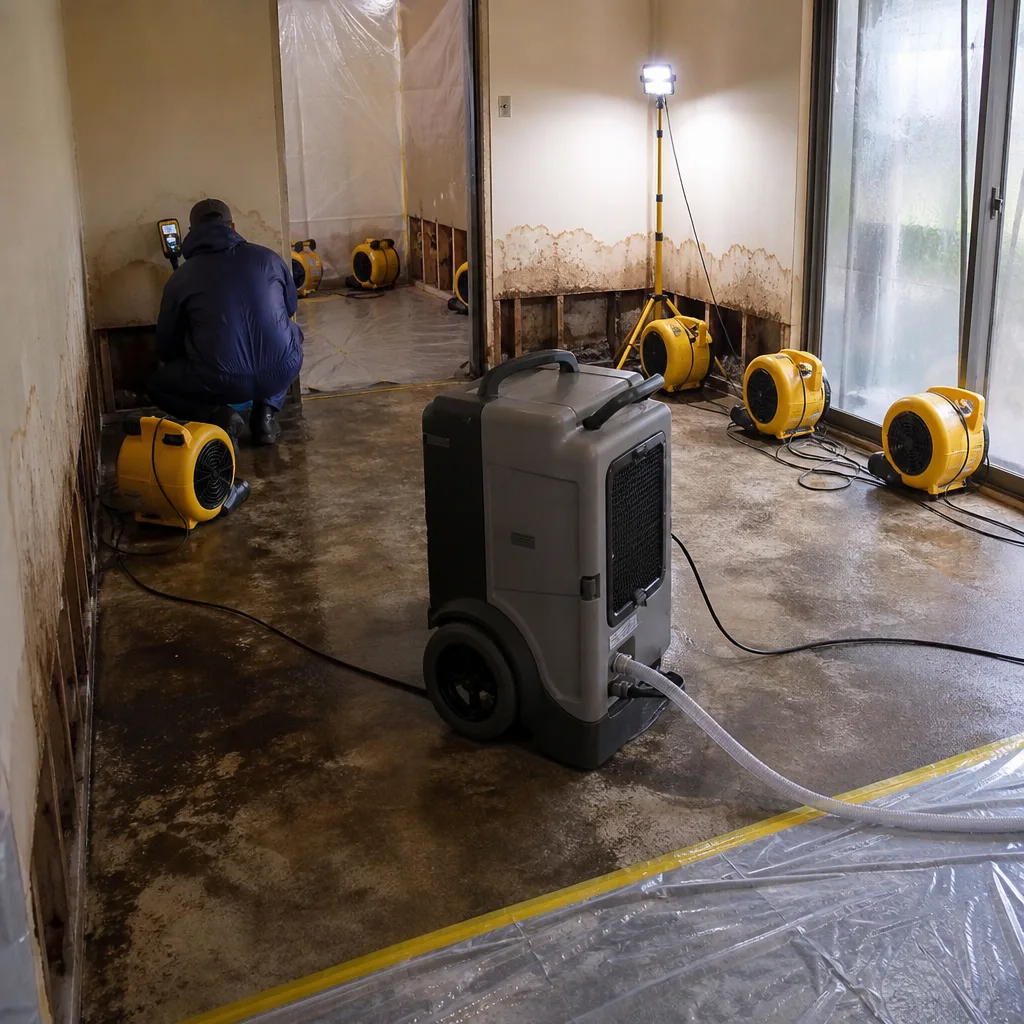
The single most expensive error we see in Los Angeles restoration files is the conflation of mitigation and reconstruction into one document. These are separate trades, separate billing methodologies, and separate approval timelines. Treating them as one scope invites scope creep, payment delays, and disputes over what was actually completed.
Mitigation is emergency work: water extraction, demolition of unsalvageable materials, drying, deodorization, and antimicrobial application. It is billed by time and equipment, with daily documentation. Speed matters. In a slab-foundation home in Mid-City Los Angeles, standing water on tile can migrate to baseplates in under four hours. Mitigation crews work in real time, with live dispatch answering every call 24 hours a day, 7 days a week.
Reconstruction is the rebuild: new drywall, flooring, paint, cabinetry, electrical and plumbing repairs. It is scoped like a remodel, with material allowances, labor hours, and a fixed price. It is scheduled, not dispatched. Promising same-day reconstruction is a red flag; no competent contractor prices a rebuild without inspecting moisture-stabilized framing first.
Why the separation matters for your claim:
- Insurance carriers separate the payments. Mitigation is often paid from Additional Living Expense or Dwelling coverage on an actual-cost basis with documentation. Reconstruction may be subject to depreciation, code-upgrade limits, or mortgage-holder approval. One combined invoice obscures these categories and invites partial denial.
- Different contractor licenses may apply. In California, a General B license can perform both, but specialty trades (electrical, plumbing, HVAC) require C-class licenses. A scope that bundles them without naming the responsible licensee violates Business and Professions Code 7159.
- Mitigation is complete when dry; reconstruction is complete when rebuilt. The Certificate of Completion for mitigation should show moisture readings at or below baseline. The reconstruction completion is a walk-through punch list. One document cannot certify both.
At Water Damage Restoration in Los Angeles, we deliver two separate written scopes: one for mitigation with daily drying logs, and one for reconstruction with material specifications and a fixed price. Haven Standard, Clause 1 applies to both, but the documents remain distinct so your adjuster can approve each on its merits.
Los Angeles-Specific Risk Factors
Los Angeles presents a unique set of structural and climatic conditions that change how damage is categorized, how drying is performed, and how claims are priced. A restoration company that treats a hillside home in the Hollywood Hills the same as a slab ranch in the San Fernando Valley is missing material facts that affect your payout, as outlined in our Damage Restoration Warning Signs: A Los Angeles Homeowner’s Reference Guide.
Slab foundations dominate postwar construction in neighborhoods from Van Nuys to Torrance. Without a crawlspace, water intrusion from slab leaks or foundation seepage has no drainage path. Drying requires injection drying systems - we use Injectidry equipment to force dry air through wall cavities and under flooring - and the documentation must show vapor pressure differential readings to prove the system was effective. A standard dehumidifier sitting in the living room will not dry a slab-adjacent wall, and an adjuster who knows Los Angeles construction will deny the charge if the equipment log shows inadequate CFM for the application.
Stucco exteriors, common throughout Los Angeles from the 1920s forward, create a reservoir effect. Stucco absorbs moisture and releases it slowly into framing cavities. We regularly see homes in Los Feliz and Silver Lake where interior drywall reads dry but exterior sheathing behind stucco is saturated. Proper documentation requires moisture readings from both sides of the assembly, and the scope must include stucco removal or drying access ports. A contractor who only documents interior readings is leaving money on the table and mold risk in your walls.
Hillside lots in areas like Bel Air, Pacific Palisades, and the Hollywood Hills introduce hydrostatic pressure and drainage failures that standard water damage categories do not capture. Category 1 clean water from a supply line can become Category 2 or 3 when it picks up soil contaminants through a compromised foundation seal. The initial scope must include soil sampling and foundation inspection provisions, with photo documentation of the water source path. Adjusters in Los Angeles are familiar with hillside claims and will scrutinize category upgrades; your documentation must show the contamination pathway in dated photos.
Climate considerations: Los Angeles dry summers and mild winters mean baseline moisture content for wood framing runs lower than in humid climates - typically 9-11% in August versus 12-14% in a Gulf Coast city. Drying goals must be calibrated to local baselines, not generic national standards. Our daily logs reference Los Angeles-specific equilibrium moisture content tables so adjusters cannot challenge our targets as overly aggressive.
Reading a Certificate of Completion
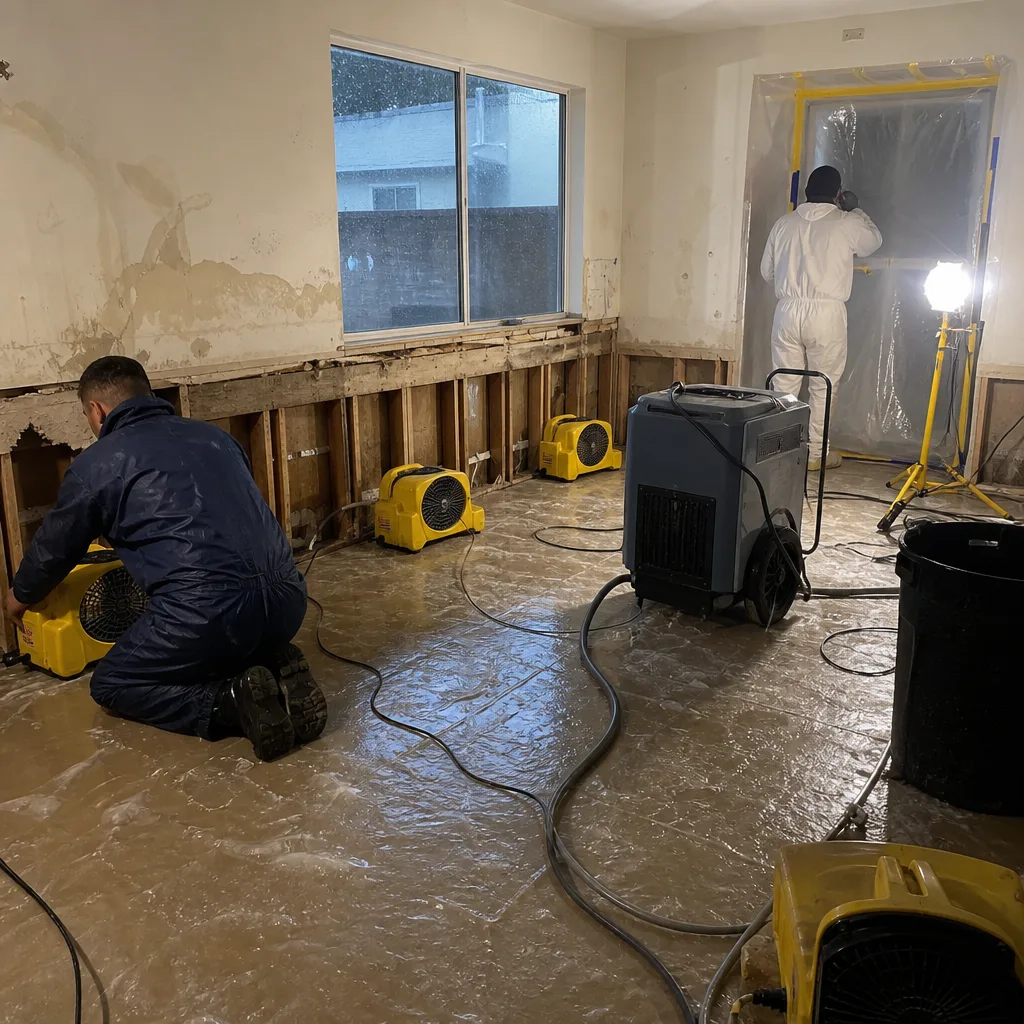
The Certificate of Completion is the document that tells an insurer the job is done and the equipment can come off the rental clock. A weak certificate is an invitation to partial payment or extended depreciation. Here is what a defensible certificate contains, and what each element proves.
- Property address and claim number - Ties the document to a specific loss and policy.
- Date and time of final readings - Shows the drying period was continuous and properly monitored, not a single snapshot.
- Room-by-room moisture content readings - For each affected area: material type (oak flooring, 2×4 Douglas fir framing, 1/2″ drywall), measurement method (pin meter, pinless meter, thermo-hygrometer), reading, and comparison to unaffected control sample from the same structure. The differential, not the absolute number, proves restoration was achieved.
- Psychrometric data - Temperature, relative humidity, and specific humidity for each room, proving the drying environment was controlled through equipment operation, not passive air movement.
- Equipment log summary - Dates of deployment and removal for each unit, with serial numbers or asset tags, matching the daily drying logs.
- Photo record reference - File name or cloud link to the date-stamped photo set showing pre-condition, equipment placement, and post-mitigation condition.
- Technician signature and license number - California requires a licensed contractor’s signature on completion documents for work over $500. The license number must match the contracting entity.
- Customer acknowledgment - Your signature confirming the work was completed and the space was returned to you in acceptable condition.
We deliver this as a bound packet with our 365-Day Done Right Promise, a signed guarantee under The Haven Standard. If any reading is challenged, we have the daily logs to defend it. If any material fails within the warranty period, we return with the original photo record to establish whether the failure is related to the loss or a new event.
California Contractor Law: What Your Written Price Must Include
California Business and Professions Code 7159 governs home improvement contracts, and restoration work - even when insurance-funded - falls under its requirements, as detailed in our guide to Damage Restoration Permits, Codes & Inspections in CA: What You Need to Know. A written price that does not contain these elements is unenforceable, and an adjuster who spots the omission may refuse to reimburse you for amounts already paid.
The law requires:
- The contractor’s name, address, and license number - Not a DBA or marketing name, but the legal entity holding the C-61/D-49 (Structural Pest Control) or B-General license. Our technicians are background-checked, uniformed, and named, with license numbers provided on every scope.
- A description of the work to be done and materials to be used - Sufficient detail to distinguish this job from any other. “Drywall repair” is insufficient; “Remove and replace 32 linear feet of 1/2″ moisture-resistant drywall, taped and floated to match existing orange-peel texture, with two coats primer and two coats Benjamin Moore Regal Select” is enforceable.
- The total contract price - Including all labor and materials. Phrases like “plus materials at cost” or “TBD upon completion” violate the statute and void the contract’s protections.
- Start and completion dates - Or, for mitigation, the estimated duration with provisions for extension based on drying progress documented in daily logs.
- Notice of the right to cancel - Three-day right of rescission for contracts solicited at the residence, which includes most emergency restoration calls.
- A notice that the contractor is licensed and bonded - With the license board’s contact information for verification.
Haven Standard, Clause 1 goes further: the written price is delivered before anyone starts work, with no scope-creep additions once the crew is inside. We have seen Los Angeles homeowners sign emergency work authorizations that balloon from $3,200 to $14,000 because the initial document was a one-page authorization, not a compliant contract. The law protects you, but only if the document you sign meets the law’s requirements.
Our scopes include a line-item breakdown with unit prices, so you and your adjuster can see that 12 air mover days at $X each equals the equipment total, and that demolition labor is separated from disposal fees. Transparency is not a courtesy; it is the structure that makes a claim payable.
Equipment Standards and Why Trade Names Matter
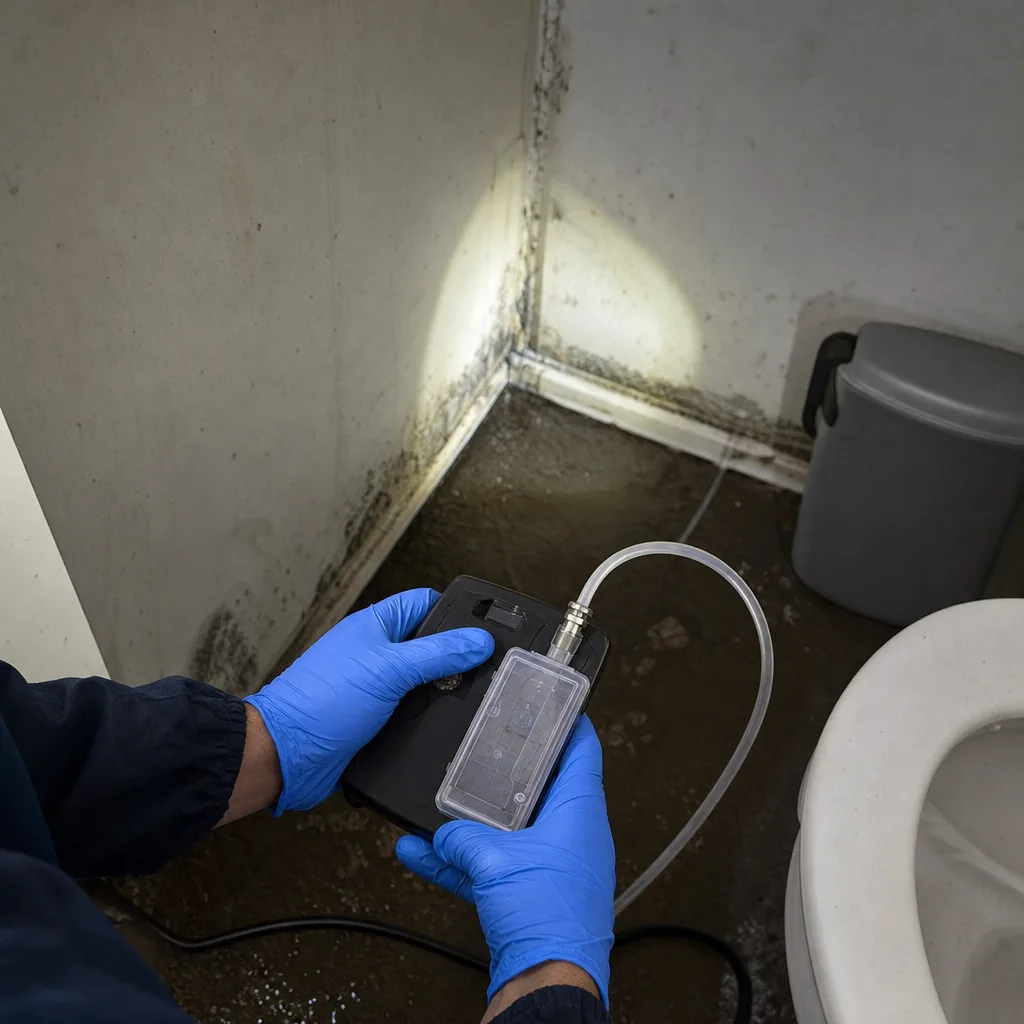
Restoration equipment is not interchangeable. An LGR (low-grain refrigerant) dehumidifier from a rental yard performs differently from a commercial unit designed for controlled drying environments. When we document a job to IICRC S500 standards, the equipment log must show capability-appropriate deployment, and adjusters increasingly know the difference.
Our fleet includes professional-grade drying systems from Dri-Eaz, Phoenix, XPOWER, B-Air, and Injectidry. Here is how we match equipment to condition:
| Condition | Equipment | Documentation Standard |
|---|---|---|
| Standing water, Class 1-2 | Phoenix 200 HT or Dri-Eaz LGR 7000XLi | GPP (grains per pound) reduction logged every 4 hours |
| Wall cavity saturation, slab-adjacent | Injectidry HP-Plus with interair drying system | Vapor pressure differential, cavity vs. ambient, logged daily |
| Hardwood flooring, cupping present | Dri-Eaz Rescue Mat system with negative airflow | Moisture content at surface, core, and subfloor, daily |
| High-humidity ambient, no direct liquid | XPOWER or B-Air centrifugal air movers with desiccant | Specific humidity ratio, target EMC for Los Angeles zone |
Trade names matter because they establish capability. An adjuster who sees “dehumidifier, 3 days, $X” has room to challenge. An adjuster who sees “Dri-Eaz LGR 7000XLi, serial #XXXX, deployed 08/14 14:00, removed 08/17 09:00, with GPP log showing 78.4 to 42.1 grains” has a fact pattern to approve. All our work is documented to IICRC, RIA, and IFA standards, producing the daily moisture logs that turn restoration invoices into payable insurance claims.
How to Choose a Restoration Company in Los Angeles
The Los Angeles market includes hundreds of restoration contractors, from one-truck operators to national franchises. The differences that matter for your claim are not visible in a truck wrap or a slogan. They are in the documentation system the company uses, and whether that system produces records an adjuster can approve.
Ask these questions before signing any work authorization:
- “Will I receive a written price before work begins, with line-item unit costs?” - If the answer is “we’ll assess and bill accordingly,” you are signing a blank check. Haven Standard, Clause 1 exists to end that practice.
- “What documentation will I receive, and when?” - Daily logs should be available on request during the job, not compiled weeks later from memory. Photo records should be date-stamped and delivered as a standard deliverable, not an upsell.
- “Who will be my point of contact with my insurance company?” - Direct adjuster coordination, with photo documentation shared in real time, accelerates approval. A company that hands you the invoice and tells you to submit it yourself is adding weeks to your payment.
- “What is your drying standard, and how do you prove it?” - The answer should reference specific moisture content targets for your climate zone, not “when it feels dry” or “industry standard.” In Los Angeles, that means equilibrium moisture content calibrated to our dry-summer, mild-winter conditions.
- “What happens if something isn’t right after completion?” - A verbal assurance is not a warranty. Our 365-Day Done Right Promise is a signed guarantee under The Haven Standard, with a defined remediation process if moisture readings rise or materials fail.
We offer a Free Second Opinion on any competitor’s written estimate. Bring us their scope and we will review it for documentation gaps, pricing anomalies, and compliance with California contractor law - at no charge. In our experience, roughly one in three estimates we review contains an unenforceable price structure or a scope that conflates mitigation and reconstruction in ways that will delay payment.
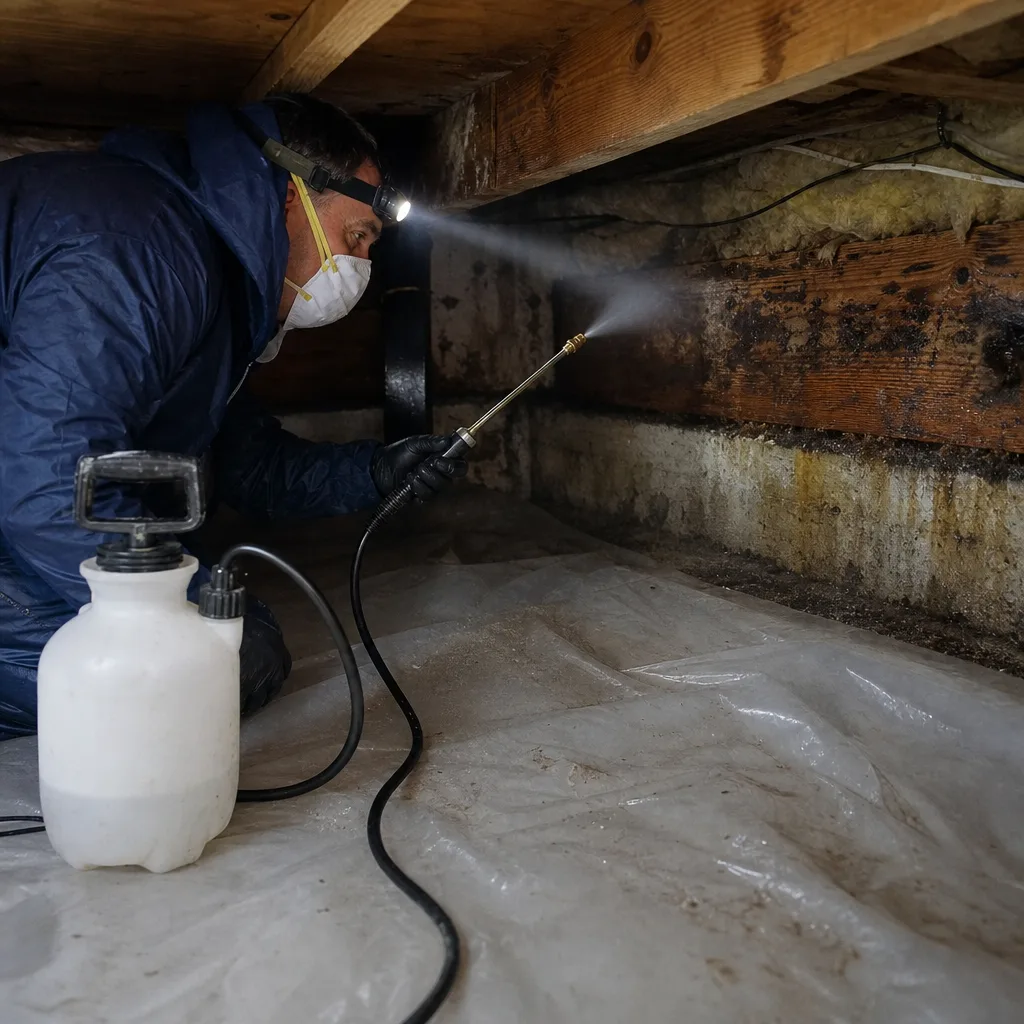
For Mold Remediation in Los Angeles specifically, the documentation bar is higher. Mold claims require pre- and post-remediation air sampling, containment negative-pressure logs, and material disposal manifests. A company that cannot produce these documents on request is not performing remediation to standard; they are performing demolition with bleach.
Common Mistakes to Avoid
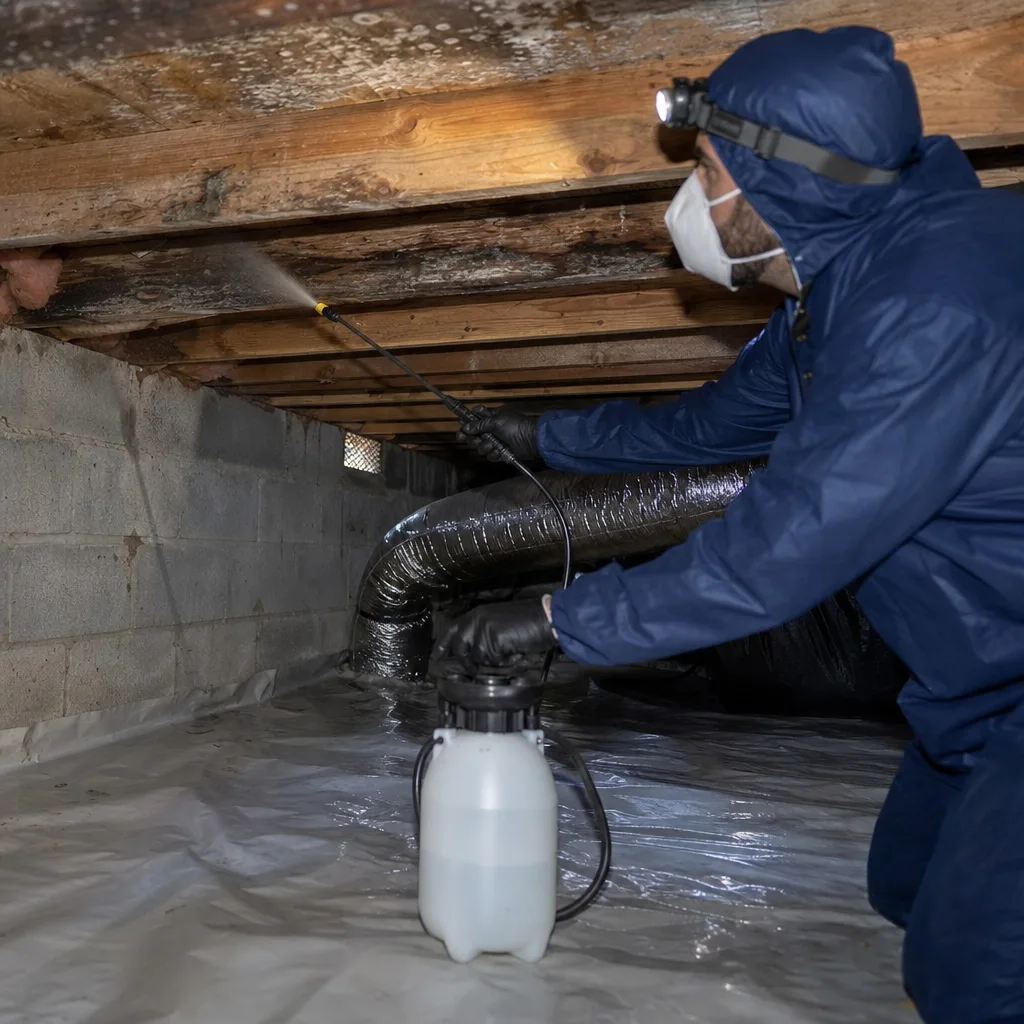
- Signing a work authorization without a total price. In Los Angeles, emergency response companies often arrive with a one-page authorization that authorizes “all necessary work” without a cap. This violates B&P Code 7159 and exposes you to unlimited liability.
- Accepting a single combined scope for mitigation and reconstruction. This conflation lets contractors hide reconstruction markups in mitigation line items and prevents adjusters from applying appropriate depreciation schedules. Demand separate documents.
- Failing to document pre-existing conditions. In hillside Los Angeles neighborhoods, foundation cracks and prior water staining are common. Without dated photos of pre-loss condition, adjusters attribute all damage to maintenance neglect and deny the claim.
- Ignoring stucco saturation in exterior walls. Stucco’s reservoir effect means interior drywall can read dry while exterior sheathing rots. A contractor who only probes interior surfaces is missing half the damage and leaving you with a future mold claim.
- Not requesting the equipment serial number log. Some operators bill for equipment days while rotating units off your job to another site. Serial numbers on daily logs prevent this and are standard in our documentation.
- Assuming insurance covers everything without checking your scope against the policy. Code upgrade coverage, mold limits, and ALE caps vary by carrier. A written scope that exceeds your policy limits becomes your out-of-pocket cost unless identified before work starts.
When to Call a Professional
Call immediately when water is actively moving in your structure, when you smell smoke or see soot residue after any fire event, when mold growth covers more than 10 square feet, or when sewage or biohazard contamination is present. These conditions worsen by the hour and create secondary damage that insurance may exclude if not mitigated promptly.
For fire and smoke damage, Fire & Smoke Damage Restoration in Los Angeles requires specialized documentation of soot type (protein, wet smoke, dry smoke) and affected surface porosity, which determines cleaning methodology and whether materials must be replaced. This documentation must begin before any cleaning occurs, or the evidence of damage severity is destroyed.
DryMark Restoration Los Angeles offers free estimates in Los Angeles - call (424) 351-3396. Live person answers every call, 24 hours a day, 7 days a week, with no voicemail on emergency lines. Every job is quoted in writing before work begins, documented with a photo record on every visit, and covered by the 365-Day Done Right Promise.
Frequently Asked Questions
Mitigation for a typical Los Angeles single-family home runs $2,800-$6,500 for Class 1-2 water damage with 2-4 days of drying, while Class 3-4 losses with extensive cavity drying or slab injection systems range $7,500-$18,000, as covered in our Damage Restoration Cost Breakdown: The Los Angeles Homeowner’s Reference for 2026. Reconstruction is priced separately based on material selections and square footage. Call (424) 351-3396 for a written estimate with line-item pricing - estimates are free.
Most sudden and accidental water, fire, and storm damage is covered under standard HO-3 policies, but coverage depends on documentation quality. Claims are partially denied when contractors cannot prove the damage was sudden, establish pre-loss condition, or separate mitigation from reconstruction. Our documentation system is designed to answer these questions before the adjuster asks them.
Live dispatch answers emergency calls 24 hours a day, 7 days a week, and crews are typically on-site within 60-90 minutes for active water or fire damage in the Los Angeles basin. Hillside locations in the Santa Monica Mountains or San Gabriel foothills may take longer due to access. Reconstruction is scheduled, not dispatched; promising same-day reconstruction is a red flag.
California requires licensed mold remediation for contamination exceeding 10 square feet in occupied structures. DIY cleaning on porous materials (drywall, insulation, carpet) typically spreads spores and worsens the problem. Professional remediation includes containment negative-pressure systems, HEPA filtration, and post-remediation air sampling that proves clearance - documentation your insurer and any future buyer will require.
We coordinate directly with your adjuster, sharing photo documentation, daily drying logs, and written scopes in real time through our documentation portal. This direct coordination accelerates approval and reduces back-and-forth. You remain the policyholder and must approve all work, but you do not need to become a restoration expert to get your claim paid.
Under B&P Code 7159, any home improvement contract over $500 must include the contractor’s legal name, license number, and address; a detailed description of work and materials; the total contract price; start and completion dates; your three-day right to cancel; and notice of licensure and bonding. Haven Standard, Clause 1 adds: the written price is delivered before work begins, with no exceptions.
The Bottom Line
Restoration in Los Angeles is not primarily a construction challenge. It is a documentation challenge that determines whether your insurance claim pays what your policy owes. The companies that thrive in this market are not the ones with the fastest trucks or the loudest advertising. They are the ones whose daily drying logs, photo records, and written scopes turn a restoration invoice into a claim an adjuster approves without a fight.
Since 2011, we have built our operation around this principle. Every job gets a written price before work starts. Every visit gets a photo record. Every completion gets a Certificate with moisture readings calibrated to Los Angeles conditions. And every customer gets the 365-Day Done Right Promise, a signed guarantee under The Haven Standard.
Call (424) 351-3396 for a free estimate or second opinion on any competitor’s written scope.
Written by Alicia Brennan, Owner at DryMark Restoration Los Angeles, serving Los Angeles since 2011.