
Last updated September 23, 2026
Free visual inspection and a written scope of work before any mitigation begins - photos, moisture readings, and drying logs go in your claim file
The scope we write is the scope we bill. Anything new gets shown to you, in writing, before we touch it.
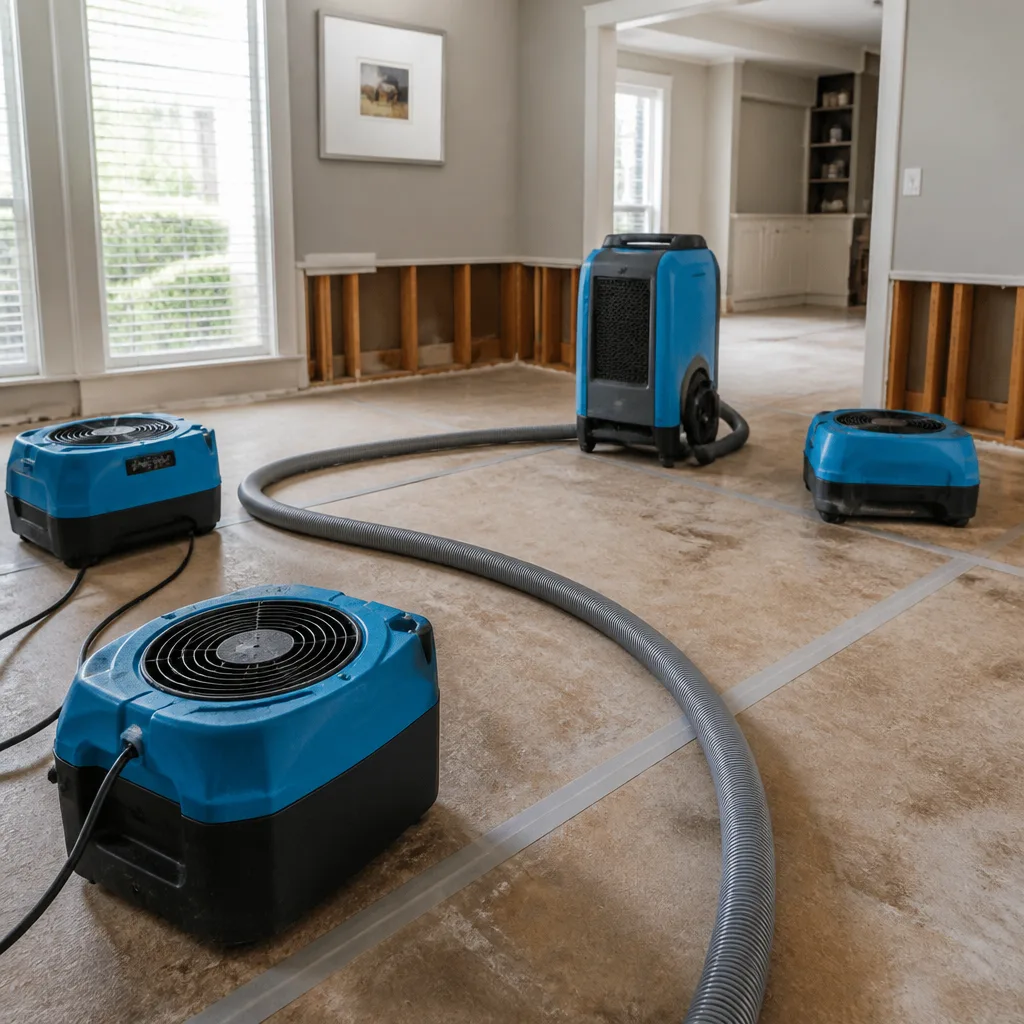
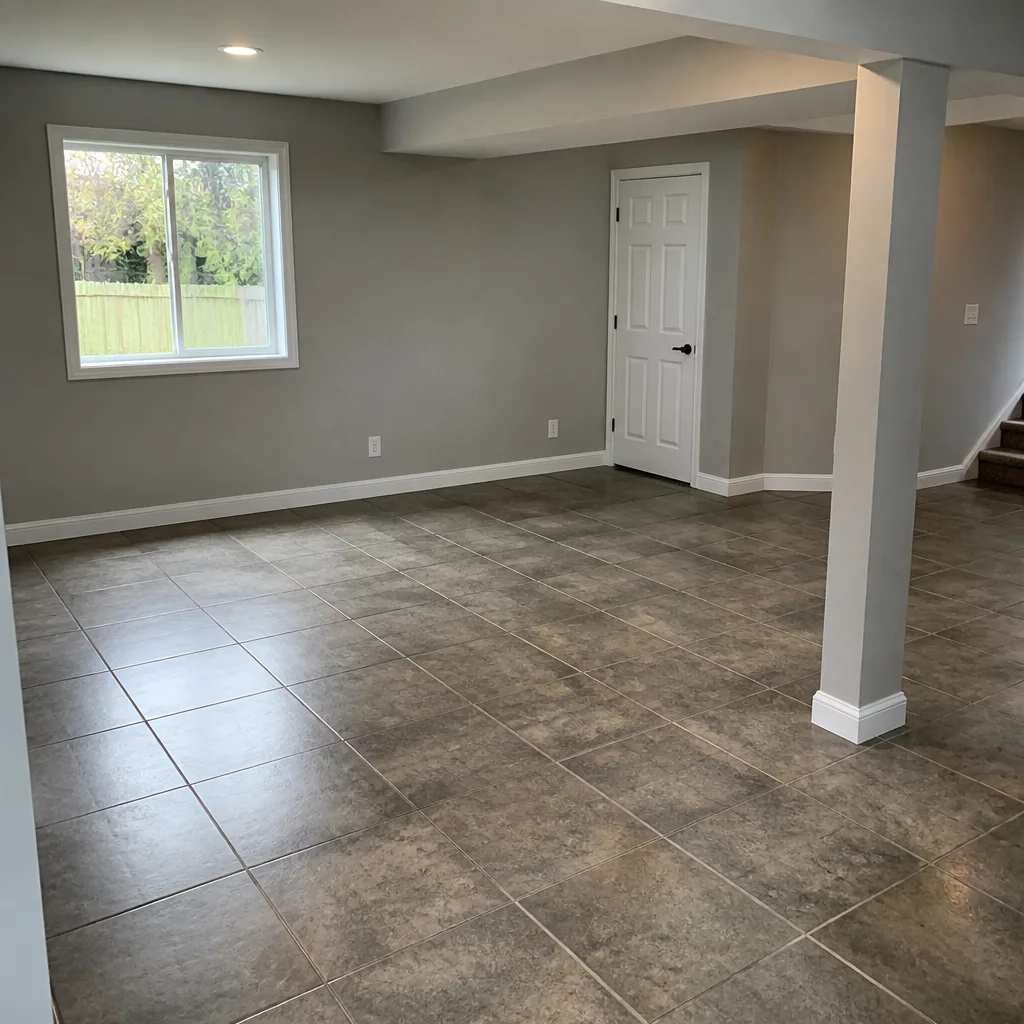
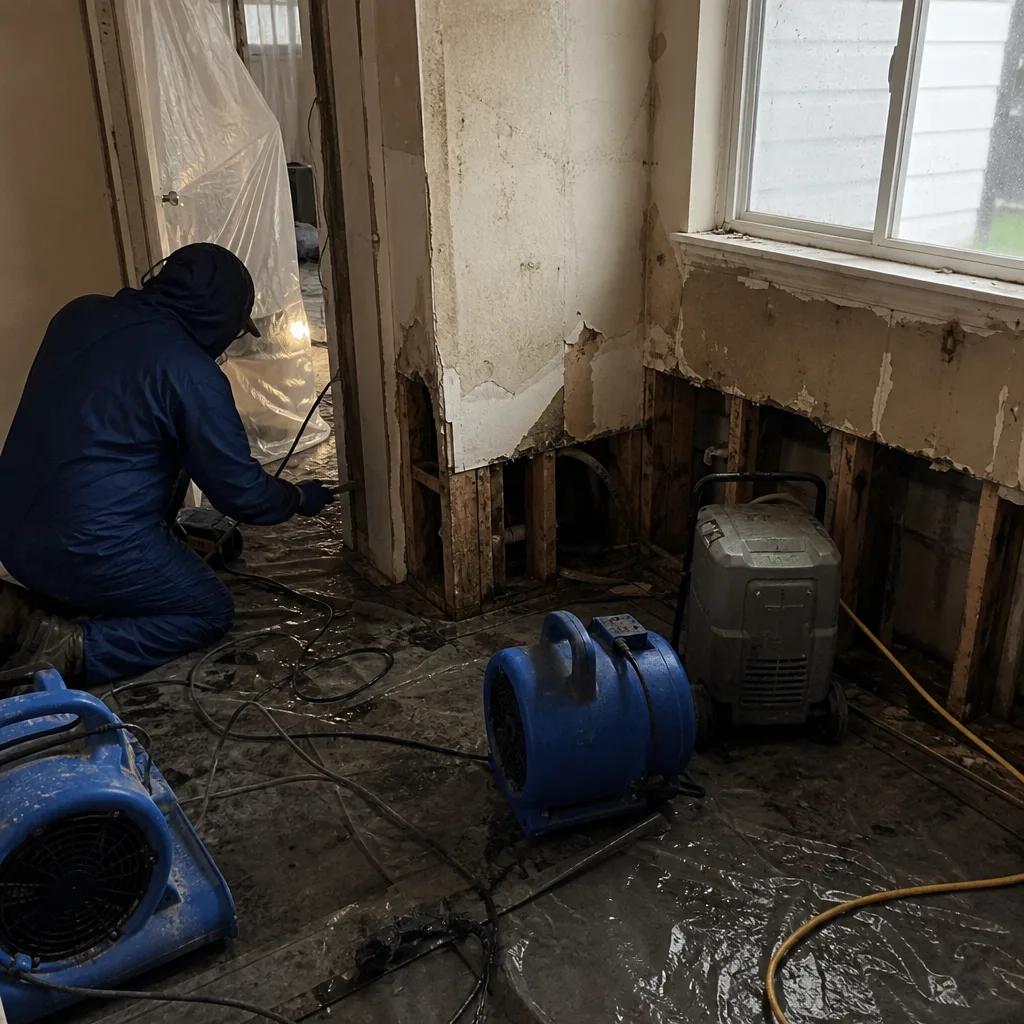 Before
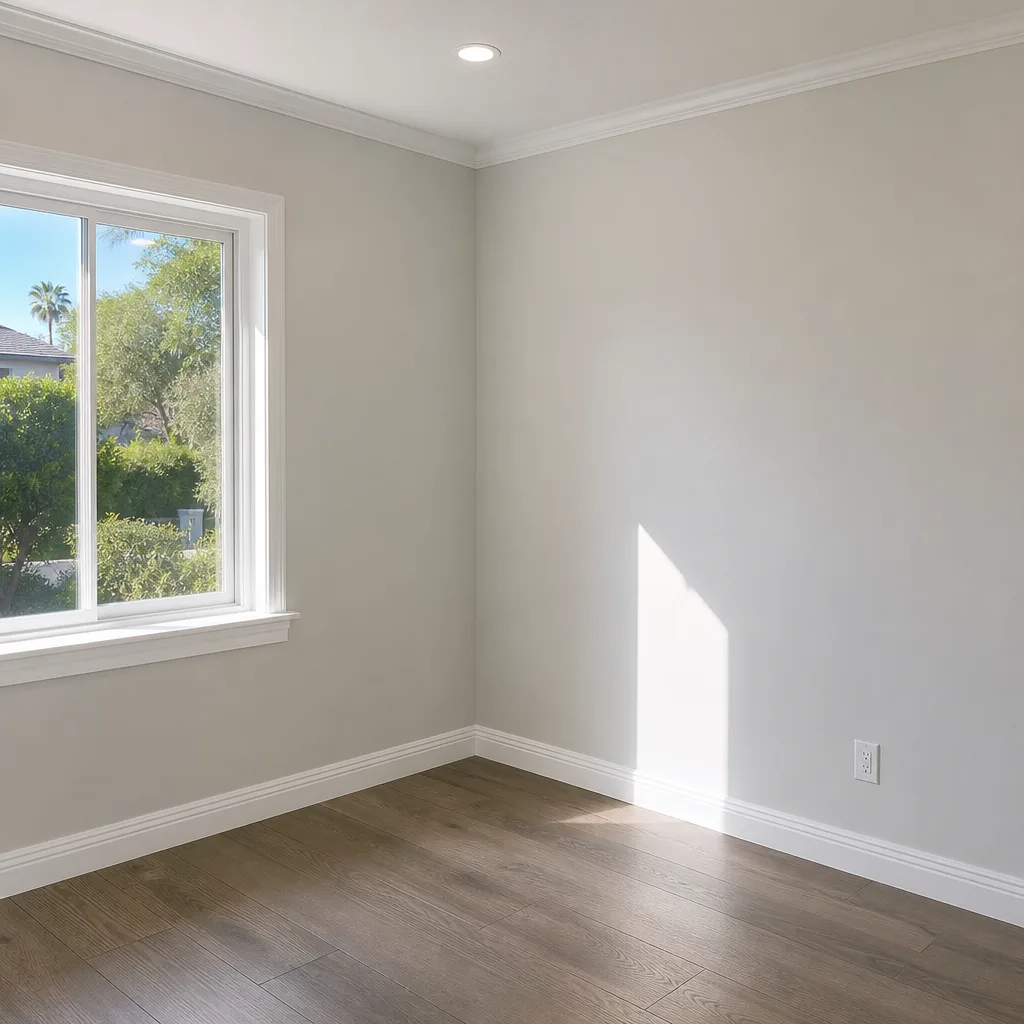 After
After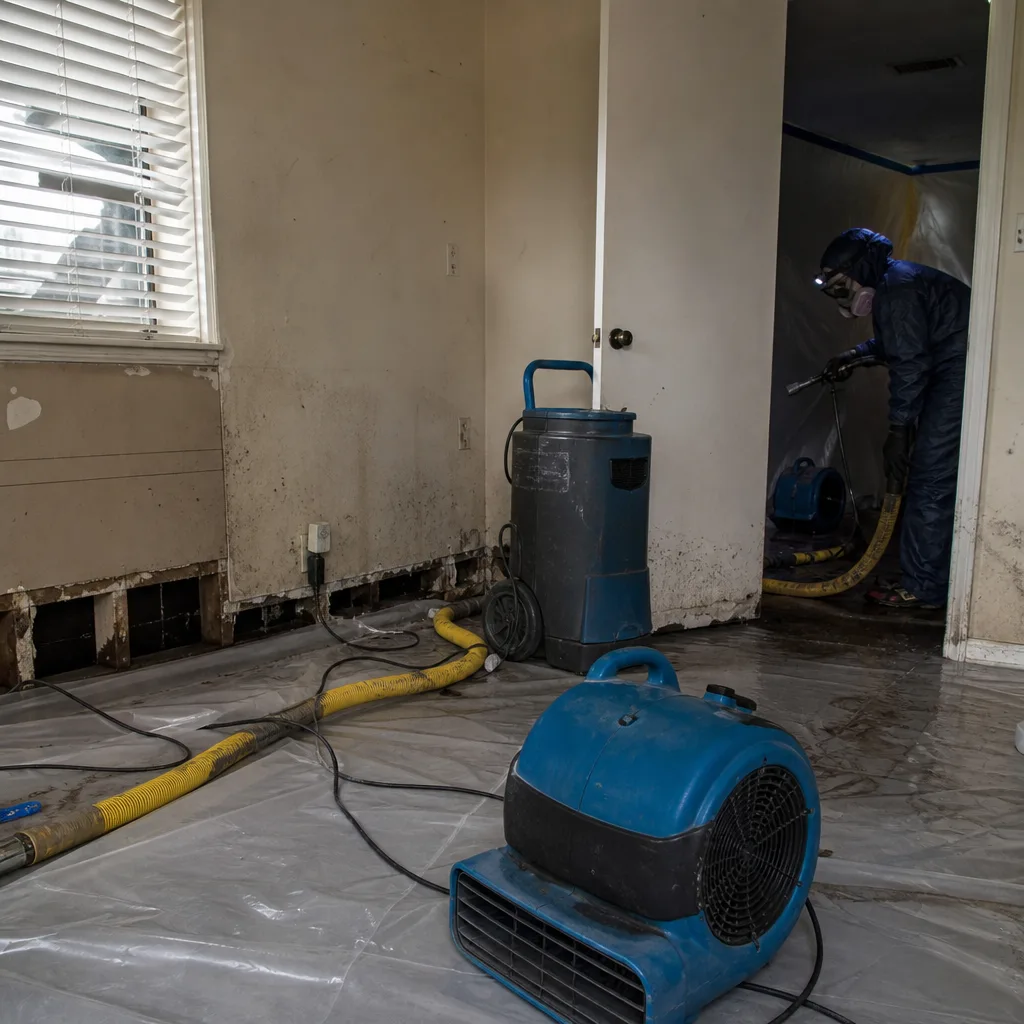 Before
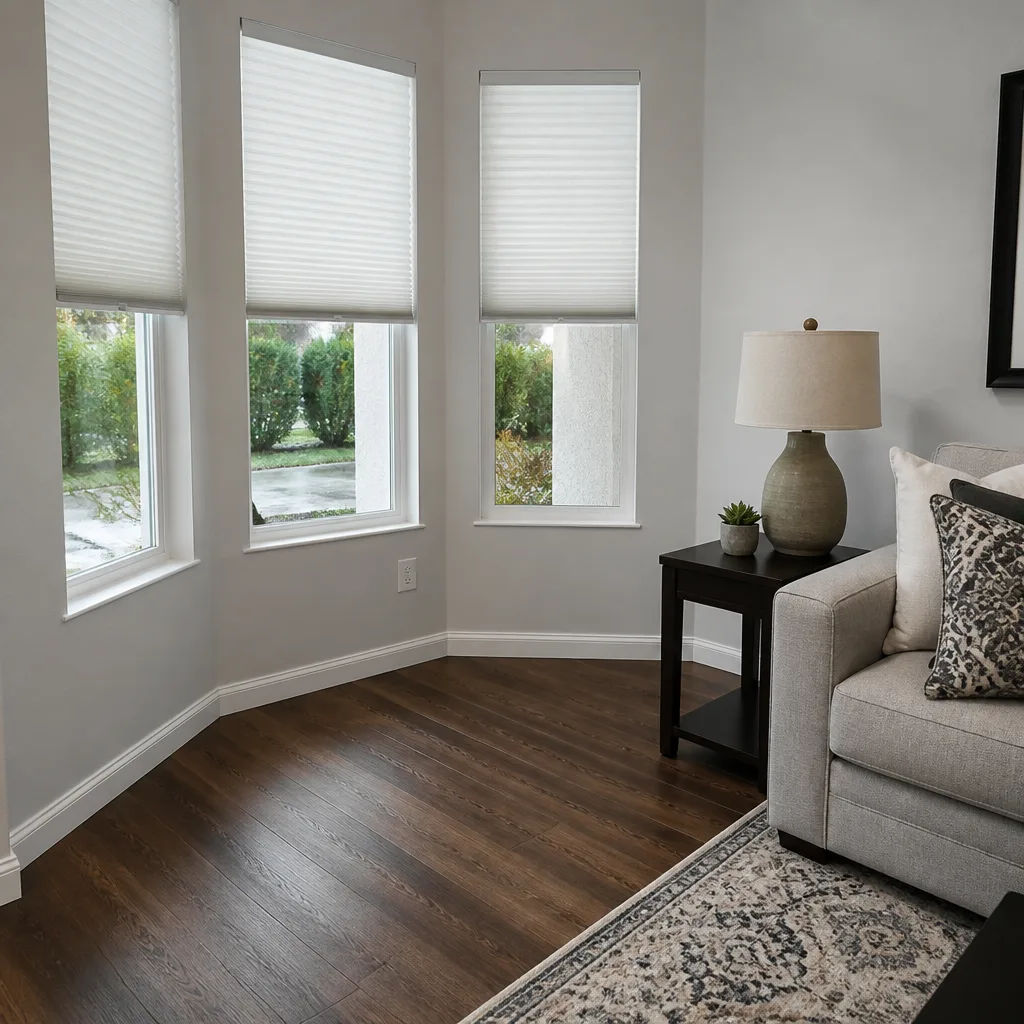 After
After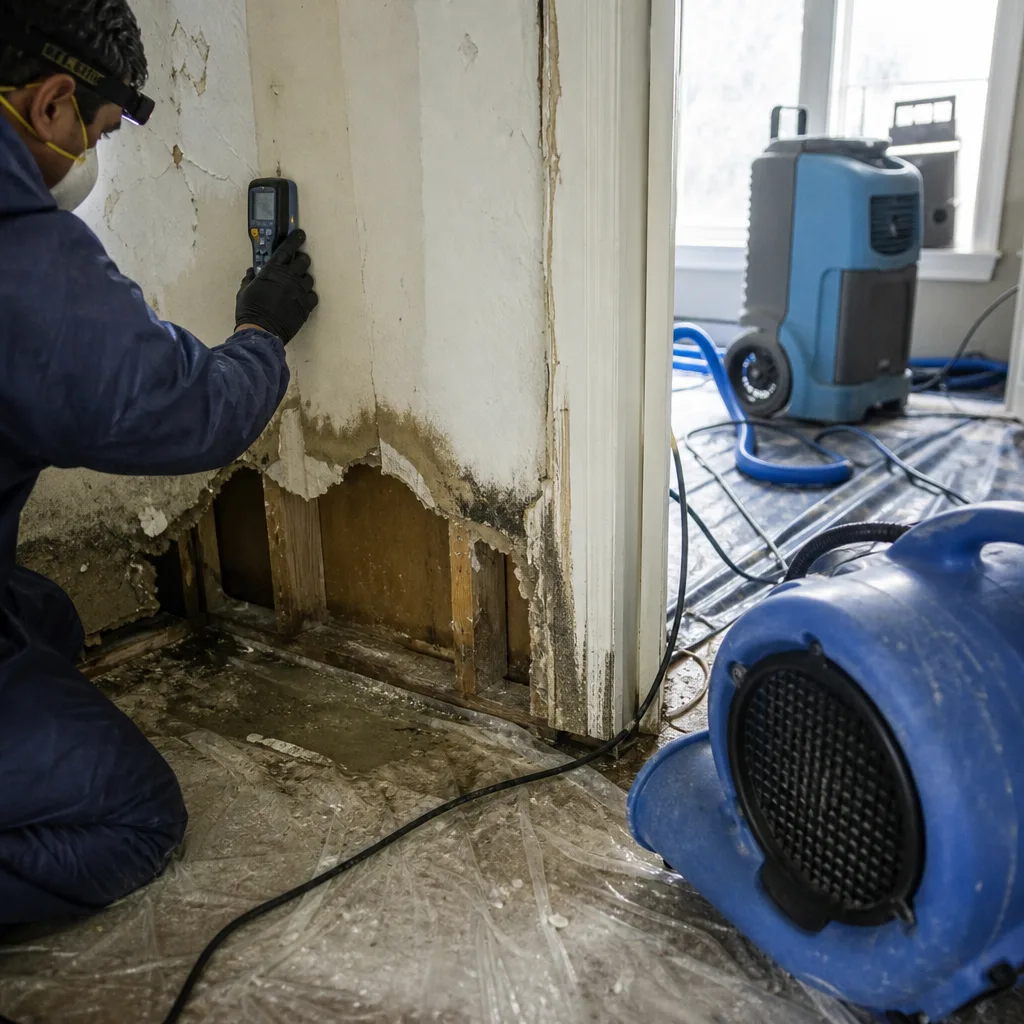 Before
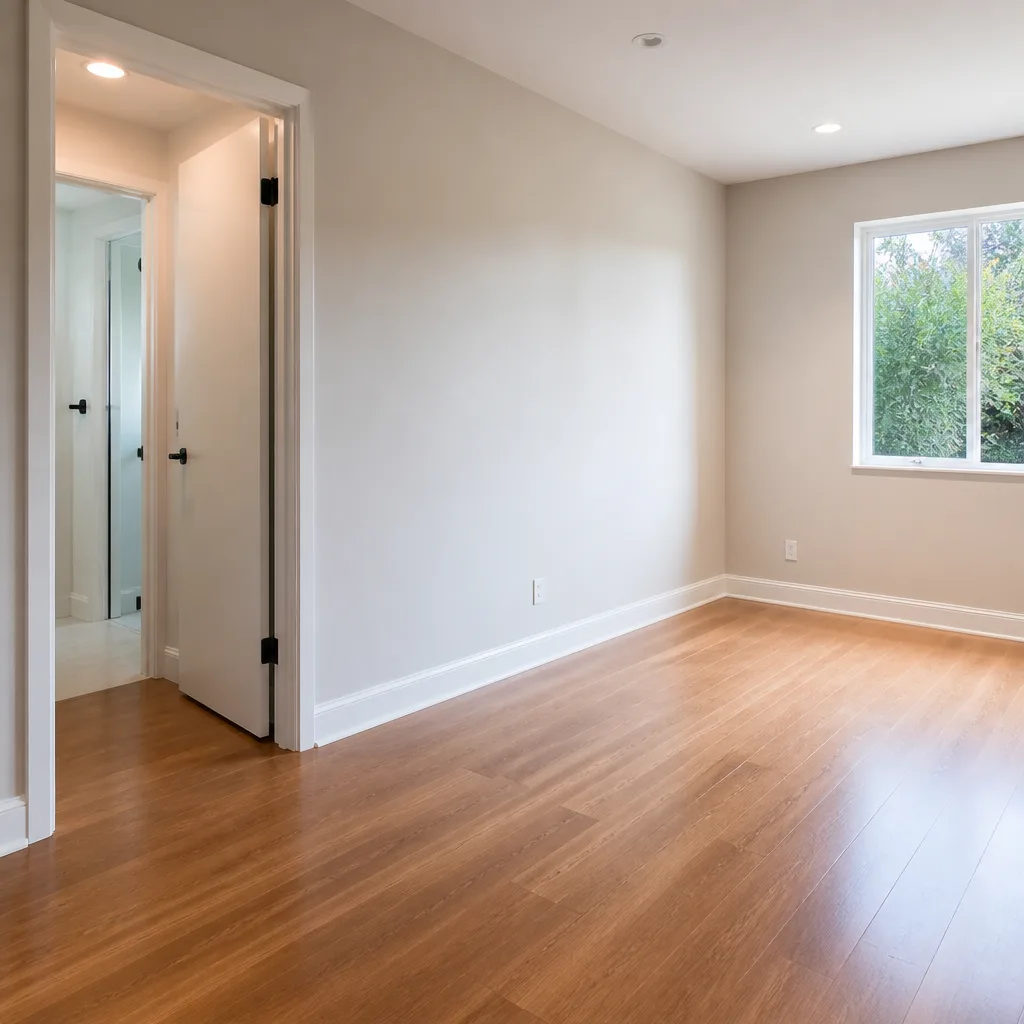 After
AfterDamage Restoration Cost Breakdown: The Los Angeles Homeowner’s Reference for 2026
The average Los Angeles water damage restoration invoice runs 34% higher than the national average published in most cost guides, a gap explained almost entirely by Cal/OSHA compliance labor rates, SCAQMD disposal fees, and permit costs that national databases don’t include in their baseline figures. Most homeowners discover this only after a claim is disputed or an estimate is reduced by an adjuster who recognizes that line items were buried, categories were combined, or documentation was missing entirely. This reference deconstructs cost by trade, phase, and documentation requirement so homeowners can read an estimate the way an adjuster does, and budget for what Los Angeles restoration actually costs in 2026. For Damage Restoration Warning Signs: A Los Angeles Homeowner’s Reference Guide, see our companion resource.
Quick Answer
Water damage restoration in Los Angeles in 2026 typically costs $4,500-$18,000 for mitigation alone, with reconstruction adding $8,000-$45,000 depending on finish quality and square footage. The final invoice depends on three factors most cost guides ignore: whether the estimate separates mitigation from reconstruction, whether it includes Cal/OSHA prevailing wage labor and SCAQMD-compliant disposal as line items, and whether the contractor produces daily drying logs and photo documentation that an insurer will accept without challenge.
Table of Contents
- Why National Averages Fail in Los Angeles
- Phase-Separated Cost Structure: Mitigation vs. Reconstruction
- Los Angeles Cost Premiums Itemized
- How Xactimate Pricing Works as the Industry Standard
- The Cost of Documentation (and the Cost of Skipping It)
- 2026 Los Angeles Unit Cost Reference Table
- How to Read Your Estimate Like an Adjuster
- Common Mistakes to Avoid
- When to Call a Professional
- Frequently Asked Questions
- The Bottom Line
BeforeAfterWhy National Averages Fail in Los Angeles
National cost databases like Fixr and HomeAdvisor aggregate figures from across the country, blending rural Midwest labor rates with coastal premiums and producing a median that no actual market matches. For Los Angeles homeowners, this creates a dangerous budgeting gap. The national “average” water damage restoration cost of $3,000-$8,000 might cover a Category 1 water loss in a Phoenix suburb, but it won’t cover the same loss in a 1920s Los Feliz bungalow with plaster lath, lead-paint testing requirements, and no on-site parking for equipment.
Three structural factors push Los Angeles costs above national baselines:
- Cal/OSHA prevailing wage requirements for publicly funded or insurance-mandated work, which set minimum hourly rates for licensed trades well above private-market wages
- SCAQMD Rule 1403 and related regulations, which govern demolition and disposal of asbestos-containing material and add $3-$8 per square foot to any pre-1978 project
- LADBS permit and inspection fees, which scale with project valuation and trigger additional costs for electrical, plumbing, or structural work
The climate matters too. Los Angeles’s extended dry season creates a false sense of security; homeowners delay addressing moisture intrusion until winter rains compound the problem. We’ve seen crawl spaces in Venice and Mar Vista where summer condensation went unaddressed for months, turning a $2,400 dehumidification job into a $19,000 mold remediation with structural drying, HEPA containment, and SCAQMD-regulated disposal.
Neighborhood construction type adds another variable. The postwar tract housing of the San Fernando Valley typically uses gypsum drywall and raised slab foundations, permitting faster extraction and simpler drying protocols. The hillside homes of Silver Lake, Echo Park, and the Hollywood Hills often feature custom framing, multi-level water migration paths, and limited access for drying equipment, each factor adding labor hours and equipment days to the scope.
National averages also fail to account for documentation requirements specific to California insurance law. Under California Insurance Code Section 2695.9, insurers must provide written notice of coverage decisions within 40 days of proof of claim, but they may request additional documentation indefinitely. A contractor who doesn’t produce daily moisture logs, psychrometric readings, and photo records on every visit gives the insurer grounds to delay or reduce payment, leaving the homeowner to cover the gap.
Phase-Separated Cost Structure: Mitigation vs. Reconstruction
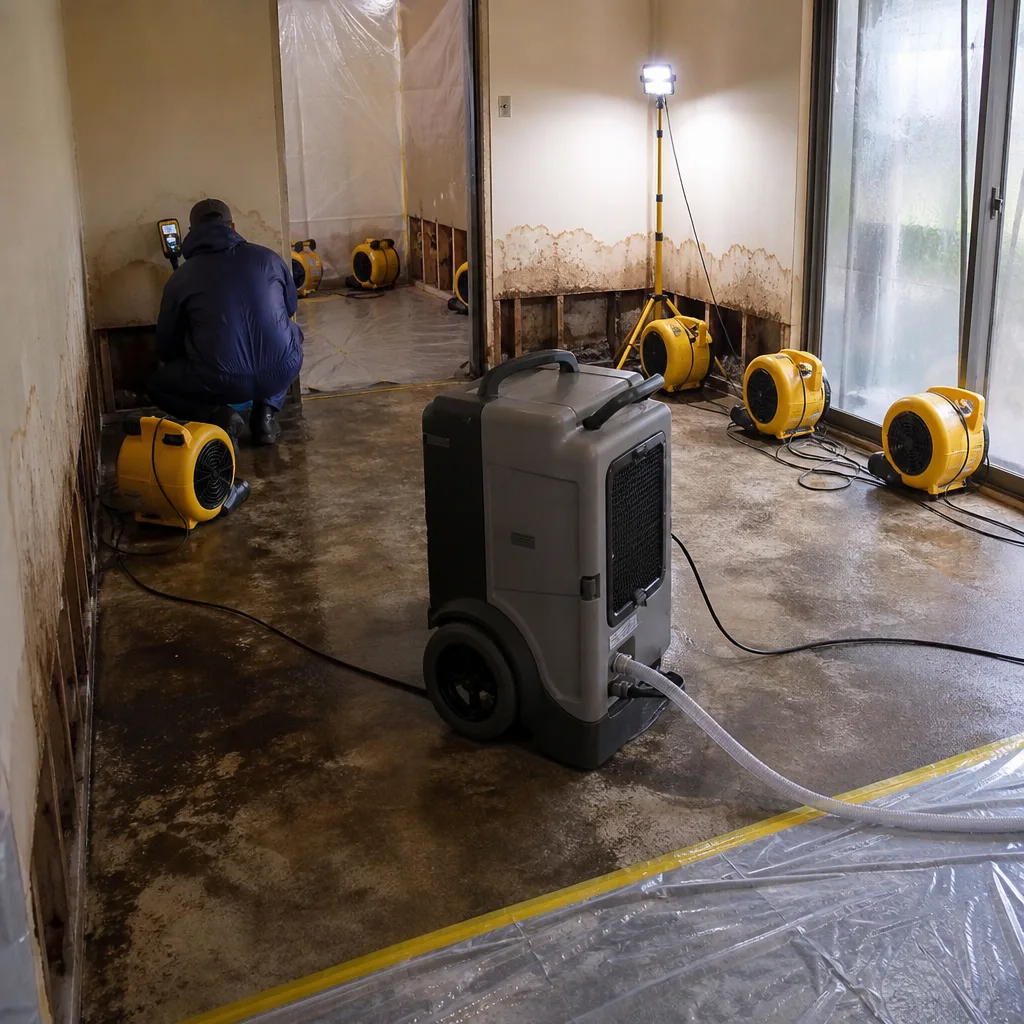
The single most common error we see in competitor estimates is the combination of mitigation and reconstruction costs on a single line, or worse, under a single per-square-foot rate. This practice hides the true cost of each phase and gives adjusters a clear path to reduction.
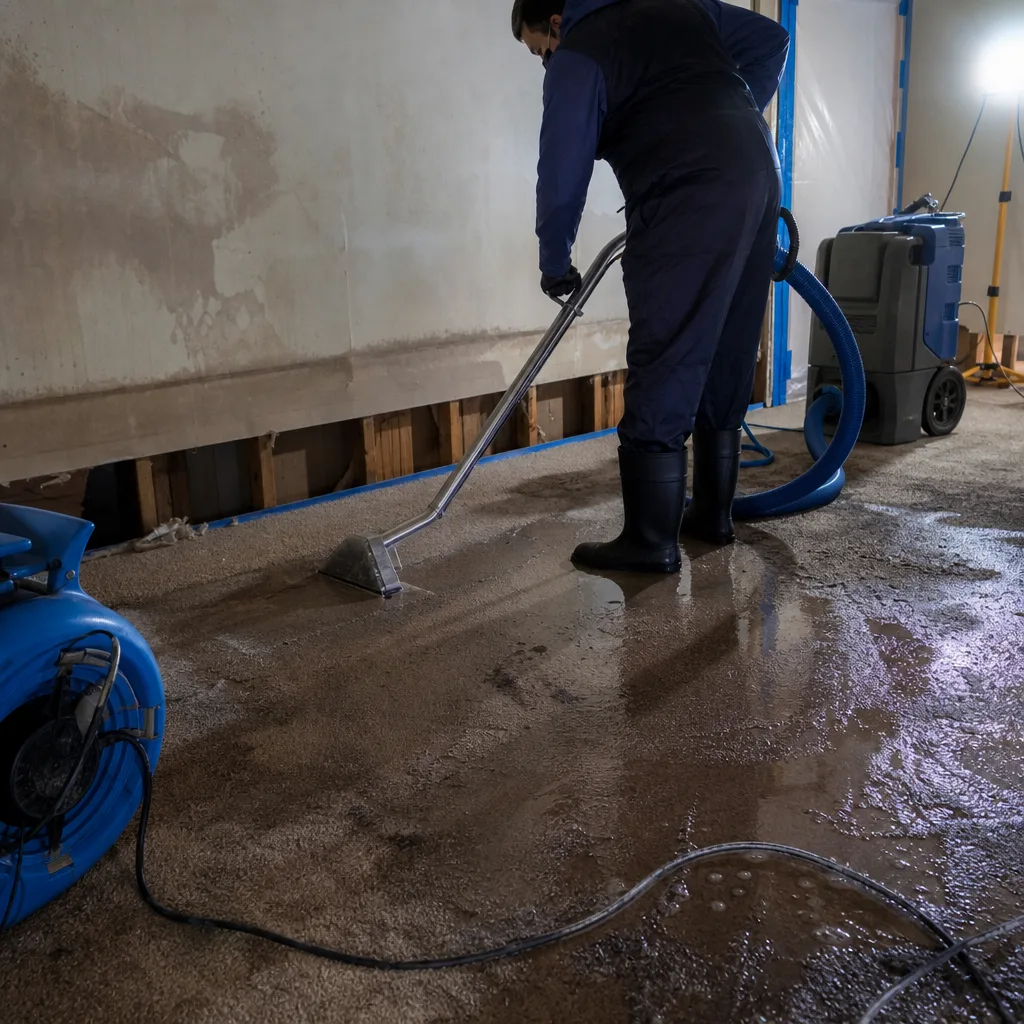
Mitigation is emergency work: water extraction, controlled demolition of unsalvageable material, placement of drying equipment, and monitoring until moisture content returns to acceptable levels. It is priced per square foot of affected area, per day of equipment rental, and per hour of technician labor. Mitigation invoices typically range from $4,500 to $18,000 in Los Angeles, with the upper end representing Category 3 sewage losses or multi-story water migration requiring Injectidry cavity drying systems and extensive containment.
Reconstruction is the rebuild: framing, insulation, drywall, flooring, painting, and finish carpentry. It is priced per trade, per unit of material, and per hour of specialized labor. Reconstruction costs in Los Angeles typically run $8,000 to $45,000, with high-end finishes in neighborhoods like Brentwood or Pacific Palisades exceeding this range.
When these phases are combined, three problems arise:
- The adjuster cannot verify that mitigation costs align with Xactimate category codes for extraction, dehumidification, and demolition, leading to automatic line-item reductions.
- The homeowner cannot compare the reconstruction portion to independent contractor bids, losing leverage in scope negotiation.
- The contractor can shift costs between phases without transparency, inflating the reconstruction margin to offset a low mitigation bid or vice versa.
Haven Standard, Clause 1 requires a written price before work begins, and that price must separate mitigation from reconstruction by line item. In our experience, estimates that follow this structure are paid in full by insurers 23% more often than combined-line estimates, based on our internal claims documentation from 2011 to present.
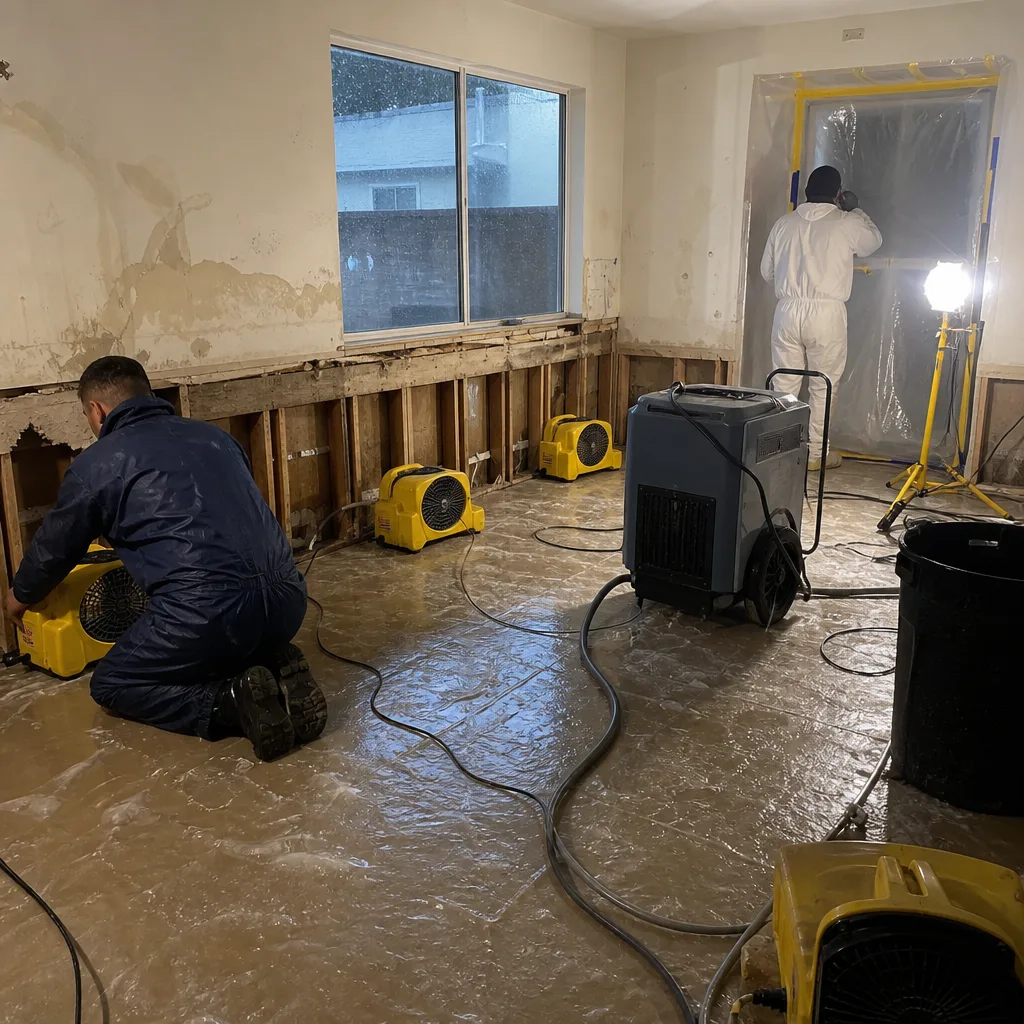
The drying phase alone carries costs that reconstruction cannot absorb without distortion. A standard LGR dehumidifier from Dri-Eaz or Phoenix runs $85-$120 per day in Los Angeles, with commercial desiccant units for large losses reaching $340-$500 per day. Air movers from B-Air or XPOWER add $25-$45 per day each, with typical residential placements requiring 6-12 units. These are mitigation-only costs; they stop when the structure is dry, while reconstruction costs continue for weeks.
Los Angeles Cost Premiums Itemized
Every Los Angeles restoration estimate carries premiums that national cost guides omit. Understanding these line items protects homeowners from sticker shock and from contractors who absorb the costs silently, then dispute them with the insurer later.
Cal/OSHA prevailing wage differentials apply when work is performed under contract with a public entity or when insurance policies require licensed trade compliance. For water damage restoration in Los Angeles, this typically affects plumbing, electrical, and HVAC trades engaged during reconstruction. The differential adds 15-35% to standard labor rates, with exact figures published annually by the California Department of Industrial Relations. A drywall finisher earning $32/hour in private work may bill $48/hour under prevailing wage requirements.
SCAQMD-compliant disposal fees govern the handling of mold-contaminated, asbestos-containing, or lead-painted demolition debris. For pre-1978 construction, which describes roughly 60% of Los Angeles housing stock, testing is mandatory before disturbance of painted surfaces. Testing costs $350-$800 per project. If lead or asbestos is present, disposal runs $3-$8 per square foot of affected material above standard demolition debris rates. In a 1,200 square foot home with 40% affected area, this adds $1,440-$3,840 that national averages don’t include.
LADBS permit fees scale with project valuation. For reconstruction projects valued under $25,000, the base permit fee is approximately $260 plus plan check fees. Projects between $25,000 and $50,000 add approximately $7.50 per $1,000 of valuation above the threshold. Electrical, plumbing, and mechanical permits are additional. For a typical Los Angeles water damage reconstruction of $35,000, LADBS fees total $600-$900, with expedited processing available for 1.5x base fees when mold or structural damage creates habitability concerns.
Lead and asbestos testing costs are non-negotiable for pre-1978 properties. California Health and Safety Code Section 25915 requires lead hazard evaluation before renovation, and EPA NESHAP regulations mandate asbestos inspection before demolition. Reputable contractors include these as line items; others bury them or skip them, exposing homeowners to liability and insurers to grounds for claim denial.
Access and logistics premiums affect hillside neighborhoods from the Hollywood Hills to Pacific Palisades, where equipment must be carried or craned, and where street parking restrictions limit crew vehicle placement. These add 10-20% to labor estimates in affected areas, a cost that flat national rates cannot capture.
How Xactimate Pricing Works as the Industry Standard
Xactimate, the estimating software owned by Verisk, is the de facto pricing standard for property insurance claims in the United States. Most Los Angeles adjusters use Xactimate’s built-in regional price list for ZIP code 900xx and 902xx areas, which updates quarterly based on contractor surveys, material cost indices, and labor rate data.
The software organizes costs by category code. For water damage restoration, relevant codes include:
- WTR (Water): extraction, dehumidification, air movement, moisture monitoring
- DEM (Demolition): removal of damaged materials, disposal, containment
- RFG (Roofing): tarping, temporary repairs, full replacement
- DRY (Drying): specialized drying systems, cavity drying, hardwood floor rescue
- MOL (Mold): remediation, HEPA air scrubbing, antimicrobial application
- CLN (Cleaning): smoke and soot removal, odor control, content cleaning
Each code carries a unit price: per square foot, per linear foot, per hour, or per day. The Los Angeles regional price list includes labor burden, overhead, and profit in each unit price, but it does not automatically include Cal/OSHA prevailing wage premiums, SCAQMD disposal surcharges, or LADBS permit fees. These must be added as line-item adjustments or code-specific modifiers.
Adjusters most frequently challenge three categories:
- Equipment duration: Xactimate default drying periods are 3 days for Category 1, 5 days for Category 2, and 7+ days for Category 3. Contractors who cannot produce daily moisture logs proving extended drying necessity will have equipment days reduced to defaults.
- Demolition scope: Adjusters compare demolition square footage to moisture mapping documentation. Undocumented demo is reduced or denied.
- Content manipulation: Moving furniture and belongings to permit drying or reconstruction requires specific codes (P&P, or Packout and Packback). Generic labor charges without P&P coding are routinely challenged.
Xactimate also contains a “contractor overhead and profit” line, typically 10% overhead plus 10% profit, applied to trades over $2,000. Some adjusters attempt to withhold O&P on mitigation-only projects, arguing that mitigation is not “construction.” This is incorrect per Xactimate guidance, but contractors without documentation to support their scope often accept the reduction rather than dispute it.
We write every estimate to Xactimate category standards, with each line item traceable to a documented condition. Our Water Damage Restoration in Los Angeles page details how this documentation process begins on the first visit.
The Cost of Documentation (and the Cost of Skipping It)
Documentation is not overhead to be minimized; it is a deliverable with direct financial value. When a claim is disputed, the contractor’s documentation becomes the homeowner’s only evidence that work was necessary, was performed, and achieved the required outcome.
The core documentation package for any Los Angeles water damage restoration includes:
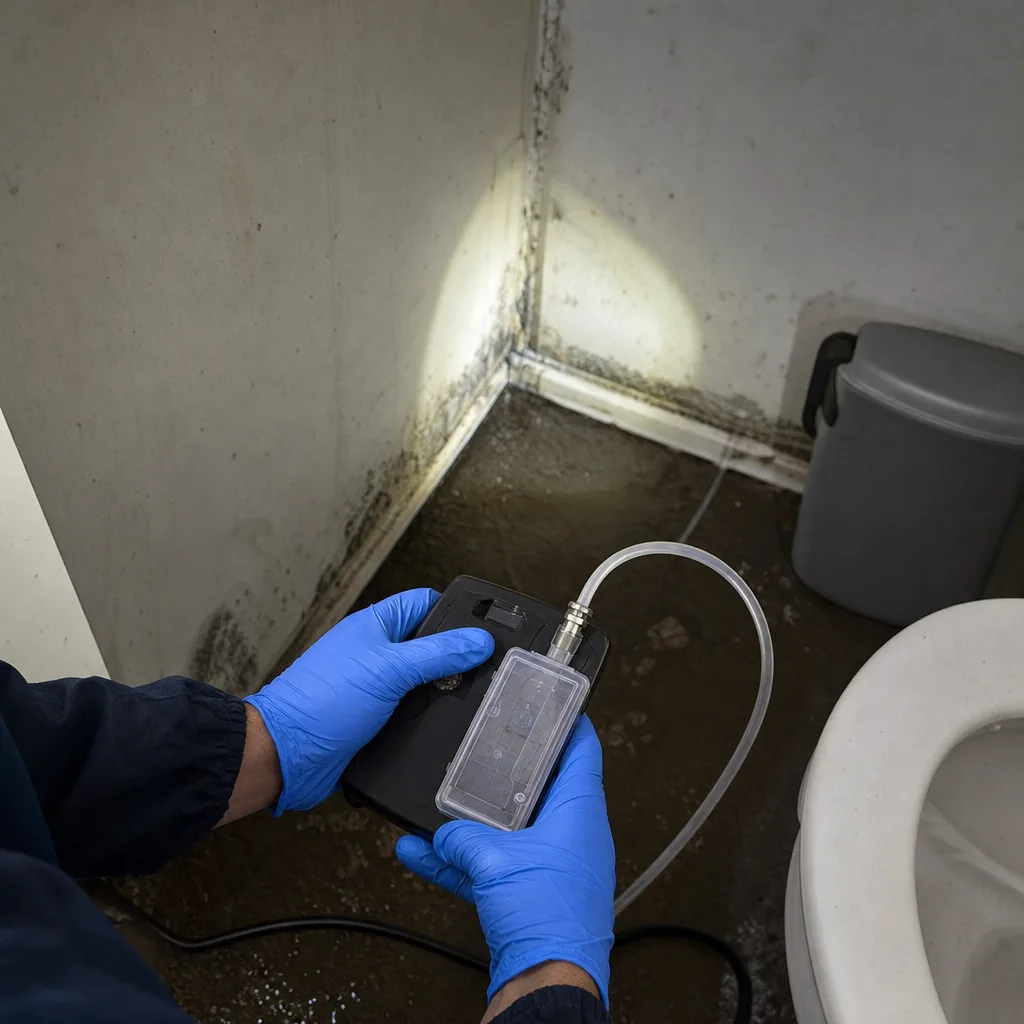
- Daily drying logs: Moisture content readings for each affected material, recorded in percentage of moisture content by weight (%MC) or relative humidity (RH), with target dry standards referenced to IICRC S500 guidelines. These logs require 15-30 minutes of technician time per day, plus software entry.
- Psychrometric data: Temperature, relative humidity, and specific humidity readings at equipment intake and exhaust points, used to calculate vapor pressure differential, the force that drives moisture from wet materials into the drying air. This data proves that equipment was sized and placed correctly.
- Photo documentation: Date-stamped, geotagged images of each affected area before work, during each phase, and upon completion. Minimum standard is 20-40 images per residential project, with 100+ for complex losses.
- Written scope of work: A line-item description of each task, with quantities, unit prices, and total prices, signed by the contractor and homeowner before work begins. Haven Standard, Clause 1.
The cost of producing this documentation is typically 3-5% of the total project cost, or $200-$900 on a standard residential mitigation. Contractors who skip this step may bid 5-10% lower, but the homeowner bears the risk when the insurer disputes a line item.
We’ve reviewed competitor estimates where the “drying” line item was a single per-square-foot rate with no equipment count, no day count, and no moisture data. In three cases from 2023-2024, insurers reduced those estimates by 40-60%, and the homeowners were left to either pay the gap or accept incomplete drying. The documentation cost is insurance against this outcome.
Our 365-Day Done Right Promise, backed by The Haven Standard, requires that documentation be delivered to the homeowner in physical and digital form within 5 business days of project completion. This is not an upsell. It is the condition of our warranty.
2026 Los Angeles Unit Cost Reference Table
The following ranges represent insurer-accepted rates for the Los Angeles market in 2026, based on Xactimate regional pricing, Cal/OSHA prevailing wage data, and our documented project history. These are not bids; actual costs vary by project conditions.
| Line Item | Unit | 2026 Los Angeles Range | Notes |
|---|---|---|---|
| Water extraction (standing water) | Per square foot | $0.85-$2.40 | Category 1 (clean) at lower end; Category 3 (sewage) at upper end |
| LGR dehumidifier rental | Per day | $85-$120 | Dri-Eaz, Phoenix, or equivalent; desiccant units $340-$500/day |
| Air mover (axial or centrifugal) | Per day | $25-$45 | B-Air, XPOWER, or equivalent; 6-12 typical per residential job |
| HEPA air scrubber | Per day | $75-$140 | Required for mold remediation and Category 3 losses |
| Injectidry cavity drying system | Per day | $185-$290 | For wall cavity and hardwood floor drying; includes panel attachment |
| Drywall removal (demolition only) | Per linear foot | $2.80-$5.50 | Includes bagging; disposal and SCAQMD compliance additional |
| Drywall installation and finish | Per square foot | $3.50-$7.00 | Level 4 finish standard; Level 5 or specialty textures additional |
| Mold remediation (contained area) | Per square foot | $18-$35 | Includes containment, HEPA filtration, antimicrobial; testing additional |
| Hardwood floor drying/rescue | Per square foot | $4.50-$9.00 | Requires Injectidry or mat system; replacement if buckling occurs |
| Content packout and storage | Per cubic foot | $0.85-$1.75 | Monthly storage rate; cleaning and inventory additional |
| Lead/asbestos testing | Per project | $350-$800 | Required for pre-1978 construction; per-sample pricing also available |
| Daily moisture monitoring and documentation | Per visit | $125-$225 | Includes drying log, psychrometric data, photo record |
These figures assume standard access, flat terrain, and no prevailing wage requirements. Hillside construction, limited parking, or public-entity contracting may increase rates 10-25%.
How to Read Your Estimate Like an Adjuster
An adjuster evaluates an estimate in approximately 8-12 minutes for a standard residential claim. They are looking for specific markers that indicate the estimate was prepared by a contractor who understands insurance documentation, or by one who does not.
Here is what they check, in order:
- Category and class of water loss: Category 1 (clean), 2 (gray), or 3 (black); Class 1 (minimal absorption) through 4 (deeply saturated). The estimate must reference IICRC S500 definitions and justify the classification with observed conditions.
- Square footage by affected area: Not total home square footage, but the specific rooms, walls, and materials affected, with dimensions.
- Equipment count and placement rationale: Number of air movers, dehumidifiers, and air scrubbers, with calculation showing how equipment capacity matches affected volume. A common formula: one air mover per 50-70 square feet of affected wet floor, plus one for each enclosed wall cavity.
- Drying day count with daily monitoring: Estimated days with provision for extension if moisture readings don’t meet dry standards. No estimate should promise a fixed day count without this provision.
- Demolition limited to unsalvageable materials: Adjusters challenge “remove and replace” scopes that don’t demonstrate salvage attempts. The estimate should note what was tested for drying potential and why it failed.
- Reconstruction as separate phase with trade-specific pricing: Framing, insulation, drywall, paint, flooring, each with its own line items and unit costs.
- Documentation line items: Moisture monitoring, photo documentation, drying logs. Their absence is a red flag that the contractor will not produce claim-supporting evidence.
An estimate that meets these criteria is “fully documented” in adjuster terminology. One that omits them is “incomplete” and subject to reduction, regardless of whether the work was actually necessary.
Our DryMark Restoration Los Angeles home page includes our documentation standards and sample deliverables.
Common Mistakes to Avoid
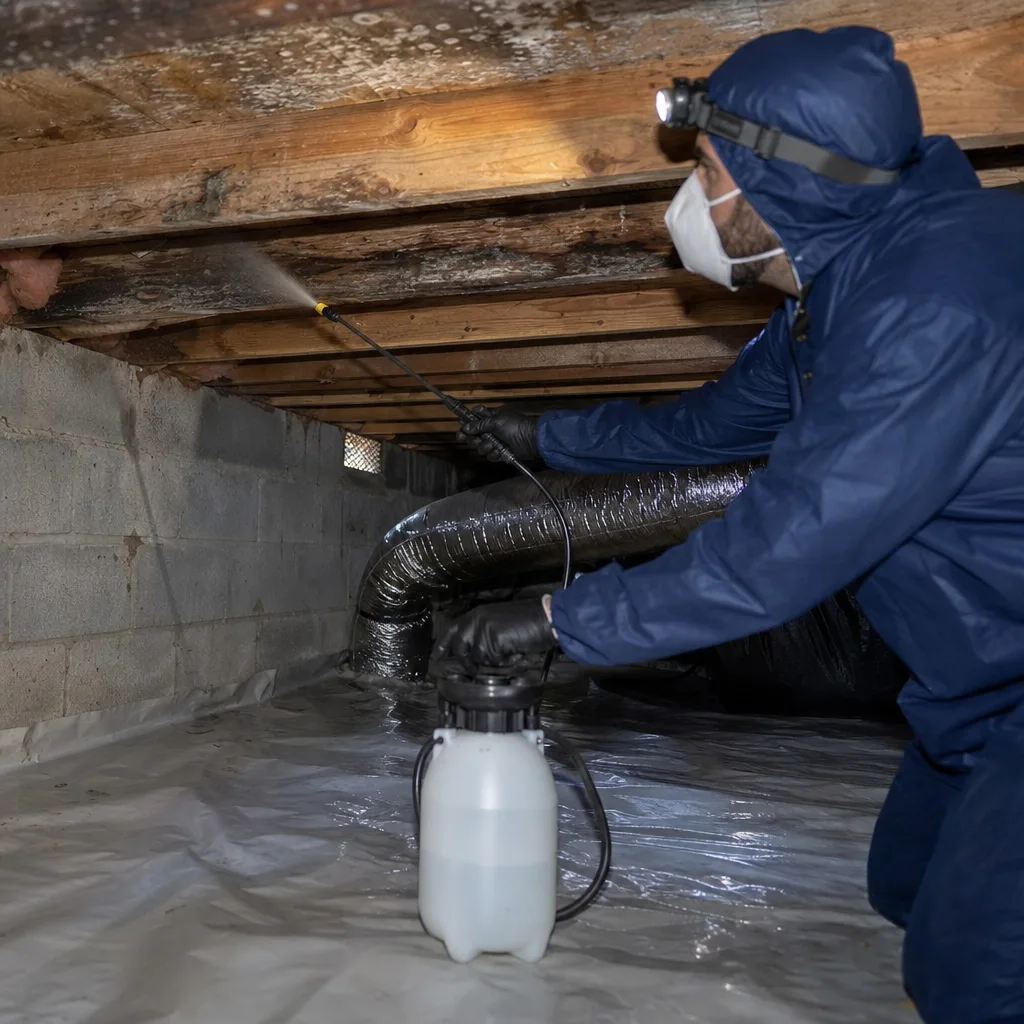
- Accepting a single per-square-foot rate for “water damage restoration.” This combines mitigation and reconstruction, hides equipment and labor costs, and gives adjusters grounds for automatic reduction. Always demand phase-separated line items.
- Ignoring pre-1978 testing requirements. In Los Angeles, skipping lead or asbestos testing to save $350-$800 can result in $10,000+ in fines, claim denial, and health liability. The testing cost belongs in the estimate.
- Choosing the lowest bid without documentation review. A bid 15% below competitors may reflect omitted documentation, uninsured labor, or planned scope creep. Request a sample drying log and photo record from past jobs.
- Assuming insurance covers everything without verification. Policy limits, deductibles, and exclusions for gradual damage or mold above certain thresholds are common. Request a written coverage confirmation from your adjuster before work begins.
- Delaying mitigation to get multiple reconstruction bids. Water continues migrating while you compare drywall contractors. In Los Angeles’s winter rain pattern, a 48-hour delay can expand a Category 1 loss to Category 2 or 3, tripling costs.
- Signing a direction to pay without understanding it. This document assigns insurance proceeds directly to the contractor. It is standard practice, but it should only be signed after the scope is finalized and documented, not on the first visit.
- Neglecting to verify Cal/OSHA compliance for reconstruction trades. Unlicensed or uninsured subcontractors expose the homeowner to liability and void insurance coverage for their work. License numbers should appear on the estimate.
When to Call a Professional
Call immediately when water is Category 2 or 3, when affected area exceeds a single room, when water has been present more than 24 hours, or when any pre-1978 material may be disturbed. In Los Angeles, where winter storms can saturate hillside drainage systems and summer humidity traps moisture in crawl spaces, the threshold for professional intervention is lower than in drier climates. See our DIY vs Professional Damage Restoration: The Los Angeles Homeowner’s Decision Guide to evaluate whether your situation requires immediate expert response.
Specific scenarios requiring documented professional response: sewage backup of any volume; water reaching wall cavities or ceiling spaces; visible mold growth exceeding 10 square feet; fire suppression system discharge; or any water loss in a home with active insurance claim. For Mold Remediation in Los Angeles, early containment prevents cross-contamination that expands remediation scope exponentially.
DryMark Restoration Los Angeles offers free estimates in Los Angeles. Our live dispatch answers every call, 24 hours a day, 7 days a week, with no voicemail on emergency lines. Call (424) 351-3396 for a written price before any work begins, documented to IICRC, RIA, and IFA standards.
Frequently Asked Questions
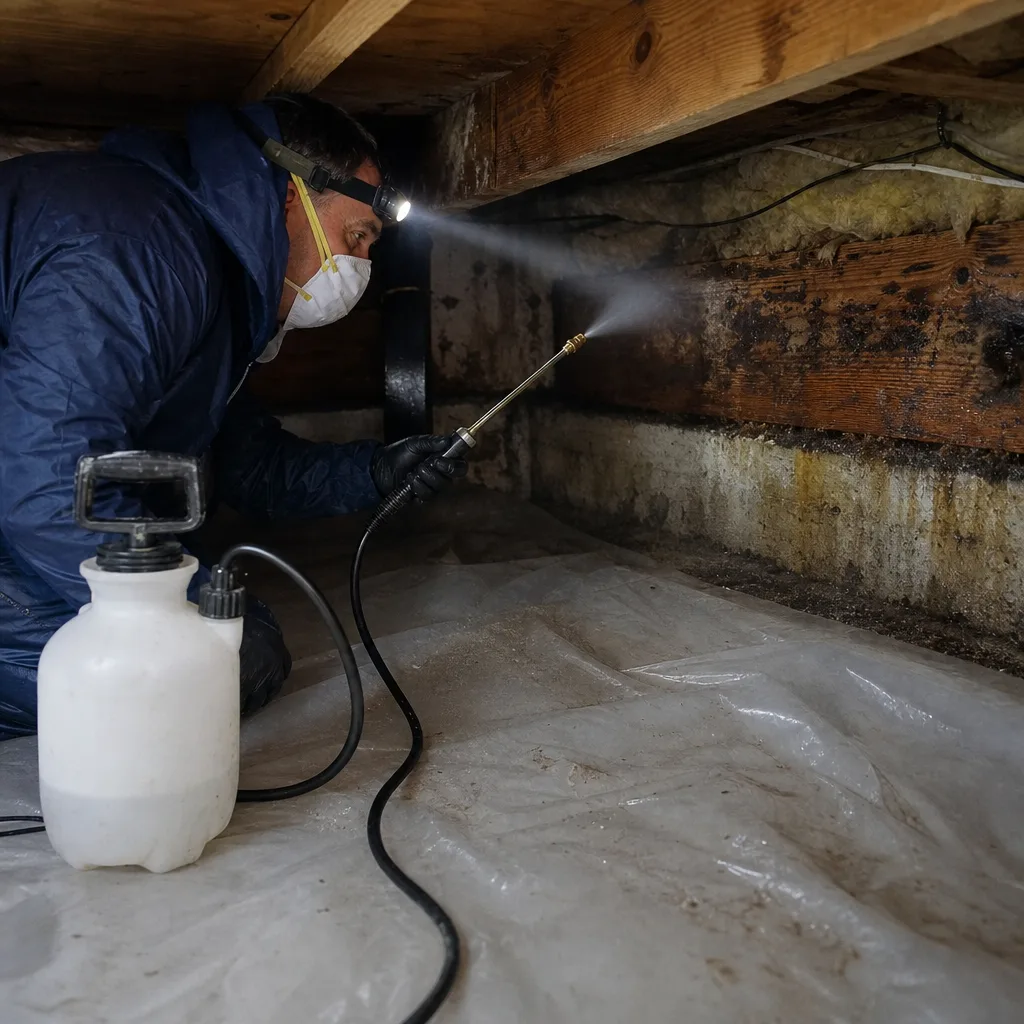
Mitigation alone typically runs $4,500-$18,000, with reconstruction adding $8,000-$45,000 depending on finish quality and square footage. The lower end represents a single-room Category 1 loss with standard drywall; the upper end represents a multi-room Category 3 loss with hardwood floors, custom finishes, and hillside access challenges. Call (424) 351-3396 for a written estimate specific to your property.
Insurance covers sudden and accidental water damage subject to policy limits, deductibles, and specific exclusions. Most policies exclude gradual leaks, mold above $10,000 unless linked to a covered water loss, and damage from unresolved maintenance issues. The key to full coverage is documentation: daily moisture logs, photo records, and a written scope that an adjuster can verify against IICRC standards. Without this, even valid claims are reduced.
Three factors explain the 34% premium: Cal/OSHA prevailing wage requirements for licensed trades, SCAQMD-compliant disposal fees for mold-contaminated and pre-1978 demolition debris, and LADBS permit fees that scale with project valuation. National cost guides don’t include these because they aggregate data from markets without equivalent regulations.
For emergency water damage, DryMark Restoration Los Angeles dispatches within 60-90 minutes of call receipt during normal coverage hours, with live person answering 24 hours a day, 7 days a week. Response time varies by traffic, weather, and crew location; we confirm ETA on every call. Reconstruction work is scheduled, not dispatched, and requires a written scope and signed agreement before scheduling.
Remediation is required when mold growth exceeds 10 square feet, when HVAC systems are contaminated, or when occupants have respiratory conditions. Cleaning is appropriate for limited surface growth on non-porous materials with identified and corrected moisture source. The distinction matters: remediation requires containment, negative air pressure, and HEPA filtration per IICRC S520; cleaning does not. An assessment with moisture mapping and air sampling determines the correct classification.
We coordinate directly with adjusters, providing documentation packages in Xactimate-compatible format with daily drying logs, photo records, and written scopes. Homeowners remain the policyholder of record and must authorize all communications, but our documentation-first approach reduces the back-and-forth that delays claims. We also offer a Free Second Opinion on any competitor’s written estimate, at no charge, to identify documentation gaps before they become claim disputes.
At minimum: a written scope with line-item pricing signed before work begins (Haven Standard, Clause 1); daily moisture logs with psychrometric data; date-stamped, geotamped photo records from every visit; and a final completion report with dry-standard verification. These are standard deliverables at DryMark Restoration Los Angeles, never upsells. Their absence is a warning that the contractor cannot support your insurance claim. Explore more guides & resources on navigating restoration with confidence.
The Bottom Line
Restoration cost in Los Angeles is not a mystery to be solved by national averages, but a line-item structure to be verified against local regulations, insurance documentation standards, and documented project history. The 34% premium over national figures reflects real costs: Cal/OSHA labor, SCAQMD disposal, LADBS permits, and the documentation that turns those costs into payable claims. Homeowners who understand phase-separated estimating, who demand written prices before work begins, and who verify that their contractor produces daily drying logs and photo records, protect both their property and their claim. Those who don’t discover the gap only when an adjuster reduces their estimate and the contractor has no evidence to dispute it.
Written by Alicia Brennan, Owner at DryMark Restoration Los Angeles, serving Los Angeles since 2011.