
Last updated September 23, 2026
Free visual inspection and a written scope of work before any mitigation begins - photos, moisture readings, and drying logs go in your claim file
The scope we write is the scope we bill. Anything new gets shown to you, in writing, before we touch it.
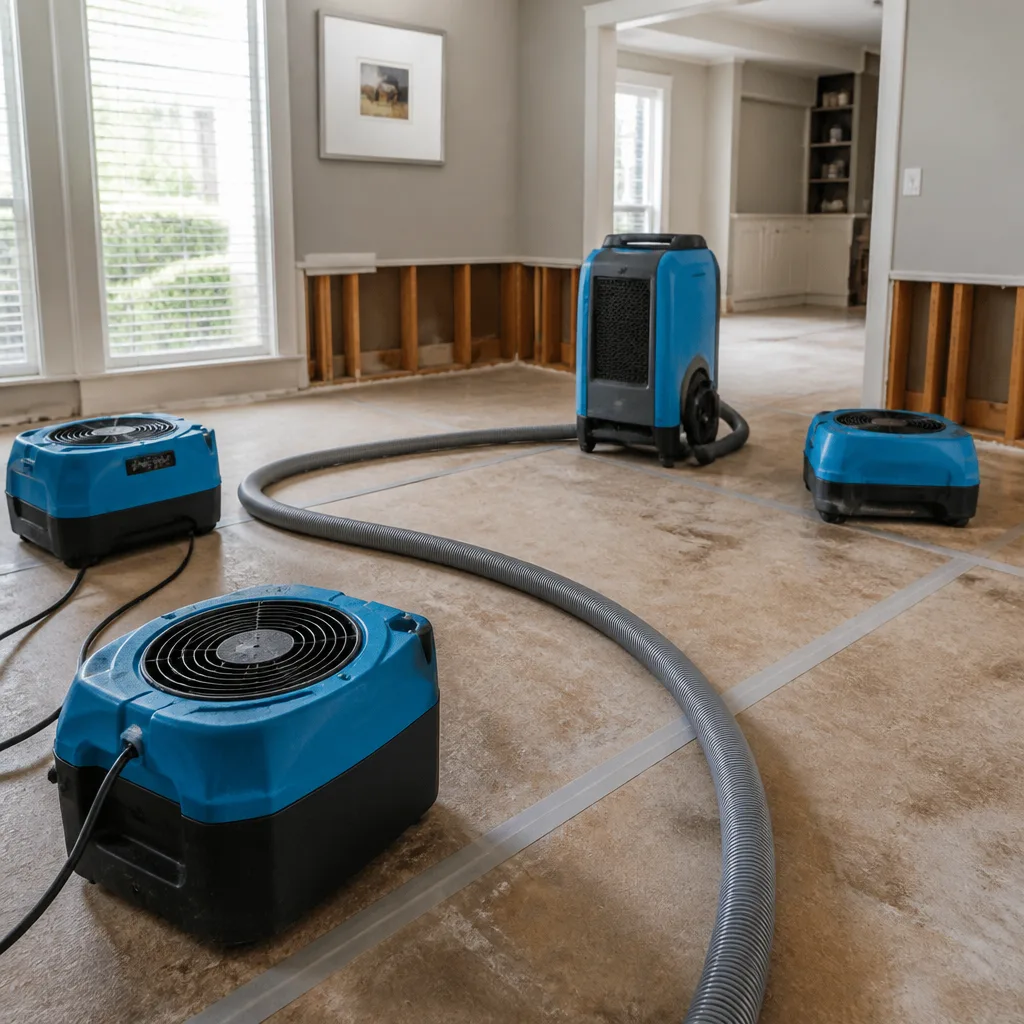
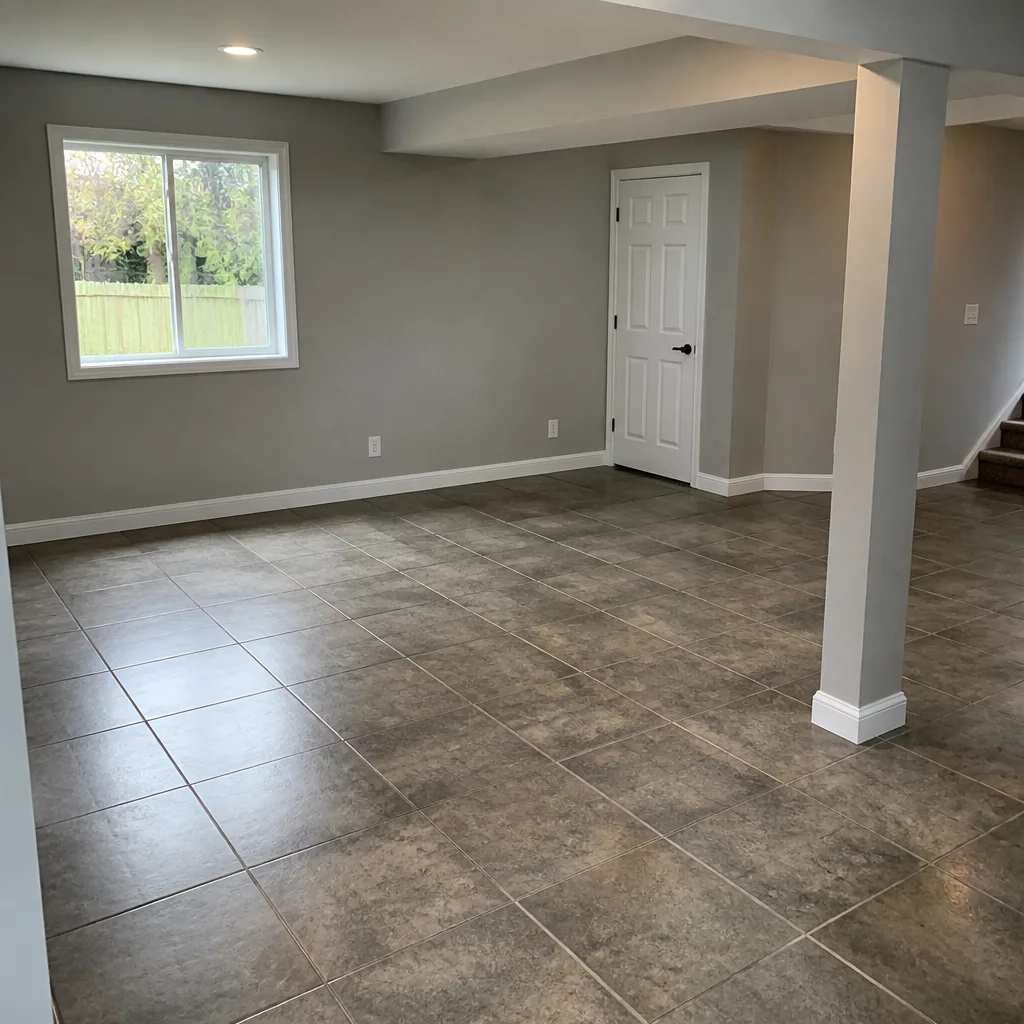
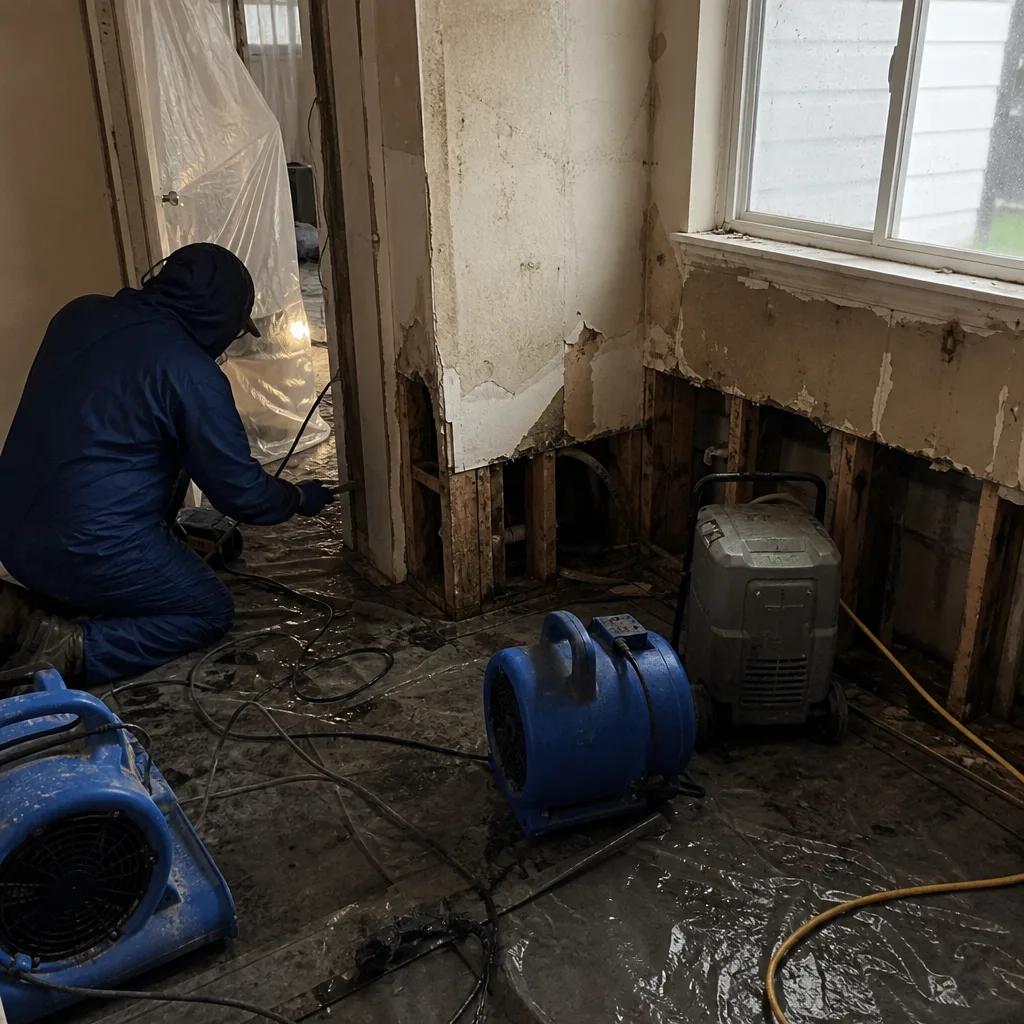 Before
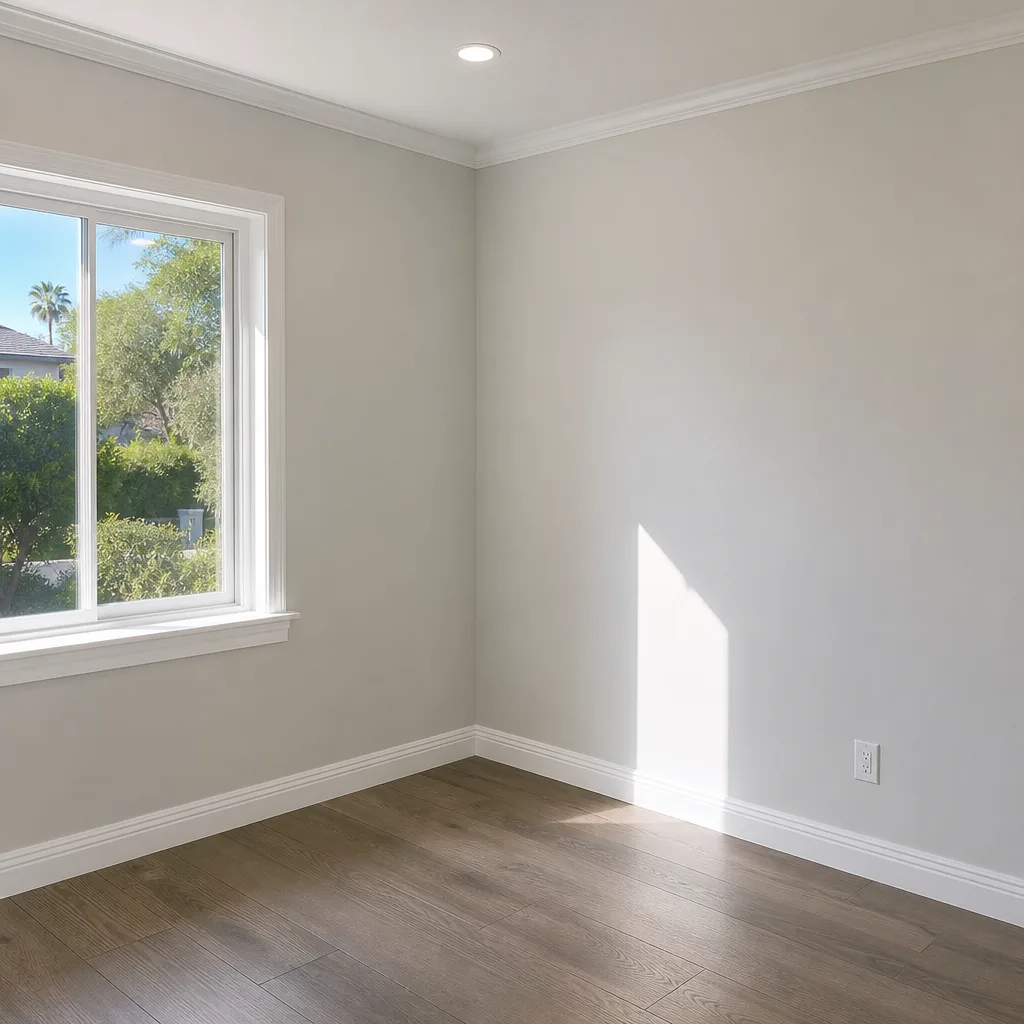 After
After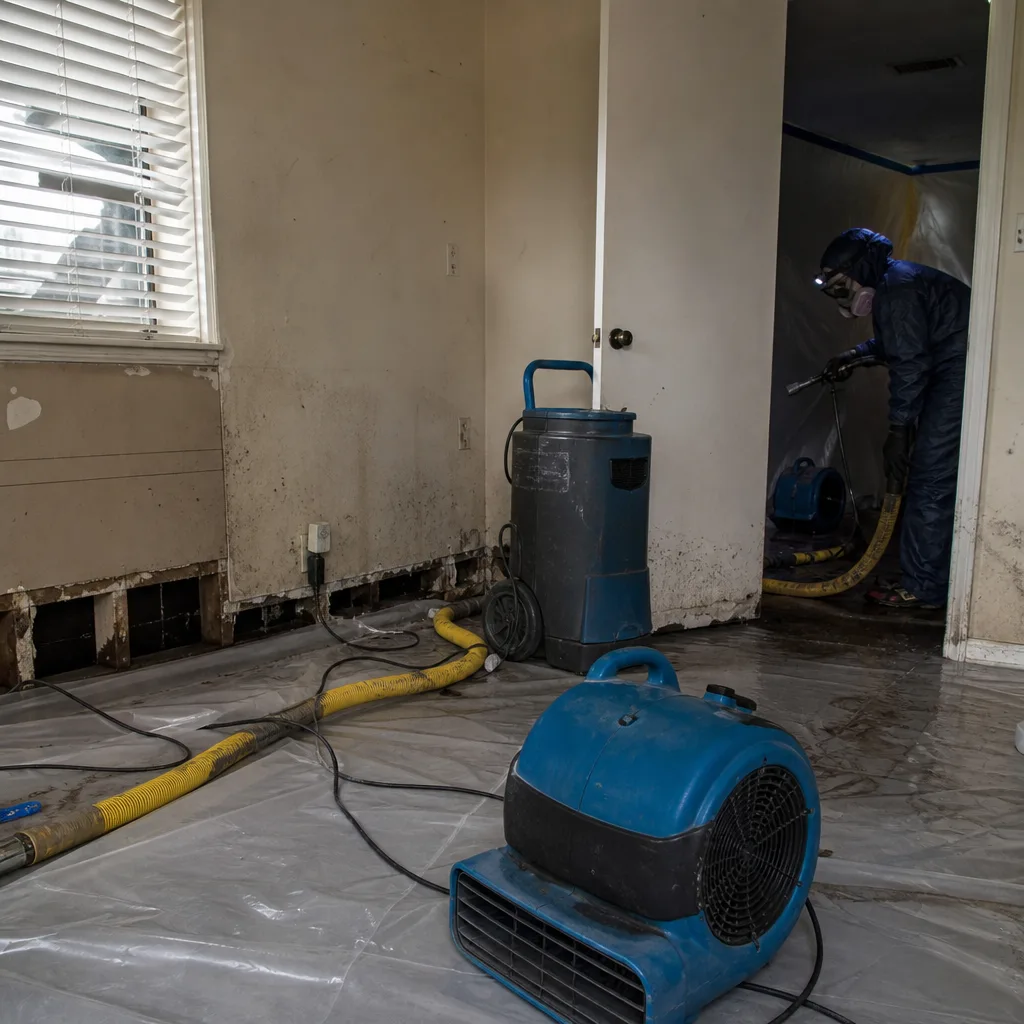 Before
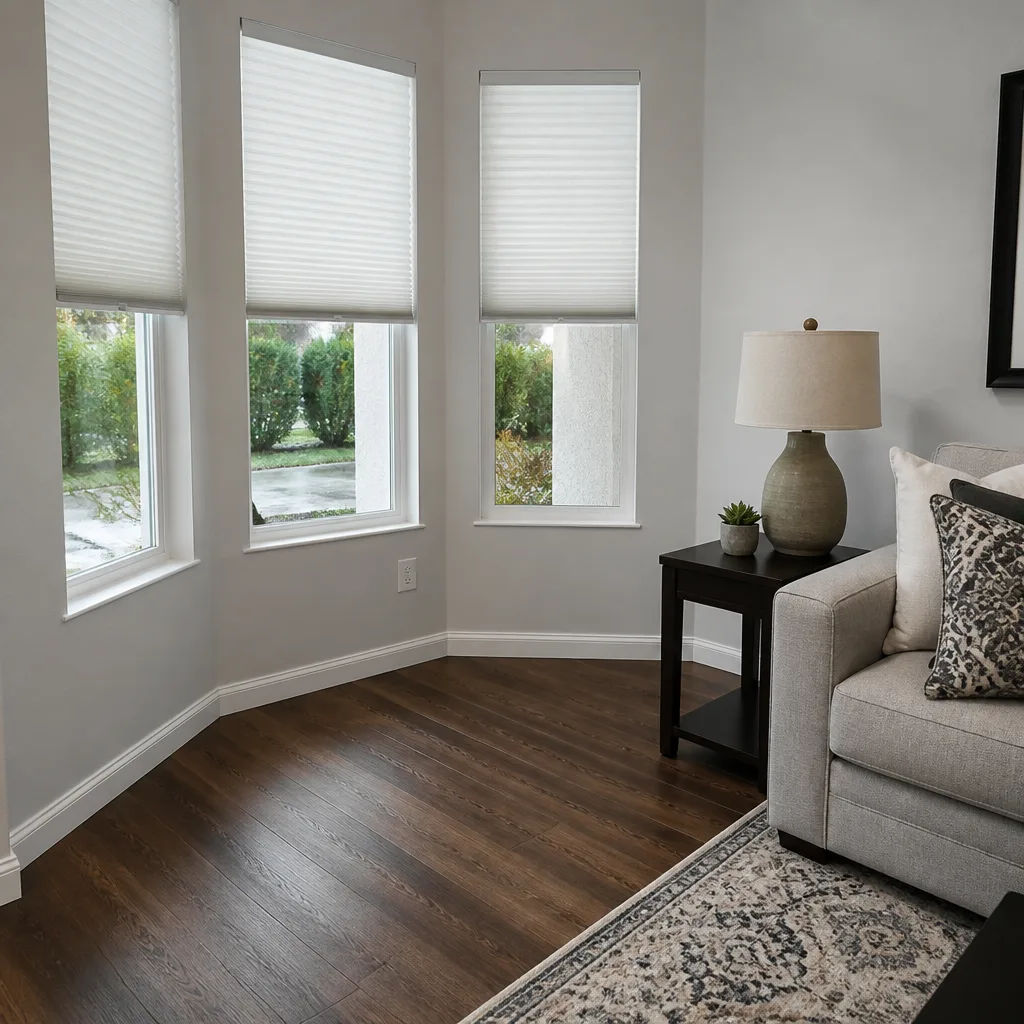 After
After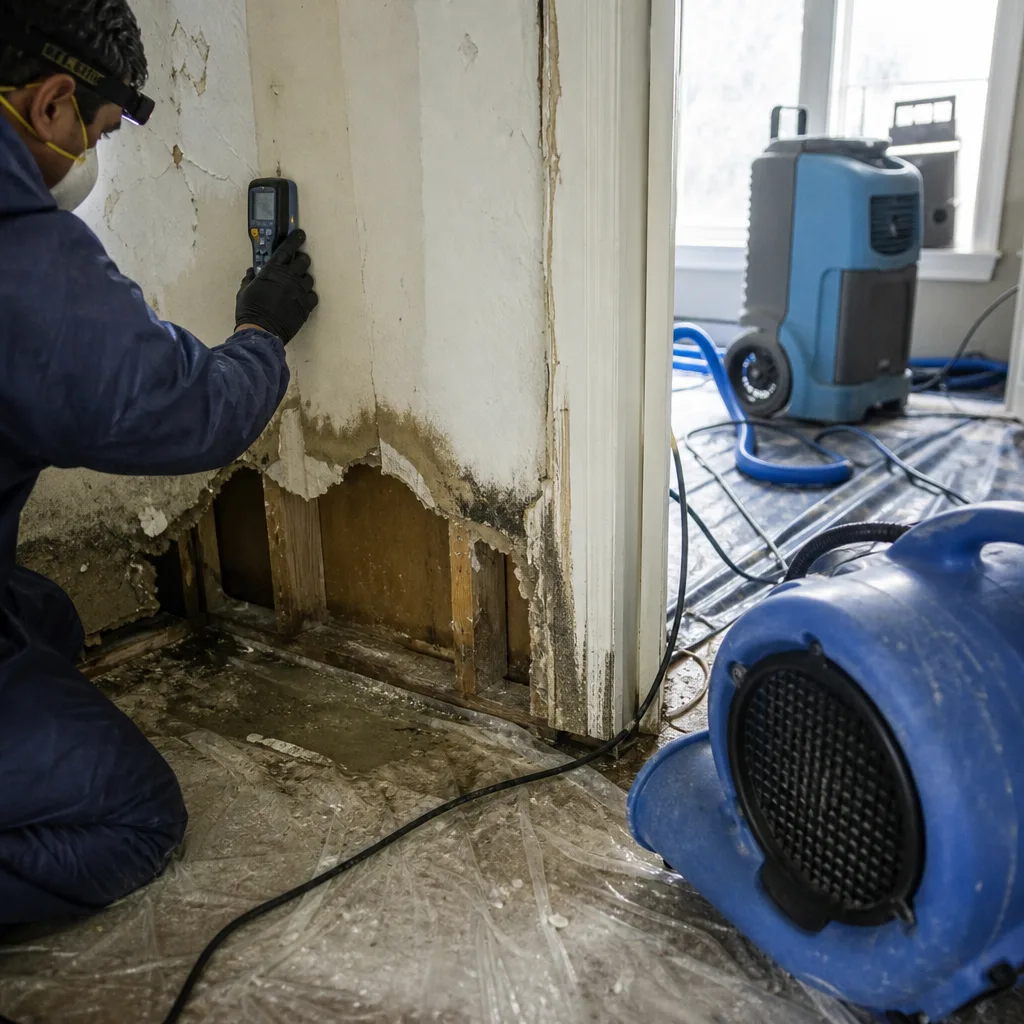 Before
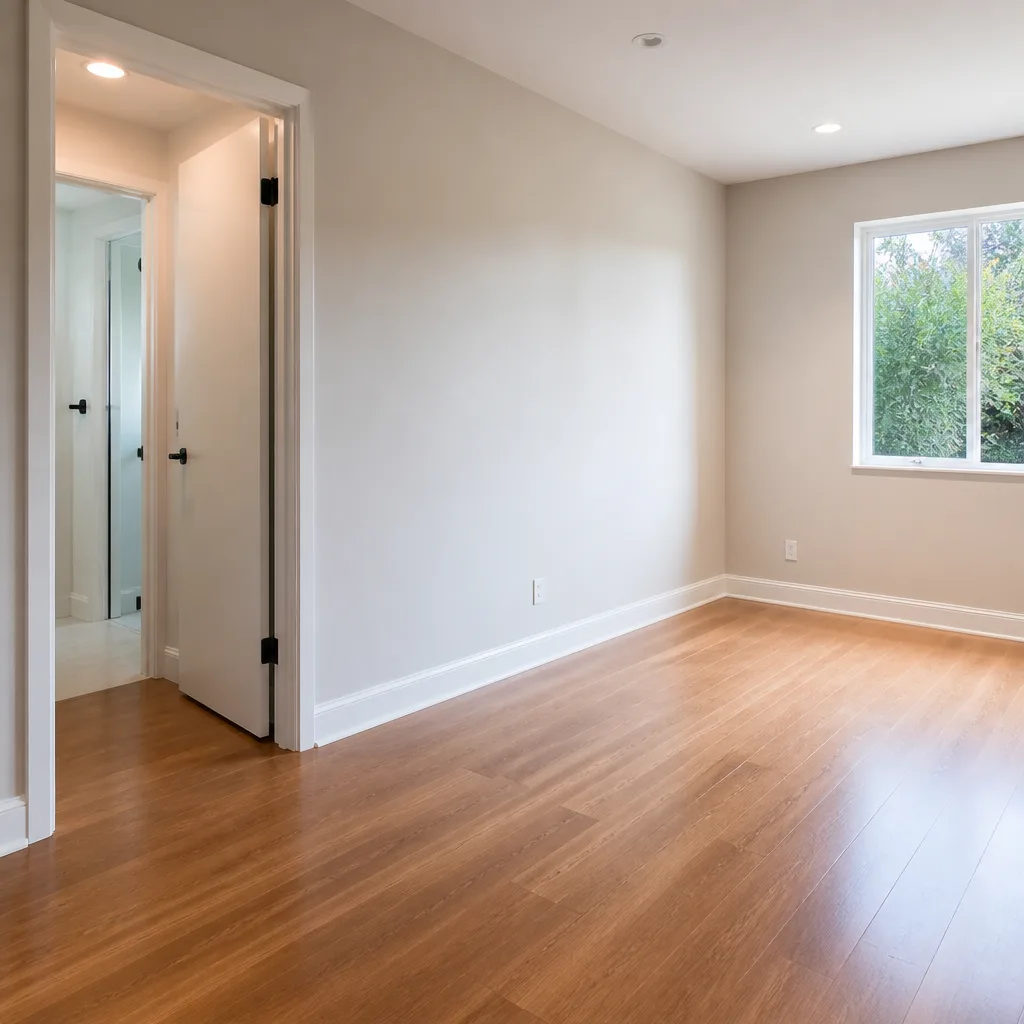 After
AfterDIY vs Professional Damage Restoration: The Los Angeles Homeowner’s Decision Guide
A homeowner in Silver Lake extracts standing water with a wet-dry vacuum, rents four fans from Home Depot, and runs them for three days. Six months later, mold appears behind the stucco. The insurer denies the $34,000 remediation claim because no psychrometric drying records exist to prove the wall cavity ever dried below 19% moisture content. This is not a hypothetical. In our experience reviewing competitor estimates for water damage restoration in Los Angeles, we see this documentation gap in roughly one-third of DIY mitigation attempts that later require professional intervention. This guide explains where California law draws the line between homeowner mitigation and licensed contractor work, what your insurance policy actually requires for proof of loss, and when doing it yourself saves money versus when it creates liability you cannot later undo.
Quick Answer
DIY damage restoration in Los Angeles is legally permissible and financially sensible for minor surface drying under 24 hours, single-room humidity reduction, and contents relocation. For Category 2 or 3 water intrusion, any moisture behind stucco or inside wall cavities, or structural materials reading above 19% moisture content, California contractor licensing law and standard homeowners insurance policies require documented, professional-grade drying to IICRC S500 standards. Without daily temperature, relative humidity, and grains per pound readings, an insurer can legitimately deny secondary damage claims.
Table of Contents
- What California Law Calls Your Duty to Mitigate
- The IICRC S500 Documentation Standard Adjusters Actually Use
- Damage Categories Where DIY Makes Financial Sense
- Where DIY Creates Measurable Financial Liability
- How to Document DIY Efforts So They Don’t Become Evidence Against You
- Cost Comparison: Real Los Angeles Numbers
- Common Mistakes to Avoid
- When to Call a Professional
BeforeAfterWhat California Law Calls Your Duty to Mitigate
Every homeowners insurance policy issued in California contains a duty-to-mitigate clause. The language varies by carrier, but the core obligation does not: the insured must take reasonable steps to prevent further damage after a loss event. What “reasonable” means, and where that duty ends, is where most Los Angeles homeowners miscalculate.
The California Contractors State License Board (CSLB) draws a bright line at structural drying and microbial remediation. Under Business and Professions Code Section 7026.1, any work involving the “removal, remediation, or abatement of mold, water damage, or other biological contaminants” in a structure requires a CSLB-issued contractor’s license. The homeowner exemption in Section 7044 allows you to perform work on your own single-family dwelling, but that exemption does not extend to the documentation standards your insurance policy requires for claim payment. You can legally do the work. You cannot legally fabricate the professional documentation your insurer needs to pay for it.
We’ve reviewed claims denied in Venice, Koreatown, and the San Fernando Valley where homeowners performed entirely competent drying but failed to produce daily moisture logs. The adjuster’s position is not that the drying failed. It is that the drying cannot be proven to have succeeded. In insurance claims, unrecorded work is treated as undone work.
The duty to mitigate has three practical boundaries in Los Angeles:
- Emergency extraction and contents removal. You are expected to remove standing water and relocate vulnerable items. This is mitigation, not restoration.
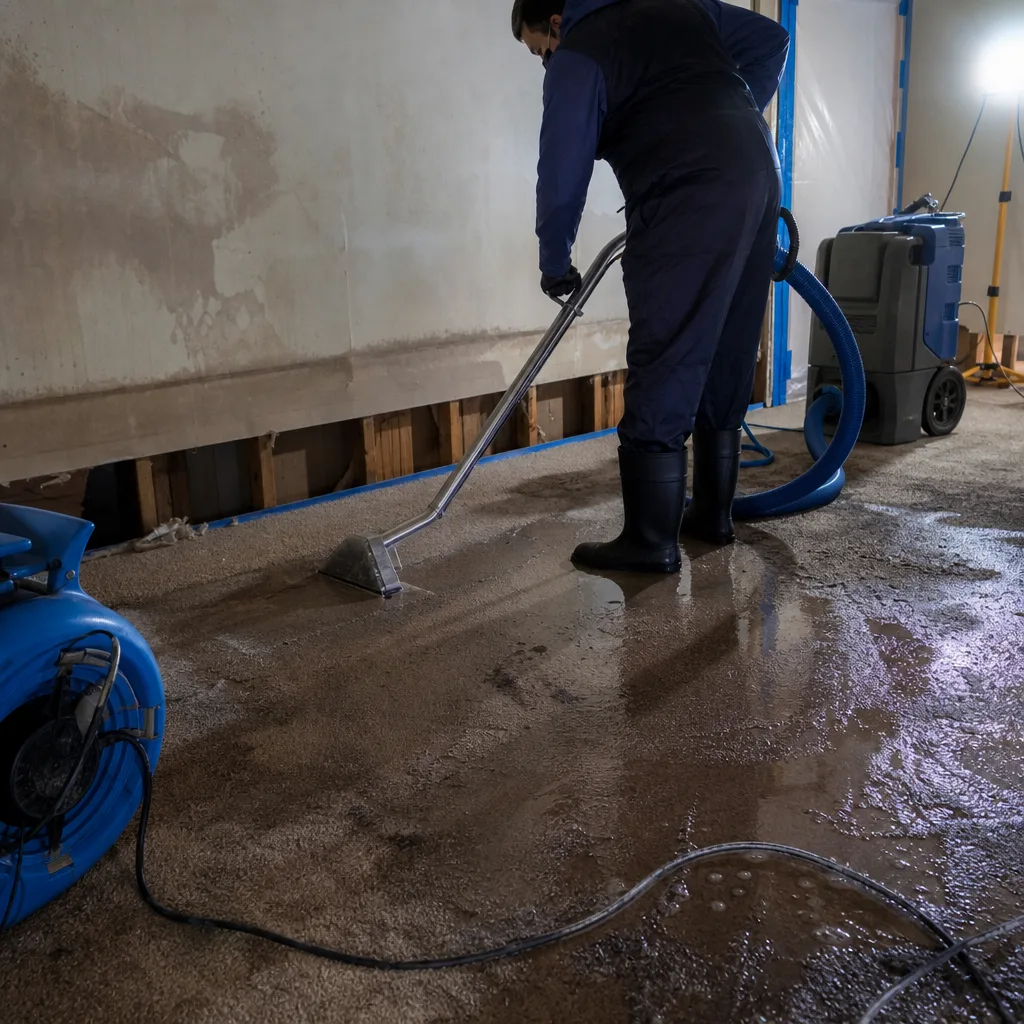
- Surface drying with adequate airflow. Running fans on exposed, hard-surface flooring for under 24 hours falls within reasonable homeowner effort.
- Professional assessment within 72 hours. For any water intrusion beyond Category 1 clean water, or any moisture that enters wall cavities, ceilings, or subfloors, the duty to mitigate transitions to a duty to engage qualified professionals who can document conditions to IICRC standards.
The Los Angeles housing stock complicates this boundary. Pre-1980s construction in neighborhoods like Echo Park, Highland Park, and Mid-City often lacks modern vapor barriers. Stucco exteriors common throughout the region create moisture traps when water breaches the paper-backed lath. What appears to be surface drying on plaster or drywall is frequently wicking into stud cavities at rates a homeowner cannot detect without penetrating moisture meters. We regularly find 22-28% moisture content in redwood or Douglas fir framing three days after homeowners believed an area was “dry.”
The IICRC S500 Documentation Standard Adjusters Actually Use
IICRC S500 is the ANSI-approved standard for professional water damage restoration. It is not a suggestion. It is the reference document adjusters at State Farm, Farmers, USAA, and Liberty Mutual use to evaluate whether drying claims are payable. When we say “documented to IICRC, RIA, and IFA standards,” we mean our daily logs contain the specific data points this standard requires.
The standard mandates recording six variables at minimum:
- Temperature (Fahrenheit): Ambient air temperature at equipment intake and exhaust positions, plus ambient room temperature at a control point minimum 10 feet from active drying equipment.
- Relative Humidity (RH%): Percentage of moisture in air relative to saturation at that temperature, measured at the same positions as temperature.
- Grains Per Pound (GPP): The absolute moisture content of air, calculated from temperature and RH using a psychrometric chart or digital hygrometer. This is the number that matters most. Two rooms can show identical RH readings at different temperatures while containing radically different actual moisture loads.
- Vapor Pressure Differential: The difference in vapor pressure between wet materials and surrounding air, which drives or inhibits evaporation. Positive differential means moisture is moving from material to air. Negative or flat differential means your drying has stalled.
- Moisture Content (%): Of affected structural materials, measured with penetrating or non-penetrating meters calibrated to material type. Wood framing: 19% or below is generally considered dry. Drywall: 0.5% above baseline. Concrete: 4% or below with calcium chloride testing.
- Equipment Map: Serial-numbered placement of each dehumidifier, air mover, and specialty drying system, with directional airflow arrows and CFM ratings.
A rented fan from any Los Angeles equipment rental yard produces exactly zero of these data points. It moves air. It does not document that the air it moved was conditioned to accept additional moisture, or that the moisture it evaporated was subsequently removed from the building envelope.
Psychrometric data, to define the term plainly, is the measurement of how air behaves when it carries moisture. Tertiary drying refers to the final phase where bound moisture is removed from deep within materials through low-grain refrigerant or desiccant dehumidification, typically requiring equipment that maintains sub-40 GPP conditions for 48-72 hours. Vapor pressure differential is the engine that makes this happen: when the vapor pressure of wet drywall exceeds the vapor pressure of the air passing over it, moisture moves outward. When that differential collapses because the air is already saturated, drying stops even if the fan is still running.
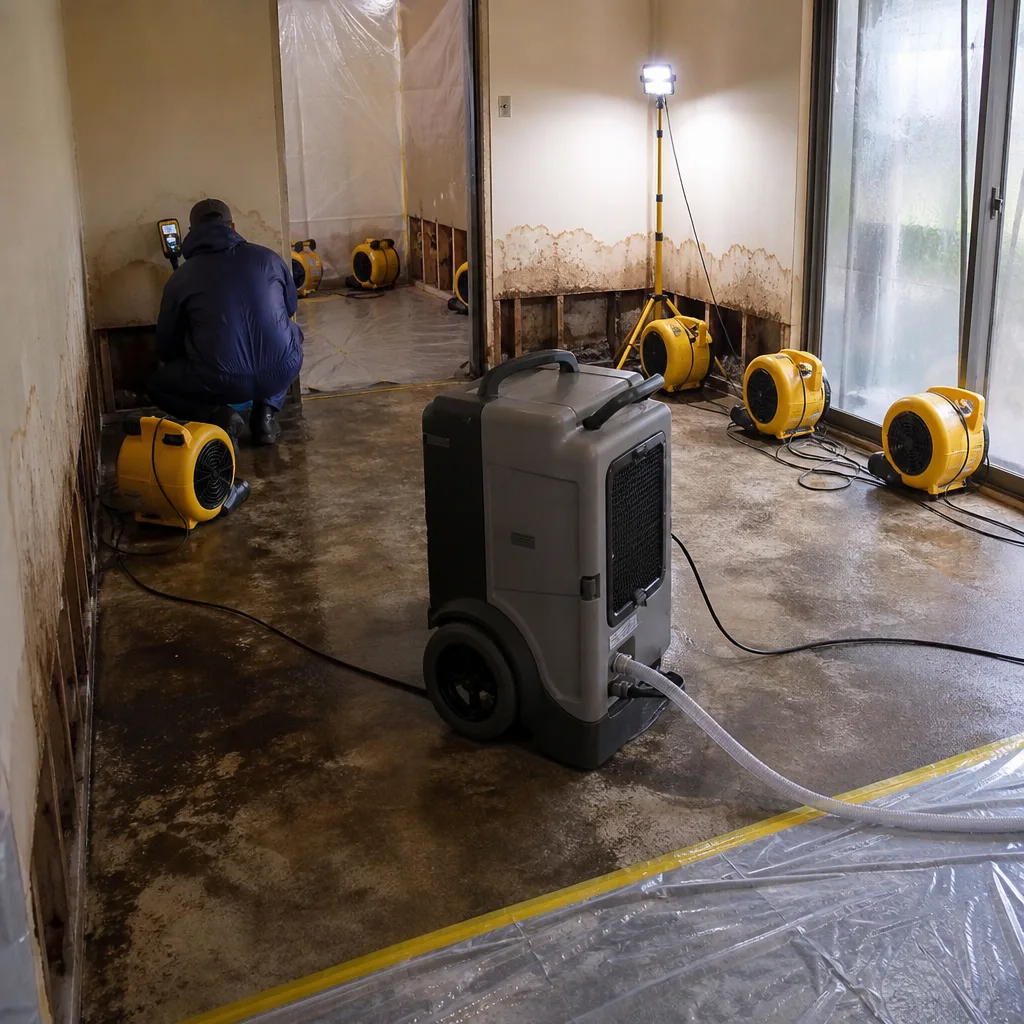
Our crews deploy Dri-Eaz and Phoenix LGR dehumidifiers, XPOWER and B-Air axial air movers, and Injectidry cavity drying systems precisely because these units generate the data stream S500 requires. Each machine’s serial number, placement time, and operational readings appear in the daily drying log we deliver with every invoice. This is not equipment fetishism. It is the documentation that transforms a restoration charge into a payable claim.
Damage Categories Where DIY Makes Financial Sense
There are restoration scenarios in Los Angeles where professional involvement adds cost without adding value. We acknowledge them because Haven Standard, Clause 1 applies to our own pricing: a written price before work starts, every time. If we cannot demonstrate value for that price, we have no business collecting it.
DIY restoration is genuinely cost-effective in four specific situations:
- Category 1 clean water, surface only, under 24 hours. A broken supply line to a toilet or sink that you discover within hours, with water confined to tile, sealed concrete, or other non-absorptive surfaces. Extract with a wet-dry vacuum, apply airflow with household fans, and verify dryness with a $35 pinless moisture meter from Harbor Freight or online retailers. Total cost: under $100. Professional minimum charge in Los Angeles: typically $1,200-$1,800 for assessment and equipment placement.
- Single-room relative humidity reduction after minor intrusion. A window left open during a Santa Ana wind-driven rain event, with water on sills and minor sill-plate contact. Wipe surfaces, run a residential dehumidifier at 50% RH target for 48 hours, and confirm with humidity readings. The key constraint: no water reached wall cavities or flooring edges.
- Contents relocation and protective staging. Moving furniture, rolling up area rugs, and placing aluminum foil or wood blocks under legs to prevent stain transfer. This is mitigation, not restoration, and homeowner labor is often faster than waiting for a crew.
- Post-professional drying verification monitoring. After professional drying completes, maintaining residential dehumidification during Los Angeles humidity spikes (typically July through September coastal, or post-fire weather events) to prevent secondary moisture accumulation.
The cost savings in these scenarios are real. A homeowner in Pasadena or Culver City who handles a minor Category 1 event competently has saved the deductible and the professional minimum. The critical limitation: the moment water enters a wall cavity, crosses to an adjacent room, or originates from a non-potable source, the documentation requirement activates and DIY savings become DIY liability.
Where DIY Creates Measurable Financial Liability
We have reviewed denied claims where the homeowner’s initial DIY response, while well-intentioned, produced the exact documentation gap the insurer later exploited. These are not edge cases. They are predictable outcomes in specific damage categories.
Category 2 or 3 water (gray water or black water). California Health and Safety Code Section 17920.3 defines sewage and floodwater as hazardous materials requiring licensed abatement. A homeowner who attempts sewage cleanup without proper PPE and containment creates cross-contamination liability that can void coverage for the entire structure. We have seen insurers deny $80,000+ claims in Los Angeles County based on photographic evidence of homeowner sewage handling without protective equipment.
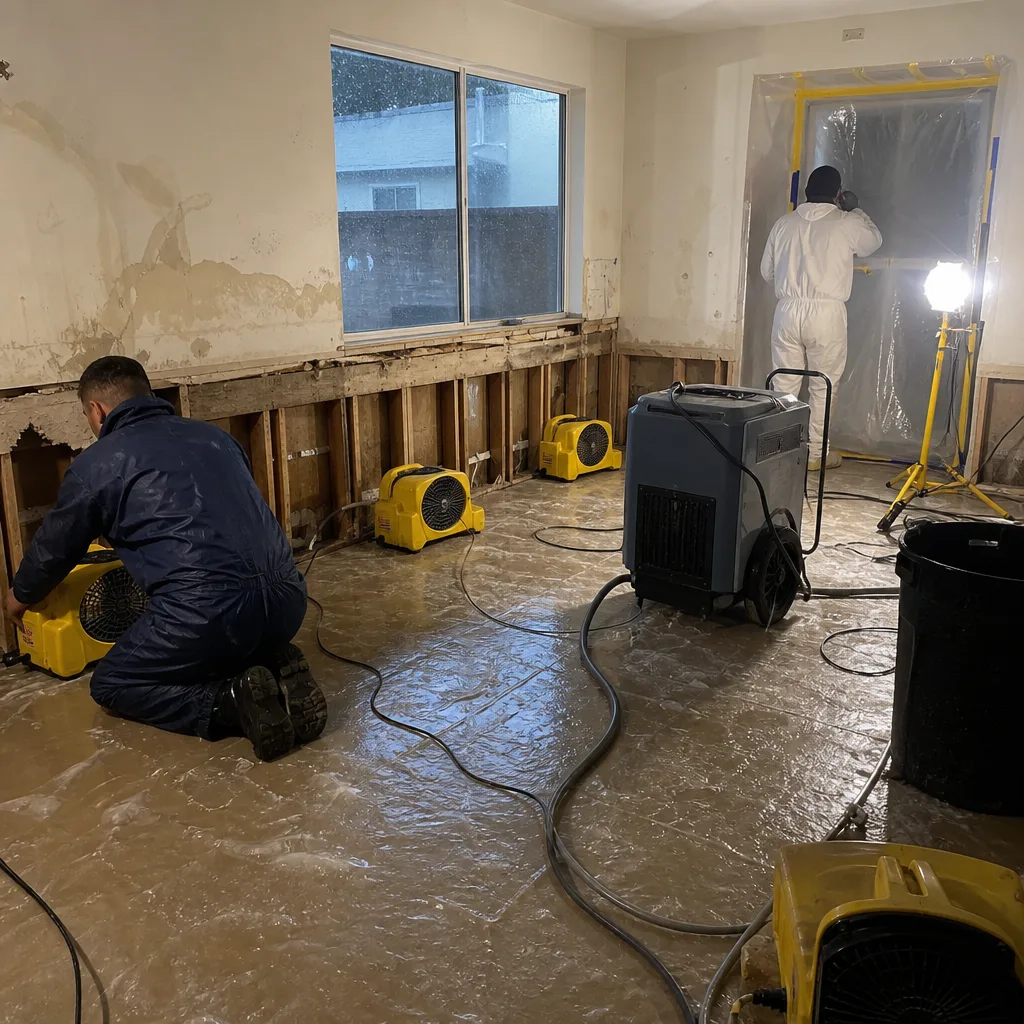
Any intrusion behind stucco or into wall cavities. Los Angeles stucco construction, particularly the three-coat cementitious systems common in 1920s-1950s bungalows and 1980s-2000s tract homes, wicks moisture laterally through the paper-backed lath in ways that are invisible from interior surfaces. By the time interior drywall shows staining, the exterior sheathing and framing may have been wet for 72+ hours. Without Injectidry or equivalent cavity drying systems and the moisture mapping to document their effect, you have no proof the cavity ever dried.
Structural materials above 19% moisture content. At 20% wood moisture content, fungal growth becomes statistically likely within 48-72 hours in Los Angeles’s moderate climate. At 25%, it is nearly certain. A homeowner without calibrated penetrating meters cannot distinguish 16% from 24% on redwood or fir framing. We regularly find 22-28% readings in “dry” walls that homeowners have been running fans against for three days.
Fire and smoke damage of any category. Beyond the obvious safety hazards of compromised structural members and residual chemical combustion byproducts, smoke damage requires detailed inventory documentation for contents claims. A homeowner who cleans or disposes of smoke-damaged items without photographic inventory and written valuation has likely forfeited thousands in contents coverage. For fire & smoke damage restoration in Los Angeles, professional documentation is not ancillary to cleaning. It is the primary service.
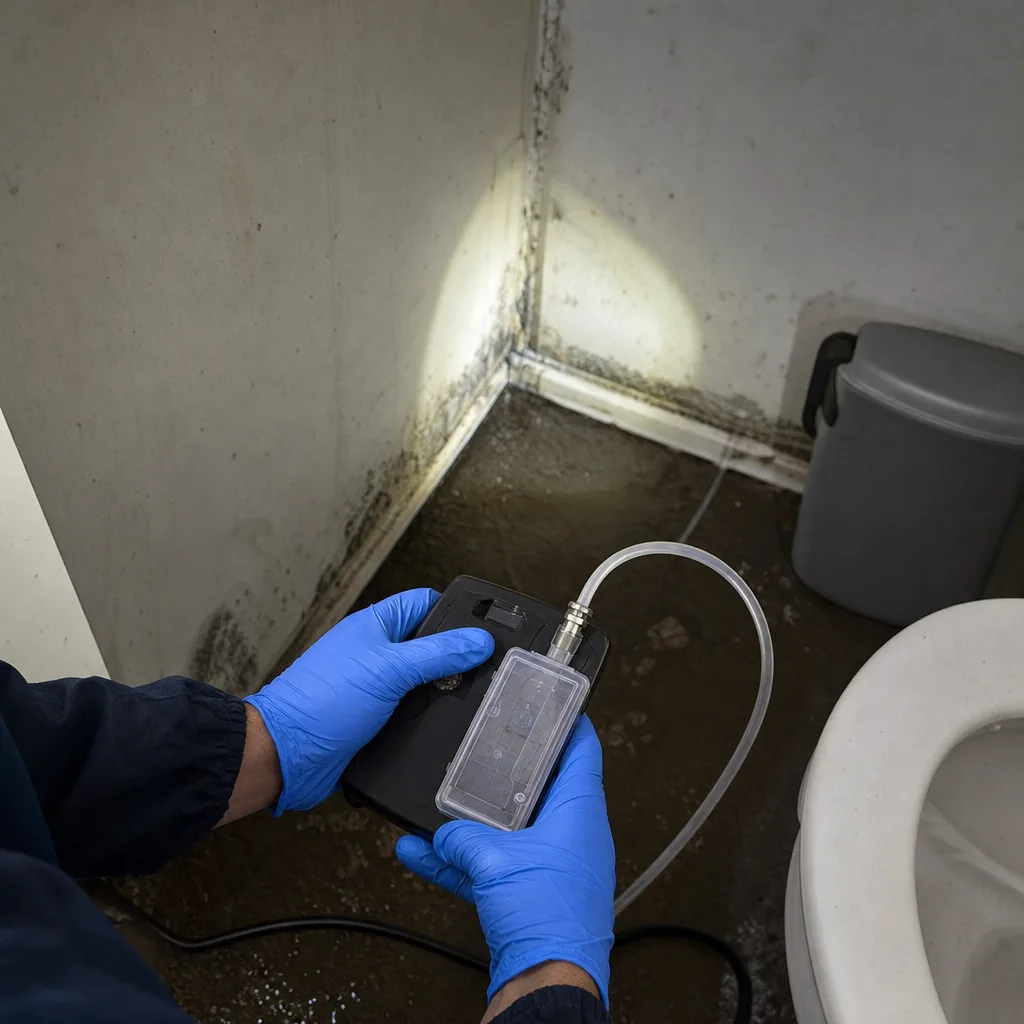
Mold remediation beyond 10 contiguous square feet. The California Department of Public Health recommends professional assessment at this threshold. More critically, standard homeowners policies increasingly exclude mold coverage unless the mold resulted from a covered peril that was professionally remediated within the policy’s required timeframe. DIY mold cleaning without documenting the moisture source and its elimination creates a coverage void.
How to Document DIY Efforts So They Don’t Become Evidence Against You
If you choose DIY mitigation for a qualifying minor event, follow our water damage restoration maintenance checklist for Los Angeles homeowners-documentation is your only defense against later claim denial. The goal is not to replicate professional drying logs. It is to create a contemporaneous record that demonstrates reasonable effort and establishes baseline conditions if professional assessment later becomes necessary.
- Photograph everything before touching anything. Date-stamped photos of water extent, source, affected materials, and adjacent unaffected areas for comparison. Include wide shots and close-ups. Upload to cloud storage immediately. We recommend photographing the water source, the water line or perimeter on walls, flooring type and condition, and any contents in contact with water.
- Keep a written log of every action taken. Date, time, action, equipment used, and any observable result. Example: “10/14, 6:15 PM - discovered leak under kitchen sink. Shut water at angle stop. Extracted standing water with Shop-Vac model 5.0 HP. Measured water extent: 4 sq ft vinyl flooring, no wall contact.” Continue through each intervention.
- Obtain a professional moisture assessment at 72 hours. This is the critical step most homeowners skip. A licensed restoration contractor or certified industrial hygienist can perform a limited-scope moisture survey for $200-$400 in Los Angeles, producing a signed report of conditions at 72 hours post-event. This creates a professional record of dry conditions that can defend against later mold or secondary damage claims. Back to Dry Restoration offers this as a standalone service; the assessment fee applies to any subsequent work we perform.
- Preserve all equipment rental receipts and manufacturer specifications. If you rented fans or dehumidifiers, the rental agreement showing equipment type, CFM rating, and rental duration supports your claim of reasonable mitigation effort.
- Notify your insurer in writing within 24 hours. Even if you do not intend to file a claim, written notification of the event and your mitigation actions creates a record. Email is sufficient. Include your photo documentation as attachments.
The 72-hour moisture assessment is the single most cost-effective insurance policy on your insurance policy. For $200-$400, you purchase a professional sign-off that your DIY drying succeeded. Without it, your insurer’s adjuster has no obligation to accept your assertion that the wall was dry.
Cost Comparison: Real Los Angeles Numbers
Los Angeles restoration pricing reflects labor costs, equipment availability, and the premium for documented work that insurers will accept. These ranges represent what we observe in estimates we review across the metro area, including competitor quotes brought to us for our Free Second Opinion on any competitor’s written estimate.
| Scenario | DIY Cost Range | Professional Cost Range (Los Angeles) | Insurance Documentation Value |
|---|---|---|---|
| Category 1, surface only, <24 hrs, single room | $75-$250 (equipment rental, consumables) | $1,200-$2,400 (assessment, equipment, monitoring) | Low for minor events; moderate if moisture assessment at 72 hrs obtained |
| Category 1, wall cavity intrusion, 1-2 rooms | $400-$800 (rental, limited tools, no documentation) | $3,500-$7,500 (extraction, cavity drying, daily logs) | High; professional documentation required for any secondary damage claim |
| Category 2 gray water, any structural contact | Not recommended; potential liability exceeds savings | $4,500-$9,500 (containment, cleaning, drying, verification) | Critical; DIY handling may void coverage |
| Category 3 black water / sewage | Not legally permissible for unlicensed individuals | $7,500-$18,000+ (hazmat protocol, disposal, clearance testing) | Mandatory; no payable claim without licensed abatement documentation |
| Fire/smoke, structural, single room | Not recommended; safety and contents claim risk | $5,500-$14,000 (structural assessment, cleaning, deodorization, contents inventory) | Critical; contents inventory documentation is primary deliverable |
| Mold, >10 sq ft or HVAC involvement | Not recommended; cross-contamination and coverage risk | $3,000-$12,000+ (containment, remediation, clearance, post-remediation verification) | Critical; mold exclusions require professional origin documentation |
The professional ranges include the documented deliverables that make claims payable: daily drying logs, photo records on every visit, written scope with fixed price before work begins, and the 365-Day Done Right Promise backed by The Haven Standard. The DIY ranges assume competent execution but exclude the 72-hour professional moisture assessment we recommend, which would add $200-$400.
In our experience since 2011, the average Los Angeles homeowner who attempts Category 1 cavity drying without professional documentation spends $400-$800 on equipment and supplies, then faces $6,000-$15,000 in uncovered secondary damage when mold or structural deterioration appears 4-8 months later. The initial savings are real. The subsequent liability is typically larger.
Common Mistakes to Avoid
- Renting fans without dehumidification. Moving moist air through a moist room does not remove moisture from the building envelope. It redistributes it. In Los Angeles’s basin geography, where morning marine layer can push exterior RH above 80%, fan-only drying often increases interior humidity during overnight hours when windows are closed.
- Assuming tile or concrete is “dry” because the surface feels dry. Porcelain tile is impervious; the mortar bed and substrate beneath it are not. We regularly find saturated plywood subfloors under “dry” tile in Los Angeles bathrooms and kitchens where homeowners ran fans for days.
- Ignoring the Santa Ana wind factor. These hot, dry winds drop RH to 10-15% and create false confidence in surface drying conditions. Materials that feel dry in Santa Ana conditions rehydrate to damaging levels within 48 hours of normal coastal humidity returning. Documentation captured during Santa Ana events requires recalibration to standard conditions.
- Disposing of damaged materials before photographic inventory. Your insurer cannot pay for what you cannot prove existed. We have seen $8,000-$15,000 contents coverage reductions based on homeowner disposal of smoke or water-damaged items without documentation.
- Using bleach on mold. Bleach does not penetrate porous materials to kill root structures. It bleaches color while leaving viable hyphae. Worse, it adds moisture to the material. Professional mold remediation in Los Angeles requires HEPA containment, negative air pressure, and mechanical removal of contaminated substrate, not chemical surface treatment.
- Failing to identify the water source category. A supply line break and a dishwasher drain backup require different protocols. Homeowners frequently misidentify Category 2 gray water as Category 1, exposing themselves to bacterial contamination and coverage denial.
- Waiting for insurance approval before mitigating. Most policies require reasonable immediate mitigation. Delay that results in amplifiable damage can reduce your settlement by the cost of that amplification. Document your actions, mitigate promptly, and seek reimbursement.
When to Call a Professional
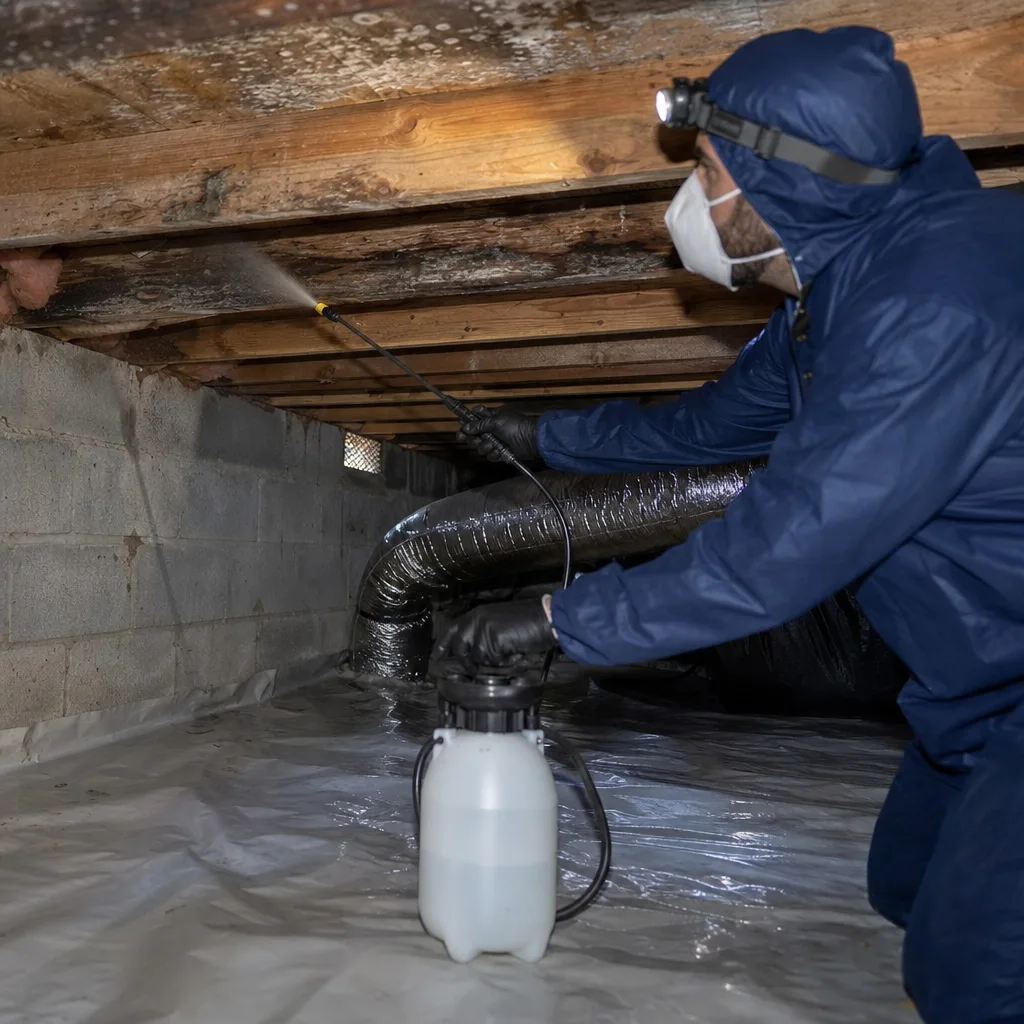
Call a licensed restoration contractor when: water has entered any wall cavity, ceiling, or subfloor; the water source is not Category 1 clean water; any structural material reads above 19% moisture; mold is visible or suspected; fire or smoke has affected structural components or HVAC systems; or your insurance policy requires professional documentation for coverage of secondary damage.
In Los Angeles, where stucco construction conceals moisture movement and the cost of secondary damage routinely exceeds initial mitigation by 5-10x, the professional call is a documentation decision, not a capability admission. You may be entirely capable of running fans. Your insurer is not capable of paying for unrecorded drying.
DryMark Restoration Los Angeles offers free estimates throughout Los Angeles. Every estimate includes a written price before work begins, every time, under Haven Standard, Clause 1. We also provide a Free Second Opinion on any competitor’s written estimate. Call (424) 351-3396 to schedule assessment or review an estimate you’ve already received.
Frequently Asked Questions
Your insurer will cover the cost of reasonable mitigation, but “reasonable” is defined by documentation, not effort. Without IICRC S500-compliant drying logs, an insurer can deny secondary damage claims by arguing that unrecorded drying may have failed. For coverage certainty, professional documentation is the safer path. Call (424) 351-3396 for an estimate - they’re free.
Back to Dry Restoration maintains live phone coverage 24 hours a day, 7 days a week with no voicemail on emergency lines. Dispatch times vary by location and event severity, but our documentation-first protocol means we arrive prepared to photograph, measure, and scope before any equipment enters your home. For true emergencies with active water intrusion, speed of response matters; call (424) 351-3396.
For mold patches under 10 contiguous square feet with no HVAC involvement and a clearly resolved moisture source, limited homeowner cleaning with proper PPE may suffice. Above that threshold, or with any uncertainty about moisture source or extent, professional containment and remediation is recommended to prevent cross-contamination and preserve insurance coverage. We offer assessments that clarify this boundary.
We coordinate directly with your adjuster, providing the documented photo record, daily drying logs, and written scope that adjusters require for claim processing. Our origin as a company founded by a former claims adjuster means we understand the documentation standards that produce payable claims. We do not outsource this communication.
It means your drying record contains daily temperature, relative humidity, GPP, vapor pressure differential, material moisture content, and equipment placement data, formatted in a way that any adjuster can verify against S500 requirements. This documentation transforms restoration from a disputed expense into an auditable claim line item.
Yes. Back to Dry Restoration offers limited-scope moisture assessments as standalone services. The assessment fee applies to any subsequent work we perform. This is often the most cost-effective way to validate DIY drying or obtain a second opinion on a competitor’s scope. Call (424) 351-3396 to schedule.
The Bottom Line
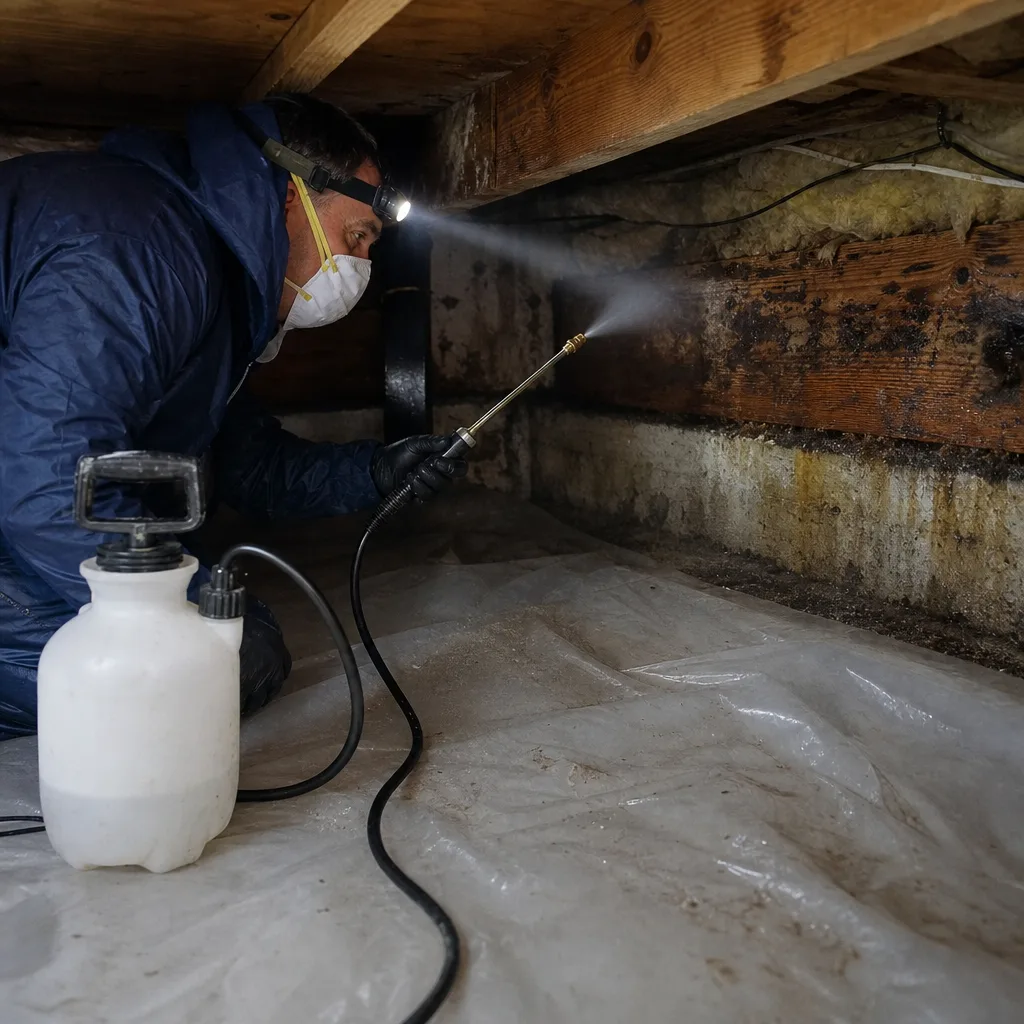
The DIY versus professional restoration decision in Los Angeles is a documentation and liability calculation, not a skill assessment. California law permits homeowner mitigation. Your insurance policy does not permit undocumented mitigation. The gap between those two permissions is where claims are denied and homeowners absorb costs that proper documentation would have transferred to their insurer.
For minor, surface-confined Category 1 events under 24 hours, competent DIY with a 72-hour professional moisture assessment is financially rational; see more guides & resources for additional homeowner guidance. For everything else, the cost of professional documentation is typically a fraction of the uncovered liability it prevents. Since 2011, we’ve restored 12,000+ homes with a written price before work started and a documented record when the crew left. The Haven Standard exists because we’ve seen what its absence costs.
Written by Alicia Brennan, Owner at DryMark Restoration Los Angeles, serving Los Angeles since 2011.