
Last updated September 23, 2026
Free visual inspection and a written scope of work before any mitigation begins - photos, moisture readings, and drying logs go in your claim file
The scope we write is the scope we bill. Anything new gets shown to you, in writing, before we touch it.
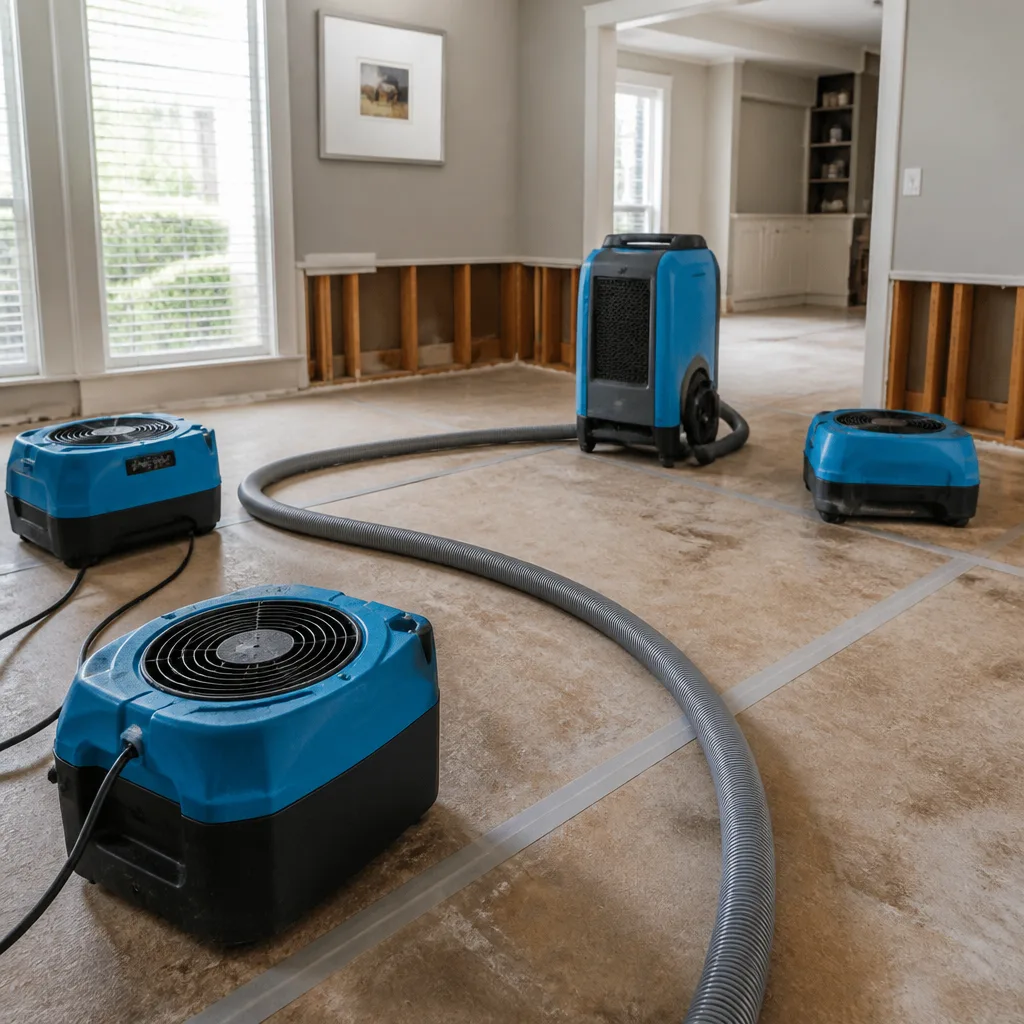
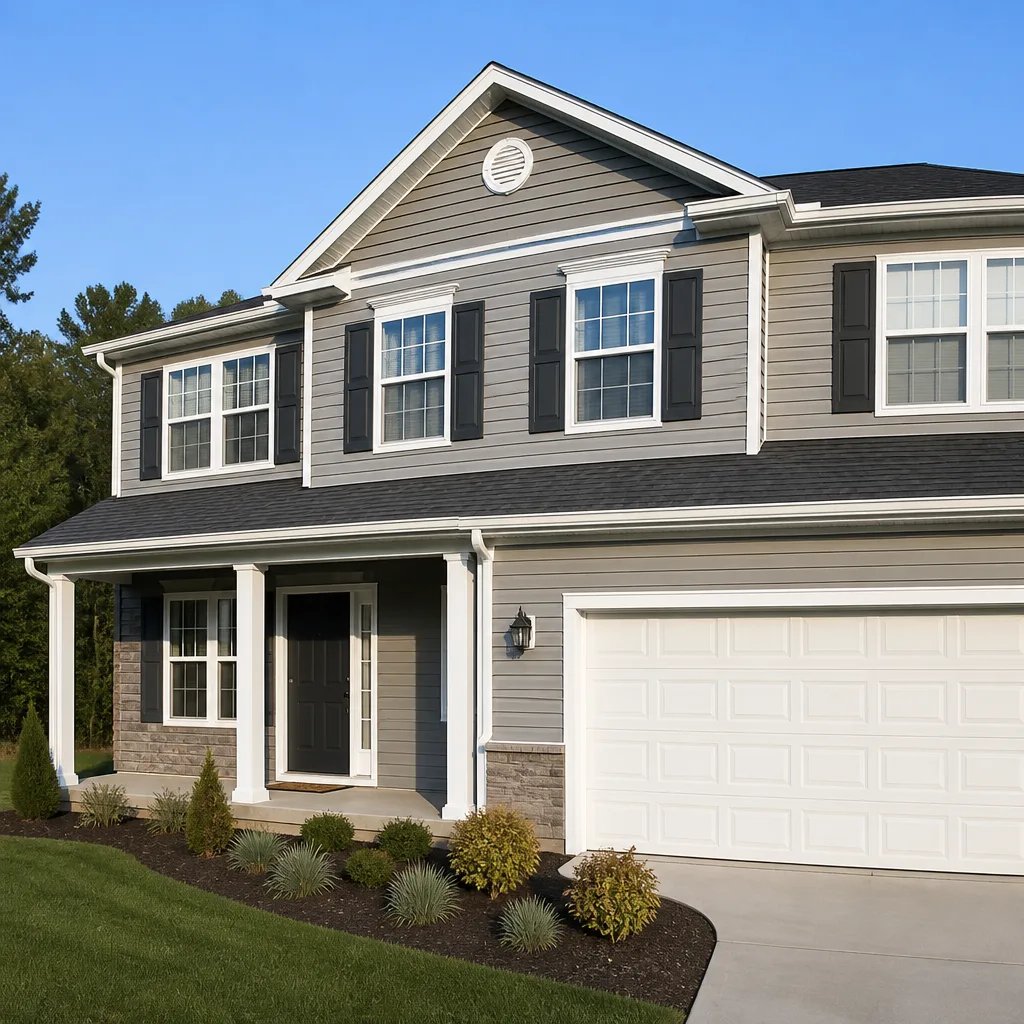
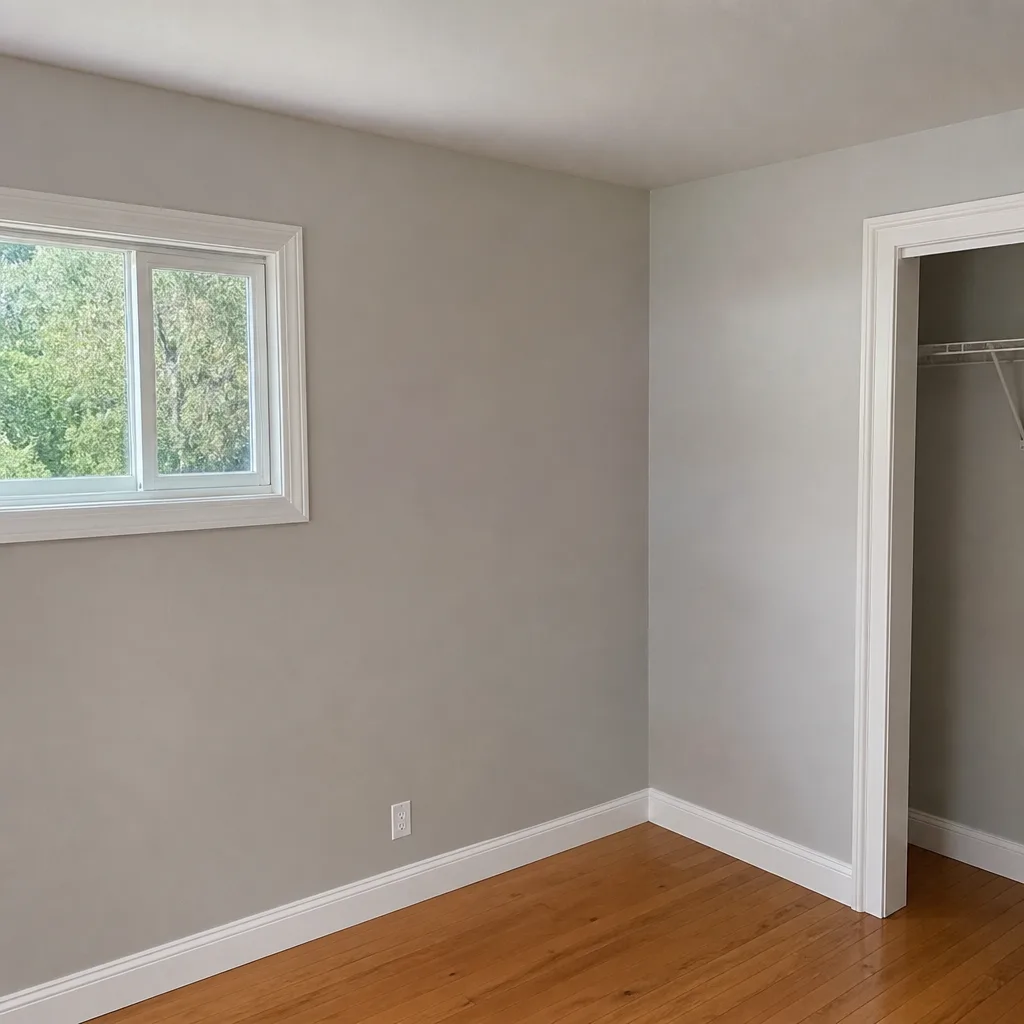
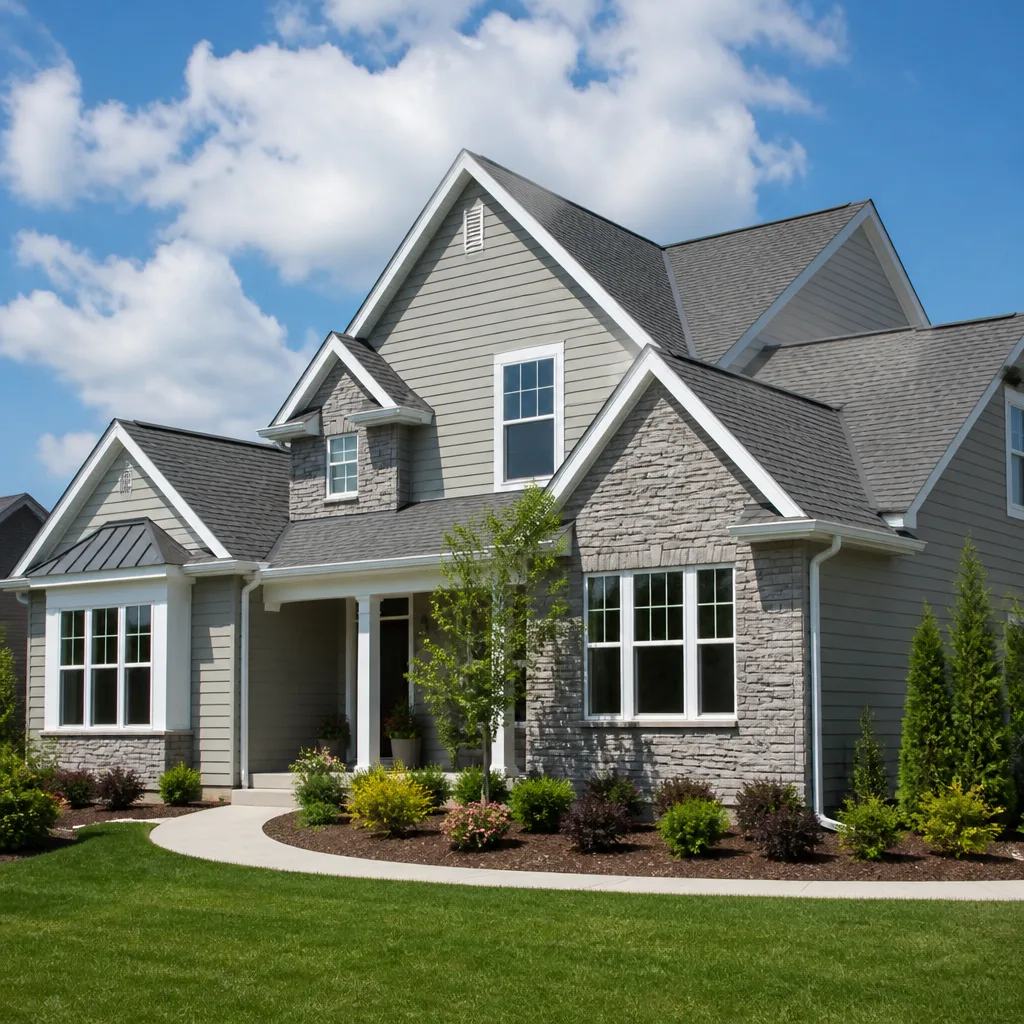
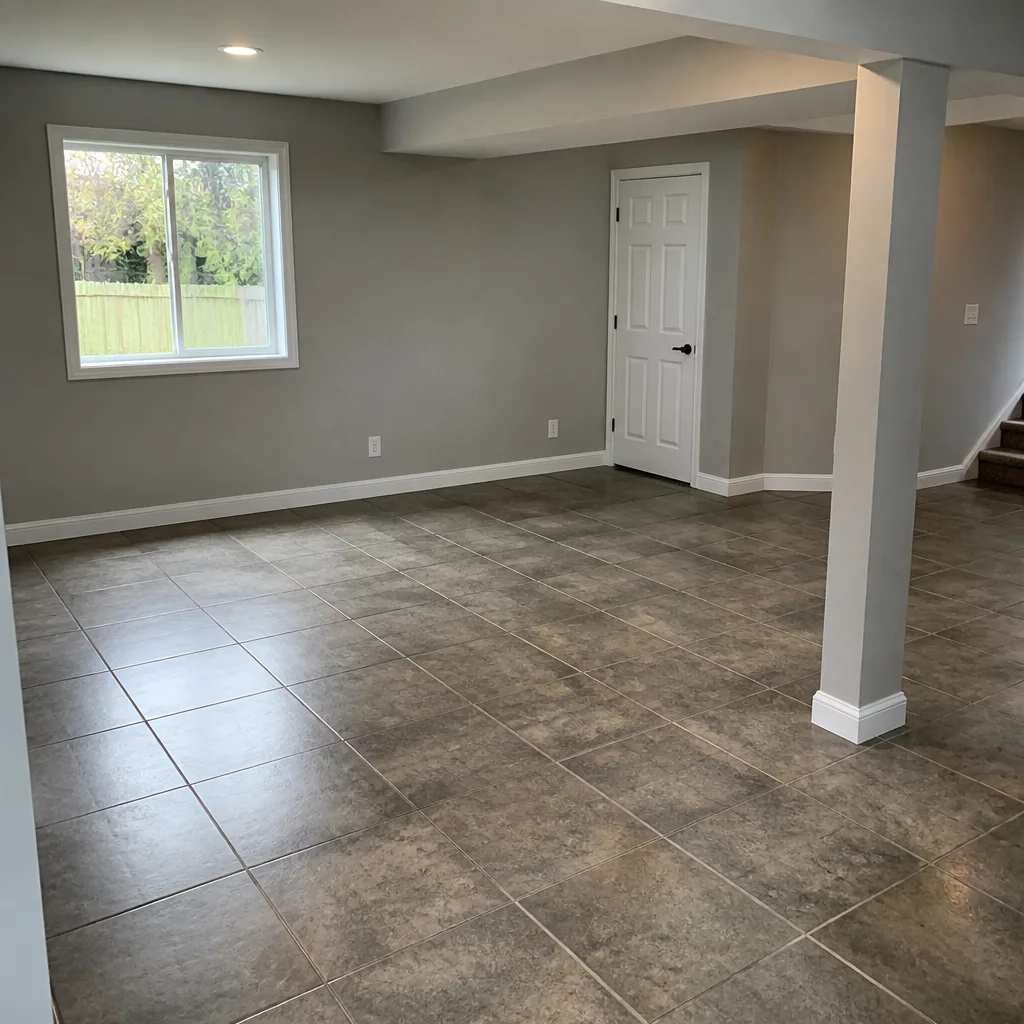
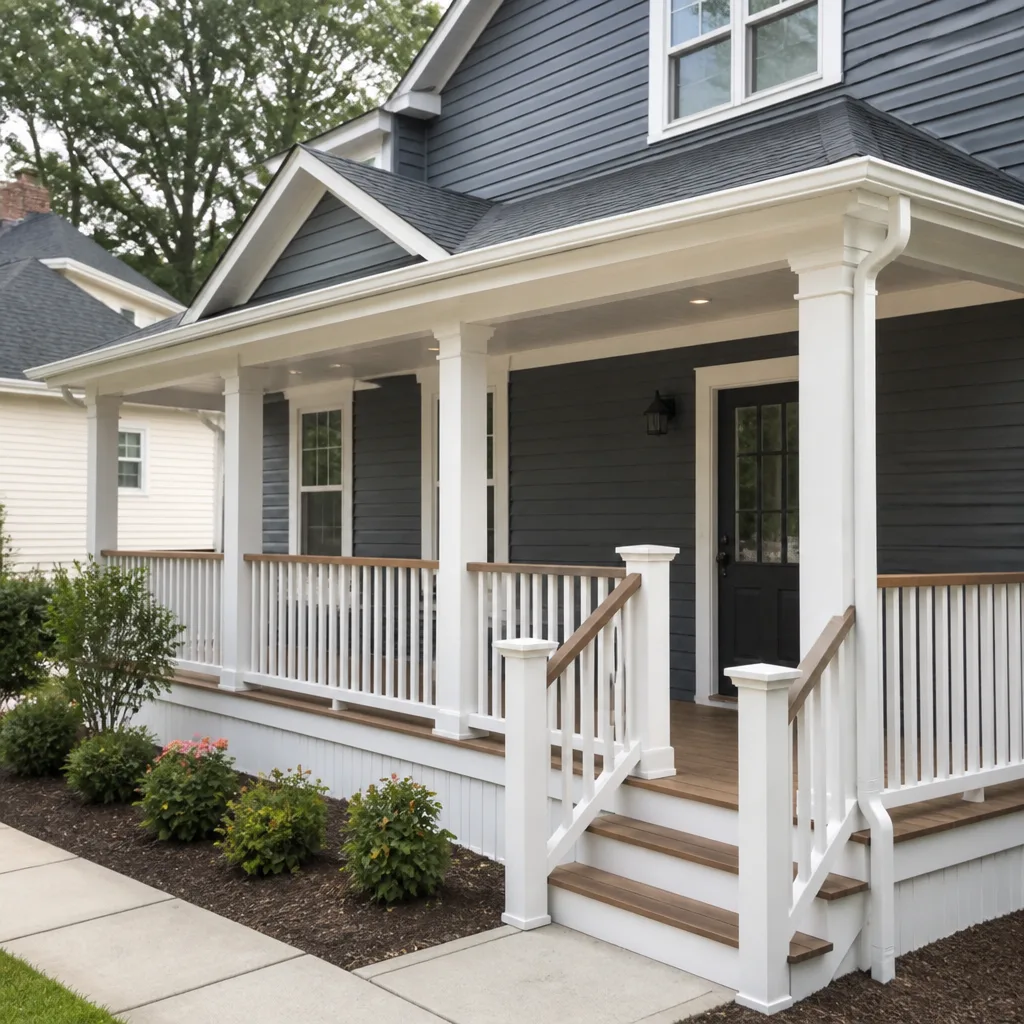
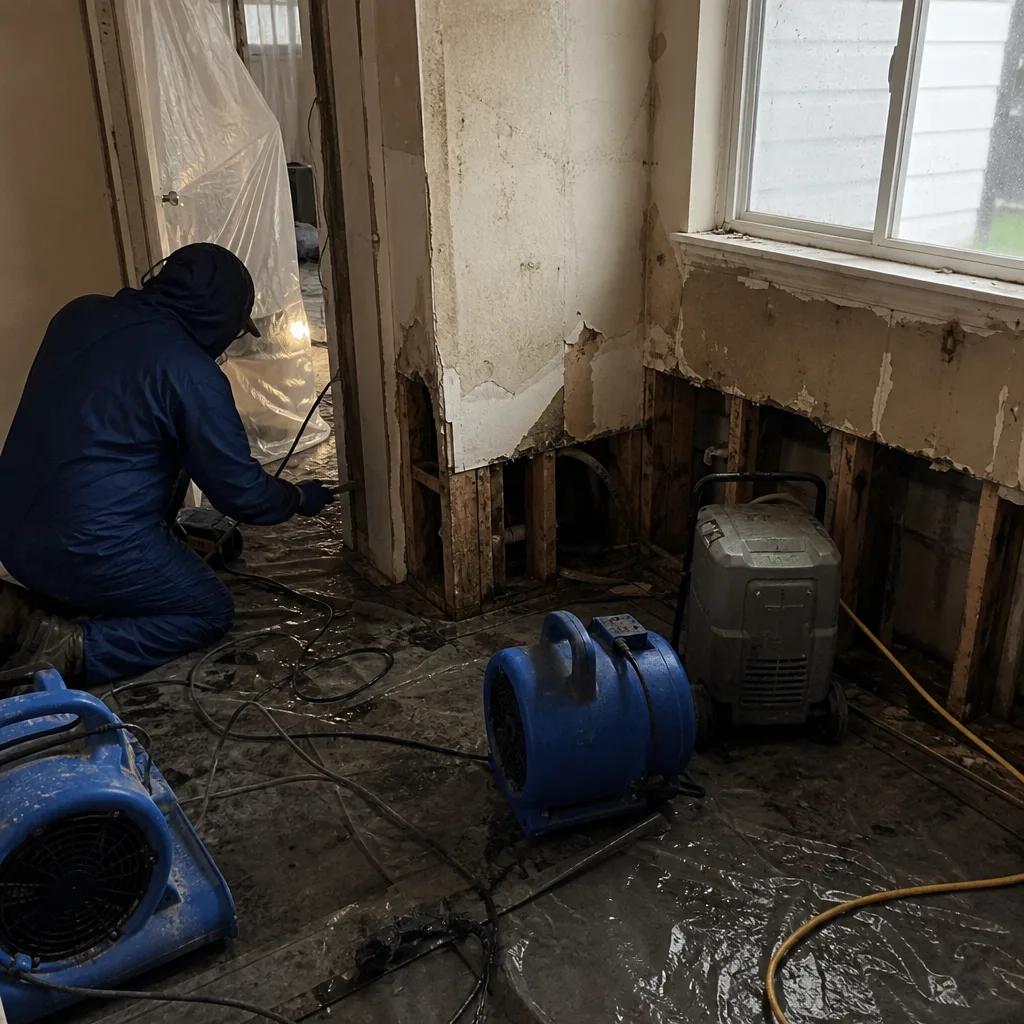 Before
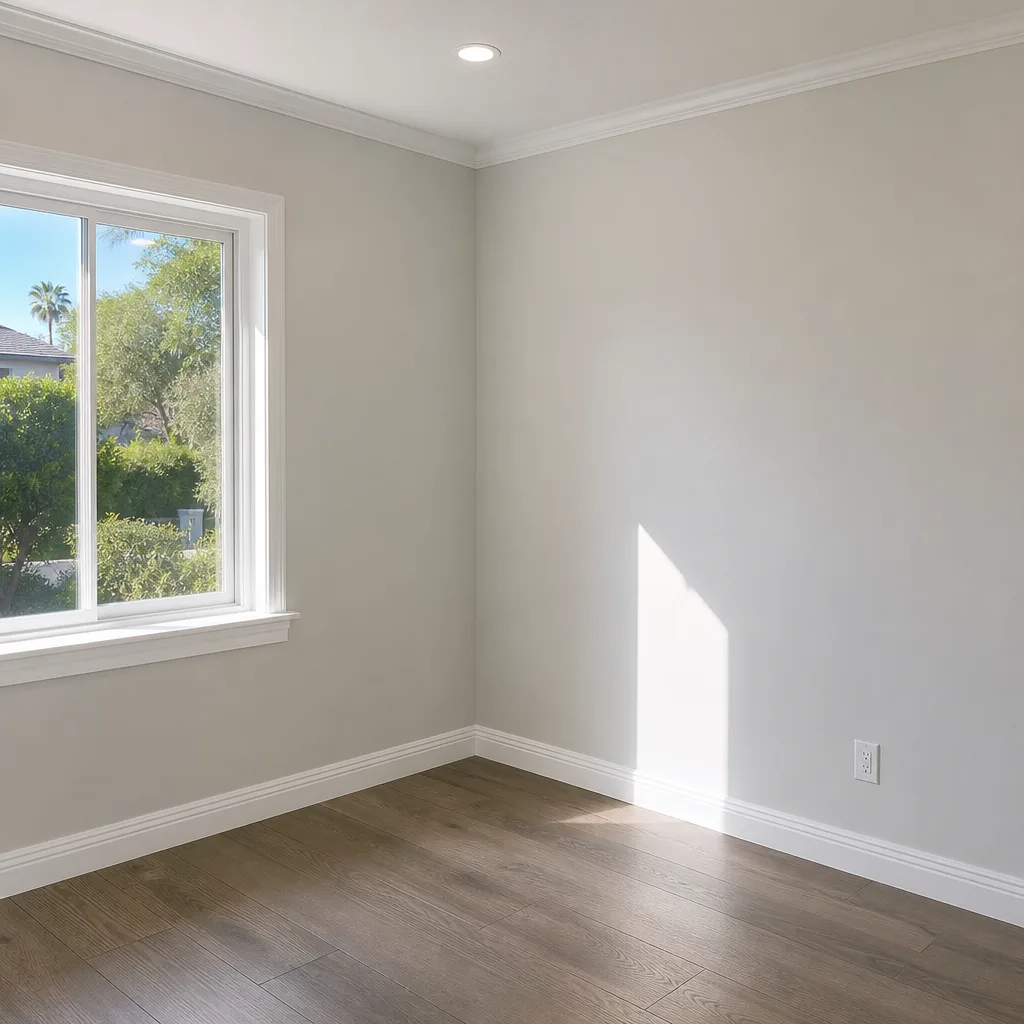 After
After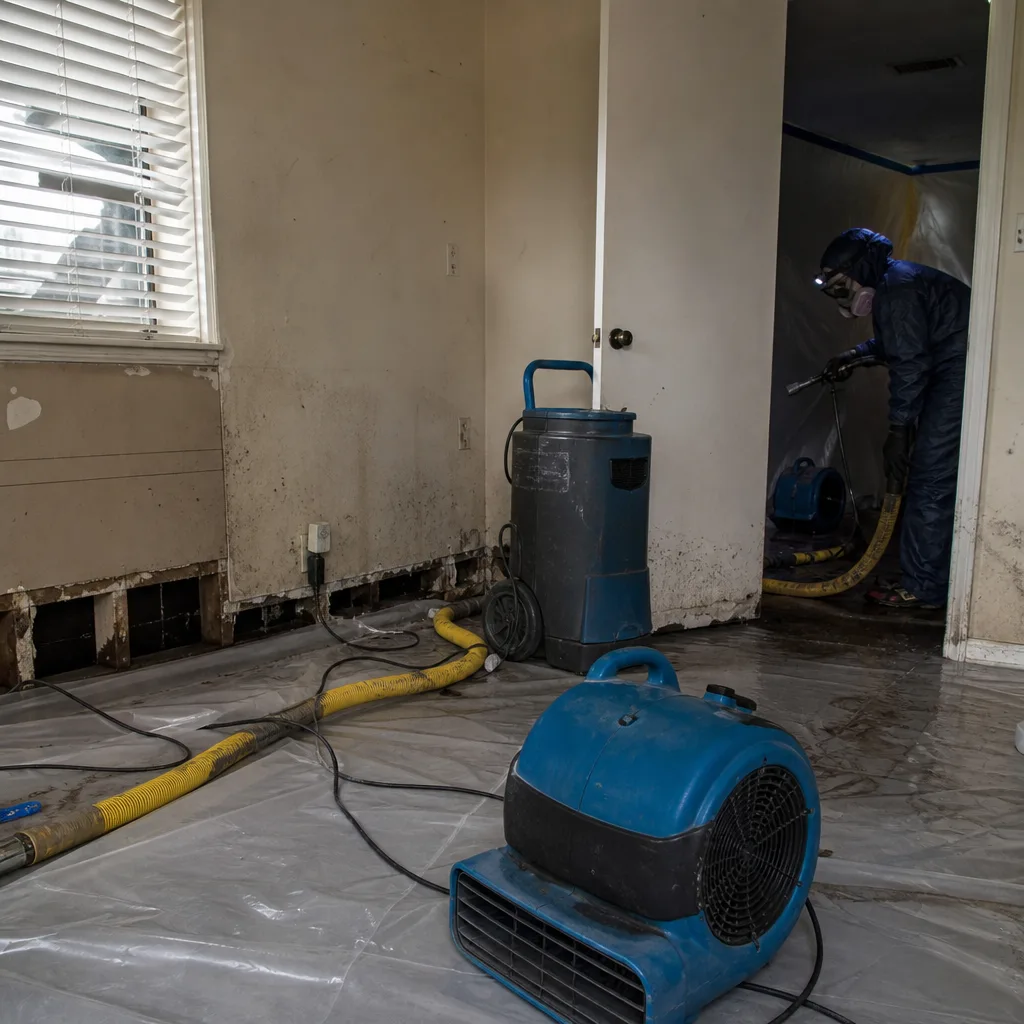 Before
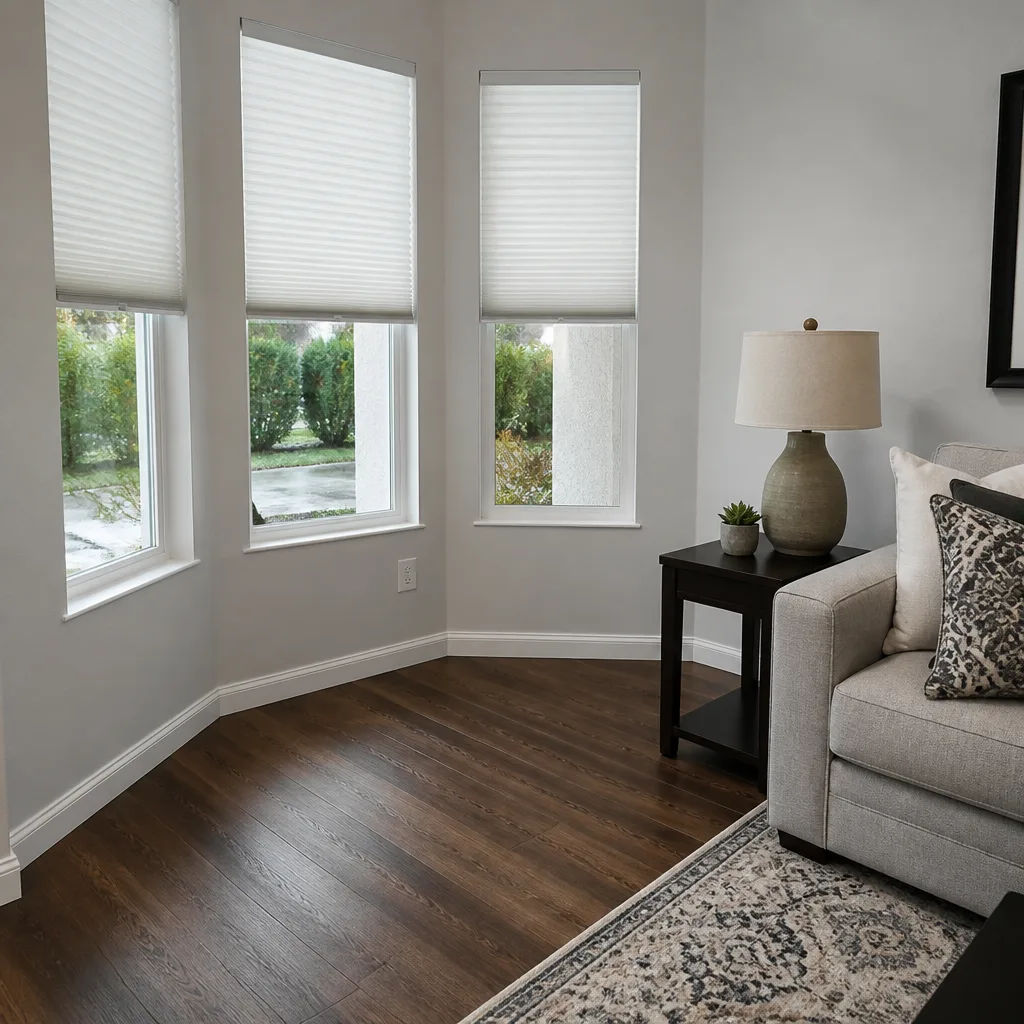 After
After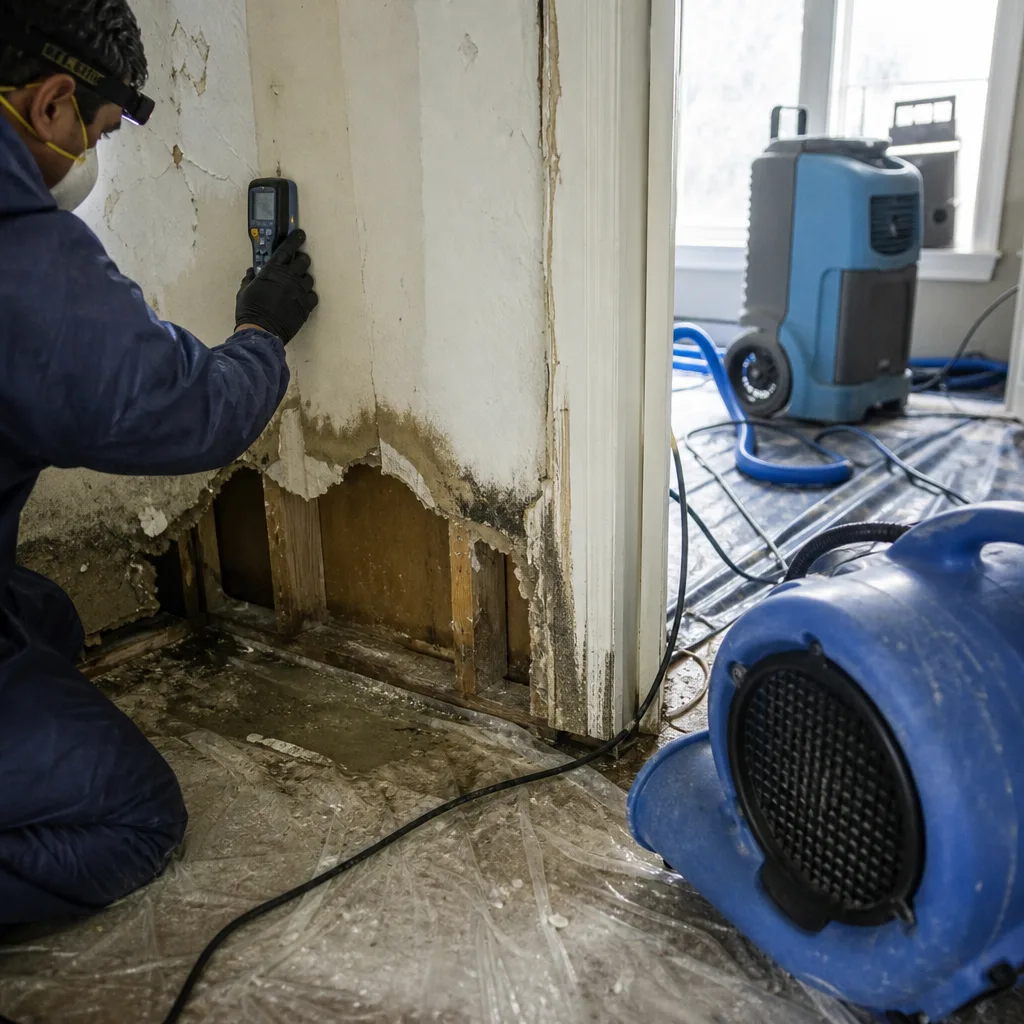 Before
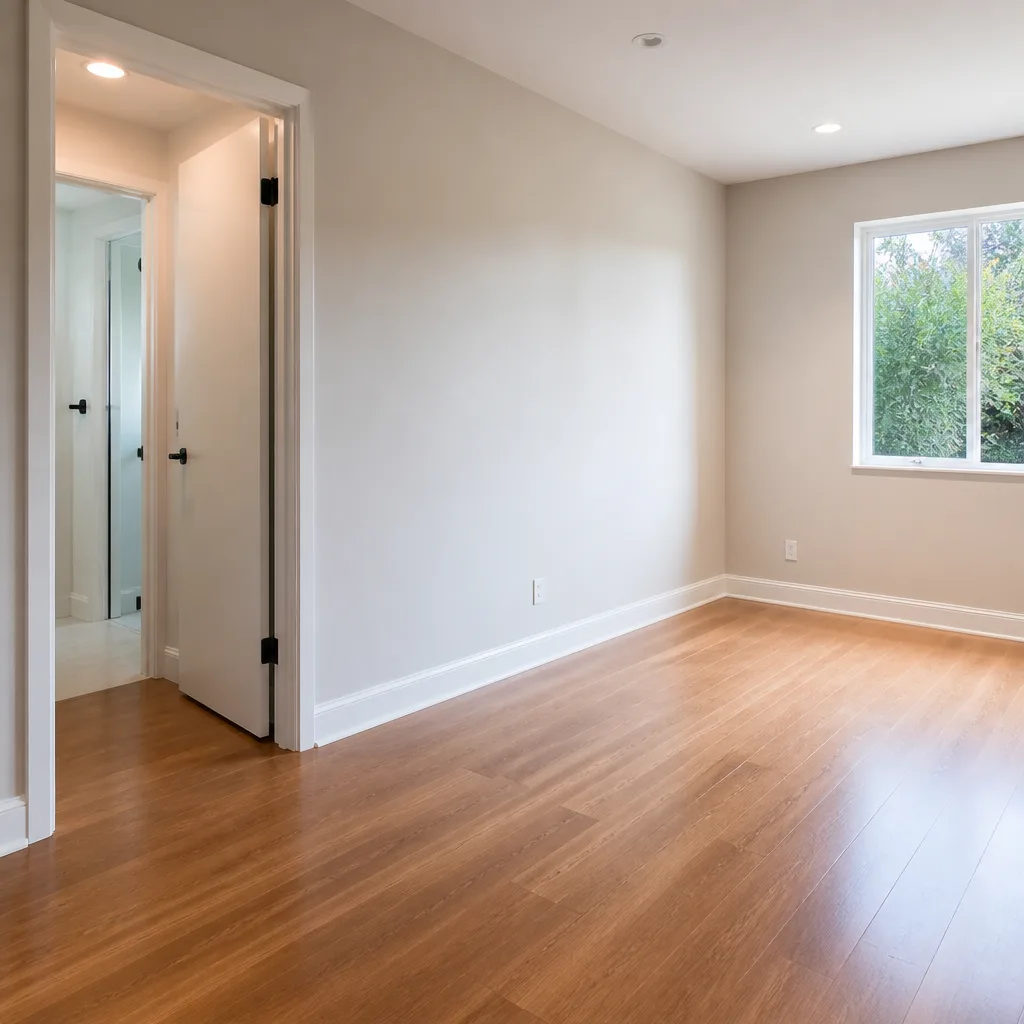 After
AfterDamage Restoration Permits, Codes & Inspections in CA: What You Need to Know
An unpermitted restoration repair in Los Angeles can be flagged during a future title search, reclassify a portion of the home as uninsurable by a subsequent carrier, and in some cases require the work to be opened up and re-inspected - at the current owner’s cost. We’ve seen this happen on properties in Los Feliz and Sherman Oaks where mold remediation completed in 2019 surfaced during a 2024 refinance. In this guide, we’ll walk through which restoration tasks trigger permits, who is legally qualified to pull them, how permit records attach to your property’s title history, and how to verify that work on your home was properly inspected and signed off. For more guides & resources on protecting your Los Angeles property, see our blog.
Quick Answer
Most damage restoration work in California requires a building permit when it involves structural modifications, electrical or plumbing systems, or mold remediation exceeding 10 square feet. In Los Angeles, the Los Angeles Department of Building and Safety (LADBS) issues building permits, while Cal/OSHA governs permits for lead and asbestos abatement. The contractor who pulls the permit assumes liability for code compliance, and unpermitted work must be disclosed in future real estate transactions.
Table of Contents
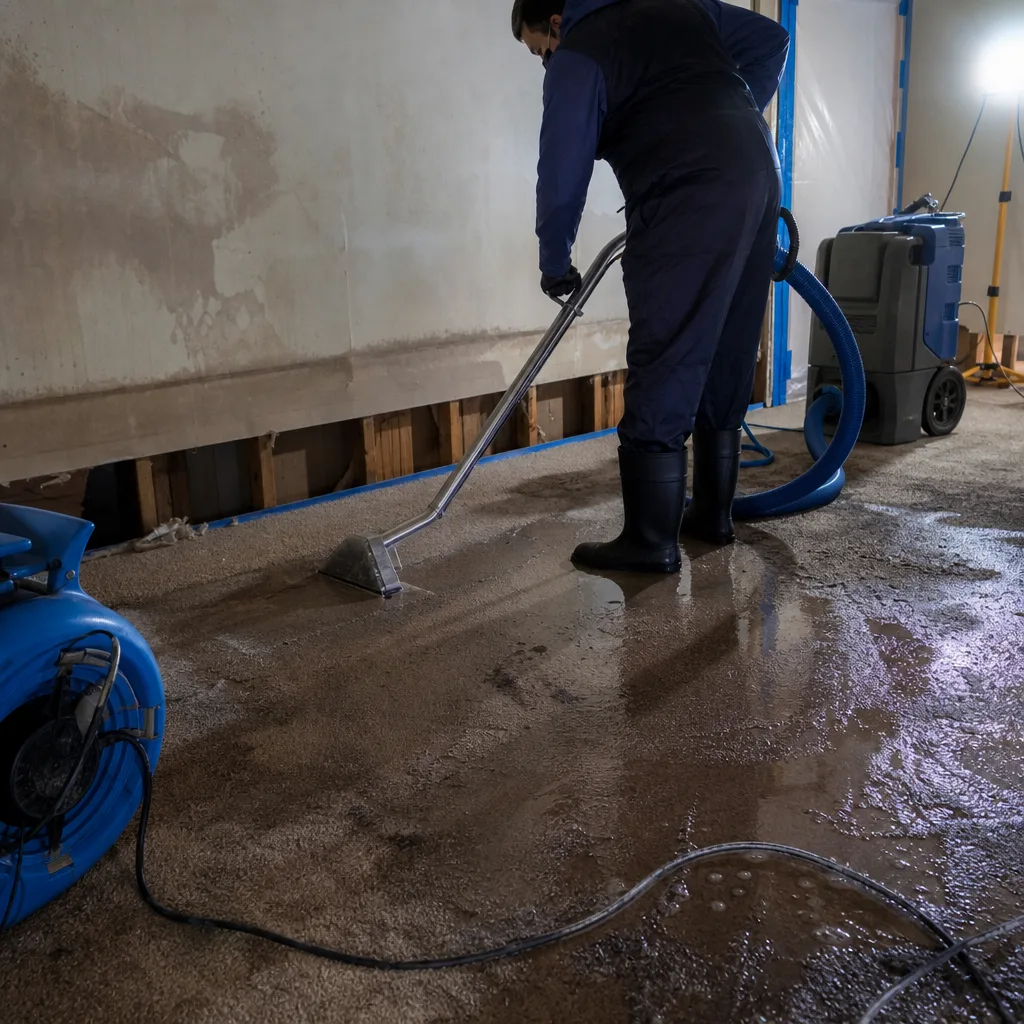
- Which Restoration Tasks Trigger Permits in Los Angeles
- Building Permits vs. Cal/OSHA Permits: Two Different Systems
- Who Can Legally Pull a Restoration Permit in California
- How Permit Records Appear on Your Property’s Title History
- How to Use the LADBS Permit Portal to Verify Work
- Where Insurance Claims and Permit Requirements Intersect
- Permit Costs and Inspection Timelines in Los Angeles
- Common Mistakes to Avoid
- When to Call a Professional
- Frequently Asked Questions
BeforeAfterWhich Restoration Tasks Trigger Permits in Los Angeles
Not every water extraction or surface cleaning requires a permit. But the threshold is lower than most homeowners assume, and crossing it without proper documentation creates liability that outlasts the repair itself. If you’re unsure whether your situation calls for professional help, our DIY vs Professional Damage Restoration: The Los Angeles Homeowner’s Decision Guide can help you assess the risks.
Structural drying with cavity access. When water damage requires opening wall cavities - removing drywall to access insulation, drilling weep holes, or removing baseboards to expose the sole plate - LADBS typically requires a building permit. The permit ensures that structural members are not compromised and that moisture levels are documented before closure. In our work across Los Angeles, from Venice bungalows to Hancock Park period homes, we see this triggered on roughly 60% of Category 2 and 3 water losses.
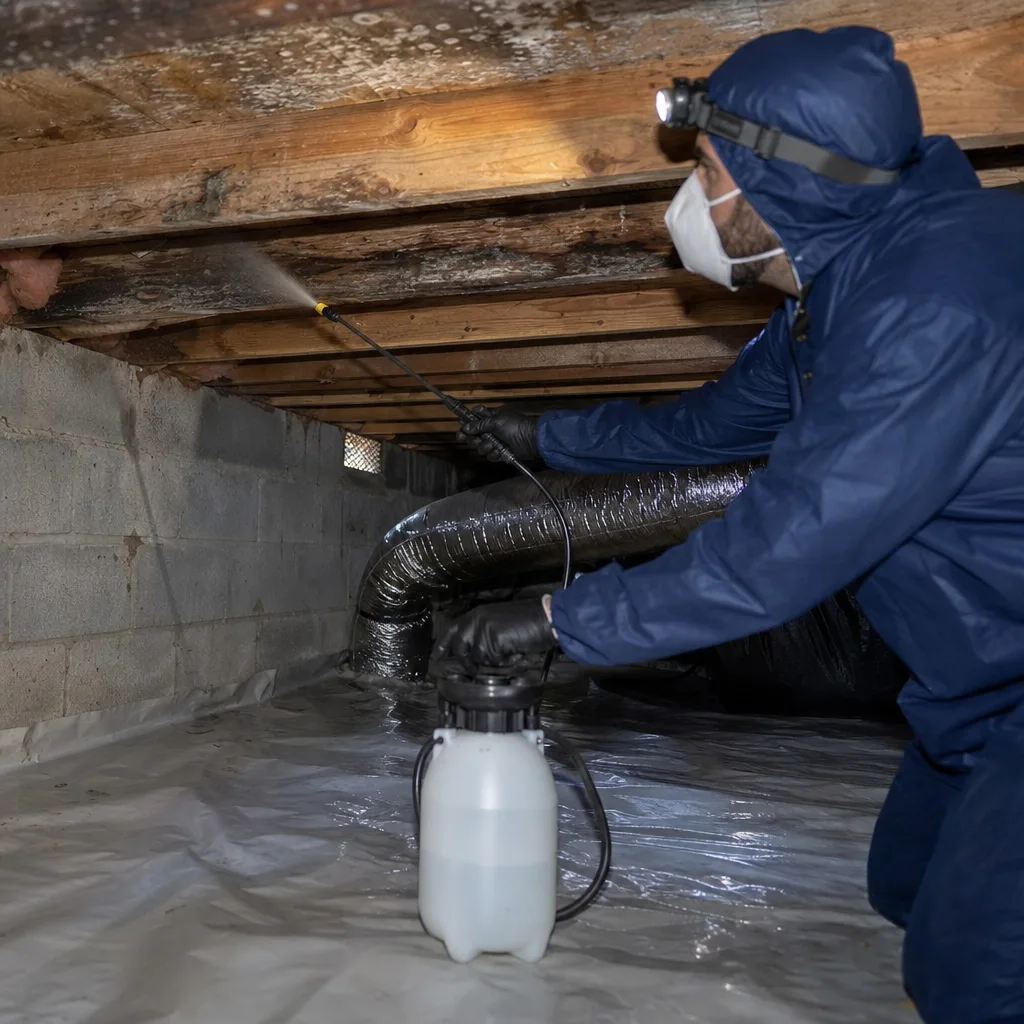
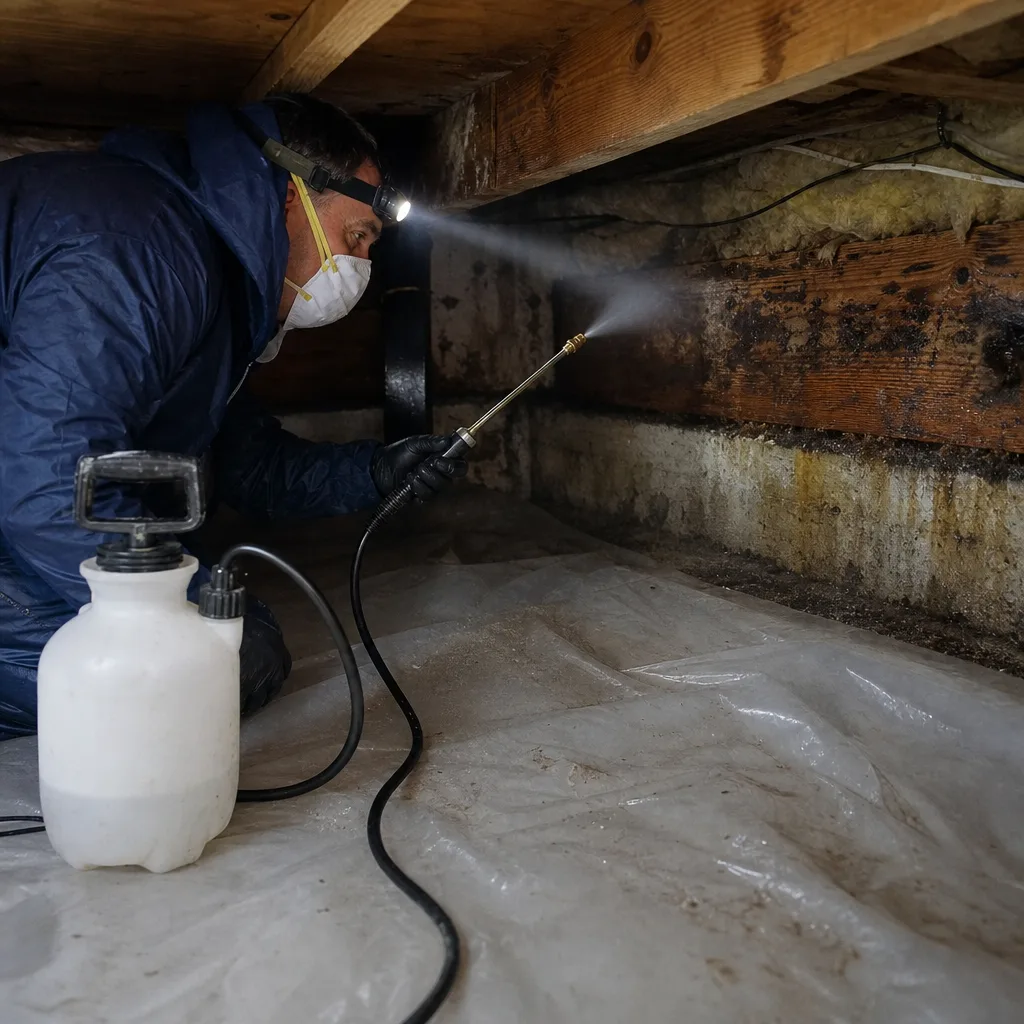
Mold remediation exceeding 10 square feet. South Coast Air Quality Management District Rule 1403 requires notification and, in many cases, permits for mold remediation beyond 10 contiguous square feet. This is not an LADBS building permit but a regulatory filing that creates a public record. The rule applies throughout the South Coast Basin, which includes all of Los Angeles County. Remediation contractors must submit a work plan, and in some cases an air sampling protocol, before disturbance begins.
Electrical panel exposure or rewiring. Any restoration work that exposes electrical panels, requires temporary power disconnection, or involves rewiring - common in fire damage and significant water losses - triggers an electrical permit. This is non-negotiable. We’ve arrived at jobs in Silver Lake where previous contractors dried the structure but left wet romex in place, creating a condition that required full rewiring and permit retroactivity.
Plumbing system disturbance. Cutting into supply lines, replacing sewage-affected drainage, or accessing slab leaks for drying purposes requires a plumbing permit. In Los Angeles, where many mid-century homes have galvanized supply lines already at end-of-life, restoration frequently intersects with plumbing replacement.
Load-bearing wall repair. Fire, water, or vehicle-impact damage to load-bearing walls requires structural engineering review and a building permit. This includes sistering studs, replacing sill plates, or installing temporary shoring during drying.
HVAC system contamination. Duct replacement or cleaning in fire or mold scenarios sometimes requires mechanical permitting, particularly when flex duct is replaced with rigid metal or when returns are reconfigured.
Key restoration tasks that typically do not require permits: surface water extraction, carpet and pad removal (non-glued), portable dehumidification without structural opening, and content cleaning. The line is structural disturbance and system access, not the severity of the initial damage.
Building Permits vs. Cal/OSHA Permits: Two Different Systems
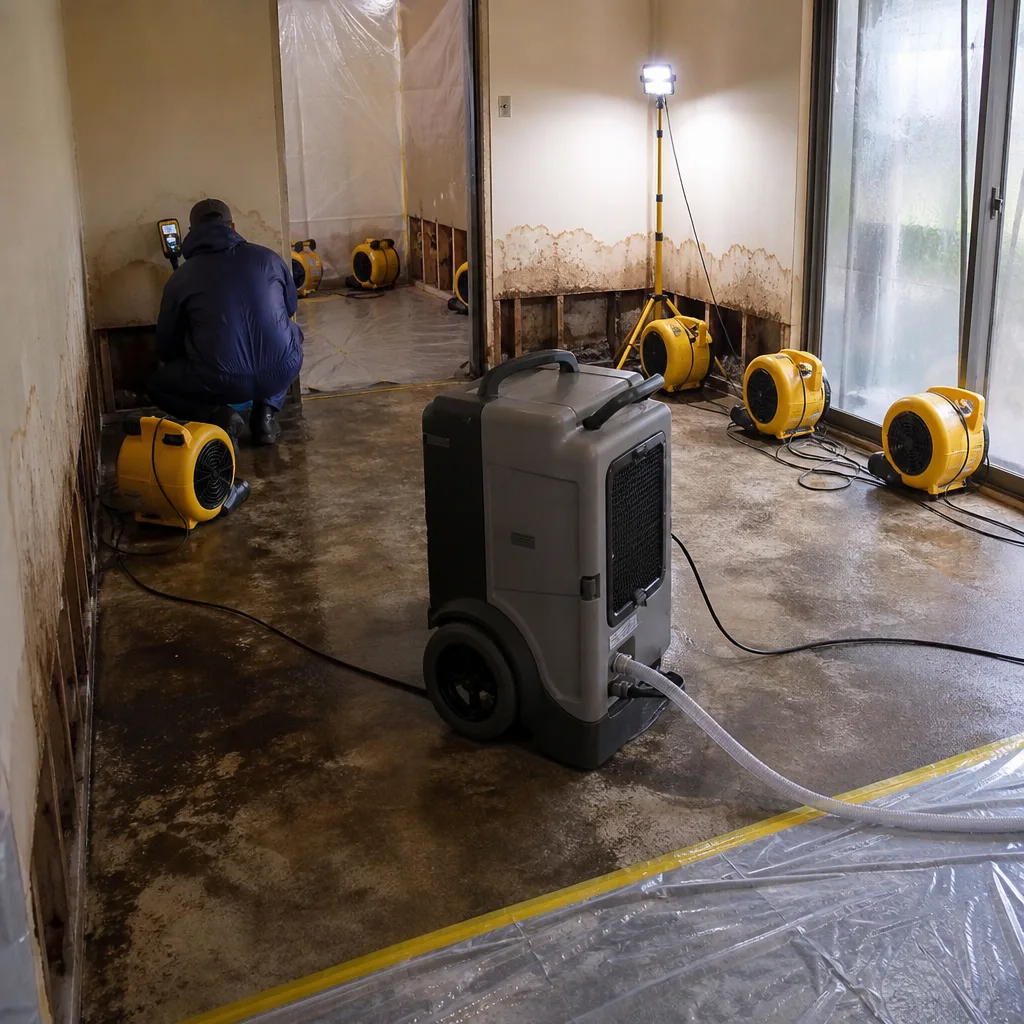
Homeowners often conflate these. They operate under different agencies, with different triggers, and ignorance of the distinction has cost Los Angeles property owners tens of thousands in abatement reopening.
LADBS building permits govern structural integrity, electrical safety, plumbing code compliance, and mechanical system integrity. They are issued by the city, inspected by LADBS plan checkers and field inspectors, and create a permanent record attached to the Assessor’s Parcel Number (APN). Building permits are what future buyers, insurers, and appraisers see.
Cal/OSHA permits-to-work govern worker safety during hazardous material disturbance. They do not create a property record in the same way, but they are legally mandatory for lead and asbestos abatement, and the absence of proper Cal/OSHA documentation can expose a property owner to liability if a worker later files a claim.
The critical distinction: your home’s construction year determines which Cal/OSHA regulations apply.
- Pre-1978 homes: Lead-based paint is presumed present. Any restoration work that disturbs painted surfaces - sanding, scraping, demolition - requires a Cal/OSHA lead compliance plan and certified renovator oversight. This applies to virtually every fire and water restoration in Los Angeles neighborhoods like Los Feliz, Pasadena-adjacent areas, and original Venice construction.
- Pre-1981 homes: Asbestos-containing materials (ACM) are presumed in surfacing materials, thermal system insulation, and flooring. Disturbance requires Cal/OSHA notification, air monitoring, and in many cases a full abatement permit through the South Coast AQMD.
- 1981 and later: Asbestos is not presumed, but if testing identifies ACM, the same requirements apply.
We’ve encountered this directly in restoration work near the Hollywood Hills, where a 1964 ranch home with original acoustic ceiling texture required full asbestos abatement permitting before mold remediation could proceed. The mitigation-only contractor who started work without testing created a stop-work order that delayed the project three weeks and added $8,400 in emergency abatement costs.
Verifying which applies: any restoration contractor worth hiring will conduct pre-disturbance testing for homes built before 1981, and for lead on pre-1978 homes, before submitting a work plan. Ask for the test results by name: polarized light microscopy (PLM) for asbestos, X-ray fluorescence (XRF) or laboratory paint chip analysis for lead.
Who Can Legally Pull a Restoration Permit in California
This is where many restoration projects founder. California contractor licensing law is specific about which license class can perform - and therefore permit - which work. A company that performs mitigation (water extraction, drying, surface cleaning) is not automatically qualified to perform and permit structural repairs. Our How to Hire a Damage Restoration Contractor in Los Angeles: A Step-by-Step Guide explains how to verify qualifications before you sign.
The license classes that matter for restoration:
- B-General Building Contractor: Can perform and permit structural repairs, including framing, drywall, flooring, and finish work. A B license holder can subcontract electrical, plumbing, and mechanical work but cannot perform that trade work themselves without the appropriate specialty license.
- C-36 Plumbing Contractor: Required for plumbing permits, including sewage cleanup that involves line replacement or repair.
- C-10 Electrical Contractor: Required for electrical permits. Fire restoration frequently requires this when circuits are damaged or panels are exposed to heat or water.
- C-20 Warm-Air Heating, Ventilating and Air-Conditioning Contractor: Required for HVAC permits in mold or fire scenarios involving duct replacement.
- C-21 Demolition Contractor: Sometimes required for selective demolition in preparation for structural drying or abatement.
- Asbestos and Lead Certification: Separate from CSLB licensing; required for Cal/OSHA compliance on applicable projects.
The mitigation-only trap. Many water damage restoration companies operate with no CSLB license or with a specialty cleaning license that does not authorize structural repair. They can extract water, place drying equipment from Phoenix or XPOWER, and monitor psychrometric data - but they cannot legally open walls for structural drying, replace drywall, or perform any work that requires a building permit. When they do, the permit cannot be pulled in their name, and the work is unpermitted by definition.
We’ve reviewed competitor estimates in Los Angeles where a “restoration” quote included wall cavity drying but the company held only a janitorial service license. The homeowner would have been left with unpermitted wall openings and no path to proper closure. At DryMark Restoration Los Angeles home, we hold the appropriate licenses for the work we perform, and we pull permits in our name - not the homeowner’s, not a subcontractor’s.
Why this matters for liability. The contractor who pulls the permit is the responsible party for code compliance. If work fails inspection, the permit-holder corrects it. If injury occurs, the permit-holder’s insurance and bond respond. Homeowners who pull permits themselves - sometimes encouraged by unlicensed contractors - assume this liability directly, and their homeowner’s insurance may not cover defects in work they directed.
How Permit Records Appear on Your Property’s Title History
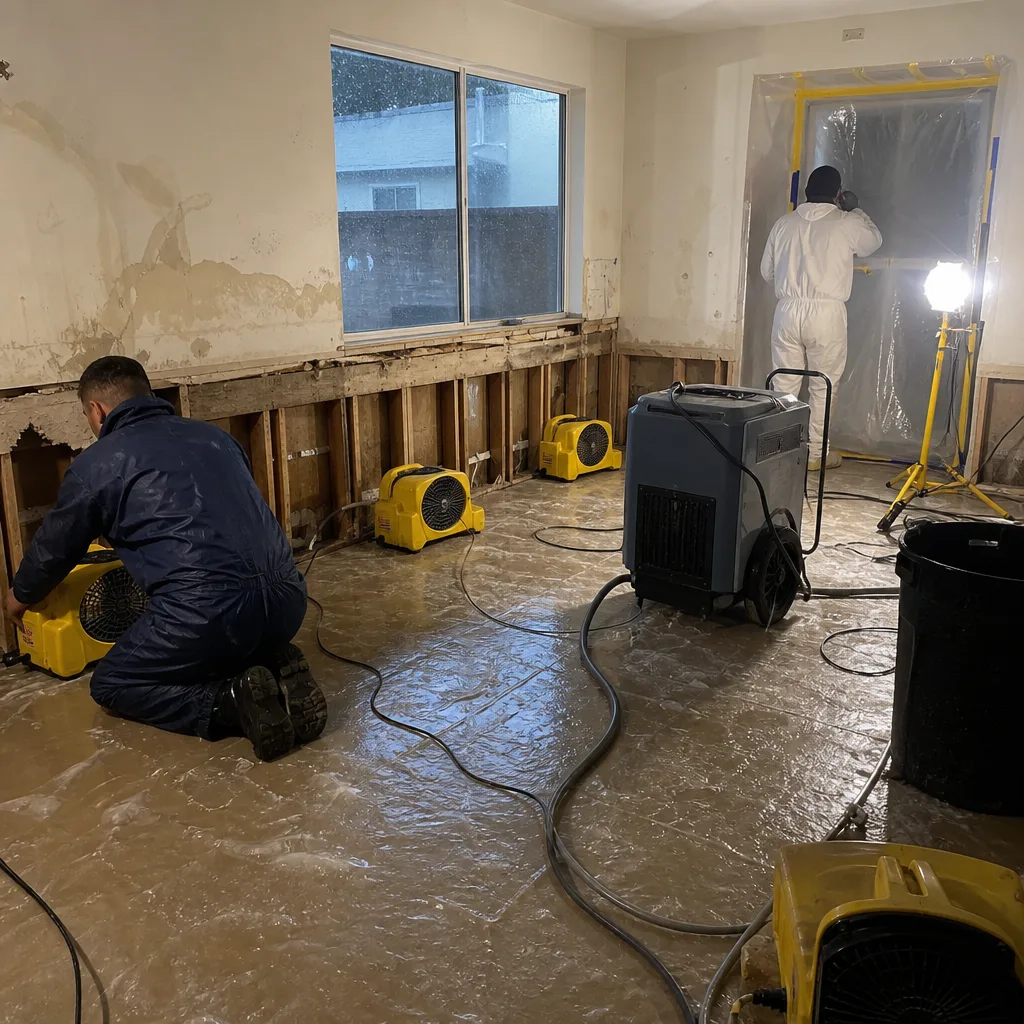
Permit records in Los Angeles are public and persistently attached to the Assessor’s Parcel Number. They appear in title searches, AVM (automated valuation model) reports, and increasingly in insurance underwriting databases. Understanding this lifecycle prevents surprises at sale or refinance.
Where the records live. LADBS maintains permit history in the Electronic Permit Information System (EPIS), accessible through the LADBS permit portal using the property address or APN. Permits include application date, scope description, approved plans, inspection dates, and final sign-off status. This record is independent of county recorder filings; it exists even if no deed was transferred.
How they surface in transactions. Title companies in Los Angeles routinely query LADBS for open or expired permits as part of pre-sale clearance. A permit applied for but never finaled - common when a contractor abandons a job or an inspection fails and is never corrected - creates a cloud on title. Some lenders will not fund until open permits are closed. Cash buyers increasingly request permit history as a due diligence item.
The unpermitted work disclosure obligation. California Civil Code Section 1102 requires sellers to disclose material facts affecting property value. Unpermitted restoration work - a kitchen rebuilt after fire damage without permits, a mold remediation that opened walls without LADBS or AQMD filing - is material. Failure to disclose can result in post-sale liability, even in as-is transactions. We’ve consulted on disputes in the San Fernando Valley where buyers discovered unpermitted post-fire repairs two years after purchase and successfully recovered remediation costs from sellers who knew but failed to disclose.
Insurance consequences. Carriers increasingly use permit data in underwriting. A property with unpermitted electrical work may be rated higher or declined. In extreme cases, a carrier can rescind coverage if unpermitted work contributed to a subsequent loss. We’ve seen this in coastal Los Angeles properties where unpermitted flood repairs created conditions that led to secondary mold claims.
The retroactive permit path. If you discover unpermitted restoration work on your property - from a prior owner, or from a contractor who failed to permit - the path forward is an as-built permit application. This requires exposing the work for inspector verification, which in restoration terms often means removing drywall that was just replaced, opening walls to show framing and plumbing, or testing electrical circuits. The cost typically runs 150-200% of the original work, not including finishes. Prevention is vastly cheaper than cure.
How to Use the LADBS Permit Portal to Verify Work
Every Los Angeles property owner should know how to check their own permit history. The process is straightforward and free.
- Navigate to the LADBS permit portal. Search “LADBS EPIS” or access through the Los Angeles Department of Building and Safety website. No account is required for basic permit history.
- Enter your property identifier. Use the full street address or the 10-digit Assessor’s Parcel Number (APN), found on your property tax bill. Address searches work best with the standard Los Angeles format: street number, direction, street name, street type.
- Review the permit history table. The portal returns a chronological list of all permits on record. Columns include permit number, type (building, electrical, plumbing, mechanical), description, issue date, and status.
- Check status carefully. “Issued” means the permit was approved but may not have been inspected. “Final” or “Completed” means all required inspections passed. “Expired” means the permit lapsed before completion - a red flag requiring follow-up. “Suspended” or “Revoked” indicates enforcement action.
- Click through for detail. Each permit number links to inspection history, showing dates, inspector IDs, and results (approved, corrections required, reinspection needed).
- Verify restoration-specific scope. Look for descriptions that match your damage history: “repair fire damage to interior,” “mold remediation,” “water damage repair,” “replace electrical panel.” If the scope doesn’t match the work performed, the permit may not cover it.
- Request missing records if needed. Older permits, particularly pre-2000, may not be fully digitized. LADBS maintains microfilm records that can be retrieved with a formal request.
What to do if work was not permitted. First, contact the contractor who performed the work and request permit documentation. If they cannot produce it, or if they were unqualified to pull it, consult a licensed B-contractor about the as-built permit process. Do not wait for a sale or insurance event to surface the issue. In Los Angeles, where property turnover is high and values are significant, unpermitted restoration work is a known transaction killer. For early warning indicators, see our Damage Restoration Warning Signs: A Los Angeles Homeowner’s Reference Guide.
What to do if inspections were not finaled. An open permit can often be closed with a final inspection if the work remains accessible. If finishes have been installed over the work, the inspector may require selective removal. A qualified contractor can advise on the minimum exposure needed. At Water Damage Restoration in Los Angeles, we handle this process for properties where prior work was left incomplete.
Where Insurance Claims and Permit Requirements Intersect
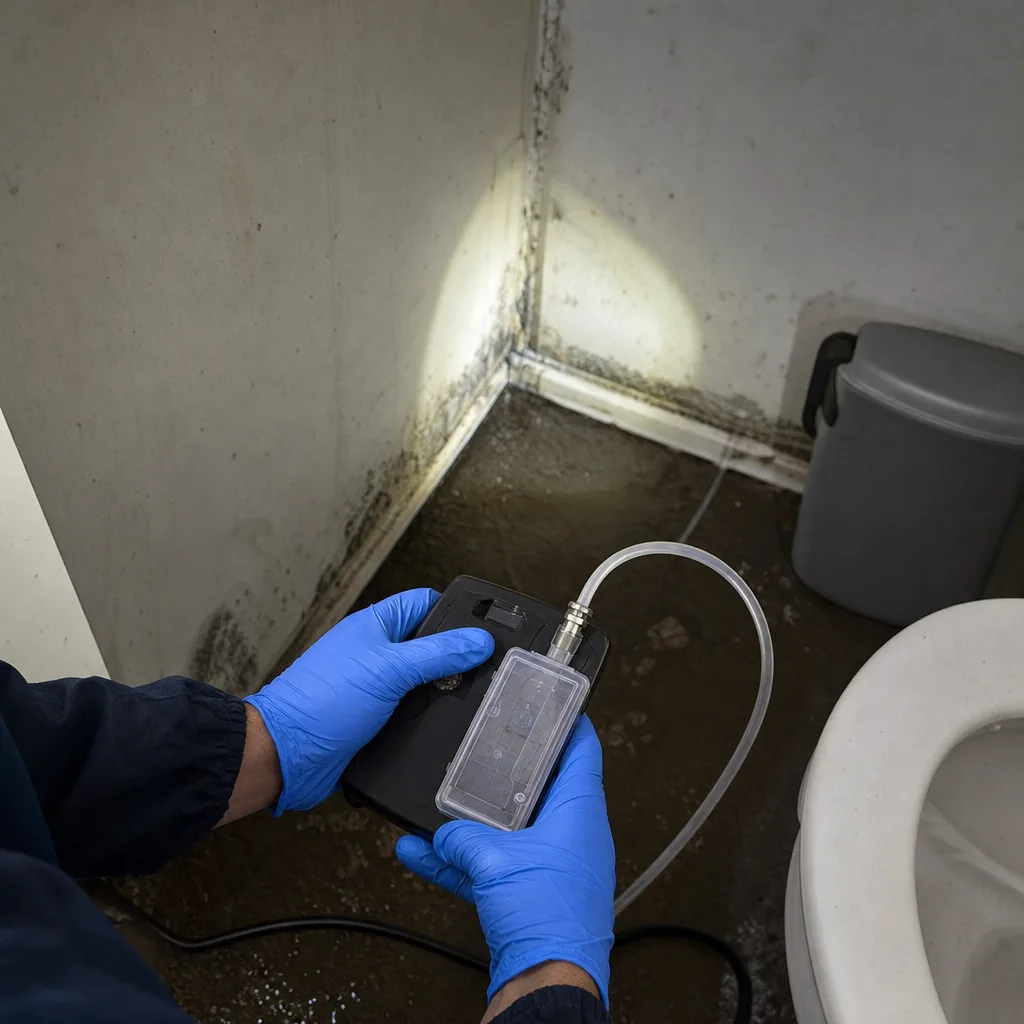
Insurance adjusters and building departments operate on different timelines and priorities. The adjuster wants to settle the claim. The inspector wants code compliance. When these conflict, the property owner is caught in the middle unless their restoration contractor understands both systems.
The scope gap. Insurance scopes of work - written in estimating platforms like Xactimate or Symbility - describe what is damaged and what is functionally equivalent to replace it. They do not automatically include permit costs, inspection fees, or code-upgrade requirements. In Los Angeles, where the Building Code is updated on a three-year cycle and seismic and energy requirements are stringent, code upgrades are common.
Code upgrade coverage. Most homeowner policies include some code upgrade coverage, typically 10-25% of the dwelling limit, but it must be specifically claimed and documented. The permit and inspection record is the documentation. Without it, the carrier may deny the upgrade portion. We document every permit application and inspection result to support these claims.
The mortgagee clause complication. When a property has a mortgage, insurance claim checks are often made jointly to the homeowner and lender. The lender may require permit verification before releasing funds for structural repairs. We’ve seen this delay projects in Los Angeles by weeks when prior work was unpermitted and the lender demanded clearance before funding continuation.
Photo documentation as claim support. Our standard practice - a photo record on every visit, with moisture readings, equipment placement, and progressive drying documentation - serves dual purposes. It supports the insurance claim by proving the work was necessary and performed. It supports the permit process by providing visual evidence of conditions before, during, and after repair. When we deploy Injectidry systems for hardwood floor drying or B-Air units for large-loss dehumidification, every placement is photographed and logged.
Direct adjuster coordination. We coordinate directly with adjusters on permit requirements, providing them with permit applications, inspection schedules, and code upgrade justifications. This prevents the common scenario where a homeowner pays for permit-related costs out of pocket and then struggles to recover them from a closed claim.
Permit Costs and Inspection Timelines in Los Angeles
Permit costs in Los Angeles are formula-driven and predictable. Timelines are less so, varying with LADBS workload and project complexity.
Typical permit costs for restoration work:
- Building permit for structural repair (drywall, framing, flooring): valuation-based, approximately $200-$500 for typical residential restoration up to $25,000 in construction value
- Electrical permit: $200-$400 for panel work or circuit replacement
- Plumbing permit: $150-$350 for line repair or replacement
- Mechanical permit (HVAC): $150-$300 for duct replacement
- Demolition permit: $200-$400 for selective demolition in preparation for repair
- South Coast AQMD Rule 1403 notification: $150-$300 filing fee for mold remediation
- Plan check fees: additional 50-85% of permit fee when plans are required
Timeline expectations:
- Simple permit (no plans required): 1-3 business days for issuance
- Plan check required: 2-4 weeks for initial review, longer for corrections
- Inspection scheduling: 3-10 business days after request, varying by trade inspector availability
- Typical restoration project: 2-4 inspections (rough, insulation, final, sometimes lath for plaster)
- Total permit timeline: 2-6 weeks for typical residential restoration, longer for complex or historic properties
Los Angeles-specific factors. LADBS operates multiple offices; the Metro office handles most central Los Angeles and Hollywood properties, while Valley offices serve the San Fernando Valley. Scheduling varies by location. Historic-Cultural Monuments and properties in HPOZs (Historic Preservation Overlay Zones) require additional review, adding 2-4 weeks. We’ve worked on restoration projects in Angelino Heights and West Adams where HPOZ review extended the permit timeline by six weeks, requiring careful coordination with insurance carriers on additional living expense coverage.
Expedited processing. LADBS offers expedited plan check for an additional fee (typically double the standard plan check fee). This reduces review time to 5-10 business days. For emergency situations - structural damage posing imminent safety risk - an emergency permit can sometimes be issued same-day with engineer sign-off.
Common Mistakes to Avoid
- Assuming mitigation equals repair. Water extraction and drying are not the same as structural repair. A company that places XPOWER air movers can perform mitigation; only a properly licensed contractor can perform and permit the repair that follows. Verify license class before signing.
- Pulling permits in the homeowner’s name. Some unlicensed contractors ask homeowners to pull permits to avoid revealing their lack of qualification. This transfers liability to the homeowner and may void insurance coverage for defective work. Never agree to this.
- Ignoring pre-1978 lead requirements. In Los Angeles, where housing stock is older than the national average, lead-safe practices are frequently required. A contractor who begins demolition without lead testing or containment is violating Cal/OSHA and EPA RRP rules, exposing you to liability.
- Accepting “permit not required” without verification. Contractors sometimes claim permits aren’t needed to avoid delay or cost. Verify independently through LADBS. The 15-minute phone call is free; the unpermitted work correction is not.
- Failing to final inspections. A permit is not complete until finaled. Some contractors complete work but never schedule final inspection, leaving an open permit that clouds title. Request final sign-off documentation before final payment.
- Not disclosing unpermitted prior work at sale. If you discover unpermitted restoration from a prior owner, disclose it. The cost of proactive correction is almost always less than the cost of a post-sale dispute or failed transaction.
- Letting insurance scope override code requirements. An insurance estimate that omits permit costs is incomplete, not correct. The restoration contract should include permit and inspection fees, with documentation to support insurance recovery.
When to Call a Professional
Call a licensed restoration contractor when your damage involves structural materials, electrical or plumbing systems, mold beyond 10 square feet, or any home built before 1981 where hazardous materials may be present. The permit determination should be made by a qualified professional before work begins, not after walls are open and inspectors are involved. DryMark Restoration Los Angeles home offers free estimates in Los Angeles - call (424) 351-3396. We’ll assess your damage, identify applicable permit requirements, and provide a written scope and price before any work starts, with all permit costs itemized. Our documentation package includes permit applications, inspection schedules, and the photo record that supports both code compliance and insurance recovery.
Frequently Asked Questions
Yes, if the restoration involves opening wall cavities, exposing electrical or plumbing systems, or replacing structural materials like framing or subfloor. Surface extraction and portable drying typically do not require permits. Call (424) 351-3396 and we’ll evaluate your specific damage.
The licensed contractor performing the work should pull permits in their name. This ensures they assume liability for code compliance and that their insurance and bond cover the work. Never pull permits for a contractor who asks you to do so. At DryMark Restoration Los Angeles, we pull all required permits for work we perform.
Most policies include code upgrade coverage that applies to permit costs required by current building code, typically 10-25% of your dwelling limit. The key is documentation: the permit application must show that the work was code-required, not merely preferred. We document this in every claim we coordinate.
Use the LADBS Electronic Permit Information System (EPIS) portal. Enter your address or Assessor’s Parcel Number to view all permit history. Look for permits matching your damage dates with “Final” status. If you find “Issued” or “Expired” permits, or no permits for known work, further investigation is warranted.
Unnotified mold remediation in excess of 10 square feet violates Rule 1403 and can result in enforcement action, including fines and stop-work orders. The violation attaches to the property and may be discovered in future permit applications or transactions. Proper notification is the contractor’s responsibility.
Only if they hold the appropriate CSLB license, typically a B-General Building Contractor license. Many mitigation companies do not. Verify license class at cslb.ca.gov before authorizing structural work. We hold the licenses for both mitigation and reconstruction, with permits pulled in our name throughout.
The Bottom Line
Permits in Los Angeles restoration are not bureaucratic obstacles. They are the documentation that protects your property’s value, your insurance claim’s payability, and your liability exposure in future transactions. The critical questions are not whether permits exist - they almost always do for meaningful restoration - but who pulls them, who owns the compliance liability, and whether the record is complete and final. Verify your property’s permit history through LADBS. Demand that your restoration contractor identify applicable permits before work begins. And never accept unpermitted work as a time or money savings; the cost surfaces eventually, with interest.
Written by Alicia Brennan, Owner at DryMark Restoration Los Angeles, serving Los Angeles since 2011.