
Last updated September 23, 2026
Free visual inspection and a written scope of work before any mitigation begins - photos, moisture readings, and drying logs go in your claim file
The scope we write is the scope we bill. Anything new gets shown to you, in writing, before we touch it.
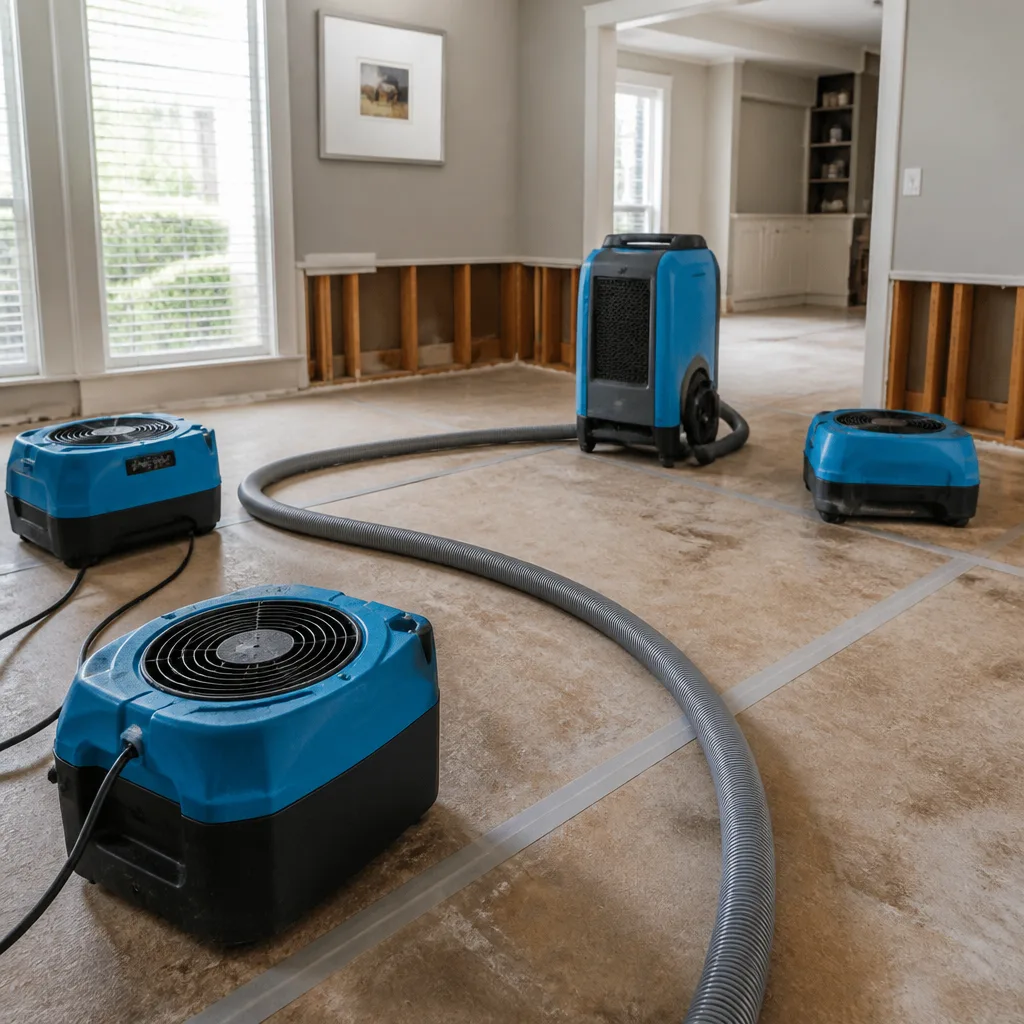
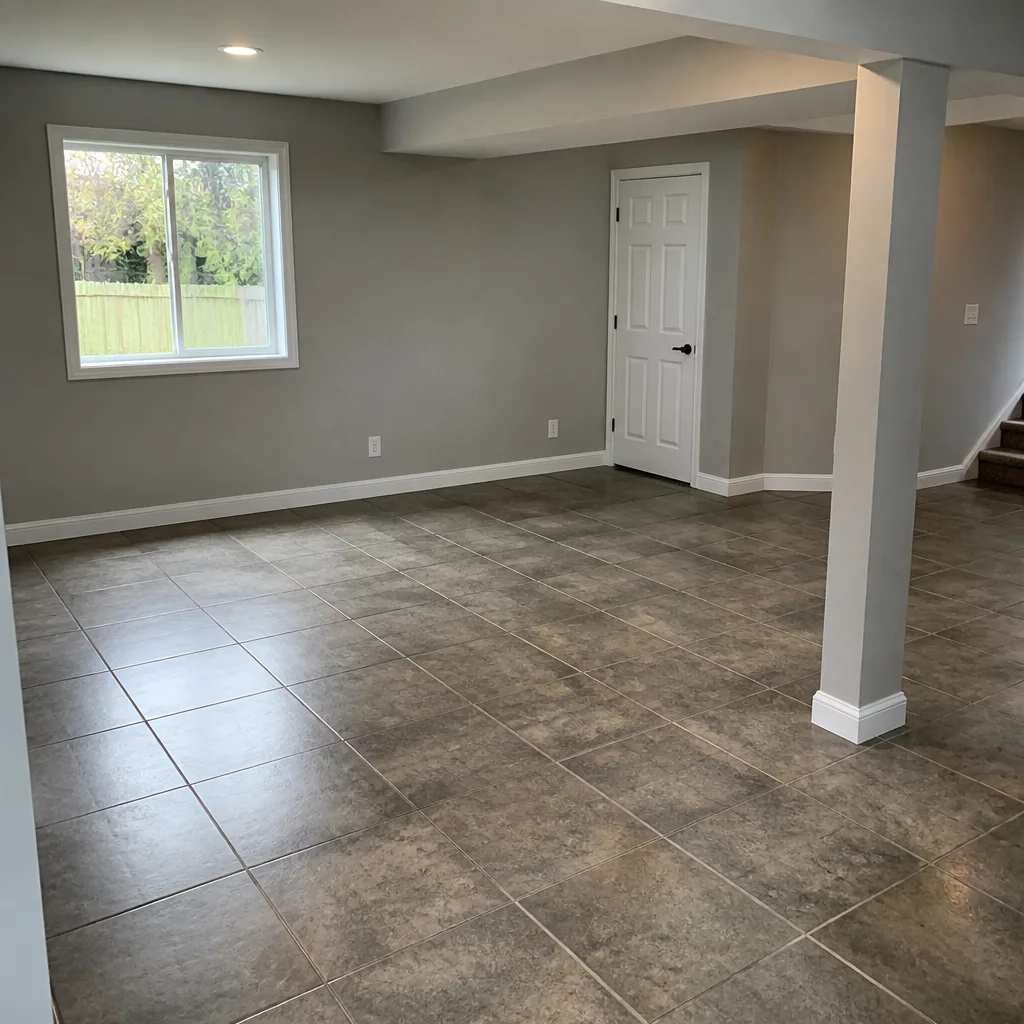
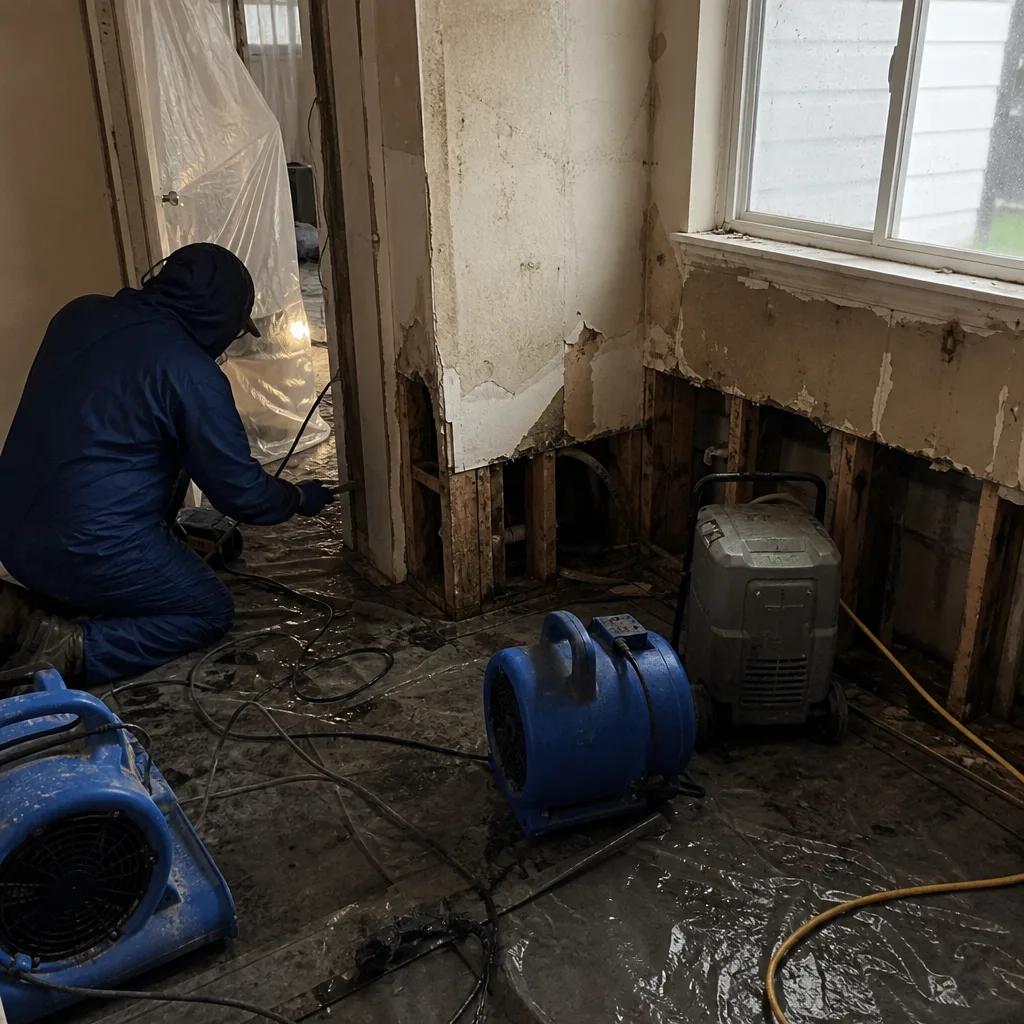 Before
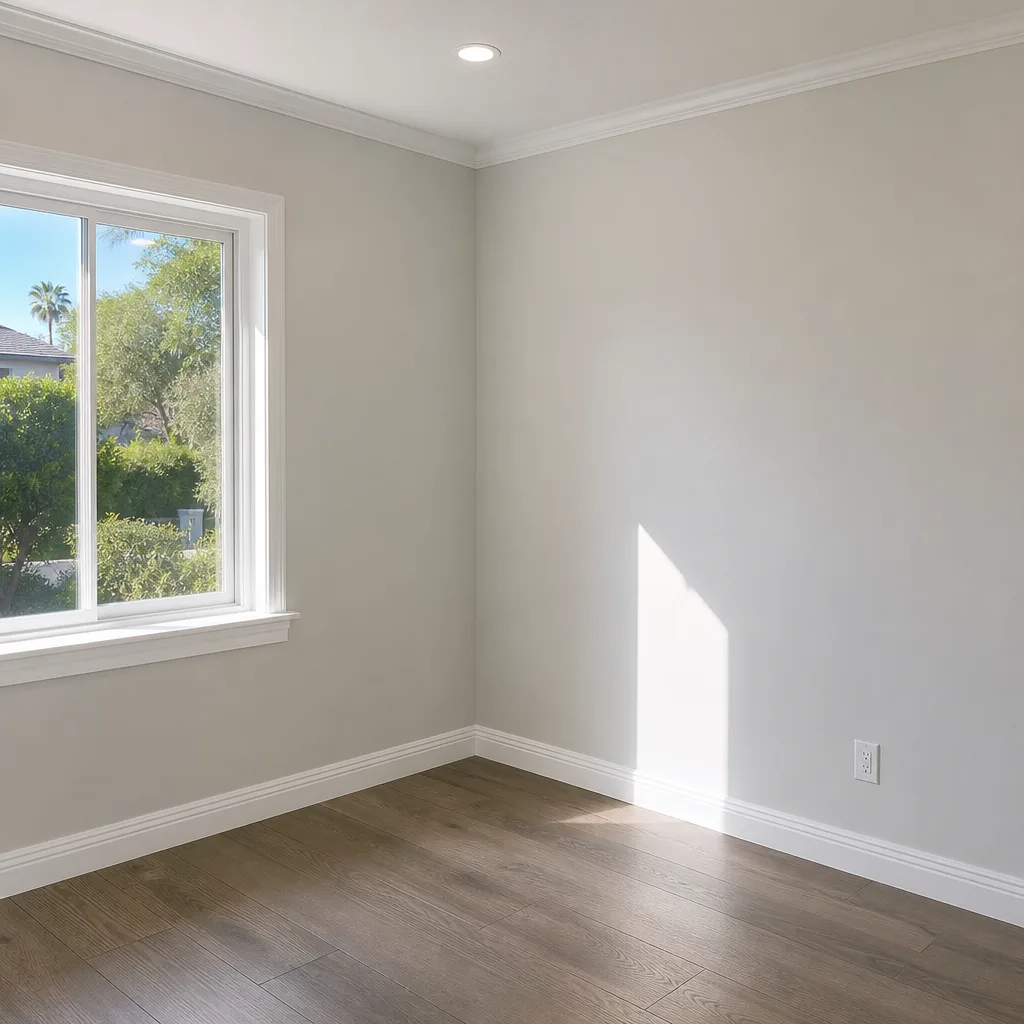 After
After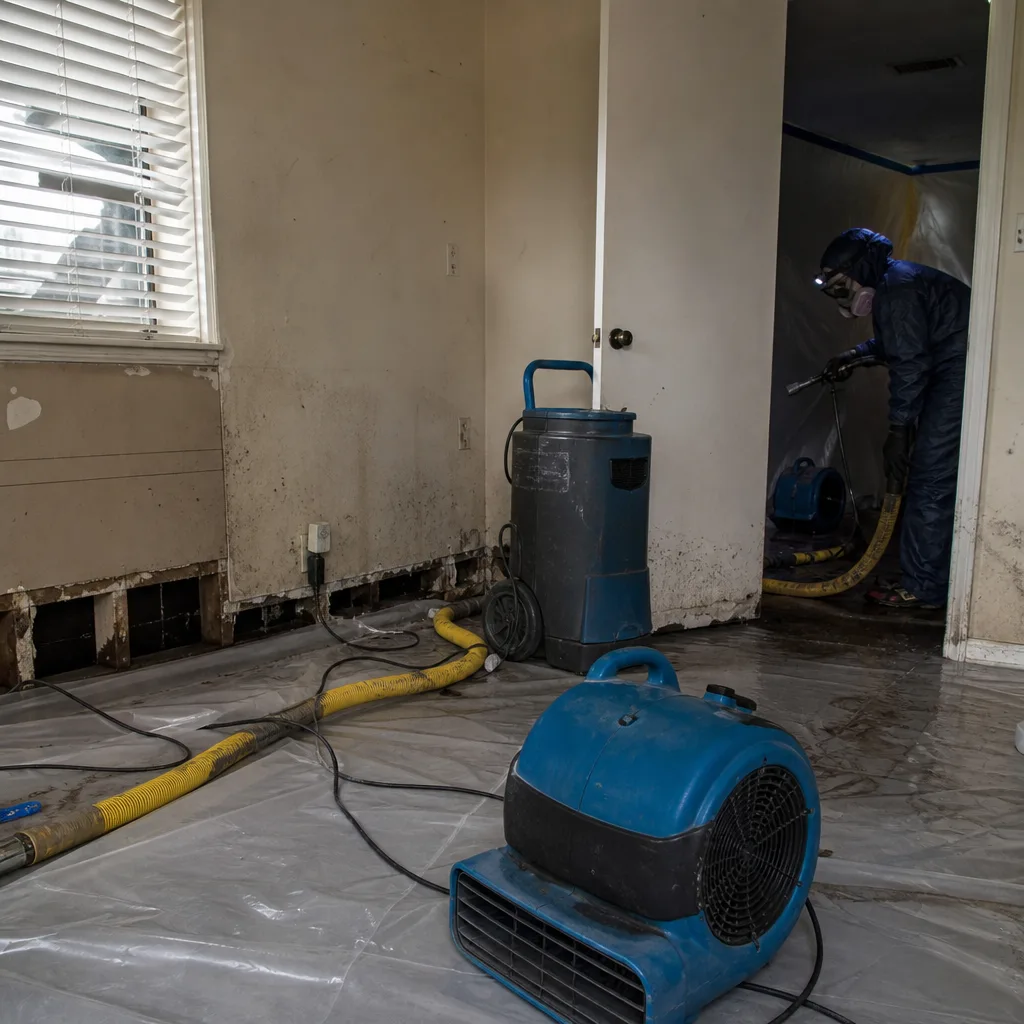 Before
 After
After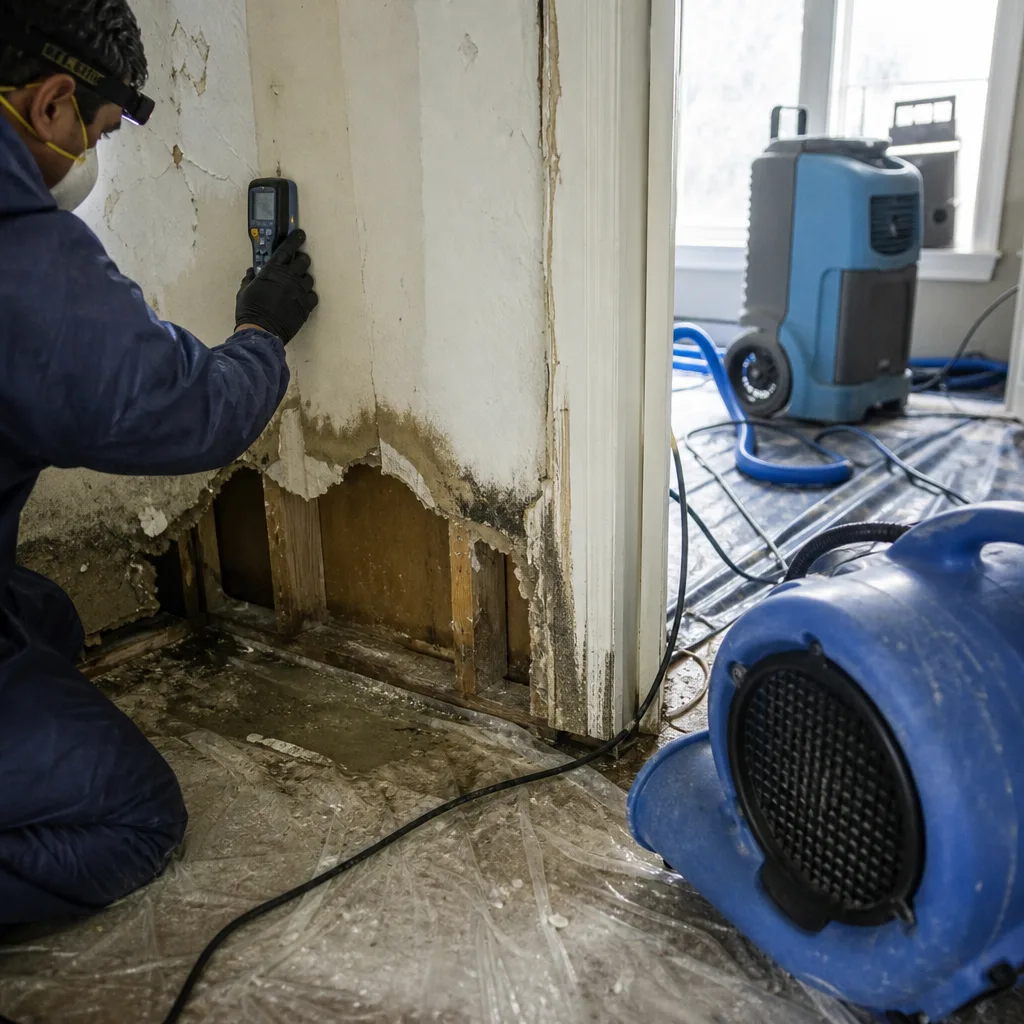 Before
 After
AfterSeasonal Damage Restoration Care for Los Angeles: Year-Round Homeowner’s Guide
After the 2023 atmospheric river series, LADBS issued more than 2,400 yellow and red tags in hillside zones - the majority involving water intrusion through building envelope failures that had been developing silently through the preceding dry season. Los Angeles homeowners face a damage risk calendar that runs opposite to what national guides describe: the highest structural moisture risk arrives not from summer humidity but from the October-through-March atmospheric river sequence landing on homes that spent eight dry months with cracked sealants, shifted foundations, and vegetation grown into drainage paths. This guide maps specific, measurable homeowner actions to each seasonal risk window, with thresholds that tell you when to act and when to call for professional documentation. For a deeper dive, see our Complete Guide to Damage Restoration in Los Angeles.
Quick Answer
Seasonal damage restoration care in Los Angeles requires four distinct maintenance windows: September-October pre-rain envelope sealing with measurable baseline readings, January-February active-storm monitoring of interior humidity and sump cycles, March-April post-season assessment for hidden intrusion, and June-August HVAC condensate and wildfire smoke infiltration checks. Homes that follow this calendar spend 60-80% less on remediation than those that wait for visible damage. The key is documenting each season’s readings so they function as pre-loss evidence if a claim arises later.
Table of Contents
- September-October: The Pre-Rain Window That Determines Your Winter
- January-February: Active-Storm Monitoring and Thresholds
- March-April: Post-Season Assessment - Finding What Hid
- June-August: HVAC, Attics, and Wildfire Smoke Interaction
- How to Build a Seasonal Log That Functions as Pre-Loss Documentation
- What Seasonal Prevention Costs vs. Remediation in Los Angeles
- Common Mistakes to Avoid
- When to Call a Professional
- Frequently Asked Questions
 Before
 After
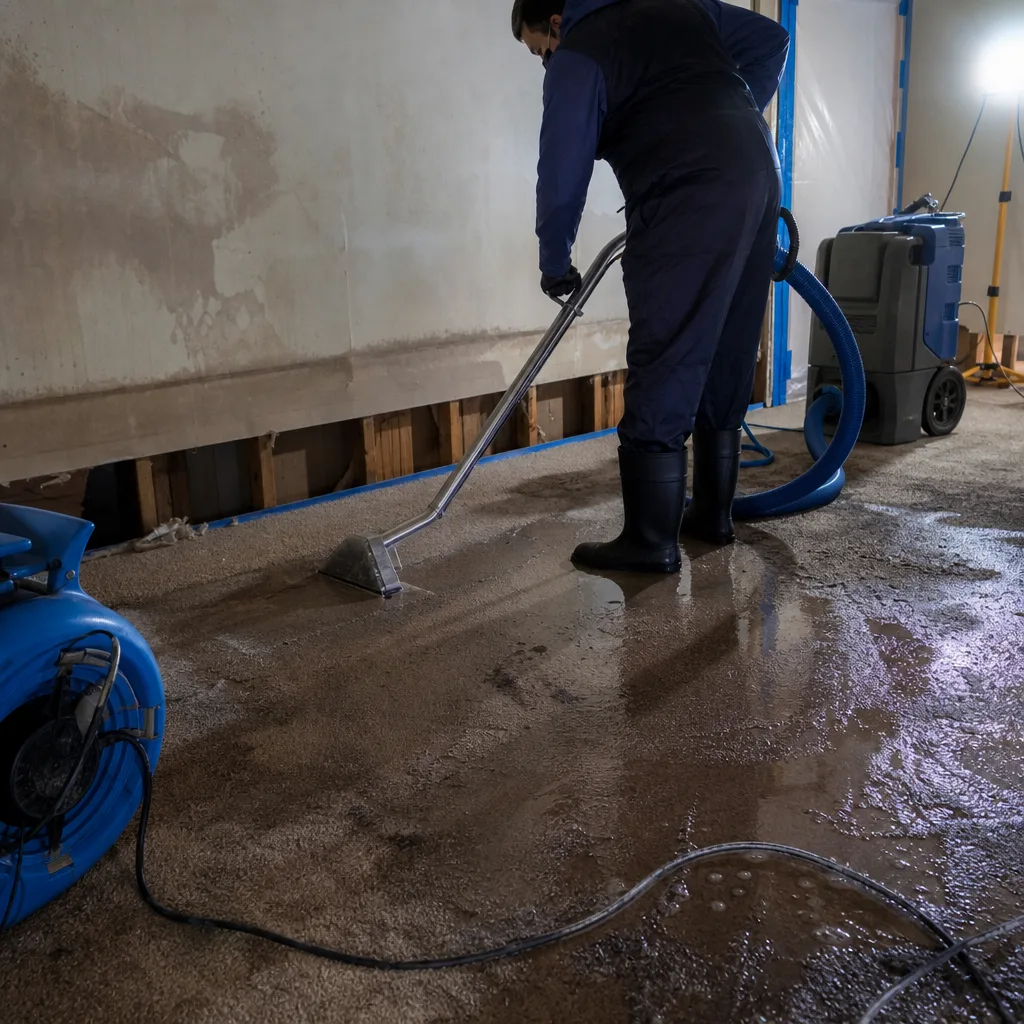
AfterSeptember-October: The Pre-Rain Window That Determines Your Winter
The eight-month dry season in Los Angeles is not benign. It bakes sealants to brittleness, opens hairline cracks in stucco as clay soils shrink, and allows vegetation to establish root systems in gutters and drainage channels. By late September, the average homeowner has three to five weeks before the first significant rain event. What you do in that window determines whether water enters as surface runoff or finds its way into wall cavities.
We recommend three measurable actions with pass-fail standards:
- Downspout clearance confirmed by water-flow test. Run a hose at roof-level volume into each gutter for 90 seconds. Water should exit the downspout base within 15 seconds with no overflow at the gutter rim. If it pools or backs up, the blockage is downstream - often in the underground drain line where roots have entered during the dry months. Document with a photo showing the flow and the timestamp.
- Sealant elasticity check at window and door penetrations. Press a flat screwdriver gently against exterior sealant beads. If the material cracks or separates from the substrate rather than depressing and rebounding, it has lost elasticity. In Los Angeles, UV exposure at 80+ days above 85°F annually degrades polyurethane sealants to failure in 18-36 months. Replace with a paintable, high-elongation silicone-polyether hybrid rated for 50% joint movement. Check the north-facing elevations first - they accumulate moisture from marine layer contact even in dry months.
- Moisture reading baseline recorded at six interior reference points. Using a pinless moisture meter (available for $40-80 at hardware stores), record readings at: an interior wall midpoint on the north elevation, a window sill on the south elevation, the base of a plumbing wall, a hallway wall without plumbing, the garage-to-house wall, and a ceiling point below the roof plane. Baseline readings in Los Angeles typically run 8-14% for drywall and 6-10% for dimensional lumber. Photograph each reading location with the meter display visible. These six numbers become your evidence of pre-loss condition if a winter claim arises.
Homes in hillside neighborhoods - Silver Lake, Echo Park, the Hollywood Hills, Pacific Palisades - should add a seventh point: the lowest point of any retaining wall that has a habitable space behind it. Hydrostatic pressure against these walls increases dramatically after the first sustained rain when soils that shrank over summer rehydrate and expand. A baseline reading now lets you prove that elevated moisture in January was new damage, not pre-existing.
The cost of this September-October protocol: $80-200 in materials if you self-perform, or $350-600 if you hire a handyman. The average Los Angeles water damage claim that begins with envelope failure runs $8,400-18,000 before contents and alternate living expenses. For detailed pricing context, see our Damage Restoration Cost Breakdown: The Los Angeles Homeowner’s Reference for 2026.
January-February: Active-Storm Monitoring and Thresholds
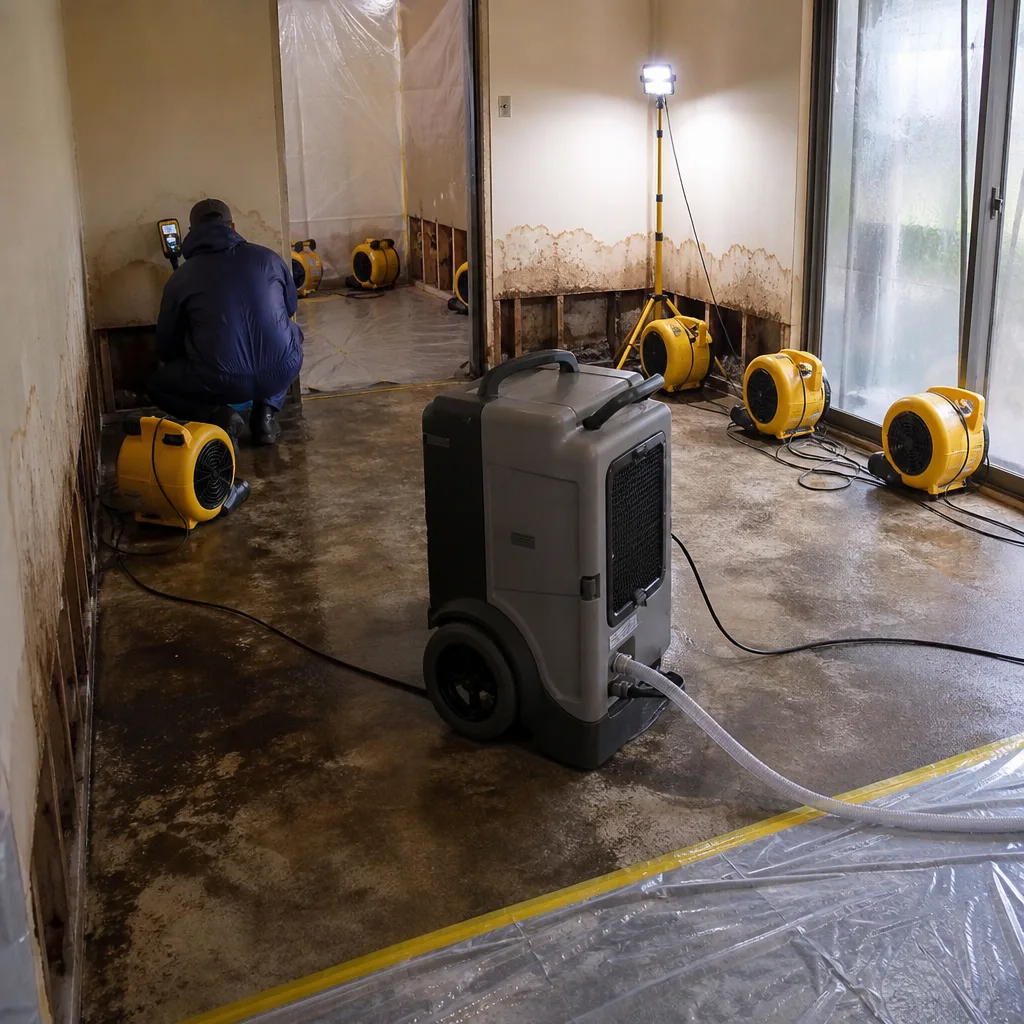
Atmospheric rivers in Los Angeles typically arrive as sequences - two to four storm systems over 10-14 days with brief drying intervals that never fully restore equilibrium moisture content in building materials. This is when hidden damage accelerates. The homeowner’s job is not to prevent all water entry (that’s the envelope’s job) but to detect it before materials degrade and mold colonization thresholds are crossed.
Monitor three variables during multi-day rain events, with specific call-for-help thresholds:
- Interior relative humidity. Measure with a digital hygrometer in the living space, not the bathroom or kitchen. Normal winter range in Los Angeles: 45-55%. If it rises above 60% and stays there for more than 24 hours while outdoor humidity is falling, you have an active moisture source inside the envelope. At 65% sustained for 48 hours, call for professional assessment - this is the threshold where mold spores germinate on cellulose surfaces.
- Visible efflorescence. White crystalline deposits on concrete, brick, or stucco surfaces indicate water is moving through the material and depositing salts. New efflorescence during a storm event means water has found a path that did not exist or was not active in previous seasons. Photograph with date stamp. If it appears on interior surfaces - garage walls, basement areas, crawl space piers - the path is through the structure, not just the finish.
- Sump cycle frequency. If your property has a sump system, count cycles during peak rain. A sump that runs every 2-3 minutes during a storm is working hard but within design. Every 30-60 seconds indicates groundwater elevation at or above the slab level, and water may be finding paths through cold joints or penetrations. Continuous running with no cycling suggests pump failure or overwhelmed capacity. Either condition warrants professional documentation before the water finds visible expression.
In our experience with water damage restoration in Los Angeles, the homes that sustain the most extensive damage are those where the owner noticed a “musty smell” in February but waited for spring to investigate. By March, mold colonization is established, wood moisture content has exceeded the 20% decay threshold, and the claim has shifted from water mitigation to full remediation with potential structural repair.
The documentation you create in January-February serves two purposes. First, it lets you act before thresholds are crossed. Second, if damage does occur, your log establishes the timeline that insurers require to distinguish sudden from long-term damage - a distinction that determines coverage under most Los Angeles-area policies.
March-April: Post-Season Assessment - Finding What Hid
The rain season ends in Los Angeles not with a final storm but with a gradual drying that can mask significant moisture accumulation. March and April are the lowest-cost window to find and document slow intrusion that never triggered visible damage during the active season. By June, evaporation has driven surface readings down while subsurface moisture remains, creating the false impression that no damage occurred.
Perform this five-point inspection in late March, after 10+ days without rain:
- Re-measure your six baseline points from October. Any reading 4+ percentage points above baseline indicates moisture accumulation. A north-wall drywall reading that was 10% in October and reads 16% in March has absorbed significant water even if the surface shows no staining. This is your most powerful pre-claim documentation - a numerical record of change.
- Inspect attic sheathing from the interior. Look for darkening of plywood or OSB, particularly at the north slope and near vent penetrations. In Los Angeles, attic temperatures in March still permit condensation on cool sheathing when warm, moist air enters from the living space. The darkening is fungal staining, often precursor to active mold. Photograph any discoloration against a reference point.
- Check crawl space or subfloor areas with a flashlight at low angle. Raking light reveals water tracks on piers, beams, and soil surfaces that overhead lighting misses. Look for soil color changes indicating past ponding, and for fungal growth on wood with moisture content above 16%. In hillside construction common to Los Feliz, Los Angeles, and Mount Washington, crawl spaces often have limited access - use a borescope camera ($30-60) through foundation vents if necessary.
- Test operability of all windows that were not opened during winter. Frames that have absorbed moisture swell and bind. A window that operated freely in October but sticks in March has likely experienced sill or jamb moisture accumulation. This is often the first visible sign of envelope failure that will worsen next season.
- Review your January-February log for any threshold exceedances that resolved without intervention. Sustained high humidity that “went away on its own” often means moisture moved from air to materials - into insulation, into wall cavities, into subfloors - where it remains available for mold growth when temperatures rise. The humidity reading dropped because the water found a home, not because it left the building.
March-April remediation of documented moisture costs 40-60% less than September remediation of the same moisture after a summer of mold growth. The difference is often the distinction between localized drying and full mold remediation in Los Angeles with containment, negative air, and material removal.
For homeowners in the DryMark Restoration Los Angeles home service area, we offer free second opinions on any competitor’s written estimate during this window - bring your March inspection findings and any contractor’s scope, and we’ll review the documentation at no charge. Haven Standard, Clause 1 applies: any work we recommend will be priced in writing before it begins.
June-August: HVAC, Attics, and Wildfire Smoke Interaction
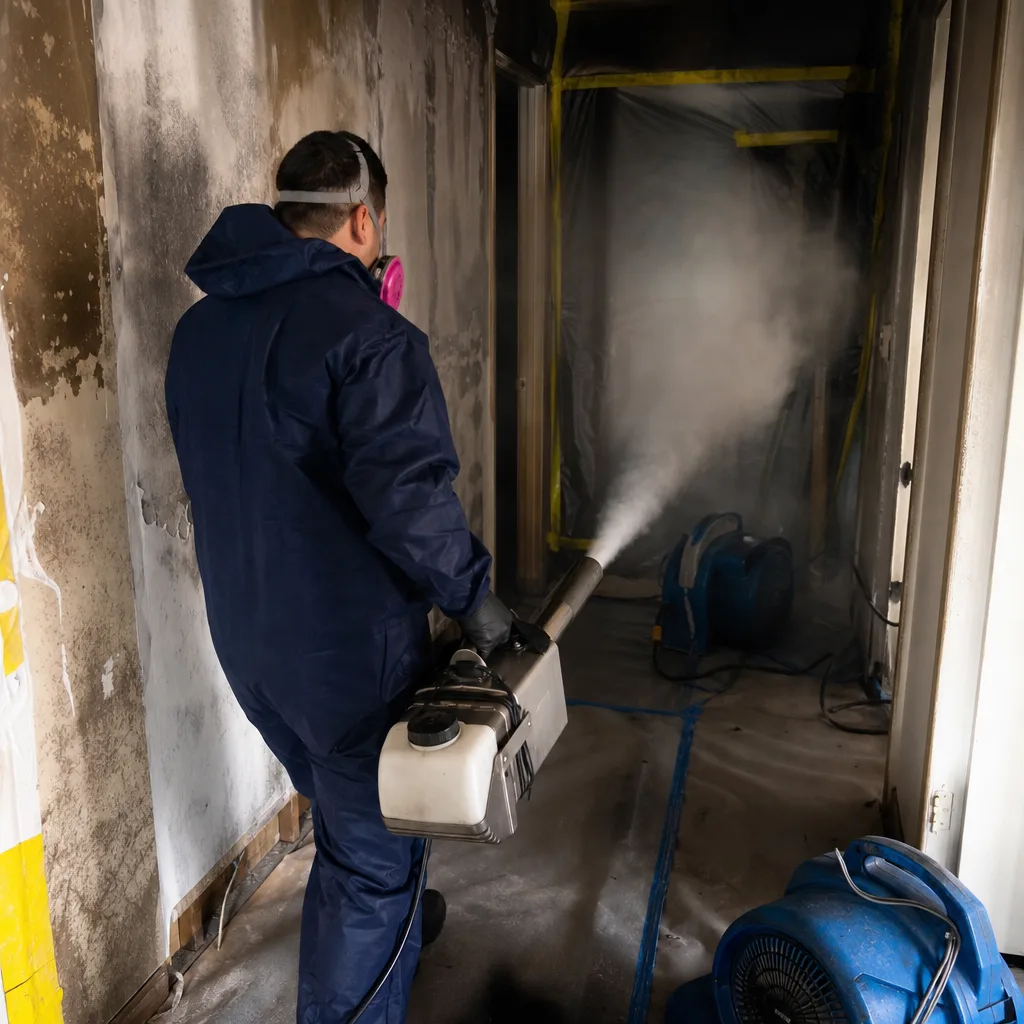
Los Angeles summers present a damage profile that national restoration guides rarely address: the interaction of wildfire smoke infiltration with existing moisture to accelerate mold colonization, and the condensate management failures that occur when cooling systems run continuously for weeks.
HVAC condensate line inspection. Primary condensate drains in Los Angeles accumulate biofilm rapidly due to mineral content in municipal water and continuous operation from June through October. A clogged drain pan overflows into the air handler platform, then into surrounding framing. Inspect the primary drain termination - usually at a exterior wall or laundry drain - for flow during operation. No flow during a cooling cycle indicates blockage. The secondary drain (often routed to a visible location as code-required backup) should be dry; if it’s flowing, the primary is already failed.
Check the evaporator coil cabinet with a flashlight for rust streaks or prior water marks. These indicate historical overflow events that may have wet surrounding structure without the homeowner’s knowledge. Previous water in the air handler platform creates a reservoir that supports mold growth when wildfire smoke introduces particulate nutrients.
Attic temperature and humidity logging. Place a remote temperature/humidity logger in your attic in early June. Los Angeles attics should peak at 130-150°F with relative humidity below 30% - conditions that inhibit biological growth. If your attic reads below 110°F peak with humidity above 50%, you have insufficient ventilation or significant air leakage from the conditioned space. The cool, moist air carries mold spores and, during wildfire events, smoke particulates that deposit on sheathing and joists. These deposits become nutrient sources when moisture is available.
The 2020-2023 wildfire seasons in Los Angeles deposited smoke particulates in thousands of attics that had minor moisture issues from winter intrusion. By the following spring, mold colonization rates in these attics exceeded those in homes with similar moisture but no smoke exposure. The mechanism: smoke particulates provide surface area and carbon sources that support fungal growth at lower moisture levels than required on clean wood.
If your home experienced smoke odor infiltration during a wildfire event and your attic humidity has exceeded 50% at any point, professional assessment is warranted. Fire & smoke damage restoration in Los Angeles increasingly includes attic and cavity inspection for this smoke-moisture interaction, documented with photo records and moisture mapping per IICRC standards.
Exterior envelope re-check. The thermal stress of summer - daily expansion cycles of 40-50°F - degrades sealants further. Walk the perimeter in July and repeat the elasticity check on any sealant that was marginal in October. South and west elevations degrade fastest; replace failed material before October preparation begins.
How to Build a Seasonal Log That Functions as Pre-Loss Documentation
Insurance adjusters evaluate claims against the standard of “sudden and accidental” versus “long-term” damage. The homeowner who can produce dated, photographic evidence of pre-loss condition and post-event change receives fuller coverage with fewer disputes. We built Back to Dry Restoration around this documentation gap - our founder, a former claims adjuster, saw how many valid claims were reduced or denied for lack of evidence.
Your seasonal log needs four elements:
- Date-stamped moisture readings at fixed reference points. Use the six-point protocol described in the September-October section. Record to a spreadsheet or even a paper log - the format matters less than the consistency. Include a photo of each reading with the meter display visible and a reference object (electrical outlet, window corner) that proves location.
- Condition photos of envelope elements. Each October and April, photograph: roof condition from ground level, gutter downspout terminations, window and door sealant beads, exterior grade at foundation (showing drainage slope), and any visible cracks or repairs. These establish that maintenance was performed and that conditions were or were not present.
- Weather event notes. For any storm sequence, record dates, approximate rainfall from local reporting, and any observations from your active-storm monitoring. “January 15-18: 4.2 inches per LAX reporting. Interior RH peaked at 58% on 1/16, returned to 51% by 1/19. No efflorescence observed.” This precision takes 60 seconds and creates a contemporaneous record that carries weight in dispute.
- Professional inspection documentation. If you hire any contractor for maintenance, repair, or assessment, retain their written scope, photos, and invoice. These are third-party documentation of condition. Our standard deliverable on every visit includes a photo record, drying log with psychrometric data (temperature, relative humidity, vapor pressure, and dew point measurements used to calculate drying progress), and written scope - the same documentation we produce on mitigation jobs.
Store this log in cloud format with automatic backup. If a loss occurs, you have evidence of pre-loss condition, maintenance history, and the timeline of discovery. Adjusters recognize this documentation because it mirrors their own file requirements. Claims with this level of documentation settle faster and at higher values.
The Haven Standard requires this documentation on every job we perform. We extend the same standard to our advice: if you maintain this log, you have done more than 90% of Los Angeles homeowners to protect your claim position.
What Seasonal Prevention Costs vs. Remediation in Los Angeles
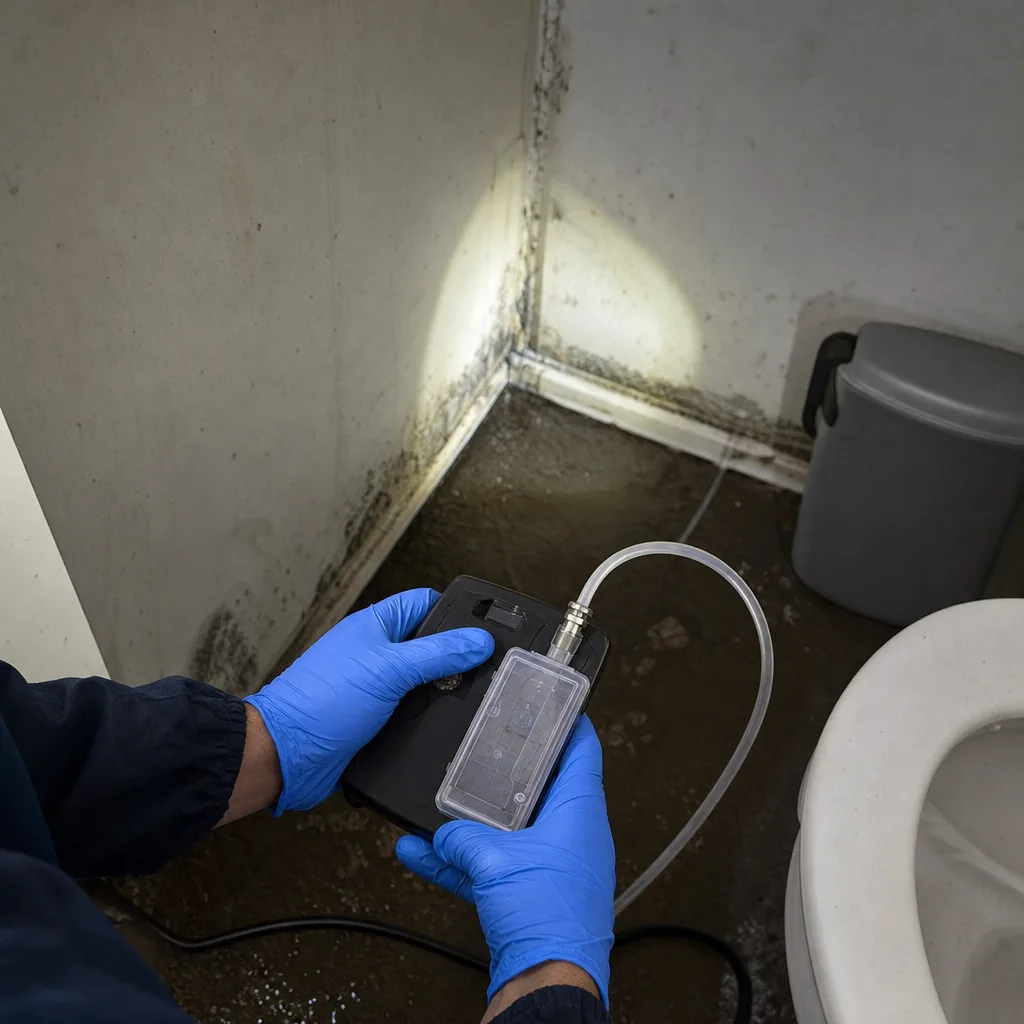
Homeowners routinely ask for price visibility before committing to maintenance. These ranges reflect Los Angeles market conditions in 2024-2025 and assume a 2,000-2,500 square foot single-family home on level ground. Hillside construction, larger footprints, and multi-unit buildings scale proportionally.
| Seasonal Action | Self-Performed Cost | Professional Cost |
|---|---|---|
| September-October envelope prep (sealants, gutters, baseline readings) | $80-200 | $350-600 |
| January-February monitoring equipment (hygrometer, moisture meter) | $60-120 one-time | N/A - homeowner-performed |
| March-April inspection and localized drying if needed | $0-150 | $400-800 assessment; $1,200-3,500 if localized drying required |
| June-August HVAC maintenance and attic logging | $40-80 (logger) | $200-400 HVAC service; $500-900 attic assessment with imaging |
| Annual prevention total | $180-550 | $1,450-5,700 |
| Remediation Scenario | Typical Range |
|---|---|
| Water mitigation: localized, caught within 48 hours | $2,800-5,500 |
| Water mitigation: wall cavity intrusion, 3-7 days to discovery | $6,500-14,000 |
| Mold remediation: attic, 100-300 sq ft affected | $4,500-9,000 |
| Mold remediation: whole-house, HVAC contamination | $15,000-35,000 |
| Fire/smoke: structure cleaning, no rebuild | $8,000-18,000 |
| Reconstruction: water-damaged kitchen, full replacement | $25,000-55,000 |
The prevention-to-remediation ratio is not linear. Spending $1,500 annually on professional prevention does not “save” $1,500 in remediation - it often prevents $15,000-50,000 in damage that would not be fully covered. Most Los Angeles policies exclude long-term water damage and cap mold coverage at $5,000-10,000 regardless of actual remediation cost.
Our written price before work begins applies to both prevention services and emergency response. Call for a scope and price on any seasonal maintenance - estimates are free, and Haven Standard, Clause 1 guarantees the price you receive is the price you pay.
Common Mistakes to Avoid
- Waiting for visible water before acting. By the time water stains appear on drywall or ceilings, the damage behind the finish has typically progressed through insulation, framing, and potentially into adjacent cavities. In Los Angeles, the dry climate between storms often evaporates surface evidence while subsurface moisture remains active.
- Using national maintenance calendars without Los Angeles adjustment. Guides that schedule gutter cleaning for April and roof inspection for November assume a Midwest or Northeast climate. Los Angeles gutters need clearing in September before the first rain, not after spring pollen season. Roof inspection in November finds problems too late to schedule repair before storms arrive.
- Ignoring the marine layer contribution. Coastal Los Angeles neighborhoods - Venice, Marina del Rey, San Pedro, Palos Verdes - experience 200+ marine layer days annually. This moisture deposits on north-facing surfaces even in summer, degrading sealants and maintaining wood moisture content 2-4 points above inland readings. Baselines and monitoring thresholds should be adjusted accordingly.
- Assuming new construction is exempt. Buildings completed 2015-2020 in Los Angeles experienced accelerated foundation settlement during the 2012-2016 drought, followed by rapid rehydration. The resulting slab and stucco cracking is most pronounced in exactly the homes purchased by our target demographic. Age of construction does not predict envelope integrity.
- Discarding maintenance records after the season. Insurance claims are evaluated years after the loss event in some cases. A 2024 baseline reading becomes evidence in a 2026 dispute over whether damage was pre-existing. Digital storage is free; retention cost is zero.
- Hiring based on lowest estimate without documentation requirements. Any contractor who will not provide a written scope, photo record, and moisture log before work begins is not performing restoration - they are performing guesswork. The documentation is the work product; the drying is a byproduct of correct process. This is the founding principle of Back to Dry Restoration.
When to Call a Professional
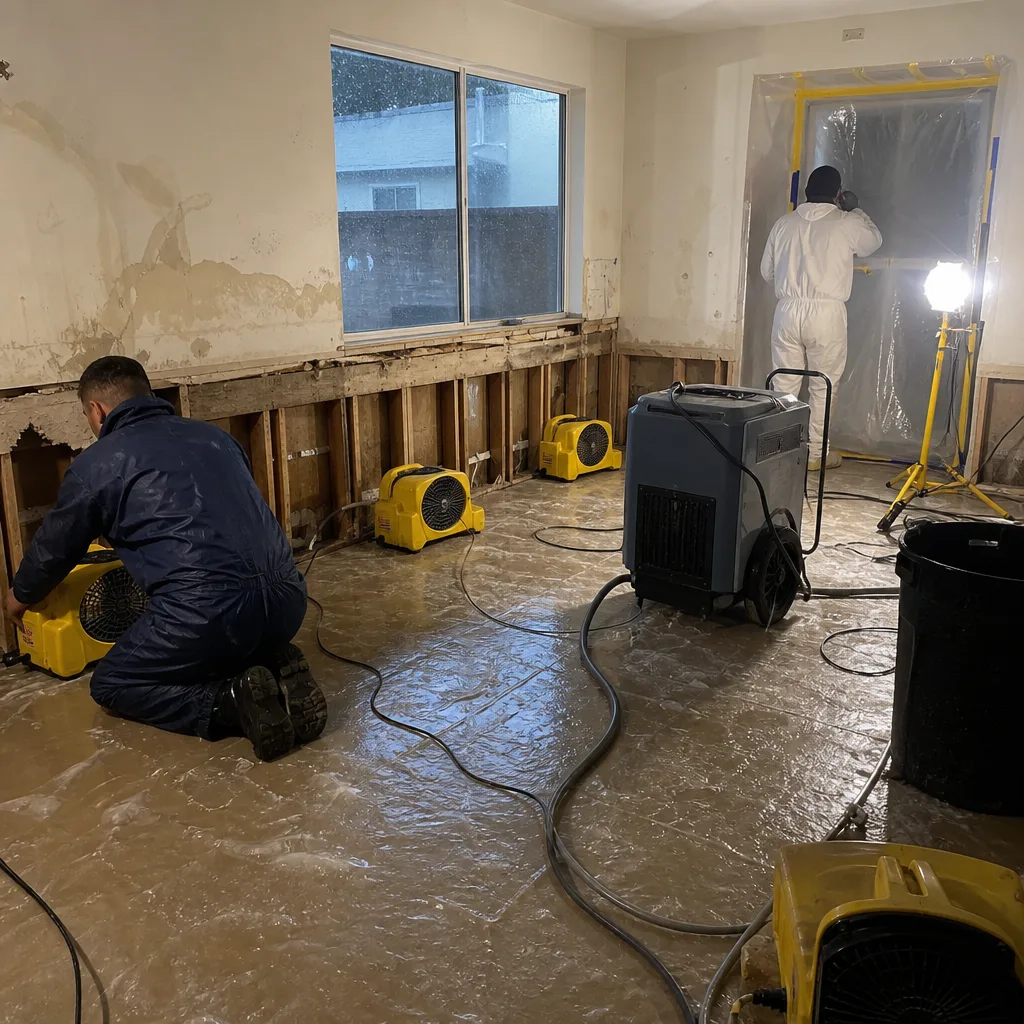
Call for professional assessment when: interior relative humidity exceeds 60% for 24+ hours during or after rain; any moisture reading exceeds baseline by 4+ percentage points; you observe efflorescence on interior surfaces; your sump cycles more than once per minute during storms; you detect musty odor that persists more than 48 hours after rain ends; or your HVAC drain pan or secondary line shows flow. These thresholds indicate conditions that self-help cannot resolve and that will worsen with time.
Documentation requirements for any professional you hire: written scope with line-item pricing before work begins (Haven Standard, Clause 1); photo record of condition before, during, and after work; daily moisture logs with equipment readings and psychrometric data; and a signed warranty or guarantee with specific terms and duration. Without these deliverables, you have paid for activity, not for evidence.
DryMark Restoration Los Angeles offers free estimates in Los Angeles - call (424) 351-3396. Every estimate includes a written scope, and our 365-Day Done Right Promise under The Haven Standard applies to all work performed. If you have a competitor’s written estimate, we will review it at no charge and document any discrepancies in scope or methodology.
Frequently Asked Questions
Annual professional prevention for a typical Los Angeles home runs $1,450-5,700 depending on size, hillside location, and whether localized drying is needed in March-April. Self-performed maintenance with proper equipment costs $180-550 annually. Either approach costs 80% less than the average remediation claim. Call (424) 351-3396 for a written estimate on your specific property - estimates are free.
Coverage depends on whether the damage is determined “sudden and accidental” or long-term. Your seasonal log - dated moisture readings, photos, and weather records - is the primary evidence that establishes timeline. Most Los Angeles policies cover sudden water intrusion but exclude damage from maintenance neglect or gradual deterioration. Documentation is what converts a likely denial into a payable claim.
DryMark Restoration Los Angeles maintains live phone coverage 24 hours a day, 7 days a week with no voicemail on emergency lines. Dispatch for active water intrusion in the Los Angeles metro area typically occurs within 60-90 minutes during atmospheric river events, with crew arrival including background-checked, uniformed technicians and professional-grade drying systems from Dri-Eaz, Phoenix, and Injectidry. A written scope and price is provided before any work begins.
Visible mold on a surface typically indicates colonization that extends 12-24 inches beyond the visible boundary in porous materials. DIY cleaning of visible growth without addressing moisture source and hidden colonization results in recurrence within 30-90 days in Los Angeles’s climate. Professional remediation includes moisture source elimination, containment with negative air pressure, HEPA filtration, and post-remediation verification with air sampling. For areas under 10 square feet with no HVAC involvement, self-remediation is sometimes adequate; larger areas warrant professional scope and documentation.
Back to Dry Restoration provides direct adjuster coordination as a standard service, not an upsell. This includes photo documentation formatted to adjuster requirements, line-item scopes matching insurance industry standard pricing databases, and moisture logs that demonstrate drying progress to completion criteria. Our documentation is designed to produce payable claims without dispute - this was the founding purpose of the company in 2011.
A homeowner moisture meter provides a single-point reading of moisture content in a specific material at a specific moment. Professional psychrometric data includes temperature, relative humidity, vapor pressure, and dew point measurements across multiple locations, recorded over time, to calculate whether the environment is trending toward or away from dry standard. The meter tells you a number; psychrometric analysis tells you whether the drying process is working, how fast, and when it will complete. Both are documented to IICRC and RIA standards on every Back to Dry Restoration job.
Yes. Wildfire smoke particulates in Los Angeles contain carbon-rich compounds that deposit on attic sheathing, joists, and HVAC components. These deposits do not cause mold alone - mold requires moisture. But when smoke-coated surfaces are exposed to humidity above 60% or moisture content above 16%, fungal growth occurs at lower thresholds and faster rates than on clean wood. The 2020-2023 fire seasons produced this interaction in hundreds of Los Angeles attics that had minor, previously stable moisture issues. If your home experienced smoke infiltration and your attic humidity exceeds 50% in summer, professional assessment with photo documentation is warranted.
The Bottom Line
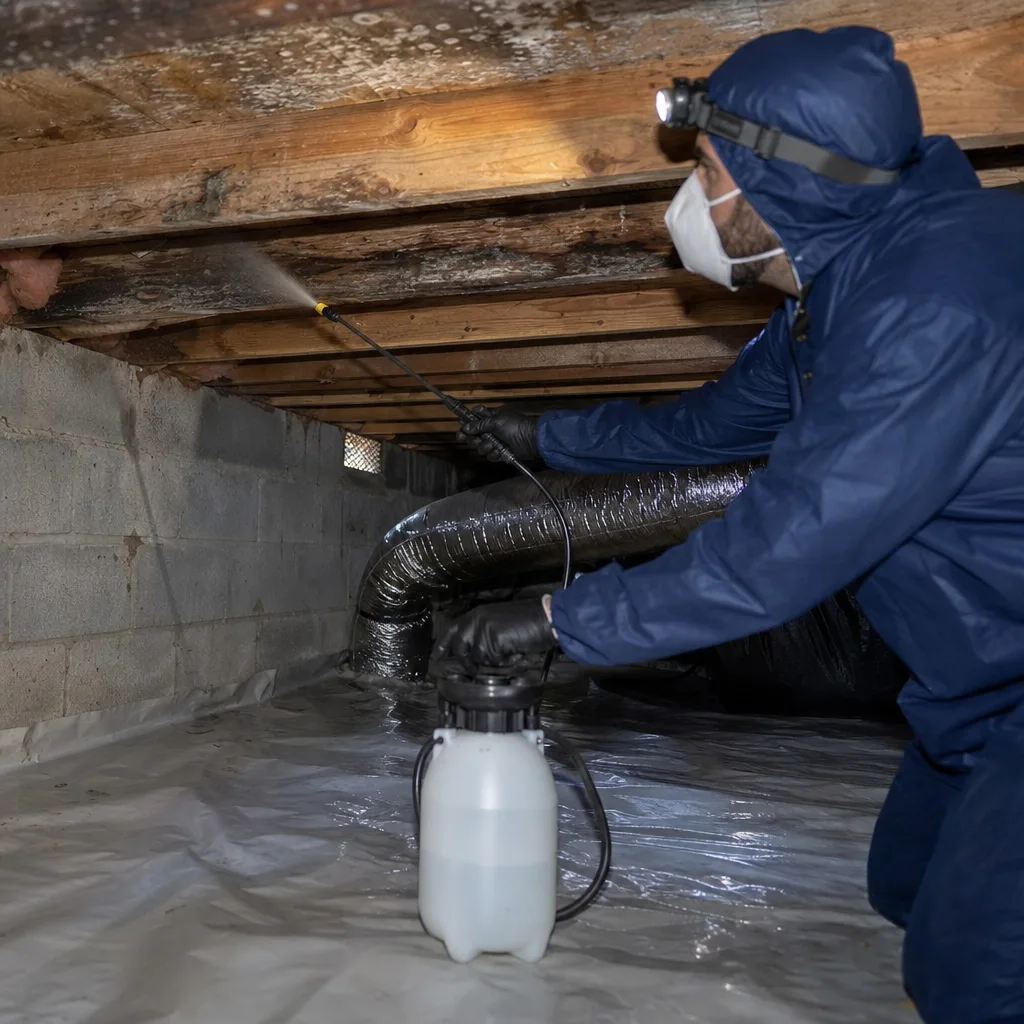
Los Angeles homeowners face a damage calendar that inverts national assumptions: the dry season creates the conditions for winter failure, and the lowest-cost intervention window closes before most owners recognize the risk. The four-season protocol - September-October baseline and envelope prep, January-February threshold monitoring, March-April hidden damage discovery, June-August HVAC and smoke interaction prevention - produces measurable protection at predictable cost. The seasonal log transforms maintenance into pre-loss documentation, converting potential coverage disputes into payable claims. The investment is modest; the documentation cost of neglect is substantial and often uninsured. Back to Dry Restoration has applied these standards to 12,000+ homes since 2011, with a written price before every job and a photo record on every visit. Explore more guides & resources on protecting your Los Angeles home.
Written by Alicia Brennan, Owner at DryMark Restoration Los Angeles, serving Los Angeles since 2011.