
Free visual inspection and a written scope of work before any mitigation begins - photos, moisture readings, and drying logs go in your claim file
The scope we write is the scope we bill. Anything new gets shown to you, in writing, before we touch it.
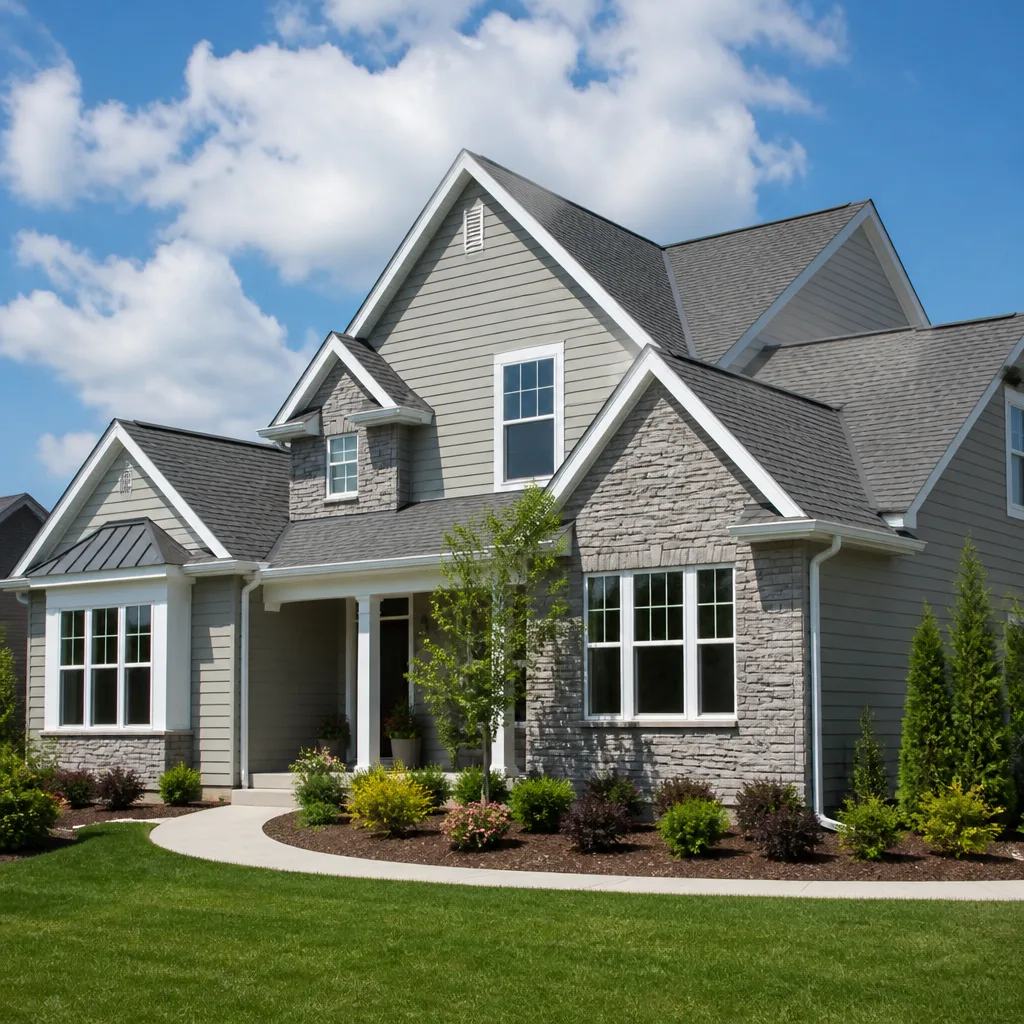
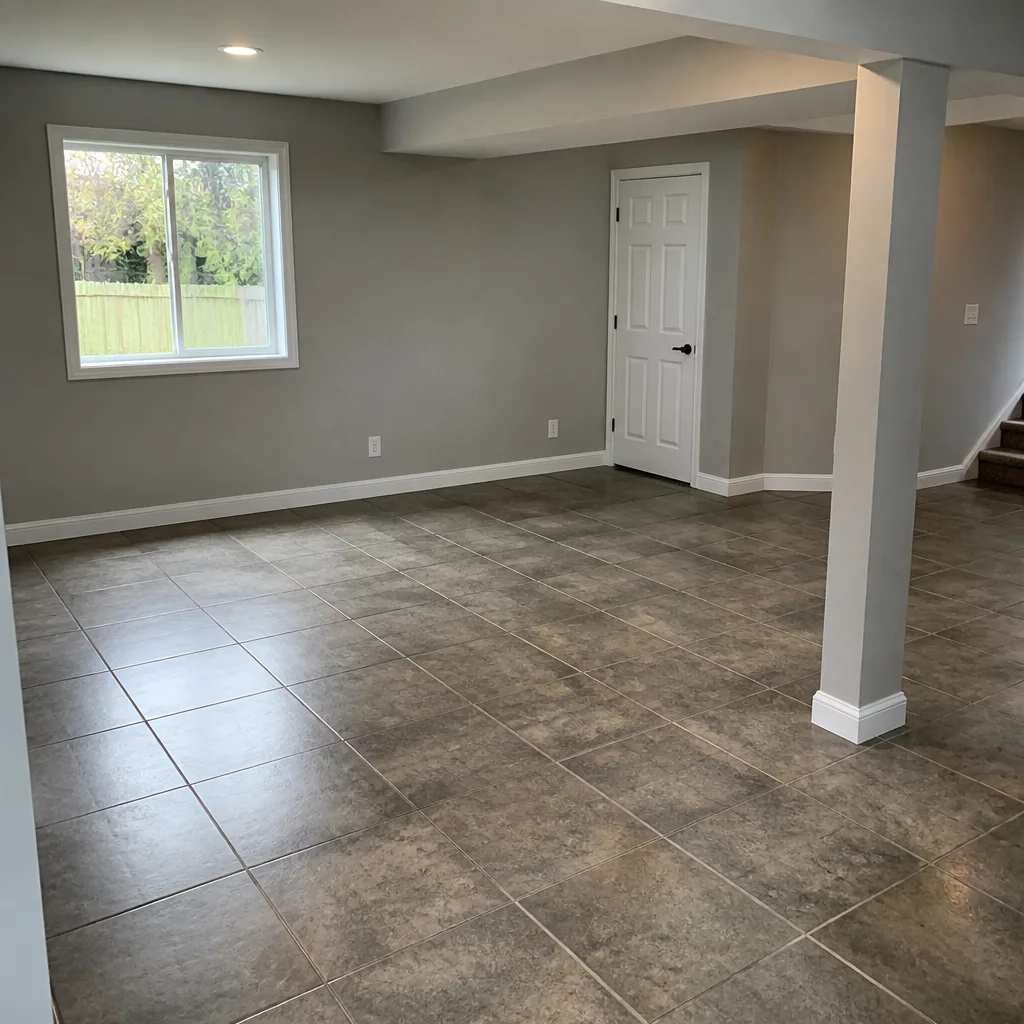
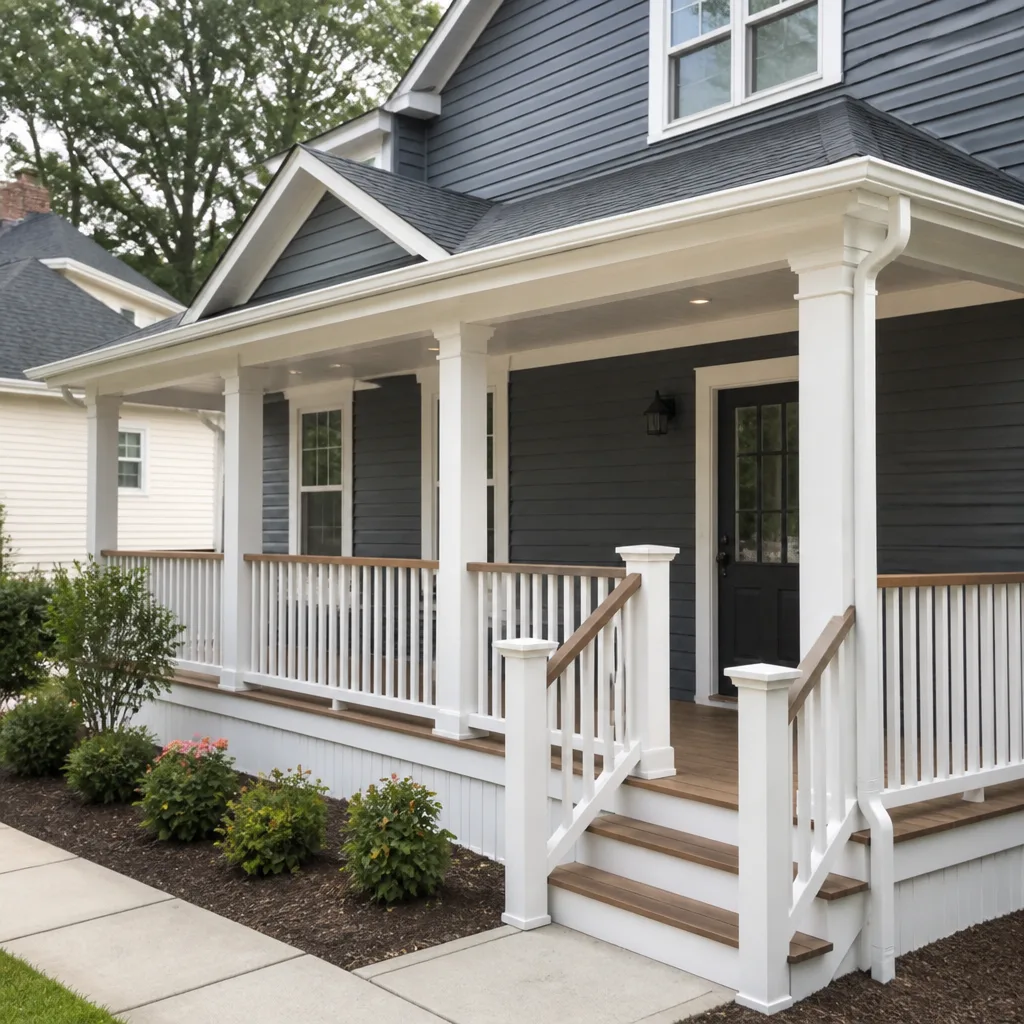
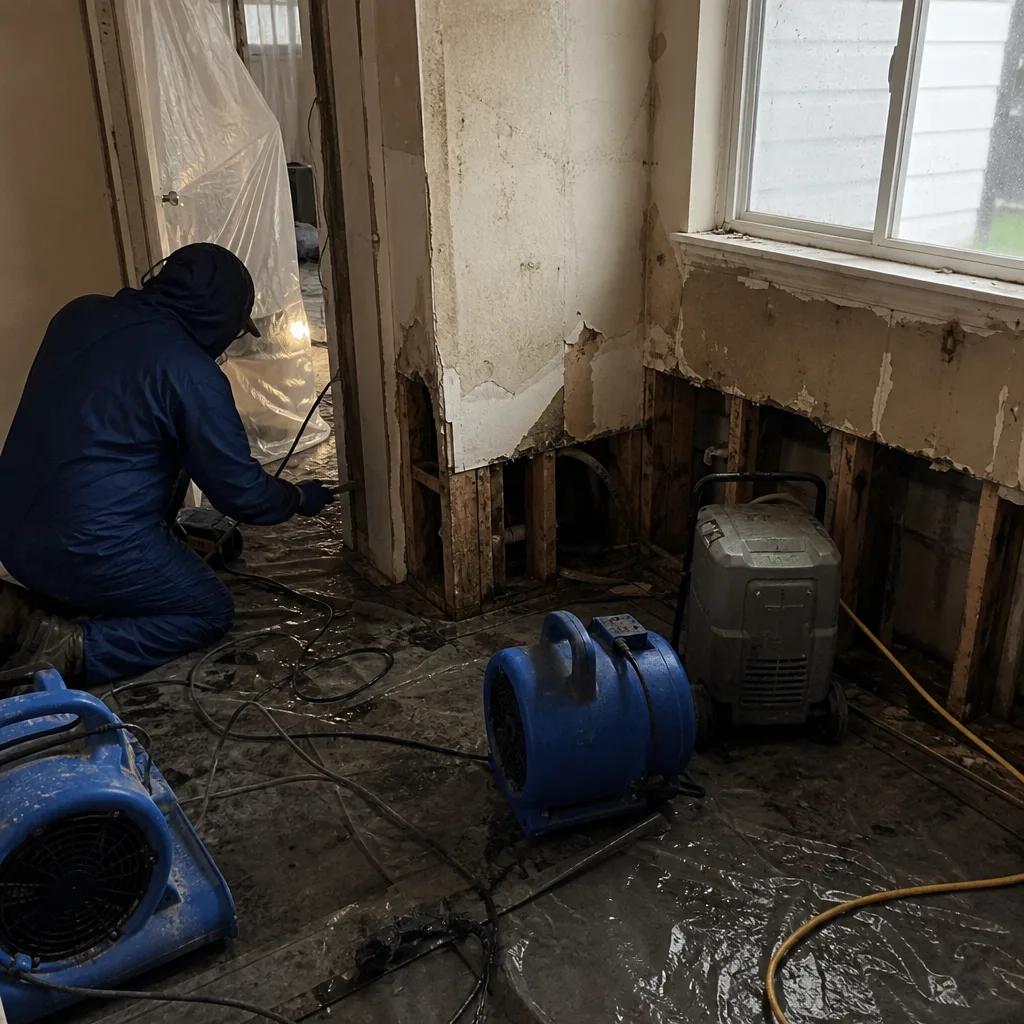 Before
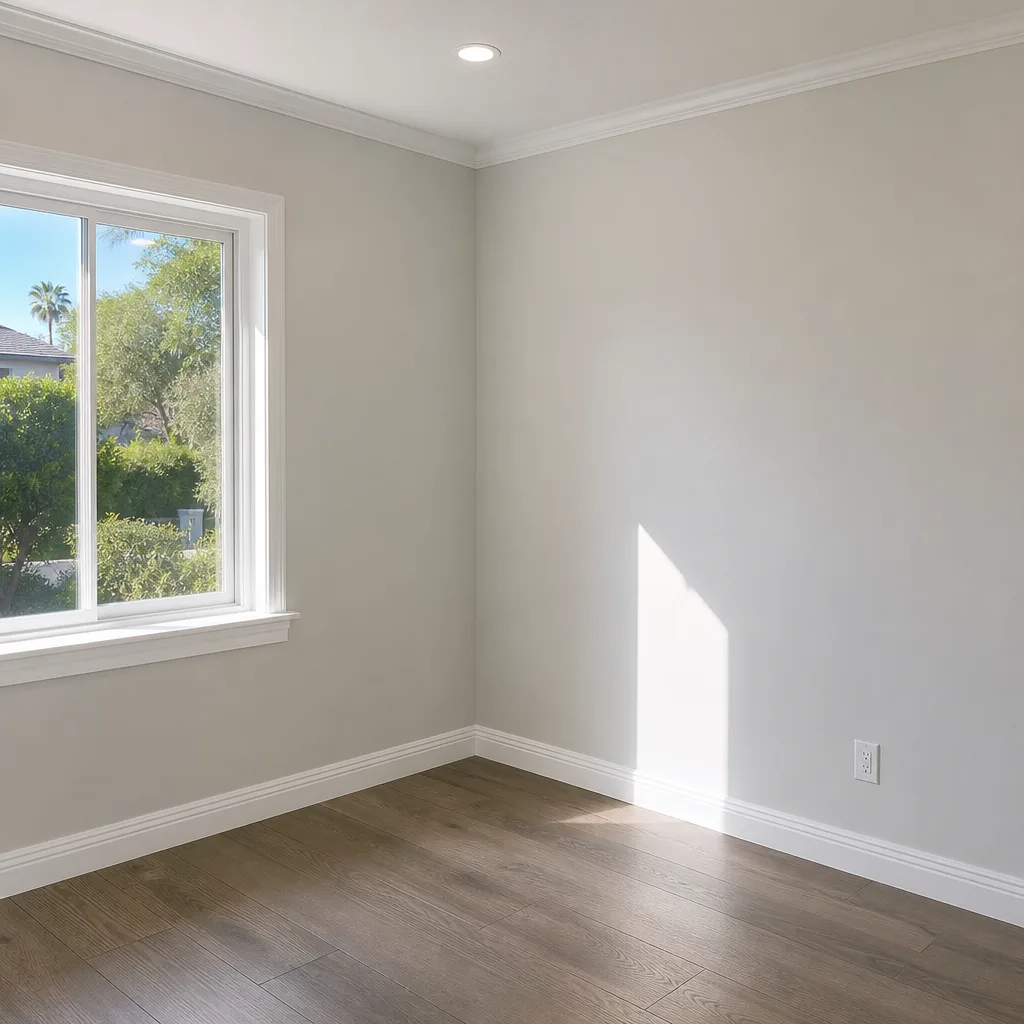 After
After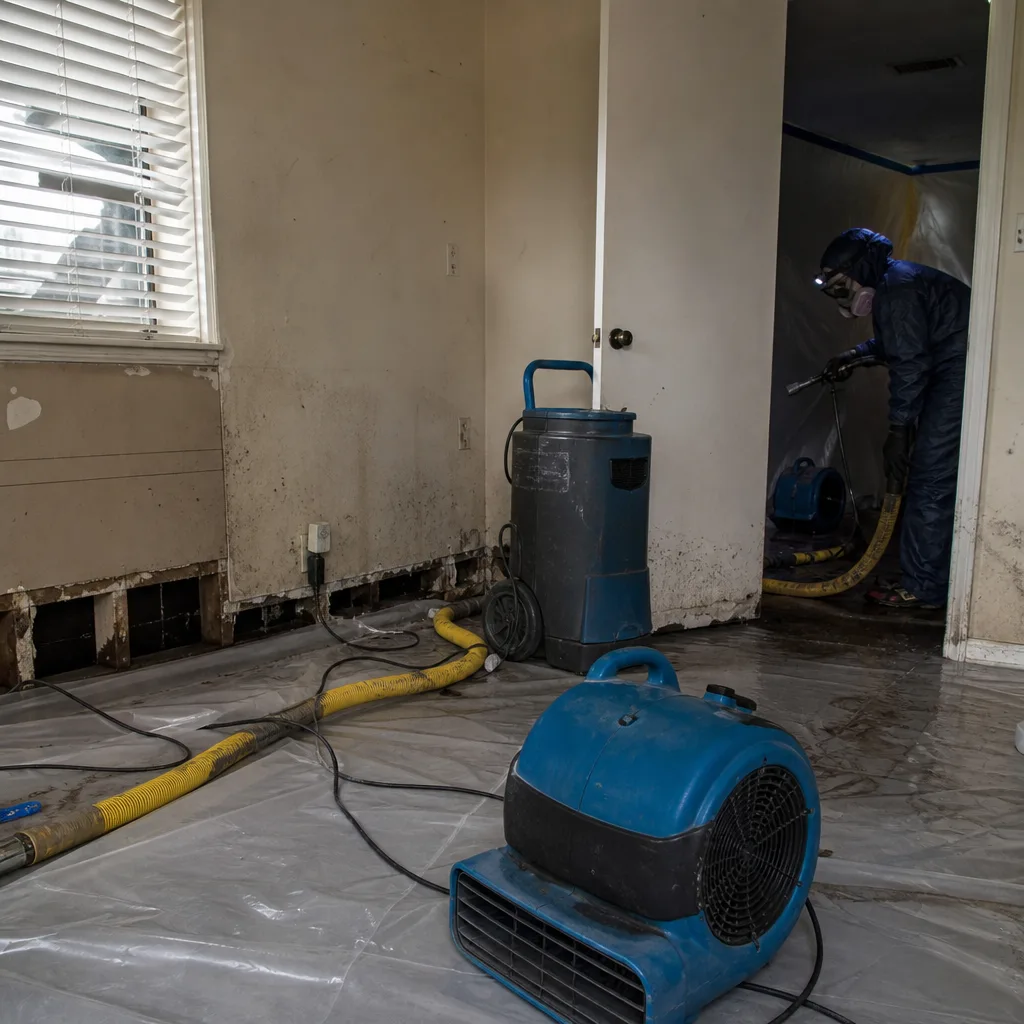 Before
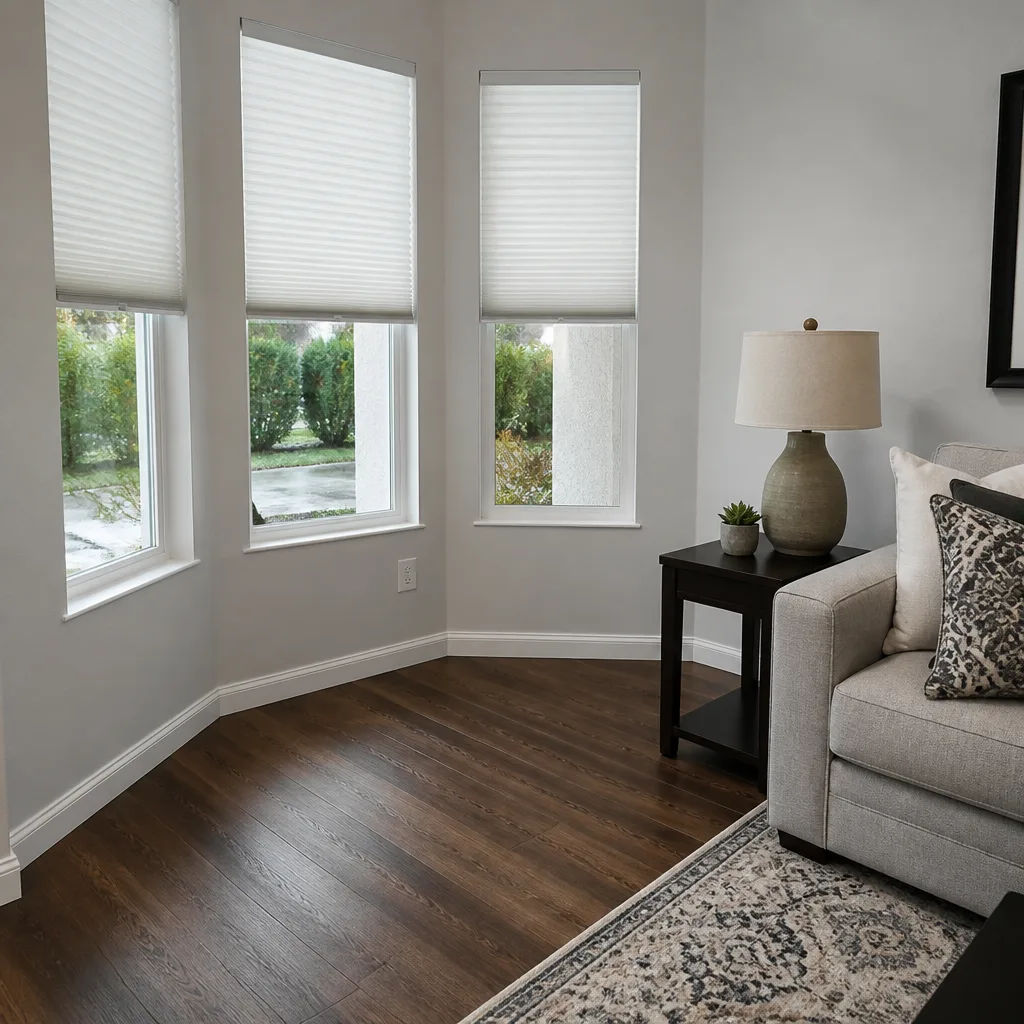 After
After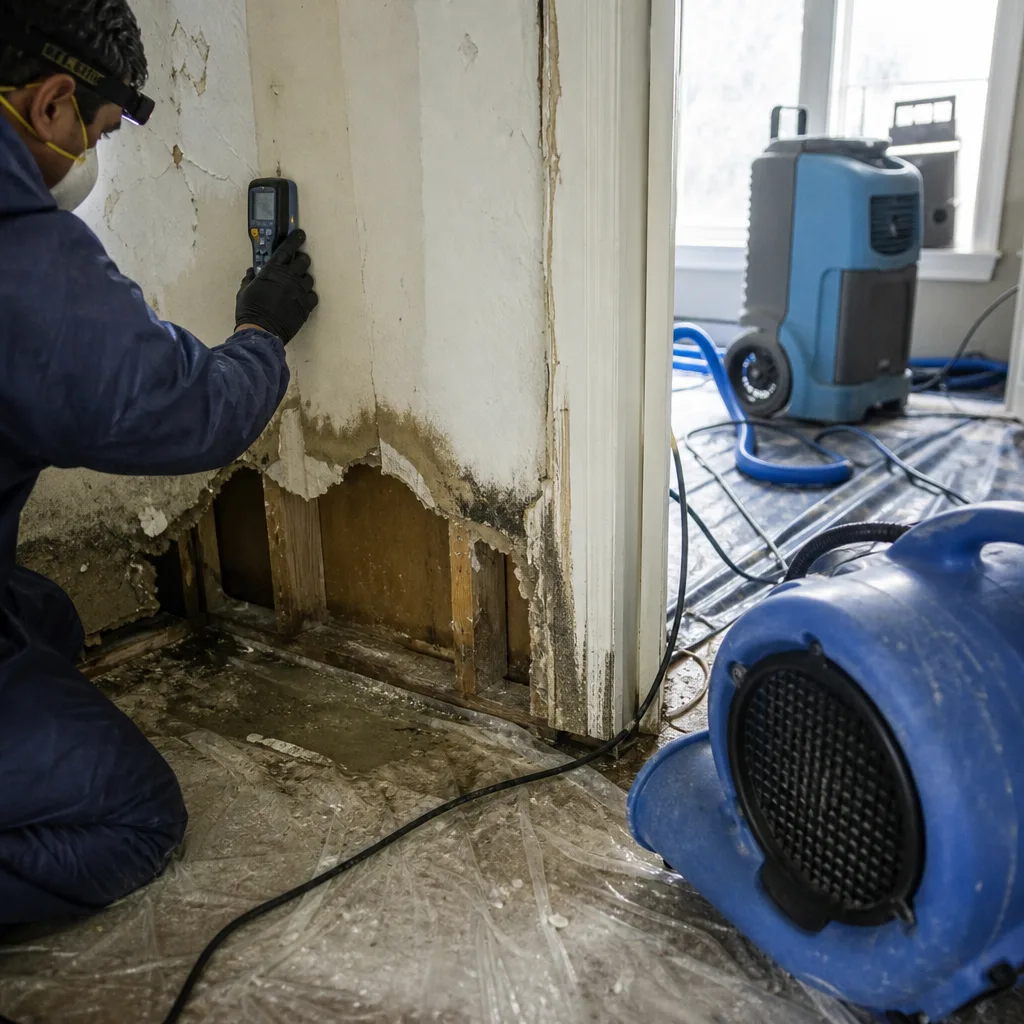 Before
 After
AfterFast, Reliable Mold Remediation Across Hawthorne
Mold remediation in Hawthorne typically runs $2,800-$7,500 for residential projects, with most inspections completed same-day and containment starting within 24 hours. Because Hawthorne’s post-WWII housing stock and persistent South Bay marine layer create conditions unlike newer coastal cities, the job here almost always involves regulated hazardous-material testing before any remediation work can begin.
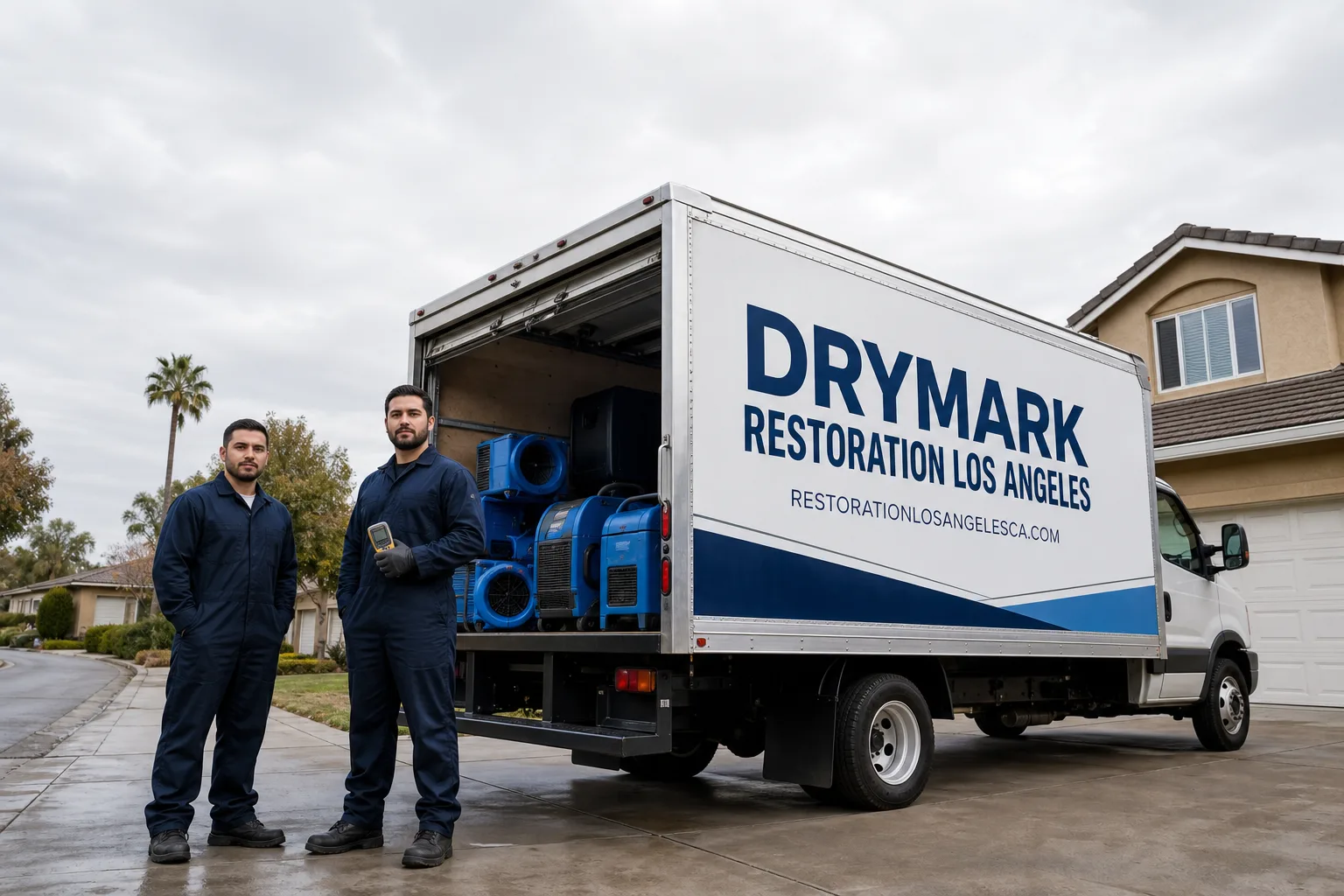
We’re DryMark Restoration Los Angeles, and our crews work Hawthorne regularly - from the stucco bungalows near Hawthorne Boulevard to the dense 1960s apartment clusters along Crenshaw and Prairie. Dispatch and scheduling are coordinated from our Los Angeles office, but our technicians arrive with Hawthorne-specific knowledge: where the storm drains back up during atmospheric river events, which building eras carry asbestos-containing floor tiles and lead-painted duct wrap, and how the marine layer’s year-round humidity changes drying timelines. If you’re seeing musty odors, visible growth, or moisture stains, call (424) 351-3396. We’ll schedule a documented inspection and deliver a written price before any work starts - Haven Standard, Clause 1.
Why DryMark Restoration Los Angeles Is Hawthorne’s Preferred Mold Remediation Company
We’ve restored over 12,000 homes since 2011, and a significant share of those have been right here in Hawthorne’s 90250 zip and surrounding blocks. Our founder built this company after working as a claims adjuster and watching homeowners lose legitimate coverage over sloppy documentation - missing photos, verbal scopes, moisture readings that disappeared. That won’t happen on our jobs. Every Hawthorne project receives a room-by-room photo record, daily drying logs with psychrometric data (temperature, relative humidity, and vapor pressure differential - the measurable force that actually moves moisture out of materials), and a written scope signed before work begins.
Our response time to Hawthorne is typically under 90 minutes for active water or mold emergencies, because we keep crews routed through the South Bay corridor rather than dispatching from distant hubs. We’ve handled multi-unit losses where a single galvanized riser failure soaked three adjacent apartments, and we’ve navigated the simultaneous insurance claims those situations require. Hawthorne residents review us specifically on our documentation - the photo records that make adjusters pay without argument, and the written prices that prevent scope creep once crews are inside.
Our technicians are background-checked, uniformed, and licensed, with license numbers documented on every job file. Live phone coverage runs 24 hours a day, 7 days a week - no voicemail trees, no next-business-day callbacks while mold is still spreading. And every job carries our 365-Day Done Right Promise under The Haven Standard: if it’s not done right, we make it right, in writing, not as a verbal assurance.
Our Mold Remediation Services in Hawthorne
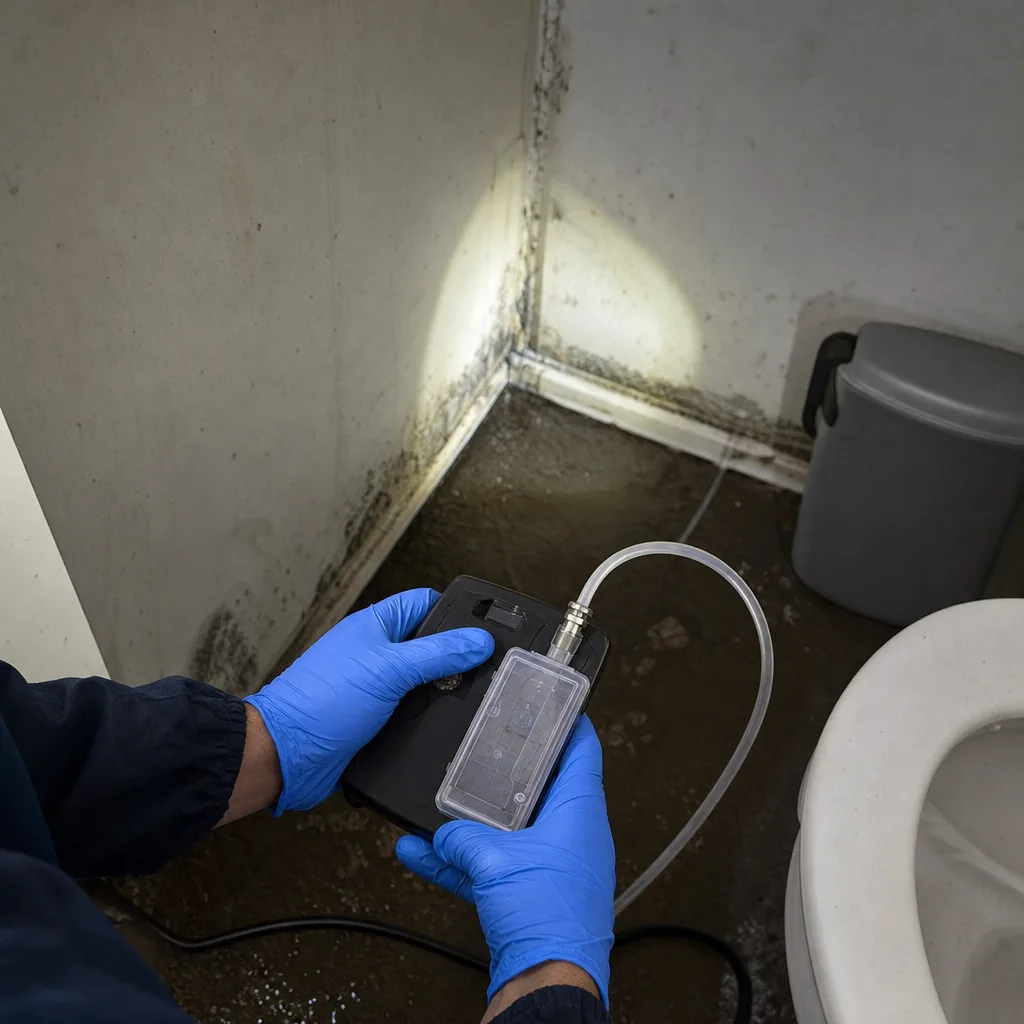
Mold Inspection & Testing
A proper Hawthorne inspection starts with understanding what era we’re walking into. A 1940s stucco bungalow near El Segundo Boulevard has different risks than a 1960s two-story walk-up on Prairie. We use moisture meters, thermal imaging, and air sampling to map the full extent of colonization - not just what’s visible. In Hawthorne’s older stock, we also flag suspect materials for asbestos and lead testing before any disturbance, because popcorn ceilings, original floor tiles, and duct wrap in these eras are legally regulated. A typical residential mold inspection in Hawthorne runs $350-$650; multi-unit commercial or apartment inspections start around $800. We deliver findings in writing with photo documentation, and we offer a Free Second Opinion on any competitor’s written estimate.
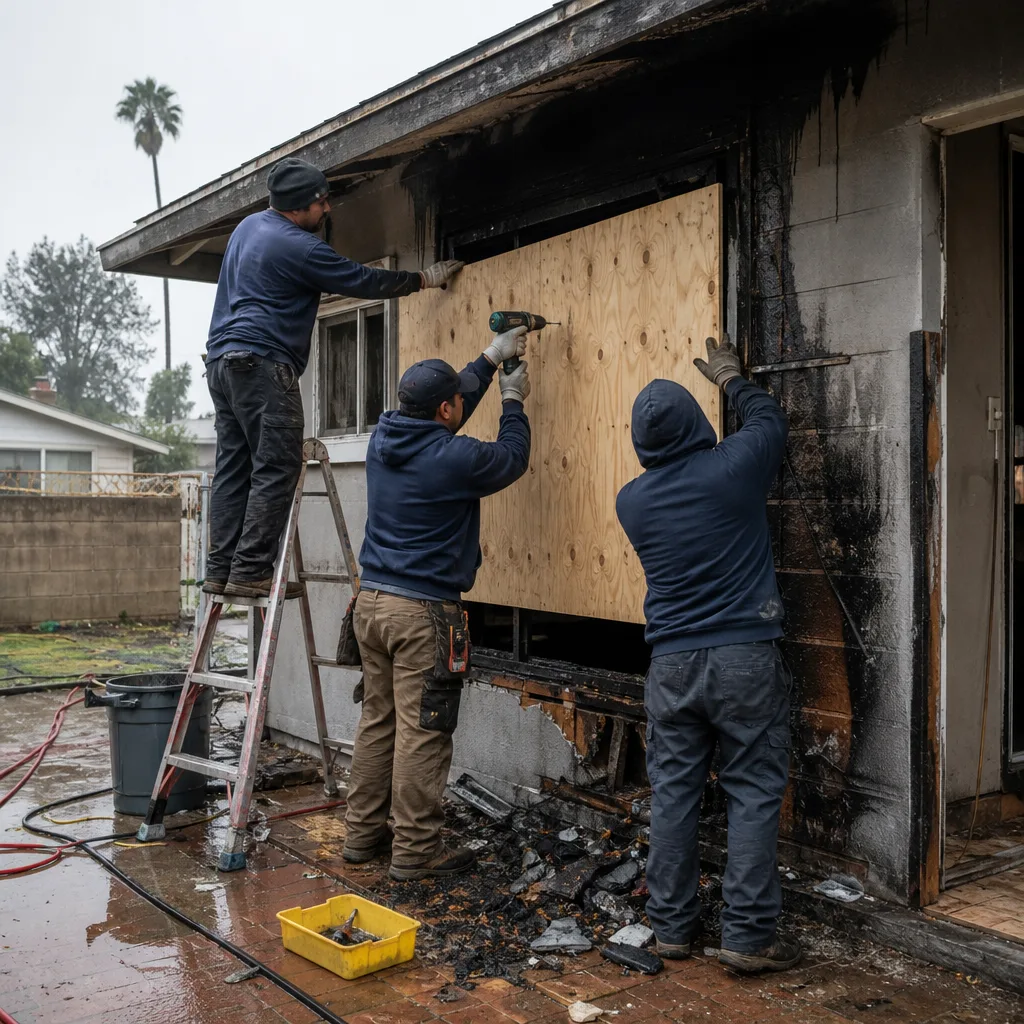
Mold Removal
Removal in Hawthorne isn’t just scraping visible growth. The marine layer keeps ambient humidity elevated year-round, which means surface cleaning without addressing the moisture source guarantees recurrence. Our removal protocol follows IICRC S520 standards: containment barriers, negative air pressure, HEPA filtration, and antimicrobial treatment of affected substrates. For Hawthorne’s legacy housing, we frequently encounter situations where the mold is secondary - the real problem is a failed cast-iron drain stack or a slab intrusion from backed-up storm infrastructure. We document the chain of causation in our written scope so your insurer understands why each line item is necessary. Removal pricing in Hawthorne typically falls between $2,800-$5,200 for contained residential jobs.
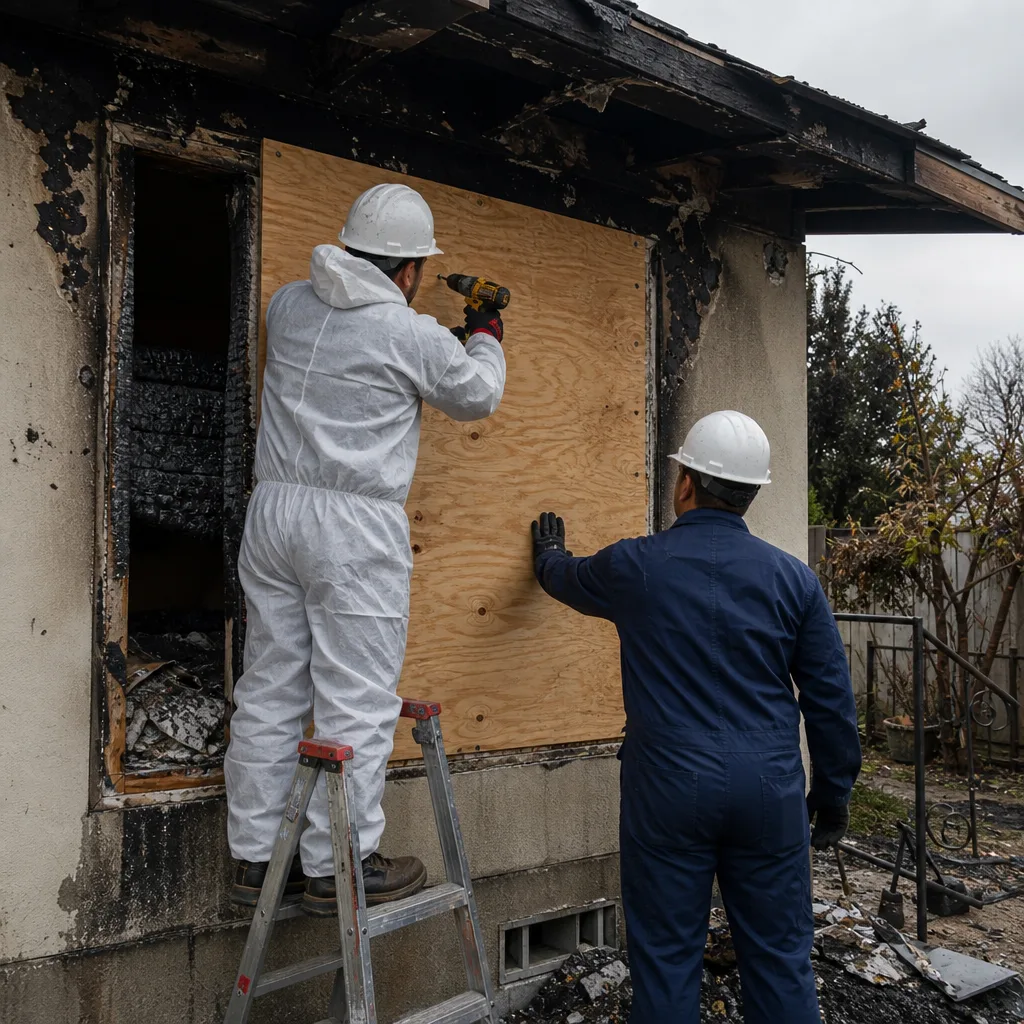
Black Mold Remediation
Stachybotrys and other toxigenic species require the same containment rigor as asbestos jobs - and in Hawthorne’s 1940s-1960s buildings, they frequently occur alongside asbestos-containing materials. We don’t disturb suspect materials to “check” for black mold; we test first, abate hazardous materials under proper containment, then proceed with microbial remediation. Our crews use professional-grade HEPA-negative air machines from Phoenix and Dri-Eaz, documented to IFA standards, with airflow readings logged every four hours during active remediation. Black mold jobs in Hawthorne typically range $4,500-$7,500 due to the extended containment and dual-regulatory requirements.
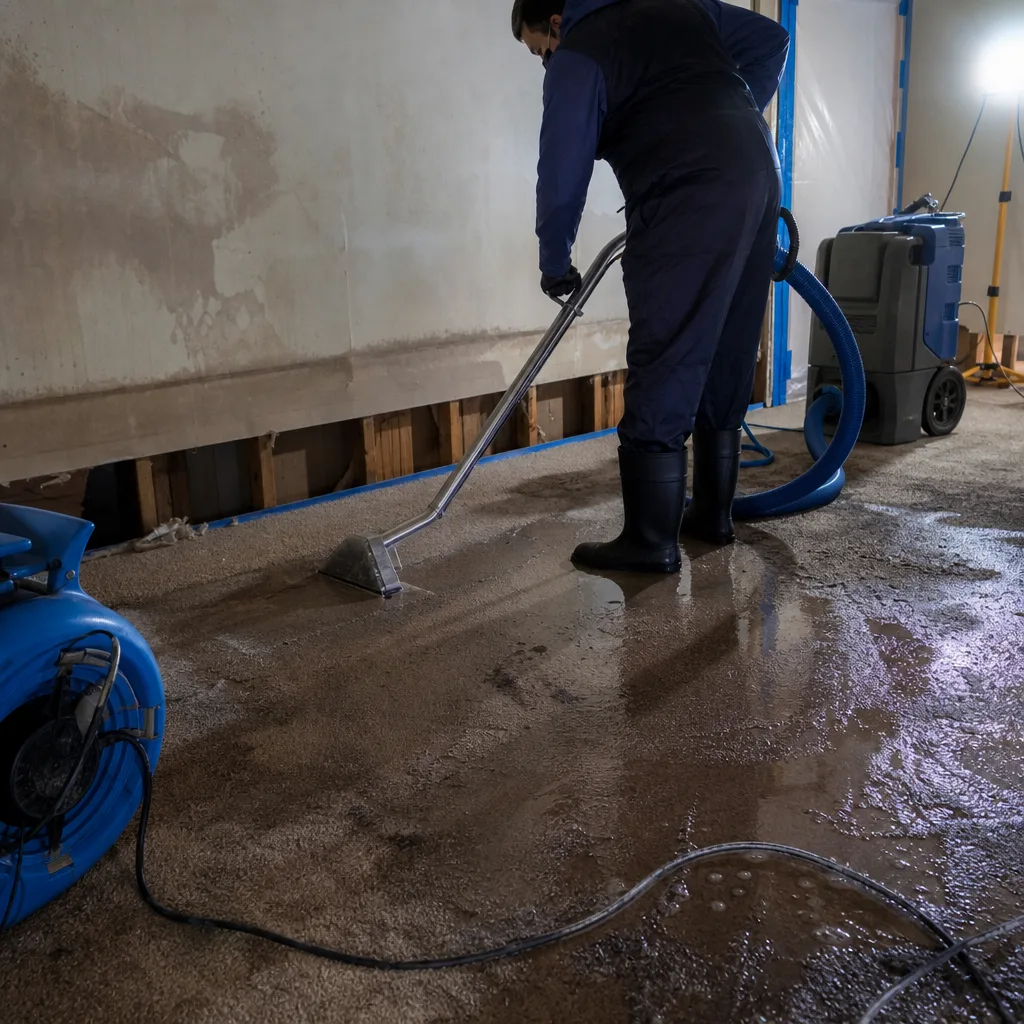
Air Quality Restoration
After remediation, Hawthorne’s marine layer humidity means air quality recovery takes longer than inland markets. We don’t declare a job complete based on visual inspection alone. Our clearance protocol includes spore trap sampling, comparative outdoor baseline readings, and documented moisture verification - all written into your job file. For apartment buildings along the Crenshaw corridor, we often coordinate simultaneous air quality testing across multiple units when a shared riser failure has affected adjacent spaces. Post-remediation air quality verification in Hawthorne typically adds $400-$800 to the project scope.
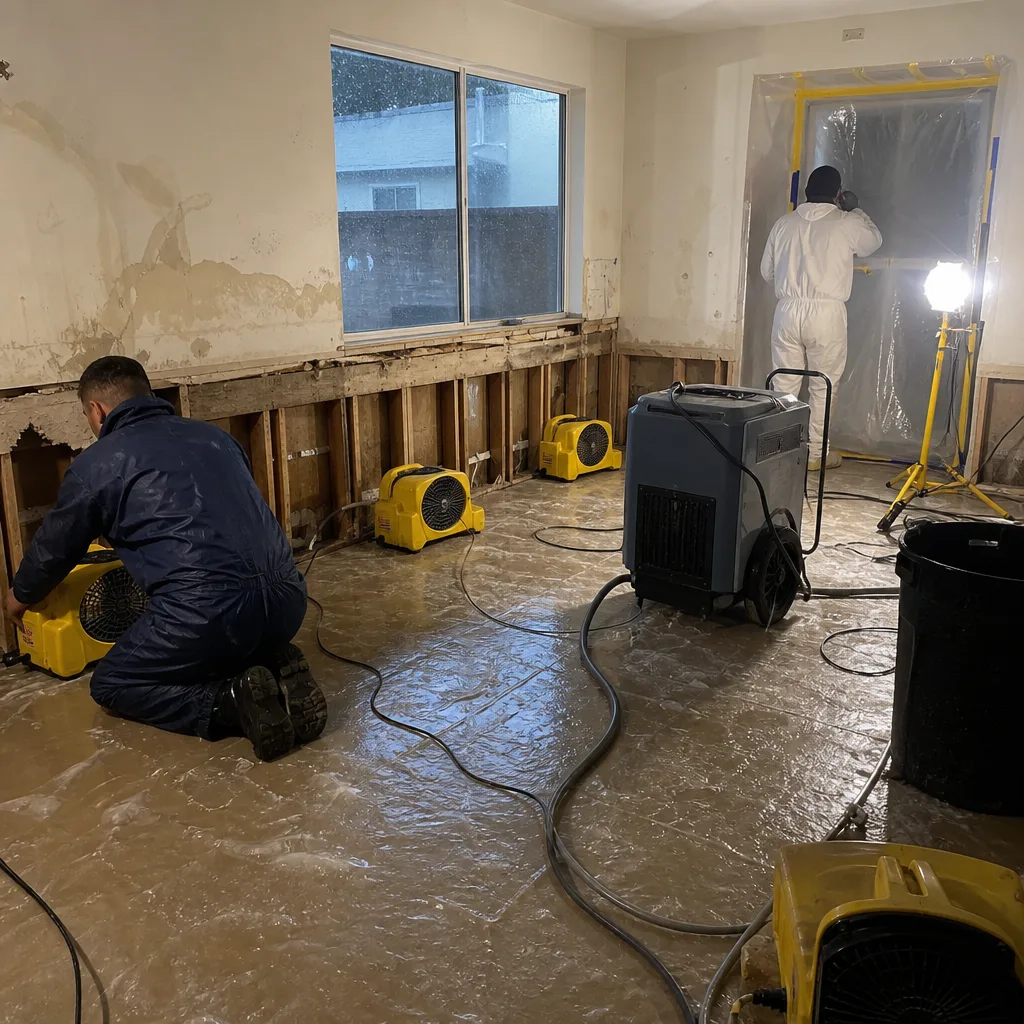
Crawl Space Treatment
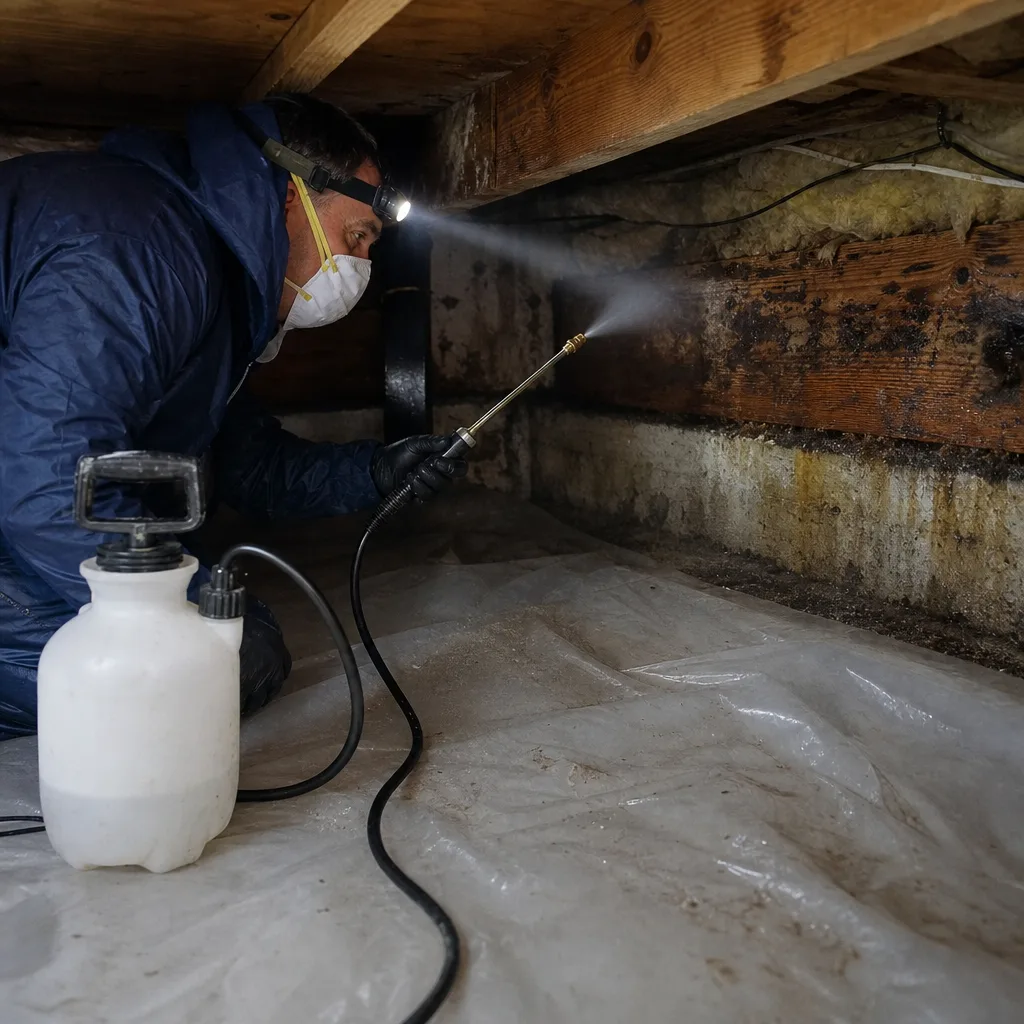
Hawthorne’s flat basin terrain and aging storm infrastructure drive water into slab foundations and raised-floor crawl spaces rather than routing it away. Many 1940s-1960s homes here have unventilated or poorly ventilated crawl spaces where the marine layer’s persistent humidity creates ideal conditions for mold colonization in floor joists and subflooring. Our crawl space treatment includes vapor barrier installation, dehumidification with XPOWER and B-Air systems, and structural drying logged to tertiary drying standards - the point where wood moisture content stabilizes below the threshold that supports fungal growth. Crawl space projects in Hawthorne typically run $3,200-$6,800 depending on accessibility and square footage.
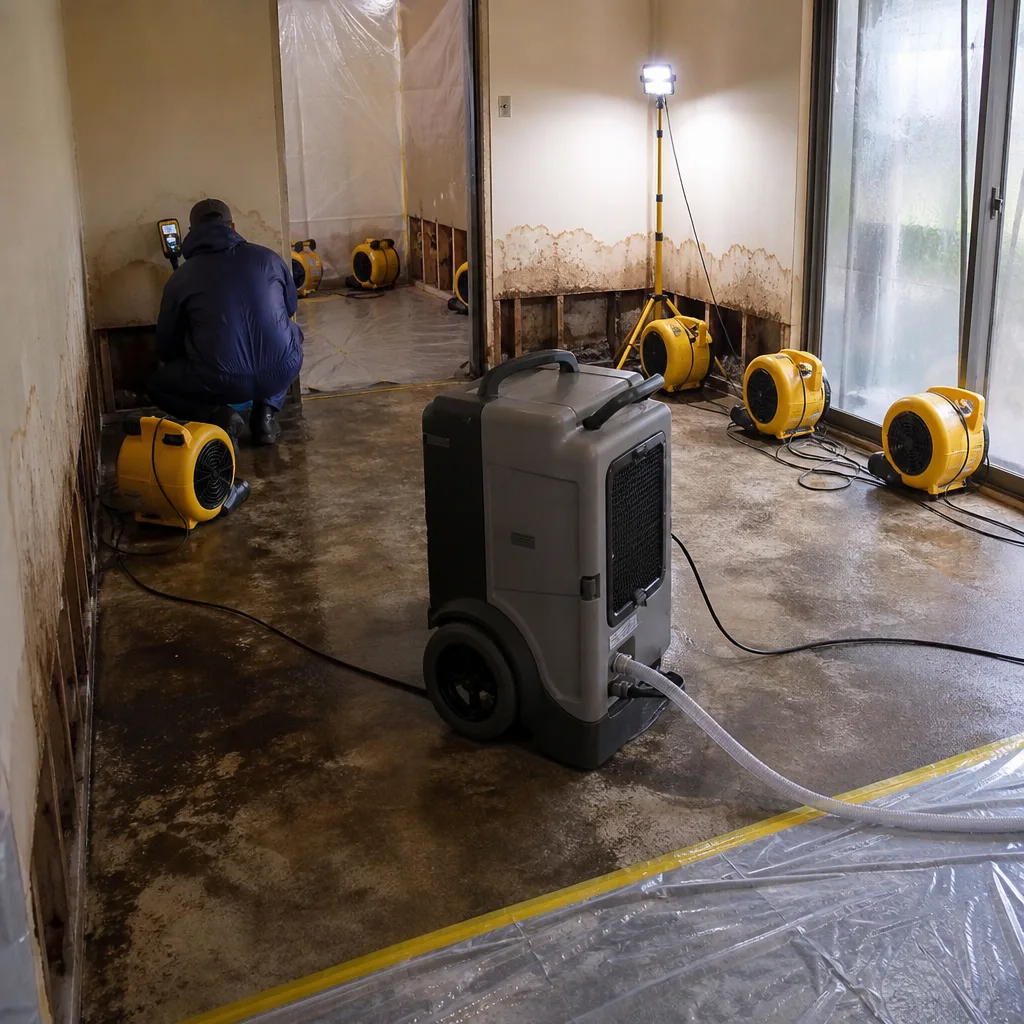
Moisture & Humidity Control
Controlling moisture in Hawthorne means fighting the marine layer, not just fixing the leak. We install and monitor commercial dehumidification systems from Phoenix and Dri-Eaz, with daily psychrometric logs that track grain depression and specific humidity - the measurable data that proves drying progress to adjusters. For properties near the 105 or in low-lying blocks prone to storm backup, we design ongoing humidity control strategies, not just one-time drying. Ongoing moisture management system installation in Hawthorne ranges $1,800-$4,500.
What happens when you call
- 1
A real person answersNo phone trees - you reach a local pro.
- 2
You get an upfront price rangeHonest numbers before anyone is dispatched.
- 3
A background-checked tech heads outLicensed & insured, dispatched right away.
- 4
You approve before work beginsNothing starts until you say go.
BeforeAfterTrusted Brands We Service in Hawthorne
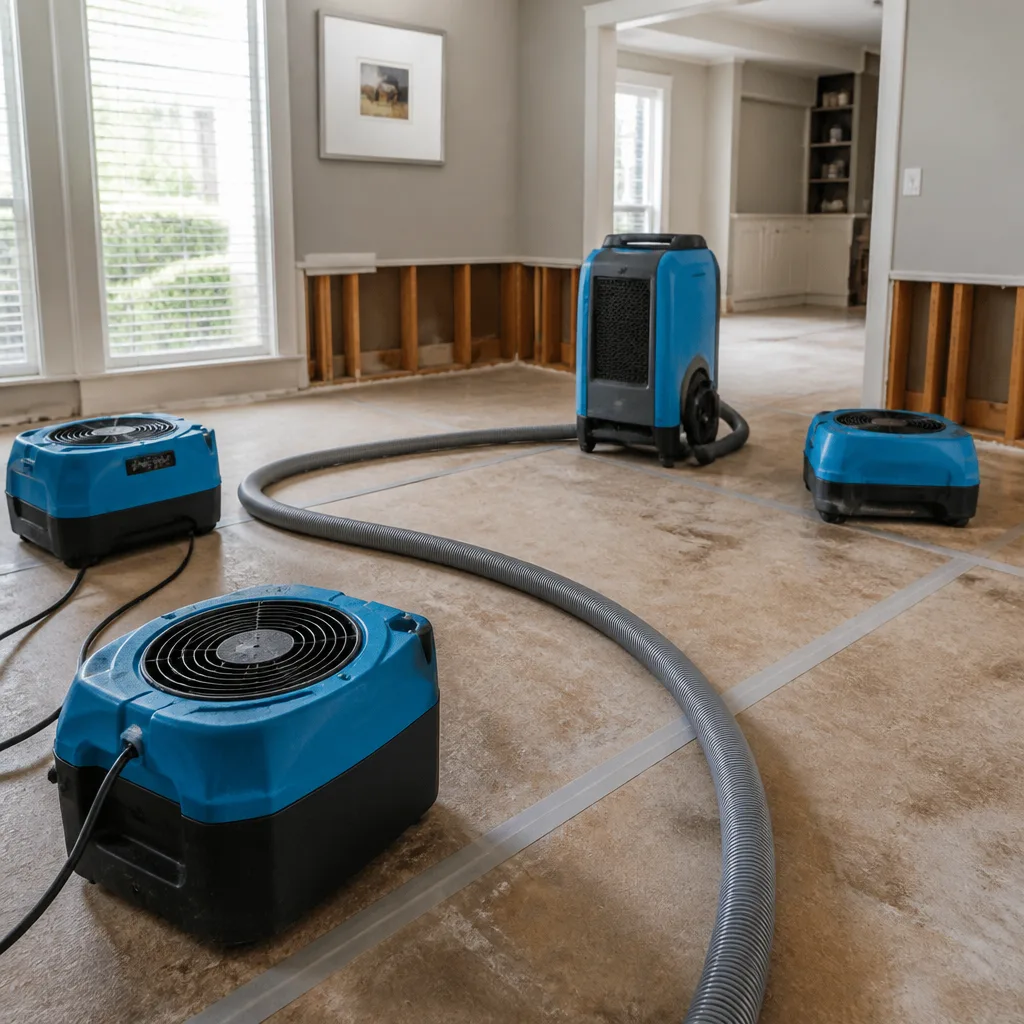
Our Hawthorne crews deploy professional-grade drying and remediation equipment from Dri-Eaz, Phoenix, and XPOWER - brands specified by major insurers because their output is measurable and documentable. We stock HEPA filtration units, negative air machines, and dehumidifiers sized for Hawthorne’s specific challenges: the extended drying timelines imposed by marine-layer humidity, and the multi-unit coordination required by shared-riser apartment buildings. Every piece of equipment is logged to your job file with serial numbers and hourly readings, producing the documentation that turns restoration invoices into payable claims.
Common Mold Remediation Problems We See in Hawthorne Homes
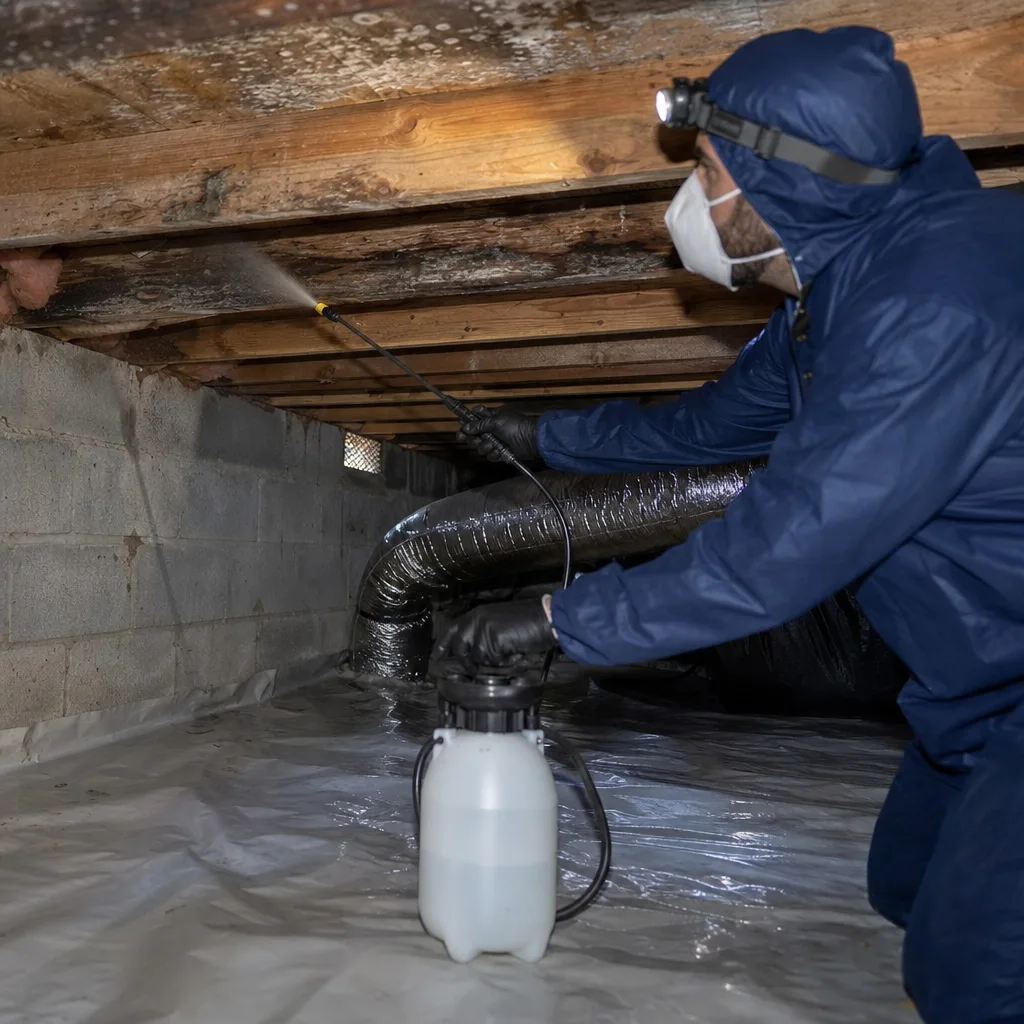
- Skipping hazardous-material testing on original 1940s-1960s components. We regularly encounter jobs where a previous contractor started demolition on popcorn ceilings or floor tiles without testing, only to halt work when lab results came back positive for asbestos. That stop-work order voids the remediation timeline and forces a tear-out after drying has already started, doubling the cost and extending displacement.
- Treating multi-unit apartment losses as single-unit jobs. Along the Crenshaw and Prairie corridor, one pinhole failure in a shared galvanized supply riser routinely soaks drywall in two or three adjacent ground-floor units. A crew that scopes only the visible unit misses the hidden category 2 or 3 pockets behind finished walls, and mold re-colonizes within weeks while the tenant wonders why the odor returned.
- Rushing structural drying against the marine layer without verified readings. Hawthorne’s persistent ambient humidity means air movers alone won’t finish the job. Without extended dehumidification and daily moisture logs, framing and crawl spaces retain elevated moisture content that drives secondary mold growth long after the visible work is done.
- Assuming slab foundations are dry because the surface reads normal. Hawthorne’s flat terrain and backed-up storm infrastructure drive water into slab perimeters and utility penetrations. Surface moisture meters miss sub-slab vapor migration that wicks into base plates and drywall, creating hidden colonization behind intact finishes.
Pricing for Mold Remediation in Hawthorne, CA
Here’s what mold remediation costs in Hawthorne’s market, based on the actual jobs we’ve scoped and documented:
| Service | Typical Range in Hawthorne |
|---|---|
| Mold Inspection & Testing | $350 - $650 |
| Contained Mold Removal (residential) | $2,800 - $5,200 |
| Black Mold / Toxigenic Species Remediation | $4,500 - $7,500 |
| Crawl Space Treatment | $3,200 - $6,800 |
| Air Quality Verification | $400 - $800 |
| Moisture & Humidity Control Systems | $1,800 - $4,500 |
These ranges reflect Hawthorne’s specific conditions: the mandatory asbestos/lead testing on pre-1978 materials, the extended drying timelines imposed by marine-layer humidity, and the multi-unit coordination common in 1960s apartment stock. Every job is quoted in writing before work begins - Haven Standard, Clause 1 - with no scope-creep additions once the crew is inside. We also offer a Free Second Opinion on any competitor’s written estimate. Call (424) 351-3396 for your exact quote; estimates are free.
We Also Serve Cities Near Hawthorne
Our crews route regularly through the South Bay corridor, serving Hawthorne alongside Inglewood to the north, Playa del Rey to the west, Redondo Beach along the coast, and Culver City to the northeast. Each market has distinct housing stock and environmental conditions, and our documentation protocols adapt accordingly - but the Haven Standard applies everywhere: written price before work starts, photo record on every visit, 365-Day Done Right Promise on every job.
Serving Hawthorne, CA - Our Local Coverage Area
We’re based in the Hawthorne area and know this community well. Use the map below to see our service coverage - if you’re nearby, we can almost certainly help.
FAQs - Mold Remediation in Hawthorne
Your Hawthorne job likely requires mandatory asbestos and lead testing before remediation can begin, and Torrance’s newer housing stock often doesn’t. Hawthorne’s post-WWII tract homes and 1960s apartments contain regulated materials - floor tiles, popcorn ceilings, duct wrap - that must be tested and abated under proper containment before air movers or demolition start. That adds 2-5 business days to the front of the job that newer-stock cities simply don’t face. The marine layer also extends structural drying timelines by 30-50% compared to drier inland markets. Call (424) 351-3396 and we’ll walk through your specific timeline with a written scope.
Because in Hawthorne’s dense 1960s apartment clusters, one pinhole failure in a shared galvanized supply riser routinely soaks multiple units simultaneously. We’ve opened calls for single ground-floor ceilings and found two or three adjacent tenants with soaked drywall from the same stack. Our moisture mapping traces the full extent before we scope - skipping adjacent units means hidden category 2 or 3 pockets re-colonize behind finished walls after our work is done. Multi-unit coordination is the norm here, not the exception. We document pre-loss condition room by room and coordinate simultaneous claims so no tenant bears another’s liability.
Hawthorne’s flat basin terrain and aging storm infrastructure drive water into foundations rather than routing it away, and the marine layer keeps crawl space humidity elevated year-round. On raised-floor homes, unventilated crawl spaces become mold incubators in floor joists and subflooring. On slab construction, perimeter moisture wicks into base plates through utility penetrations. Without vapor barriers, dehumidification, and verified tertiary drying, you’re managing symptoms while the source continues colonizing. Our crawl space treatment includes daily moisture logs that document progress to IICRC standards.
Mold colonization typically begins 24-72 hours after water intrusion in organic materials with sustained moisture content above 16%. In Hawthorne, the marine layer accelerates this timeline by keeping ambient humidity high enough that partially dried materials re-wet overnight. We’ve documented secondary mold growth in drywall that read “dry” on surface meters but retained elevated moisture in the paper backing. That’s why we don’t rely on surface readings alone - we cut test holes, probe framing, and log specific humidity until the job meets tertiary drying standards.
Water category determines whether materials can be dried in place or must be removed. Category 1 - clean water from a supply line - can often be dried with proper equipment. Category 2 - gray water with chemical or biological load - requires antimicrobial treatment and often removal of porous materials. Category 3 - black water from sewage or ground intrusion - mandates removal of affected porous materials per IICRC standards. In Hawthorne, storm backup through aging municipal infrastructure frequently elevates what looks like a clean leak to category 2 or 3 once we test. We document the category determination with photos and lab results so your insurer understands why removal is necessary.
Written by Alicia Brennan, Owner at Back to Dry Restoration, serving Hawthorne since 2011.