
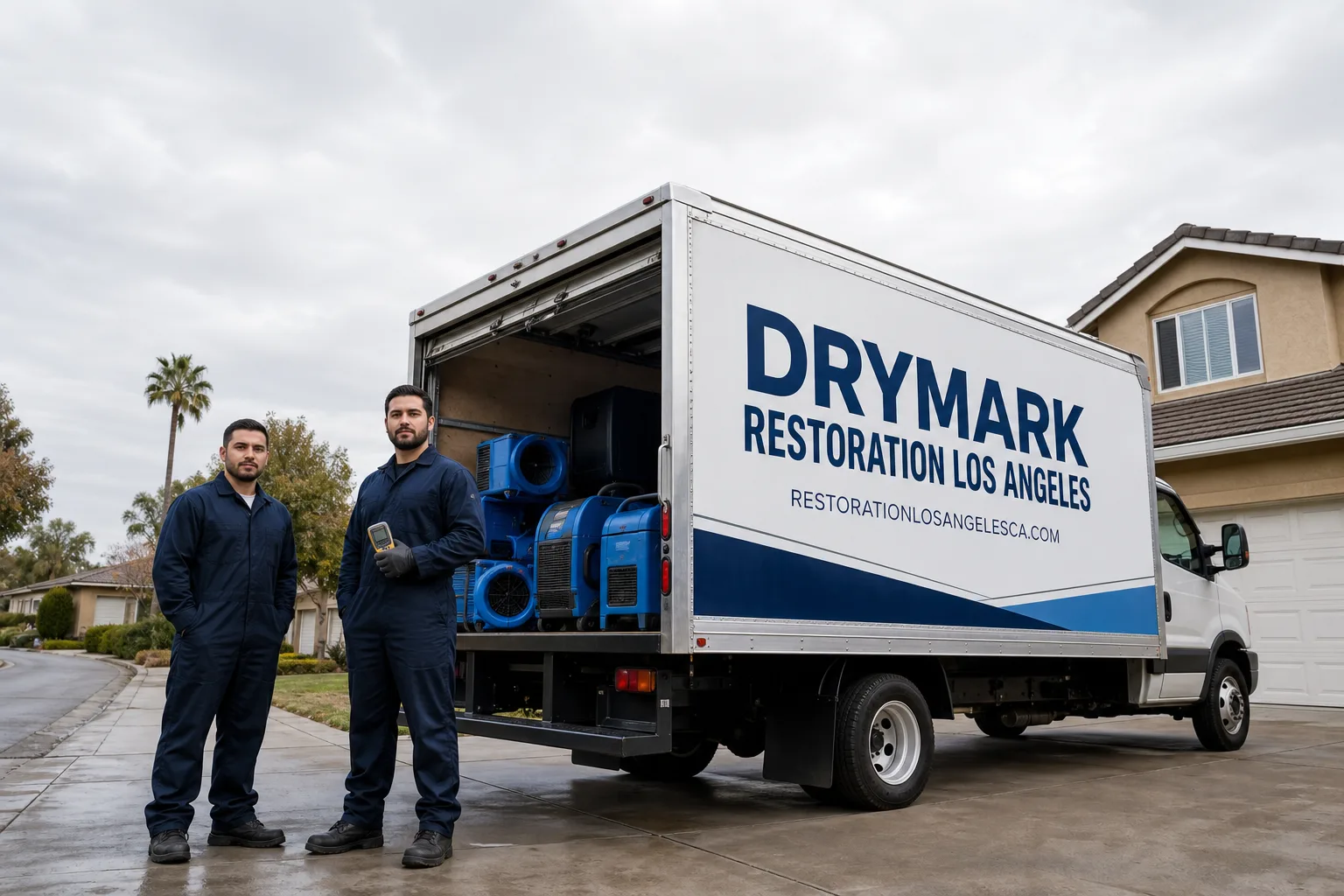
Free visual inspection and a written scope of work before any mitigation begins - photos, moisture readings, and drying logs go in your claim file
The scope we write is the scope we bill. Anything new gets shown to you, in writing, before we touch it.
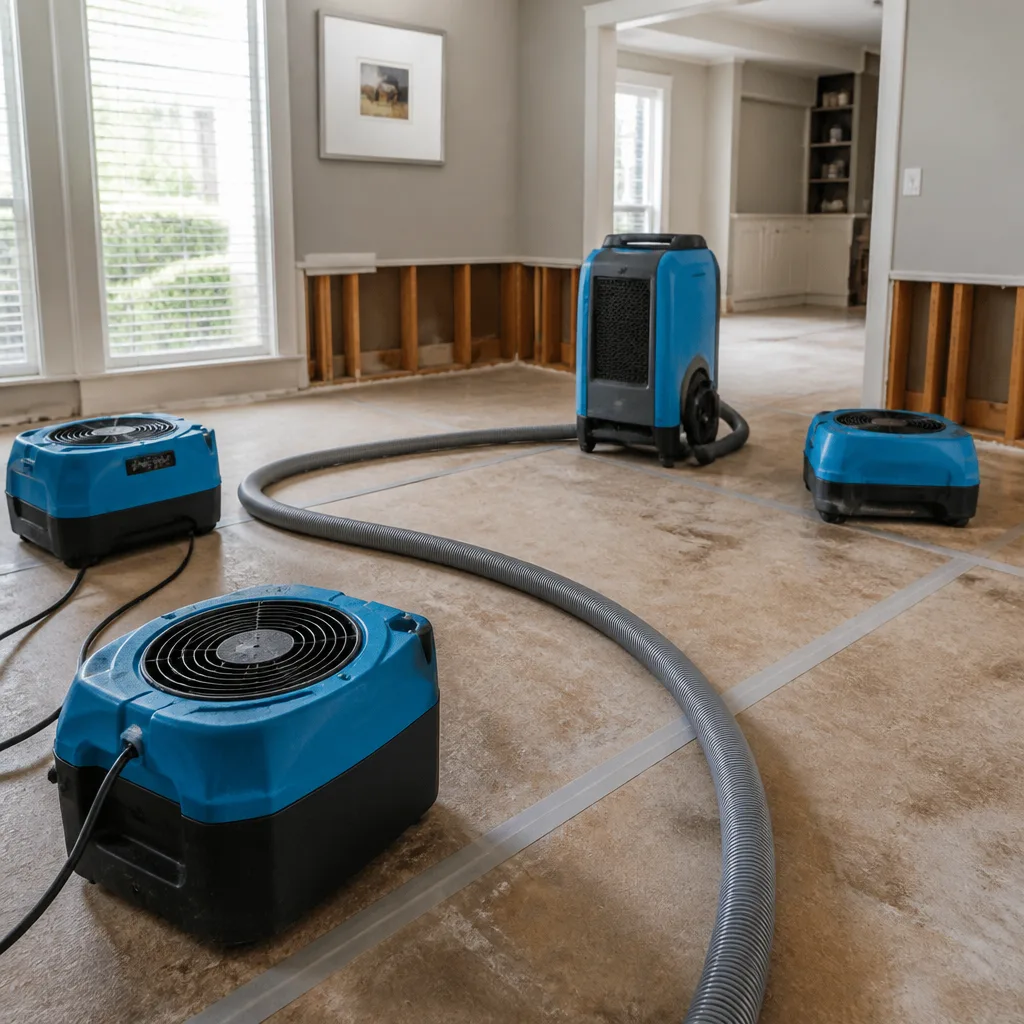
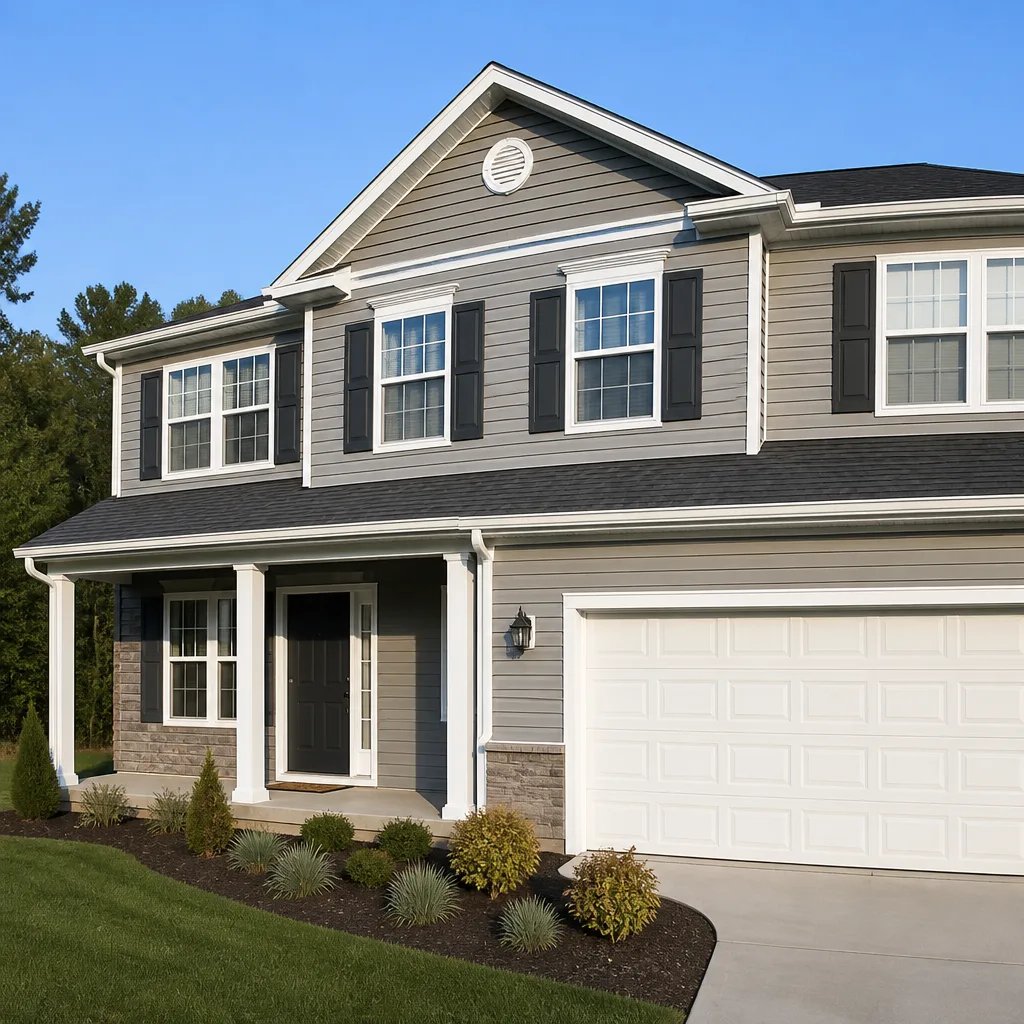
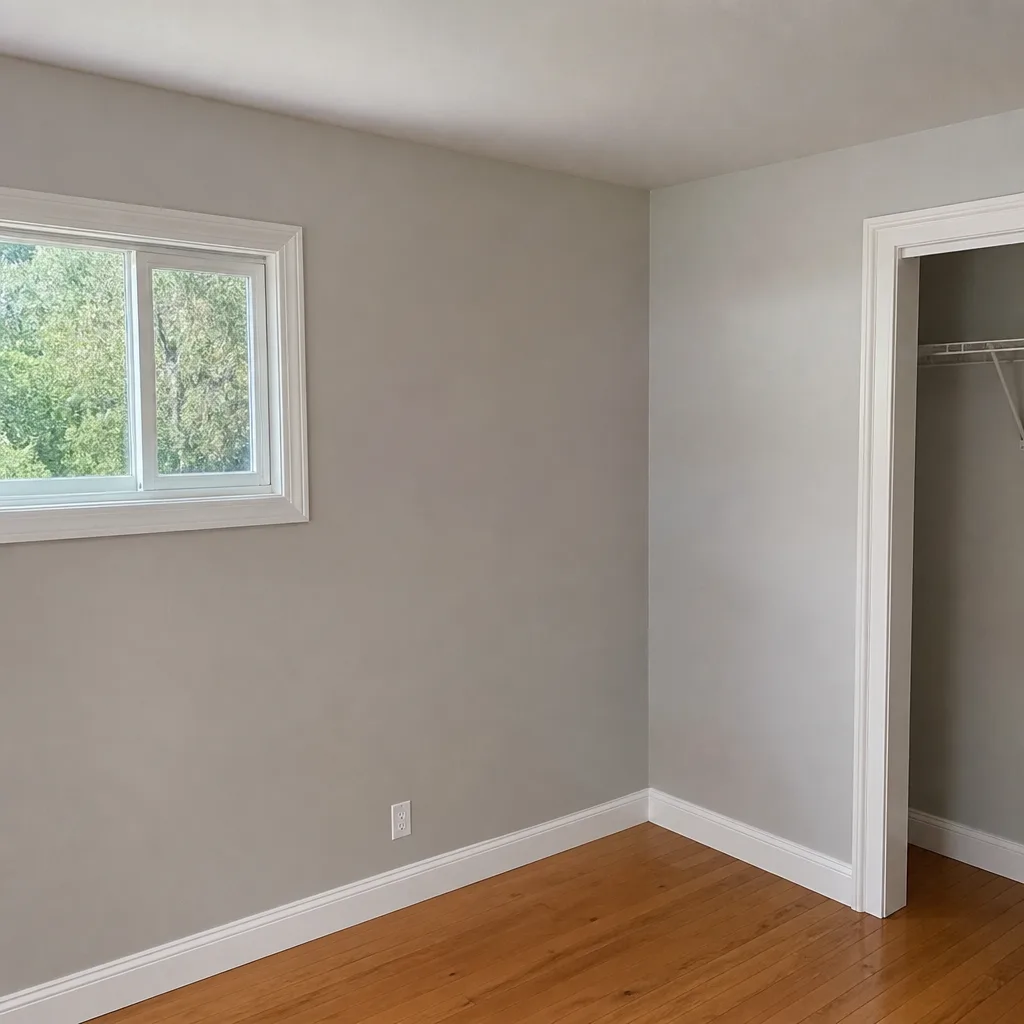
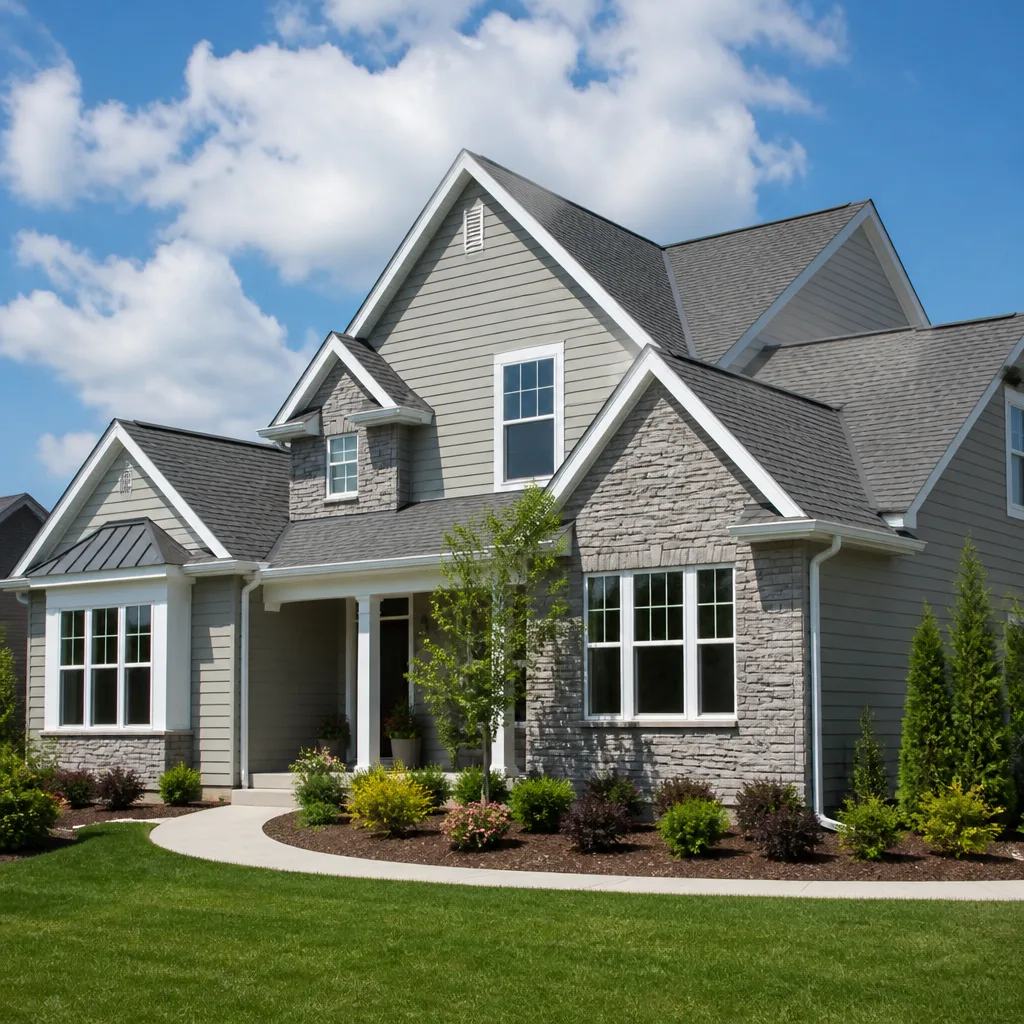
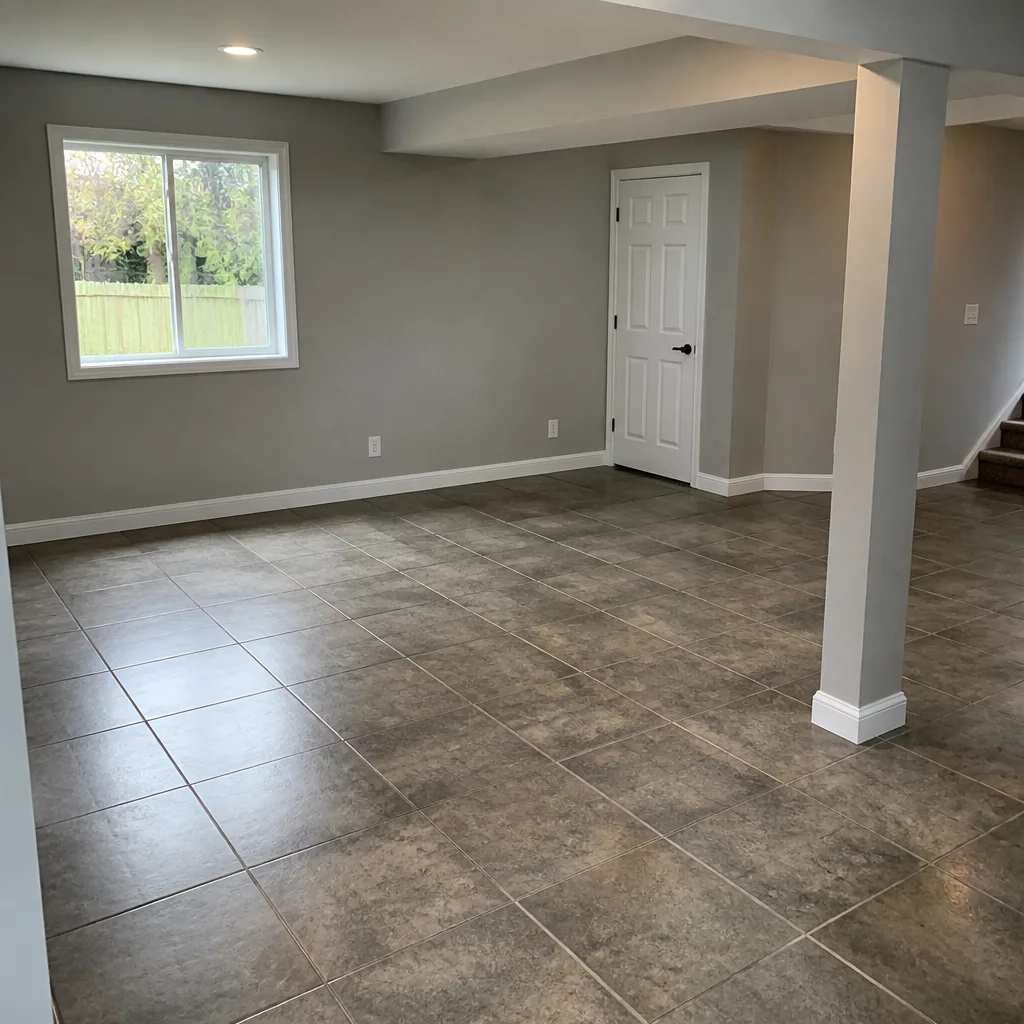
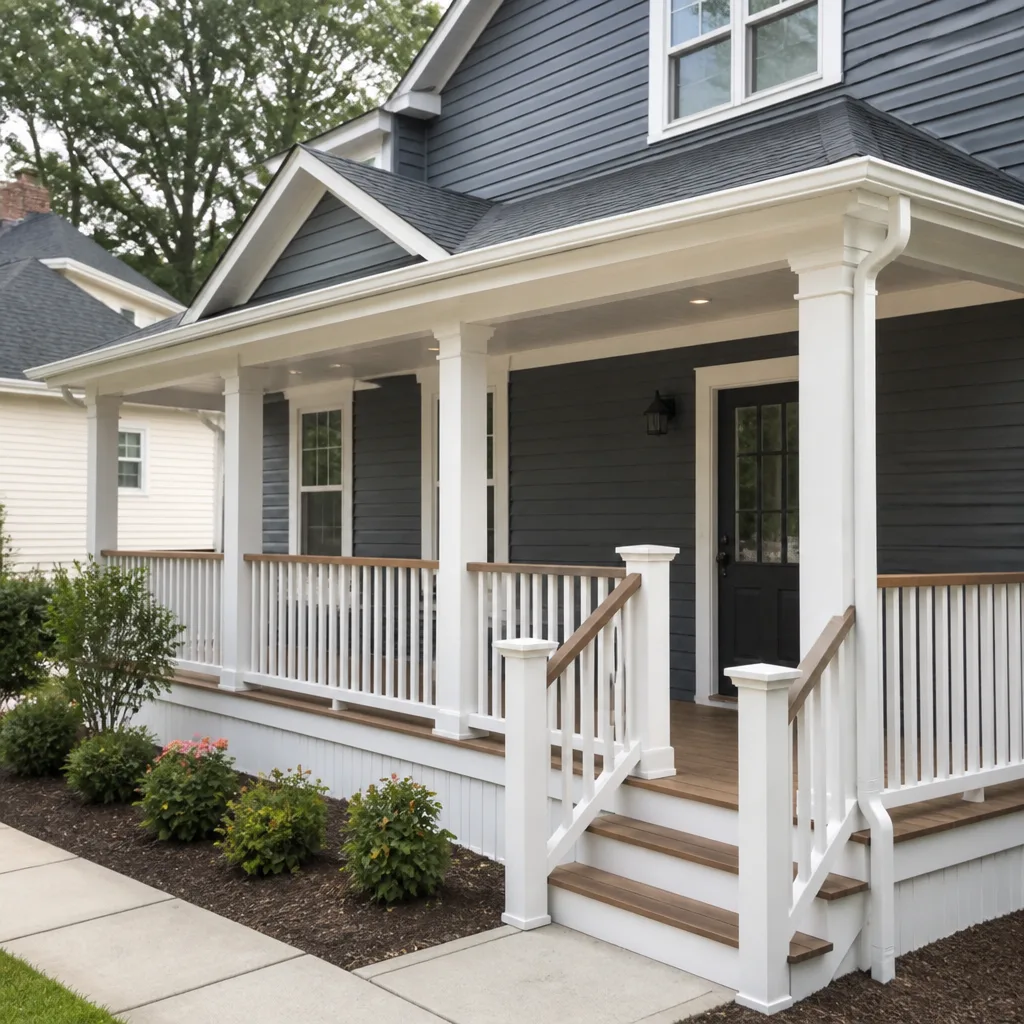
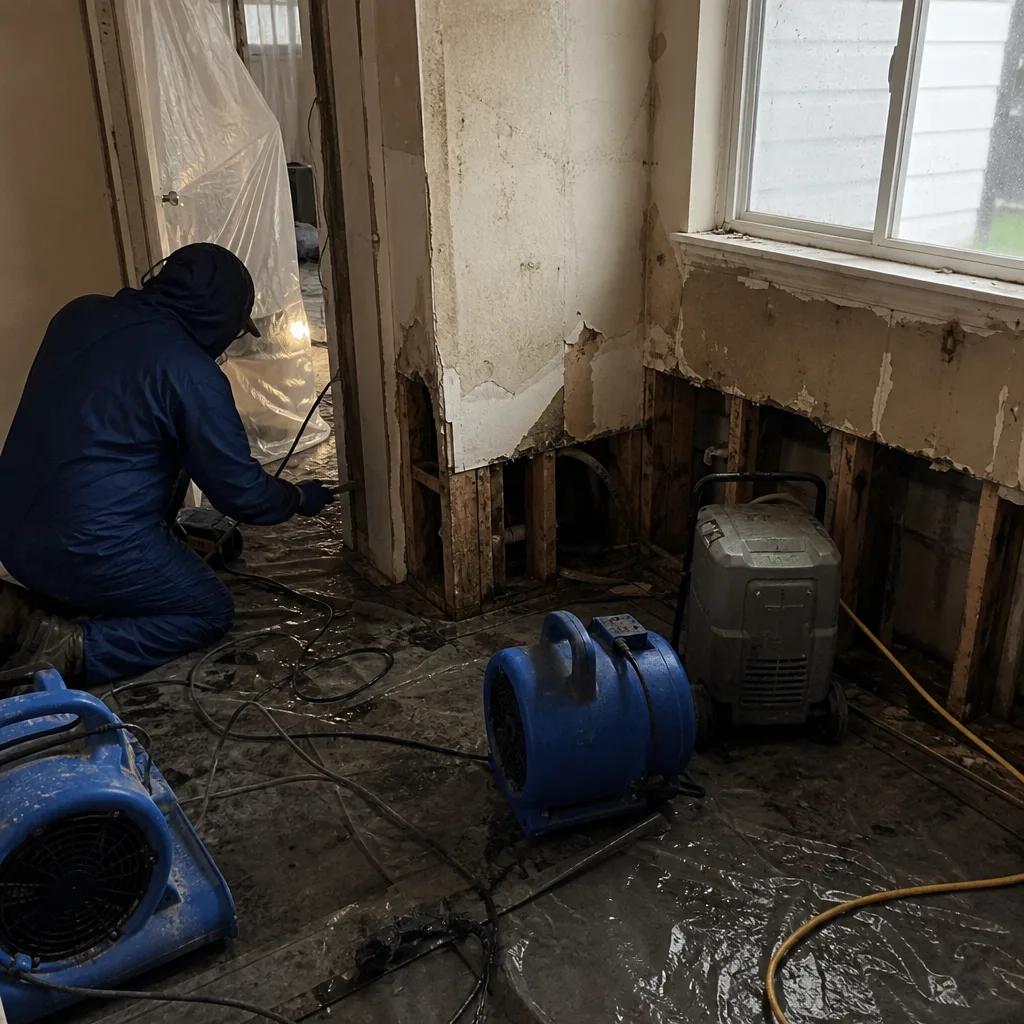 Before
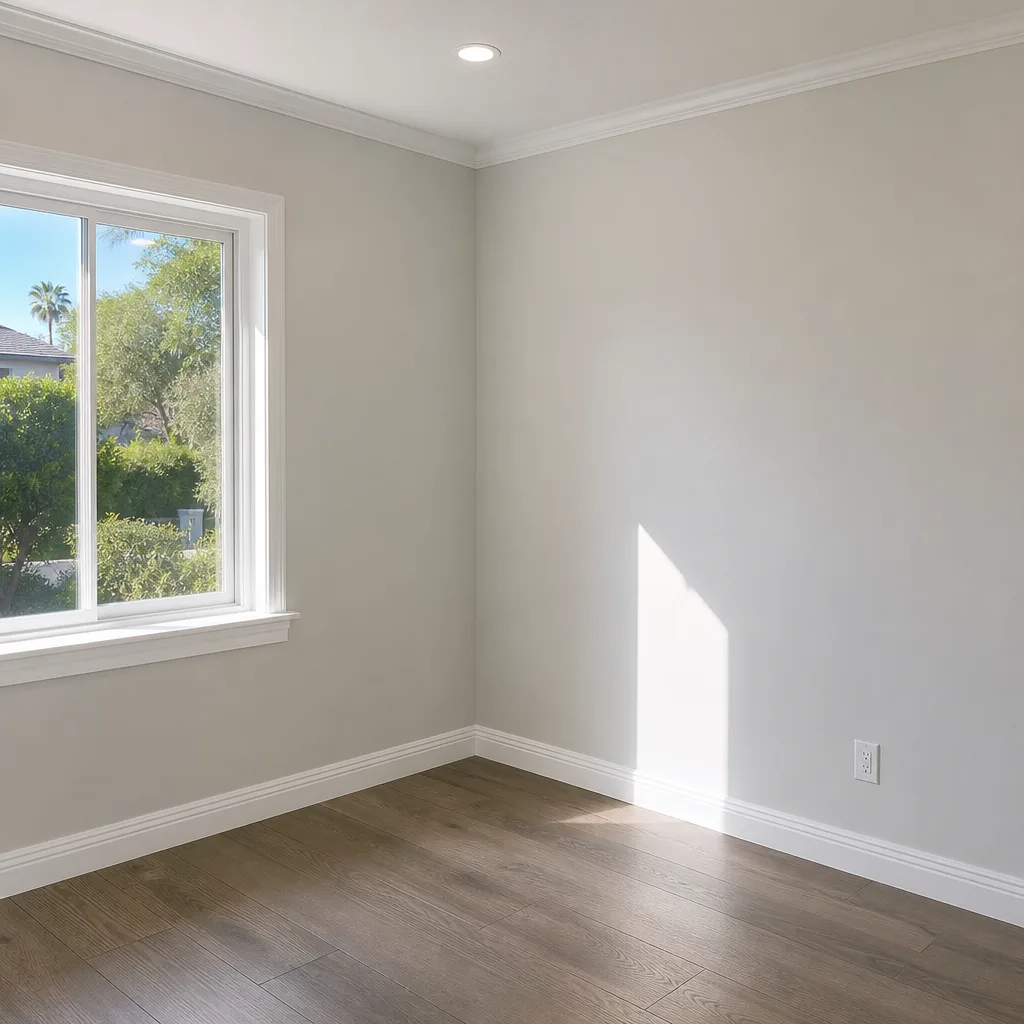 After
After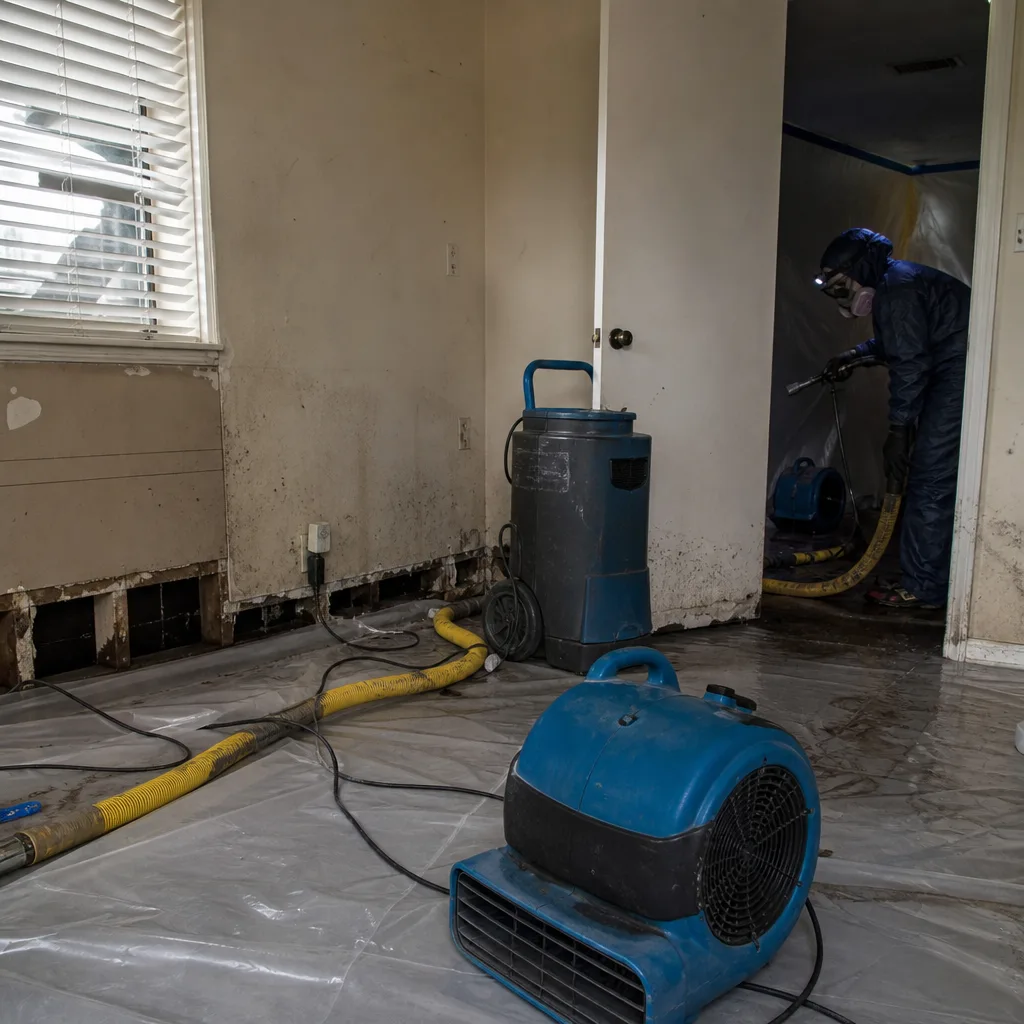 Before
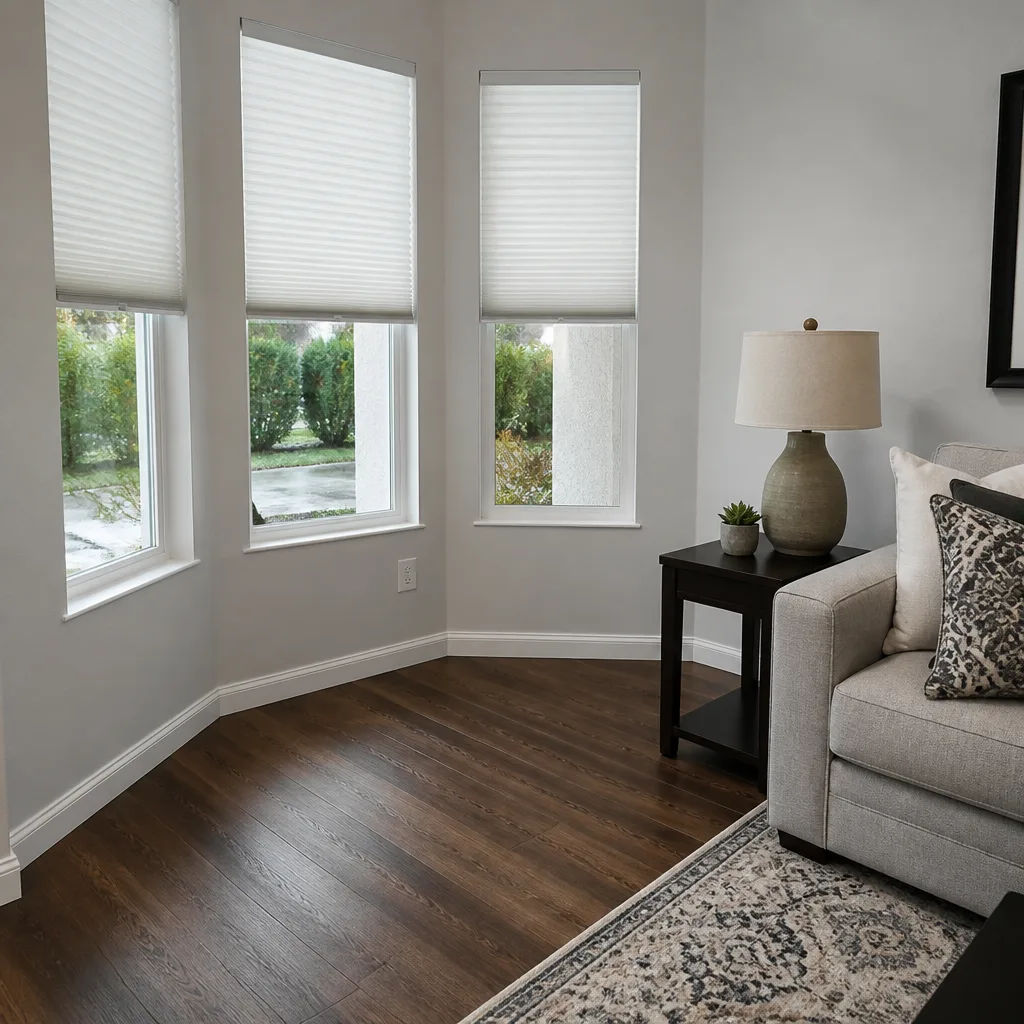 After
After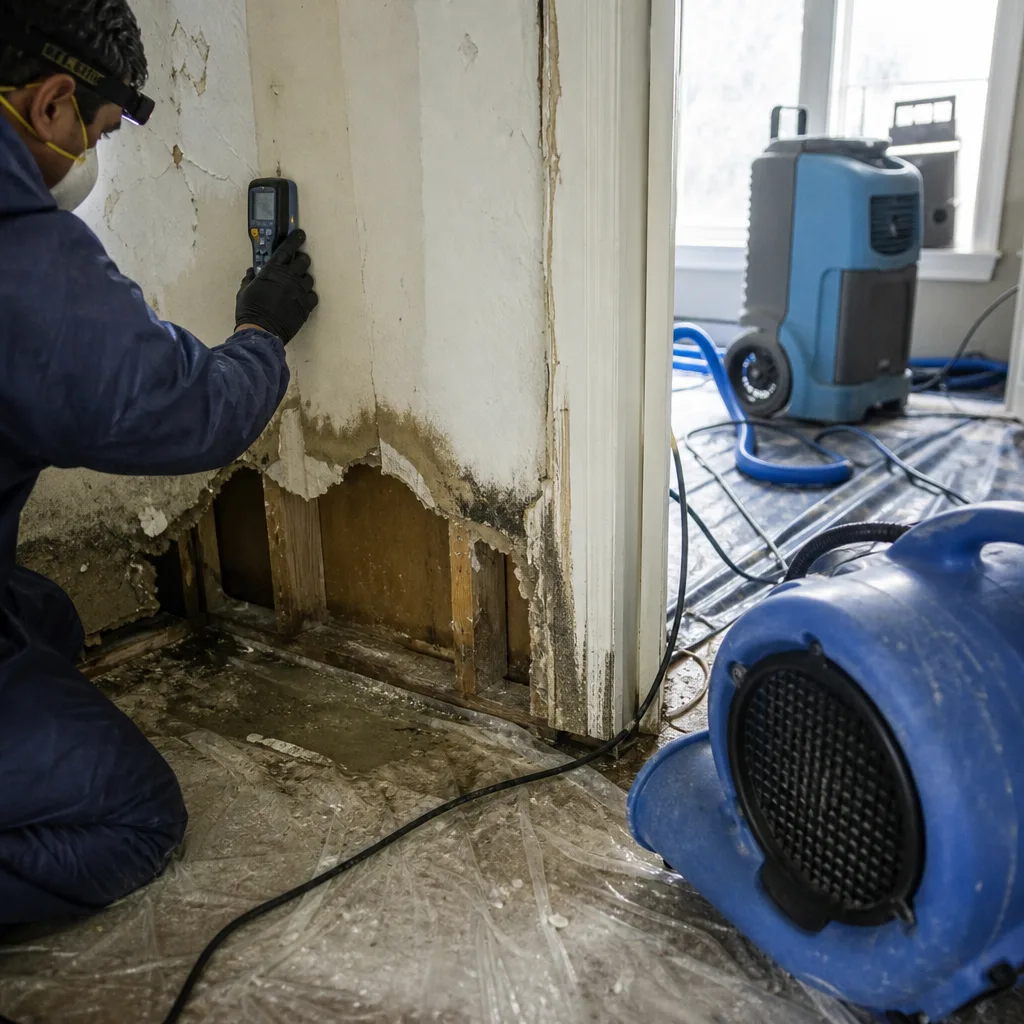 Before
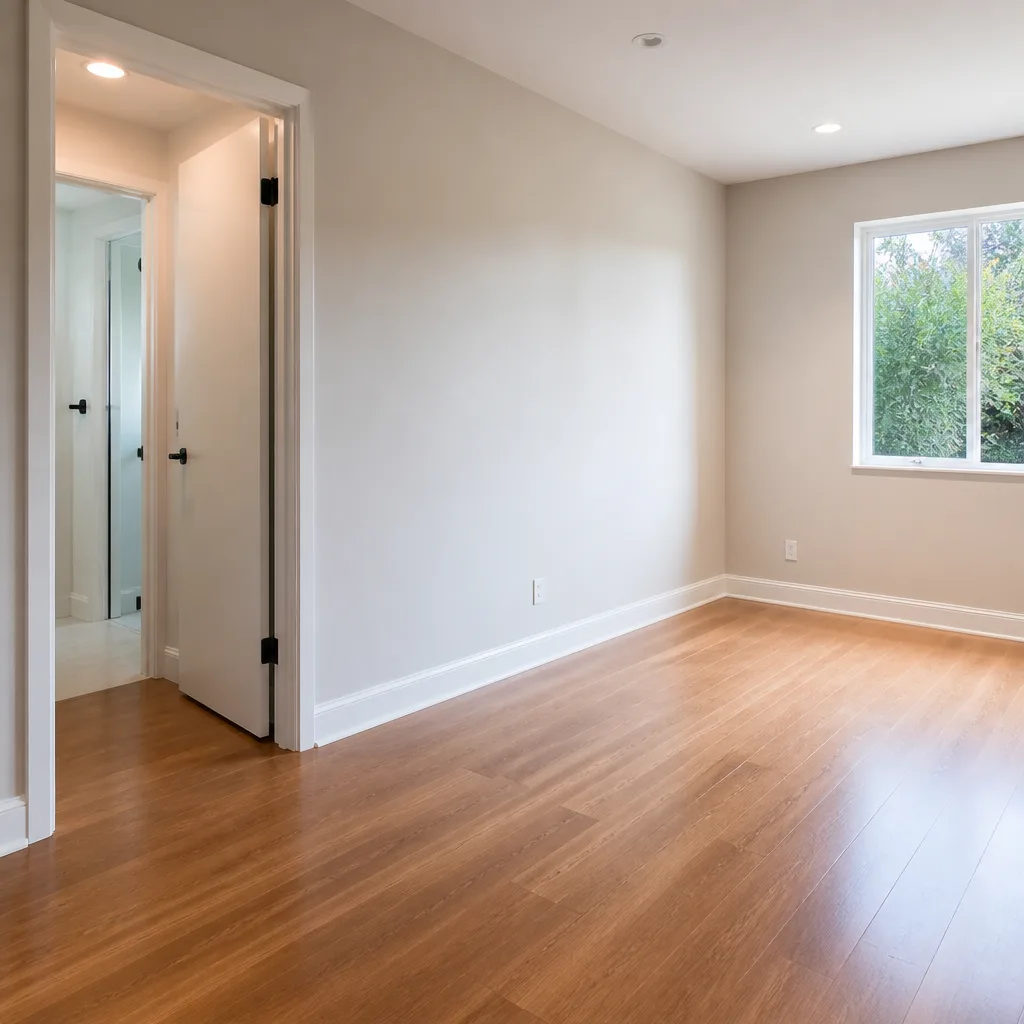 After
AfterFast, Reliable Fire & Smoke Damage Restoration Across Santa Monica
Fire and smoke damage restoration in Santa Monica typically runs $4,200-$18,500 depending on the extent of structural damage, soot penetration, and water from suppression systems, with emergency board-up and tarping available within 60-90 minutes of your call. Our crews coordinate dispatch from our Los Angeles office and carry the specialized equipment needed for Santa Monica’s dense coastal housing: tight alley-load access, security-focused garage systems, and the marine-layer humidity that complicates every drying timeline. Call (424) 351-3396 now for a written scope and price before any work begins.
We’ve restored fire-damaged properties from the Wilshire corridor apartments to the Craftsman bungalows of Ocean Park, and we know the access constraints that slow down out-of-town crews. Parking is tight. Alleys are narrow. Many buildings have rolling-code security openers or shared garage entries that require coordination with property managers and neighbors. Our Fire & Smoke Damage Restoration team arrives with the documentation tools and local logistics experience to start work immediately without creating new problems for your building or block.
Why DryMark Restoration Los Angeles Is Santa Monica’s Preferred Fire & Smoke Damage Restoration Company
Santa Monica homeowners measure contractors by what they can show, not what they claim. Our 12,000+ restored homes since 2011 include hundreds in Santa Monica proper, and every job file contains the same deliverables: a written price signed before work starts, a photo record on every visit, and daily moisture logs that satisfy adjusters without back-and-forth. Our Free Second Opinion on any competitor’s written estimate means you can verify our scope against another quote at no charge.
Live phone coverage, 24 hours a day, 7 days a week, means no voicemail trees when you’re standing in soot. Our response time to Santa Monica averages under 90 minutes for emergency board-up, and we maintain local supplier relationships for fast material procurement on Montana Avenue corridor jobs and north-of-Wilshire multi-family buildings alike.
We understand Santa Monica’s specific building stock: the soft-story “tuck-under” apartments subject to seismic retrofit mandates, the 1920s-1940s bungalows with original plaster-and-lathe walls, and the chronic deferred maintenance that hides deteriorated envelopes behind cosmetic updates. This isn’t generic LA market knowledge. It’s the field experience that prevents under-scoped restoration jobs from failing six months later.
Our Fire & Smoke Damage Restoration Services in Santa Monica
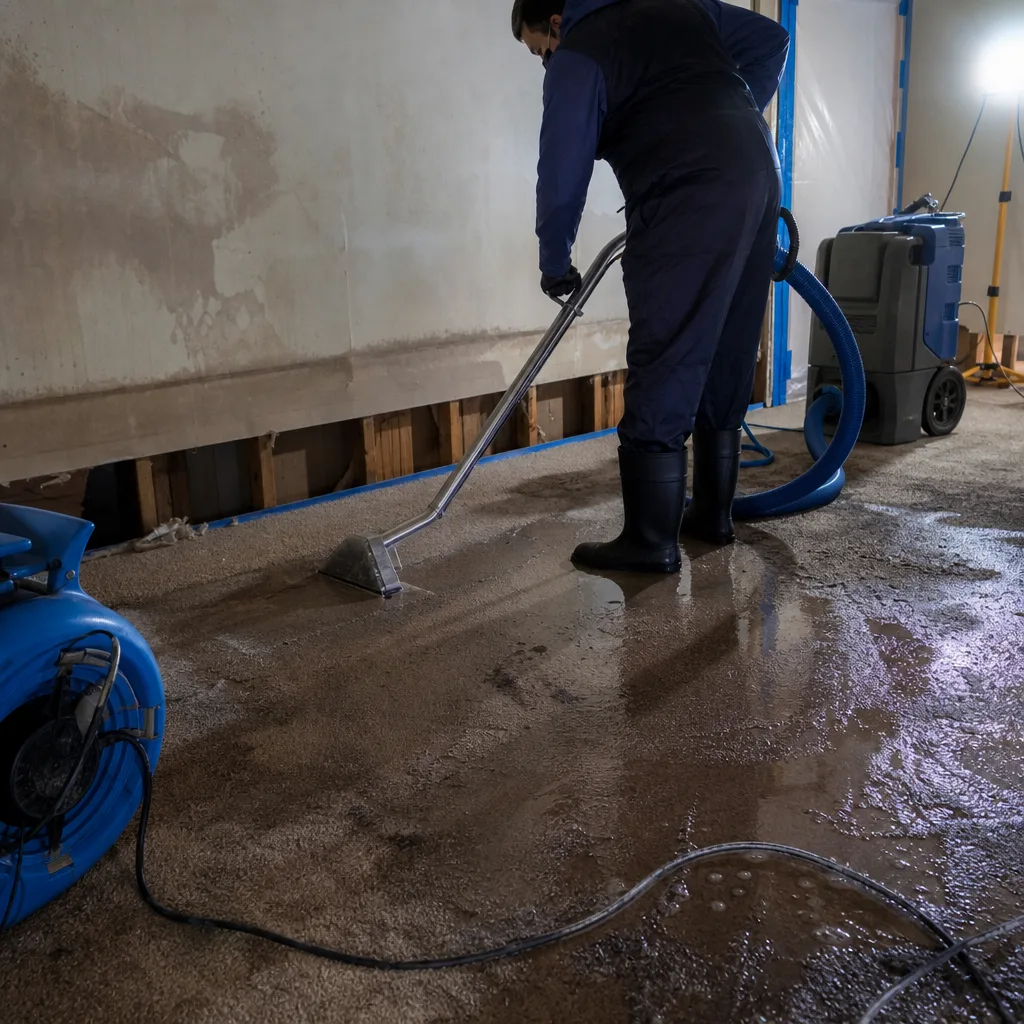
Fire Damage Cleanup
Fire damage cleanup in Santa Monica starts with a documented assessment of structural integrity, water damage from suppression lines, and hazardous material classification. In the city’s older multi-family buildings, particularly the tuck-under soft-story structures concentrated along Wilshire and the corridors feeding Santa Monica College, fire damage often exposes pre-existing envelope failures that coastal humidity has already compromised. We test for asbestos and lead in pre-1980 construction as a standard step, not an upsell, and we deliver a written scope with line-item pricing before any demolition begins. Haven Standard, Clause 1: written price before work starts. Always.
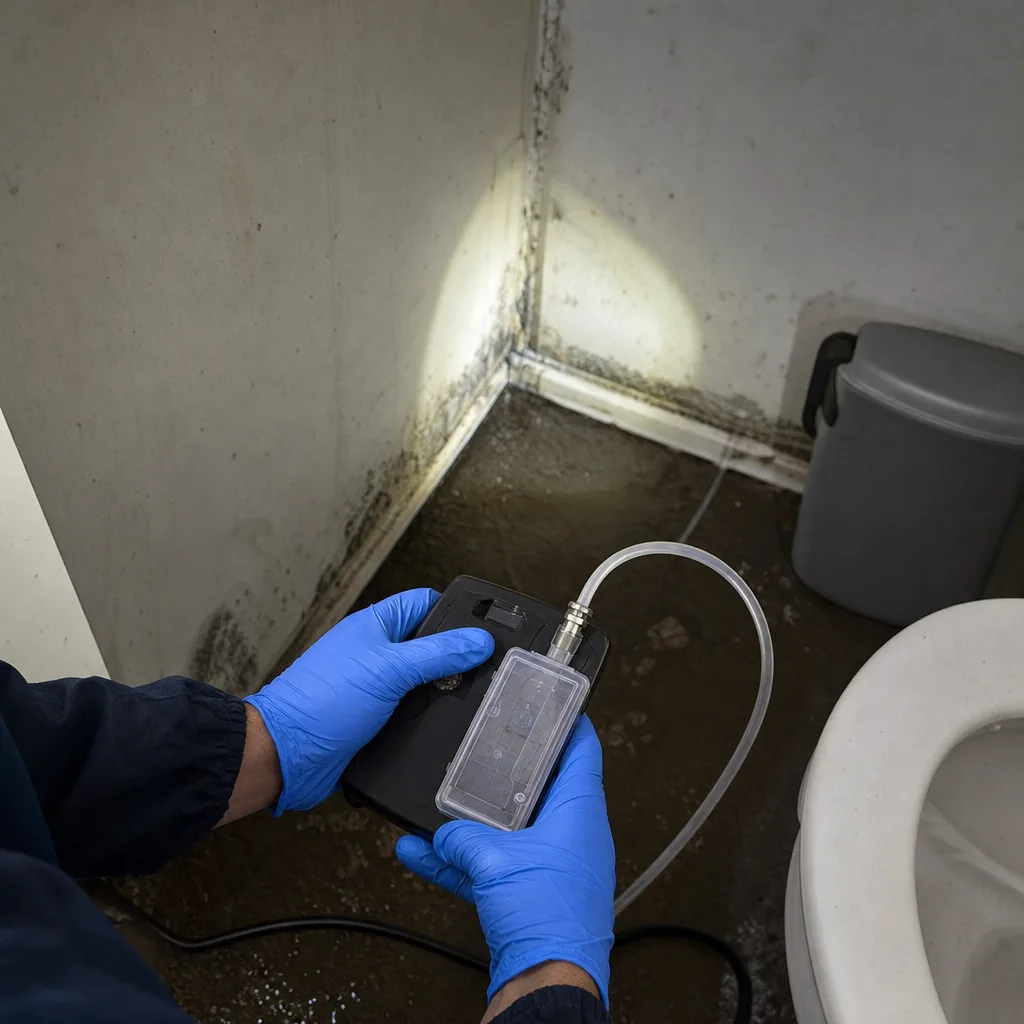
Smoke & Soot Removal
Smoke and soot removal is where Santa Monica’s marine layer becomes a complicating factor. Soot is acidic and hygroscopic, meaning it attracts moisture from humid air. In Santa Monica, where nightly relative humidity routinely exceeds what Culver City or Beverly Hills experience, soot residue wicks into porous surfaces faster and deeper than inland fire restoration textbooks suggest. Our crews use HEPA vacuuming, dry sponging, and targeted wet-cleaning with pH-balanced agents, then document surface readings with photo evidence. For plaster-and-lathe walls in Ocean Park bungalows or north-of-Montana Avenue homes, we map cavity moisture with penetrating meters because the visible soot is rarely the full problem.
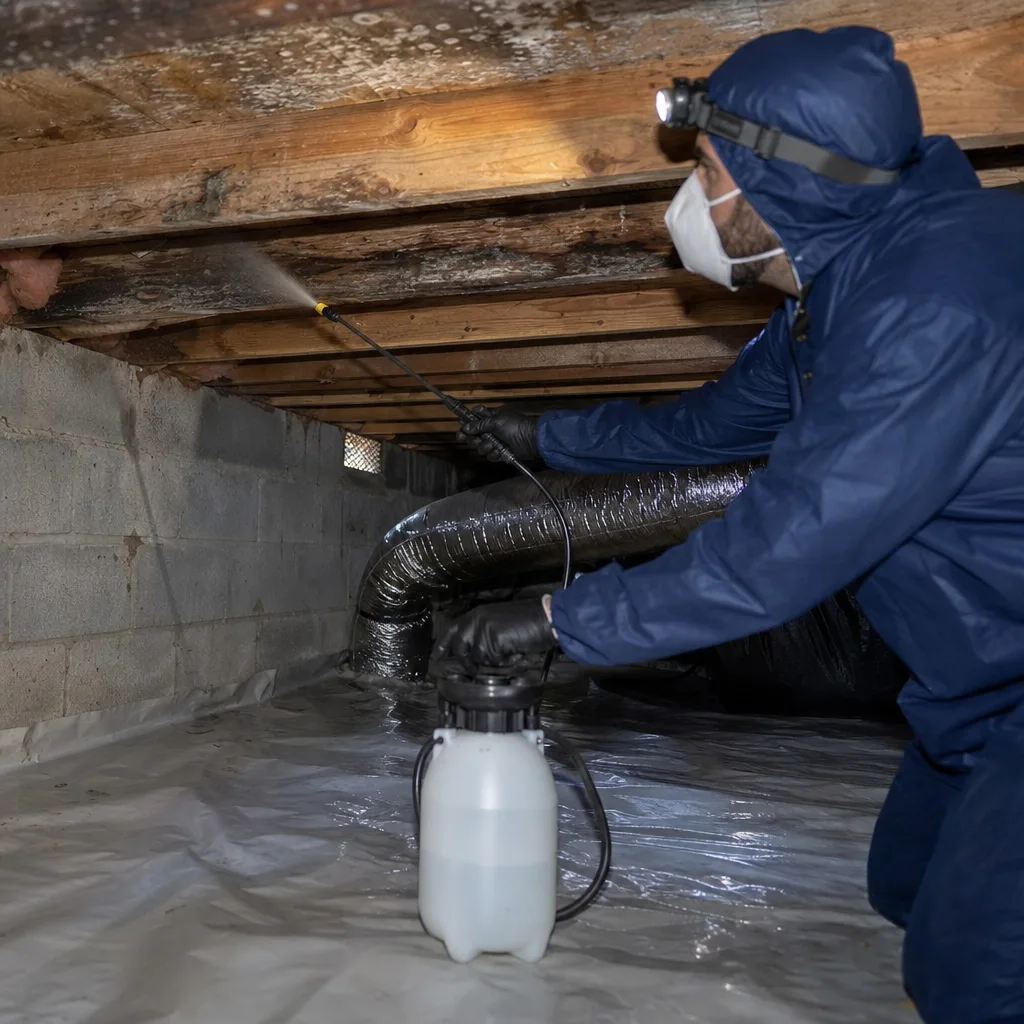
Odor Removal & Deodorization
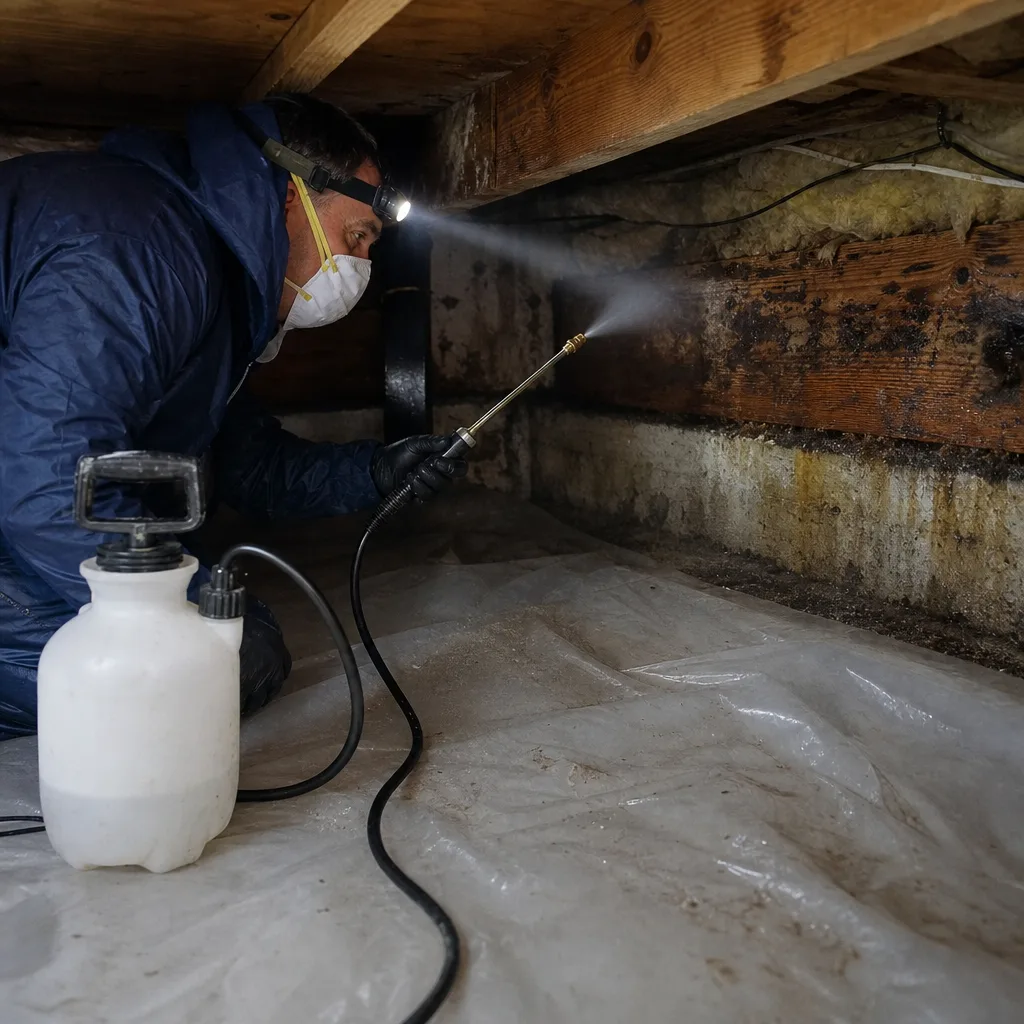
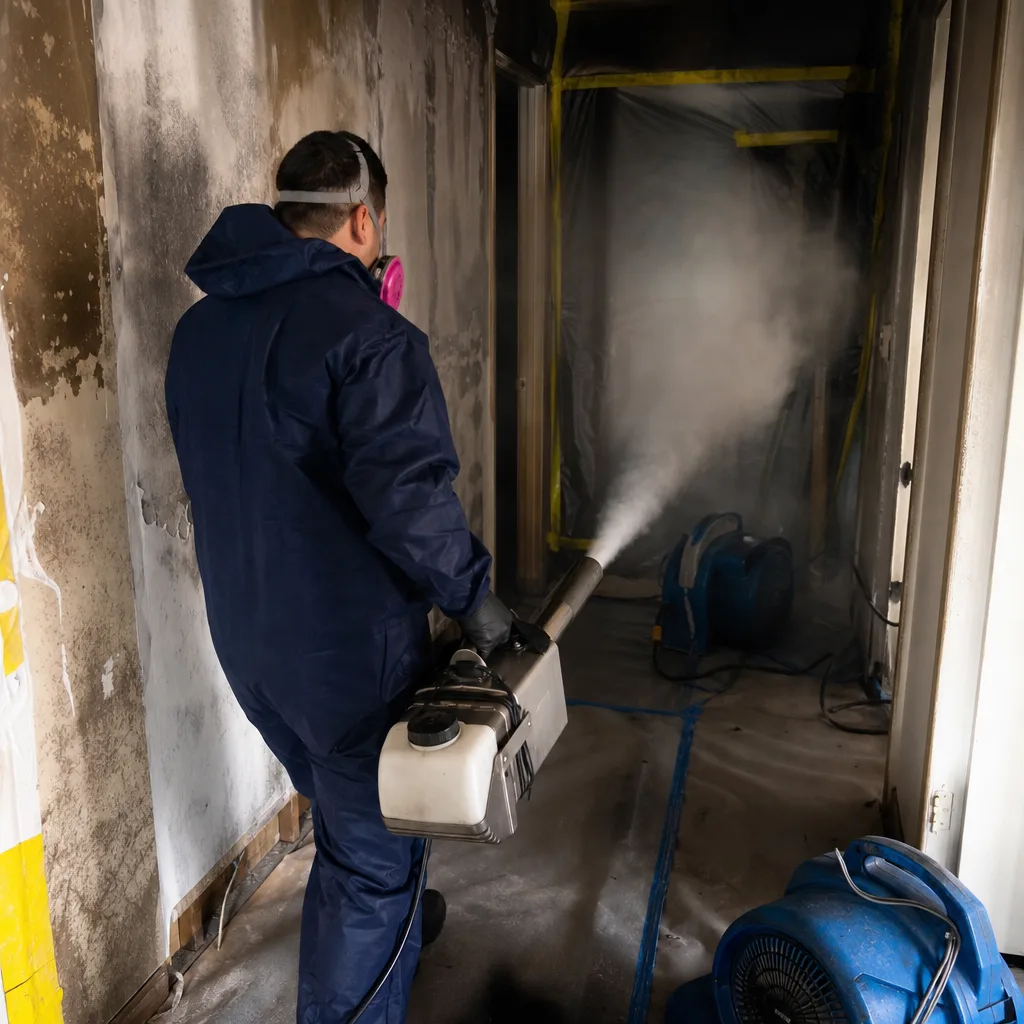
Odor removal in Santa Monica requires equipment selection calibrated to coastal humidity, not inland drying assumptions. Thermal fogging, ozone treatment, and hydroxyl generation each have specific applications, but all perform poorly if the underlying moisture problem isn’t solved first. The marine layer keeps interior surfaces cooler and damper, so odor molecules bind to materials longer and reactivate more readily. Our deodorization protocols include extended drying logs, vapor pressure differential monitoring, and antimicrobial treatment of water-affected cavities. We don’t mask odors. We document their source, eliminate the conditions that sustain them, and prove it with post-treatment air sampling when the scope requires.
Contents Cleaning & Pack-Out
Contents cleaning and pack-out services protect your belongings while structural restoration proceeds. In Santa Monica’s dense housing, space constraints often mean there’s nowhere on-site to stage cleaned items. We inventory, photograph, and transport contents to our controlled cleaning facility, with digital access to your inventory throughout the process. Smoke-damaged textiles, electronics, and documents receive appropriate treatment: ultrasonic cleaning for non-porous items, specialized document drying for water-affected paper, and electronics cleaning by certified technicians. Every item is photographed at intake, during treatment, and at return delivery.
Emergency Board-Up & Tarping
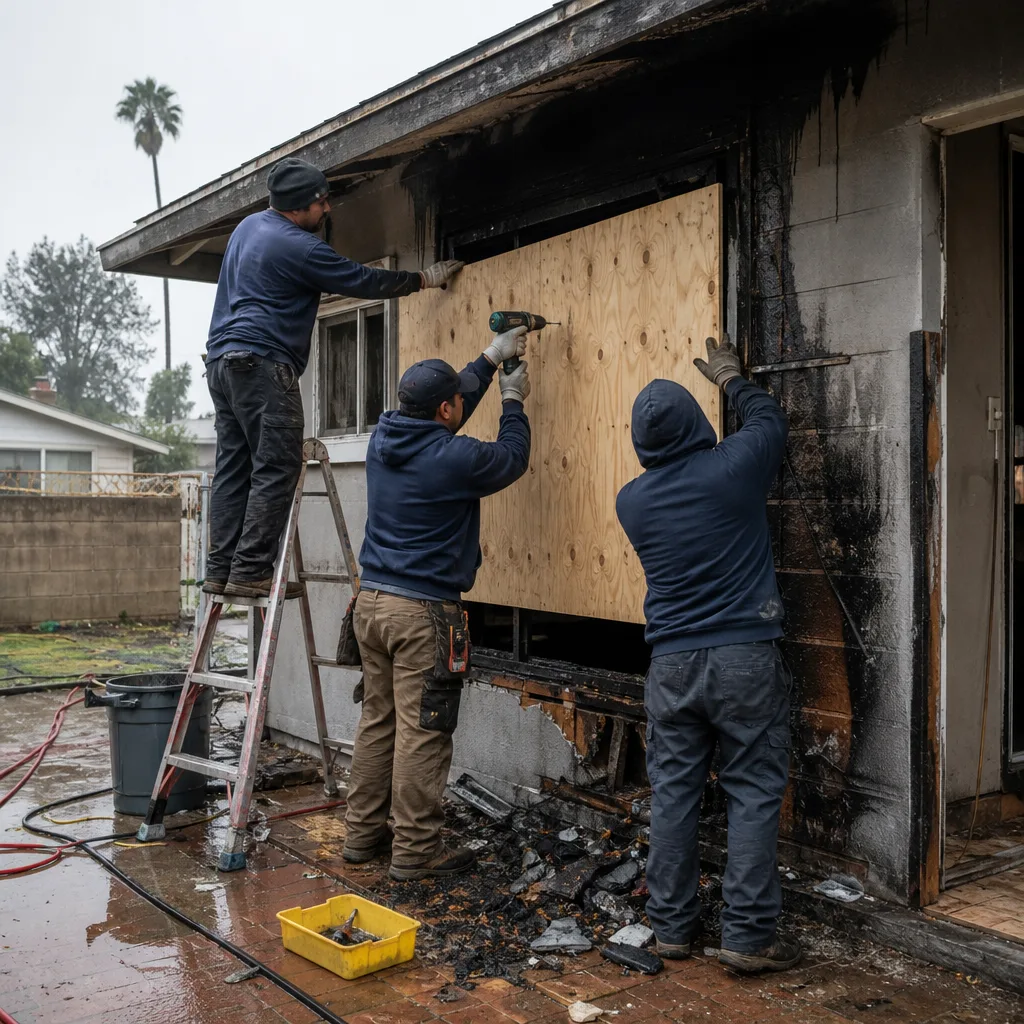
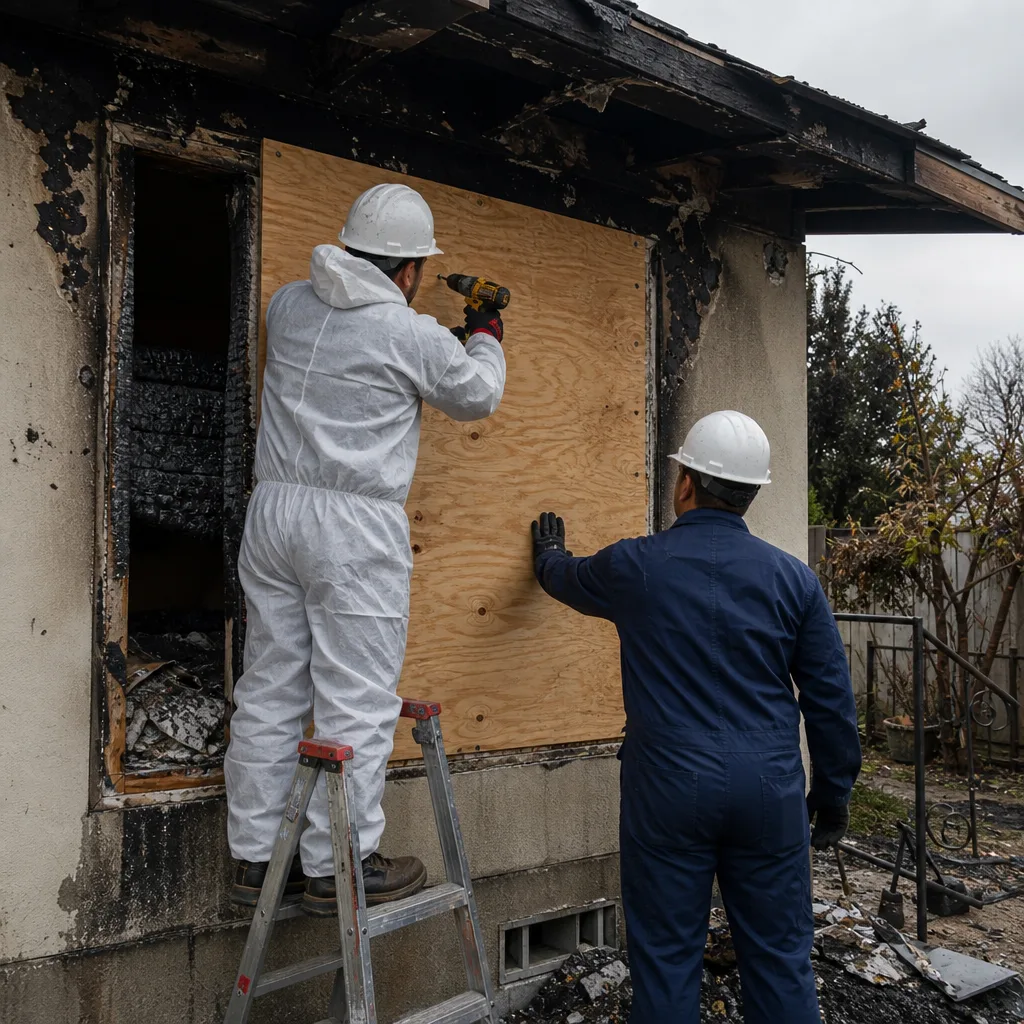
Emergency board-up and tarping in Santa Monica demands logistics planning that inland crews often miss. Alley-load garages in Ocean Park, rolling-code security openers on townhome entries, and shared driveway access on multi-family buildings all require coordination before trucks arrive. Our crews carry temporary security hardware compatible with common opener systems and pre-plan access routes to avoid blocking narrow streets or violating Santa Monica’s parking enforcement zones. Board-up materials are selected for coastal exposure: salt-laden air corrodes standard fasteners, so we use marine-grade hardware when the opening will be secured for more than 48 hours.
Structural Fire Repair
Structural fire repair follows mitigation and is scoped, scheduled, and priced in writing like a remodel, not dispatched for same-day completion. In Santa Monica’s seismic retrofit environment, structural repair often intersects with mandated upgrades, particularly in soft-story tuck-under buildings. We coordinate with structural engineers and city inspectors to ensure repair scopes satisfy both restoration requirements and code compliance. Documentation includes engineer reports, permit applications, and progress photo records that support insurance claim continuity.
What happens when you call
- 1
A real person answersNo phone trees - you reach a local pro.
- 2
You get an upfront price rangeHonest numbers before anyone is dispatched.
- 3
A background-checked tech heads outLicensed & insured, dispatched right away.
- 4
You approve before work beginsNothing starts until you say go.
BeforeAfterTrusted Equipment Brands We Deploy in Santa Monica
Our Santa Monica crews deploy professional-grade drying and air quality systems from Dri-Eaz, Phoenix, and XPOWER, documented to IICRC, RIA, and IFA standards. Dri-Eaz dehumidifiers and Phoenix air scrubbers are selected specifically for coastal humidity loads, not the lighter-duty configurations that suffice inland. XPOWER air movers provide the airflow volume needed for extended drying schedules in marine-layer-affected buildings. We don’t list equipment to impress. We name it because the daily drying logs these machines produce, with psychrometric data and vapor pressure differential readings, are what turn restoration invoices into claims adjusters pay without dispute.
Common Fire & Smoke Damage Restoration Problems We See in Santa Monica Homes
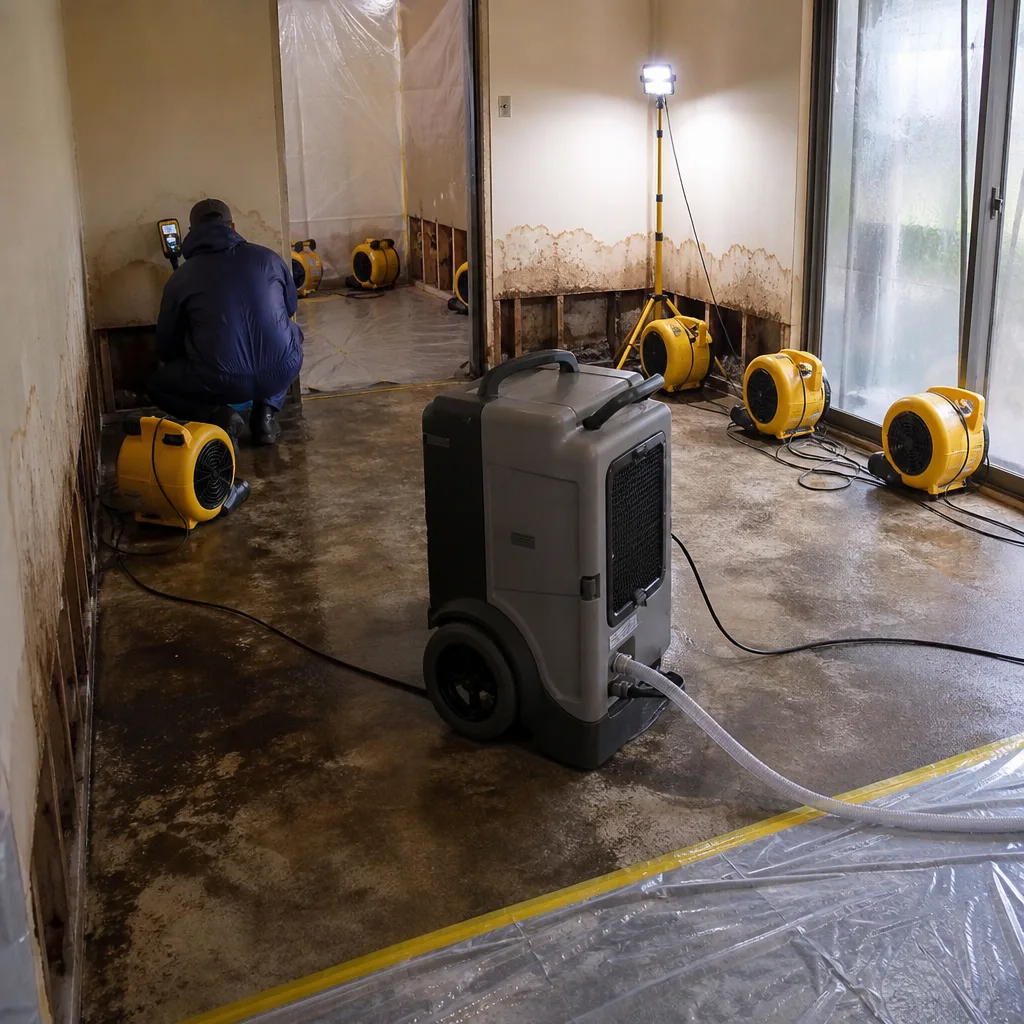
- Suppression water trapped in plaster-and-lathe cavities. Santa Monica’s pre-1980 housing stock, especially the Craftsman bungalows in Ocean Park and Spanish Colonial Revival homes north of Montana Avenue, used plaster-and-lathe wall assemblies that hold water from fire-suppression lines long after drywall would have dried. Standard moisture meters miss the cavity moisture, and without penetrating probes or thermal imaging, crews declare drying complete while mold-friendly conditions persist behind the wall.
- Salt-air corrosion of fire-damaged infrastructure. Santa Monica’s ocean exposure means HVAC components, electrical fasteners, and pipe fittings are already corroded before any fire event. Restoration scopes that don’t inspect and document this pre-existing condition often fail when the re-opened structure leaks during or immediately after repair work.
- Inland drying timelines applied to coastal humidity baselines. Air mover and dehumidifier schedules that achieve equilibrium in Culver City or Beverly Hills leave Santa Monica jobs wet because the interior baseline humidity never drops to the same level. Extended drying logs with adjusted equipment runtimes are standard on our Santa Monica jobs, not exceptions.
- Mold colonization within 24-48 hours of suppression-line breaks. The marine layer keeps indoor surfaces chronically cooler and damper than inland equivalents. When fire-suppression water saturates a wall cavity, the mold threshold is reached in days, not weeks. Proactive antimicrobial treatment and documented moisture mapping are standard steps in our Santa Monica fire restoration protocol.
Pricing for Fire & Smoke Damage Restoration in Santa Monica, CA
Emergency board-up and tarping in Santa Monica typically runs $800-$2,400 depending on opening count, access complexity, and security hardware requirements. Smoke and soot removal for a single-family home or townhome runs $3,500-$8,500; odor removal and deodorization adds $1,200-$3,800 for thermal fogging or hydroxyl treatment with extended drying logs. Contents cleaning and pack-out ranges from $2,000-$6,500 based on inventory volume and specialty item count. Structural fire repair, scoped after mitigation, typically falls between $8,000-$45,000 for residential properties in Santa Monica’s market.
What moves the price: the extent of water damage from suppression systems, the presence of hazardous materials in pre-1980 construction, access constraints requiring specialized logistics, and the need for extended drying schedules due to coastal humidity. Every job receives a written price before work begins, with no scope-creep additions once the crew is inside. Haven Standard, Clause 1. Call (424) 351-3396 for your written estimate.
We Also Serve Cities Near Santa Monica
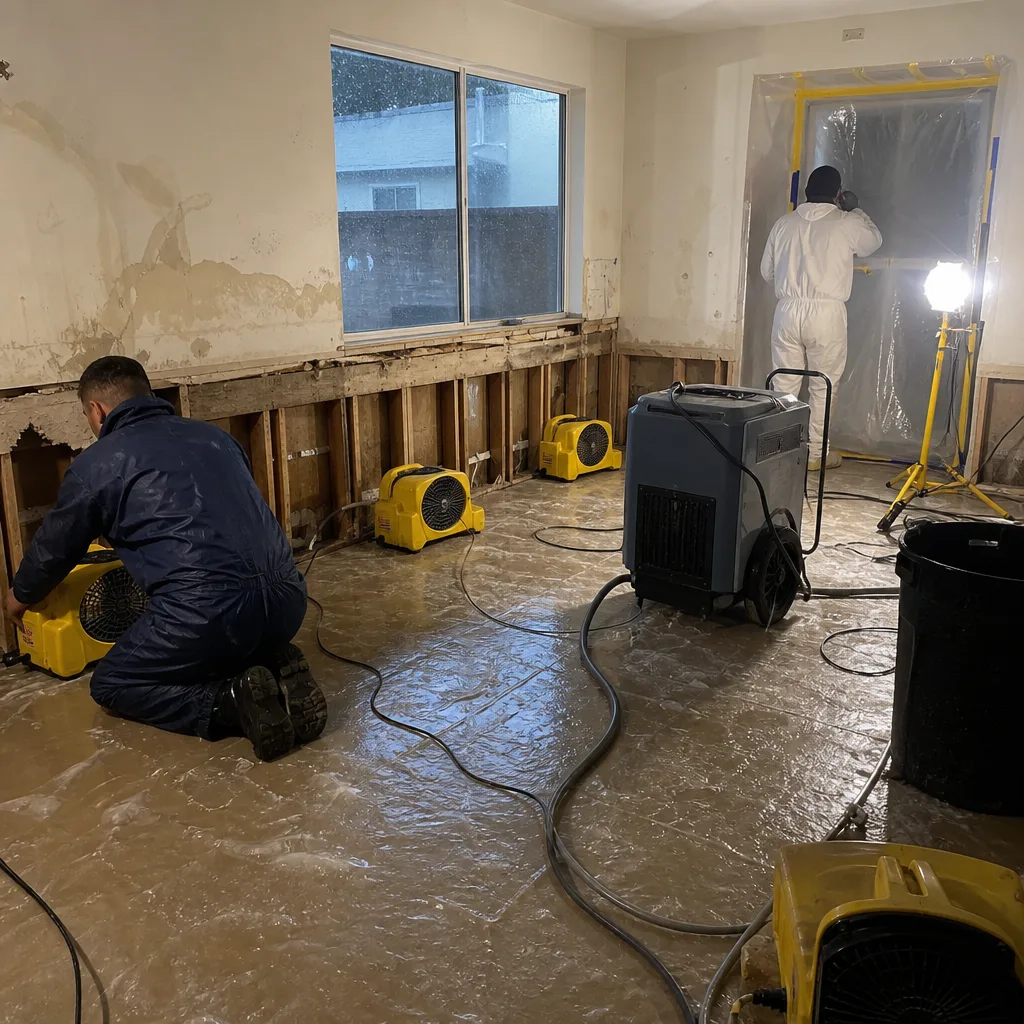
Our crews provide Fire & Smoke Damage Restoration in Santa Monica and the surrounding communities: Venice, Playa del Rey, Culver City, and Beverly Hills. Each market has distinct housing stock and environmental conditions, and our scopes are adjusted accordingly rather than copied from a template.
Serving Santa Monica, CA - Our Local Coverage Area
We’re based in the Santa Monica area and know this community well. Use the map below to see our service coverage - if you’re nearby, we can almost certainly help.
FAQs - Fire & Smoke Damage Restoration in Santa Monica
Mold can establish active colonization within 24 to 48 hours in Santa Monica’s coastal-humidity environment, compared to the 72-hour threshold commonly cited for inland LA. The marine layer keeps baseline relative humidity elevated, so wet plaster-and-lathe assemblies never experience the drying intervals that would interrupt mold growth in drier climates. Our standard protocol includes proactive antimicrobial treatment and daily moisture mapping on every Santa Monica fire job with suppression water. Call (424) 351-3396 for a written scope and price.
We pre-coordinate access routes, temporary security hardware compatible with rolling-code opener systems, and staging plans that avoid blocking narrow alleys or violating Santa Monica parking enforcement. On a recent Ocean Park call off Ashland Avenue, our crew handled a 1938 bungalow kitchen fire where the alley-load garage required coordinated board-up that protected the opening without obstructing the main street. We documented the access plan with photos and shared it with the homeowner and adjuster before arrival. Call (424) 351-3396 to discuss access logistics for your property.
The marine layer maintains higher baseline humidity in Santa Monica buildings, so odor molecules bind more tenaciously to porous materials and reactivate more readily after treatment. Drying equipment must overcome this humid baseline before deodorization can succeed, extending runtimes by 30-50% compared to inland jobs. Our Santa Monica scopes include adjusted equipment schedules and vapor pressure differential monitoring to prove when true equilibrium is reached, not just when surfaces feel dry. Call (424) 351-3396 for documentation protocols specific to your property.
Yes. Salt air accelerates corrosion of HVAC fasteners, electrical components, and pipe fittings that fire or suppression water has already compromised. Restoration scopes that don’t inspect and document this pre-existing corrosion often fail when the repaired structure leaks again within months. Our Santa Monica assessments include corrosion inspection of exposed infrastructure, with photo documentation and written scope additions when replacement is indicated. Call (424) 351-3396 for a written assessment.
Category 1 water is clean supply-line water; Category 2 is significantly contaminated, such as fire-suppression water that has mixed with soot and building materials; Category 3 is grossly contaminated, including sewage or seawater intrusion. In Santa Monica fire losses, suppression water almost always degrades to Category 2 once it contacts soot and burned materials, requiring removal of porous materials that Category 1 protocols might allow to dry in place. The marine layer complicates this further by sustaining Category 2 conditions longer, increasing the likelihood of material removal versus in-place drying. Our written scopes specify water category, affected materials, and removal versus drying decisions with photo evidence. Call (424) 351-3396 for your documented assessment.
Written by Alicia Brennan, Owner at Back to Dry Restoration, serving Santa Monica since 2011 under The Haven Standard.