
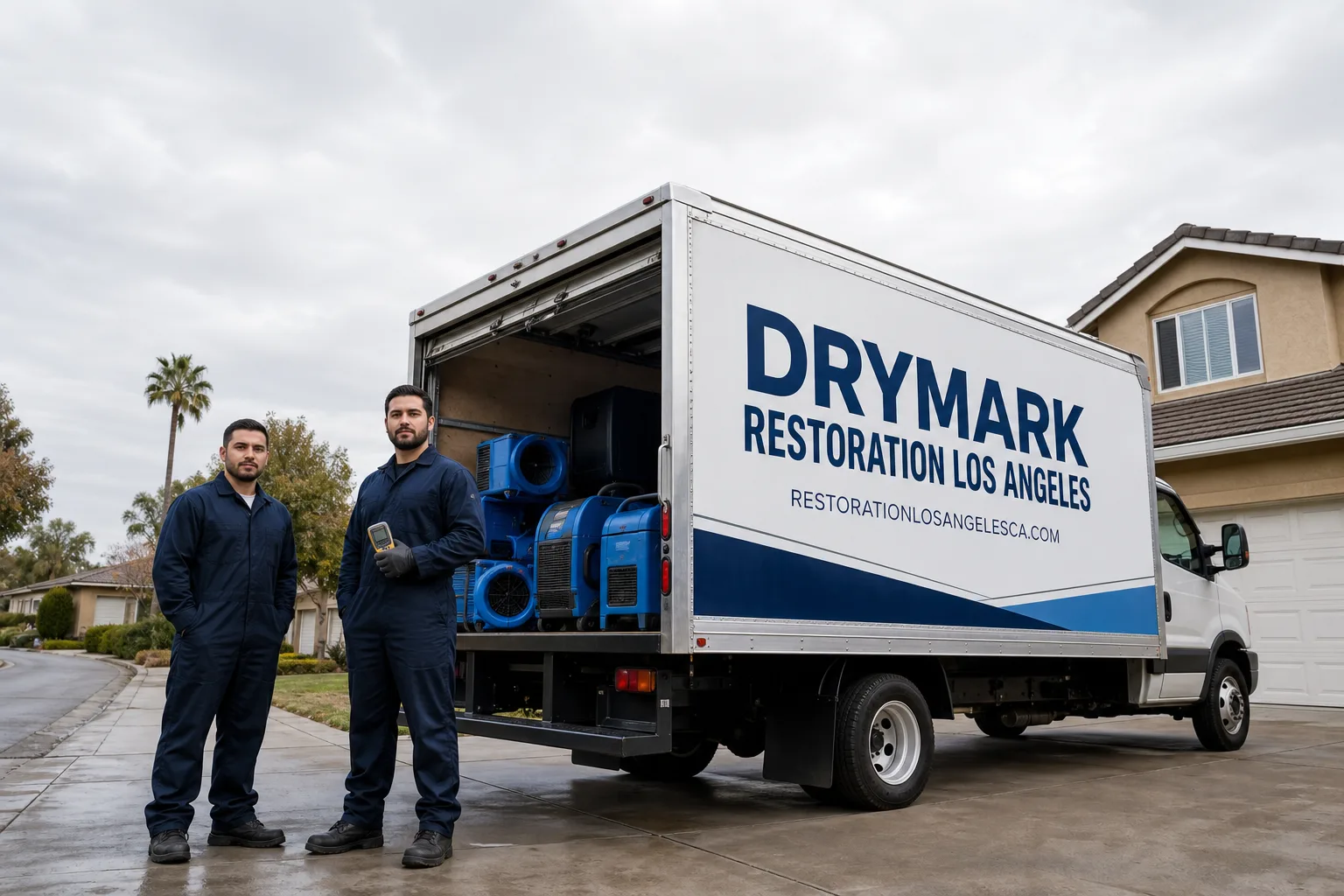
Free visual inspection and a written scope of work before any mitigation begins - photos, moisture readings, and drying logs go in your claim file
The scope we write is the scope we bill. Anything new gets shown to you, in writing, before we touch it.
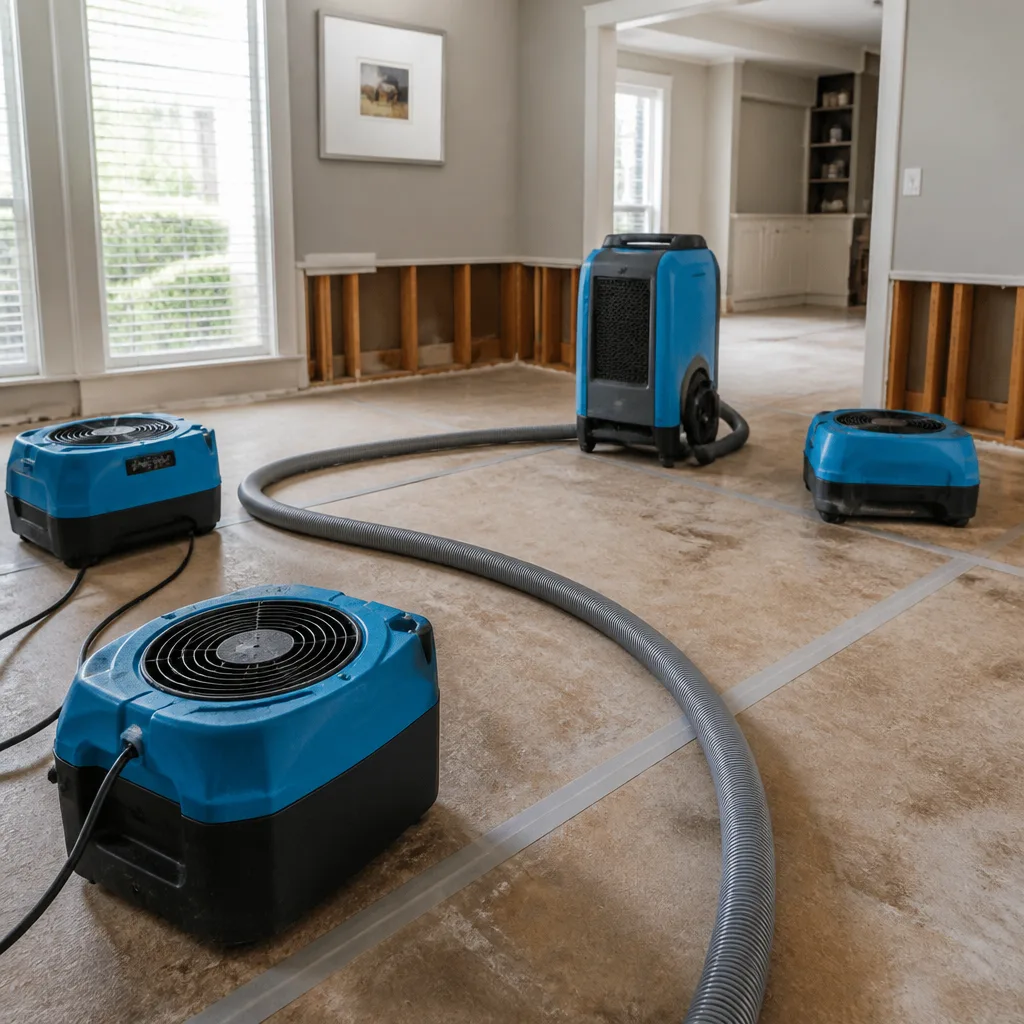
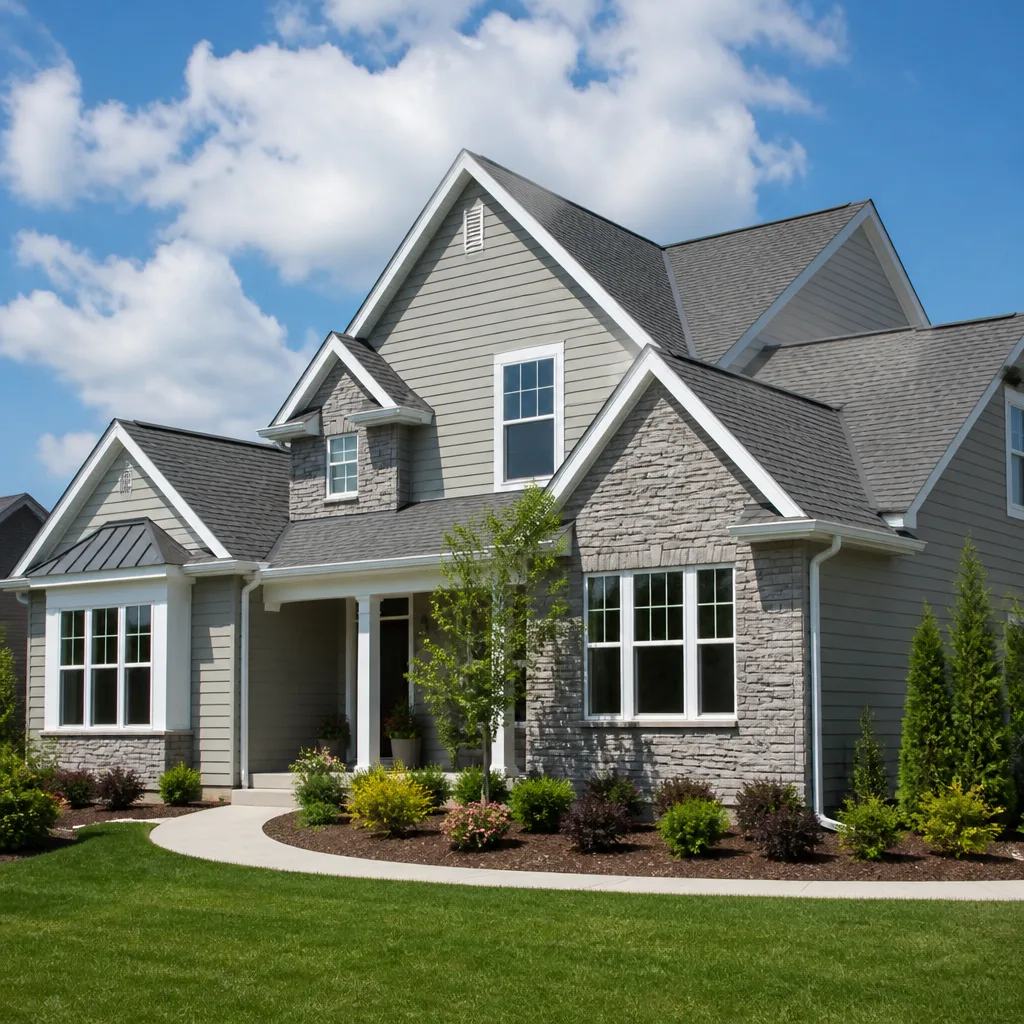
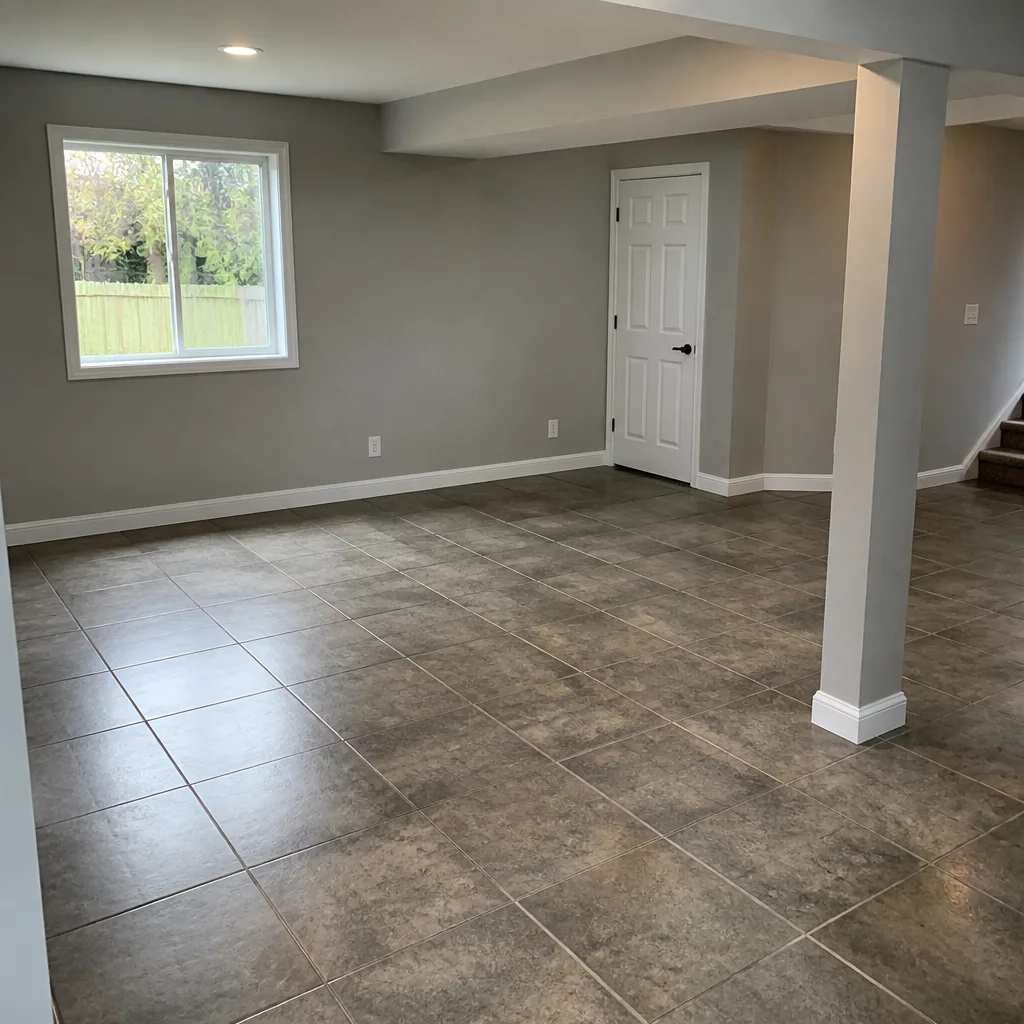
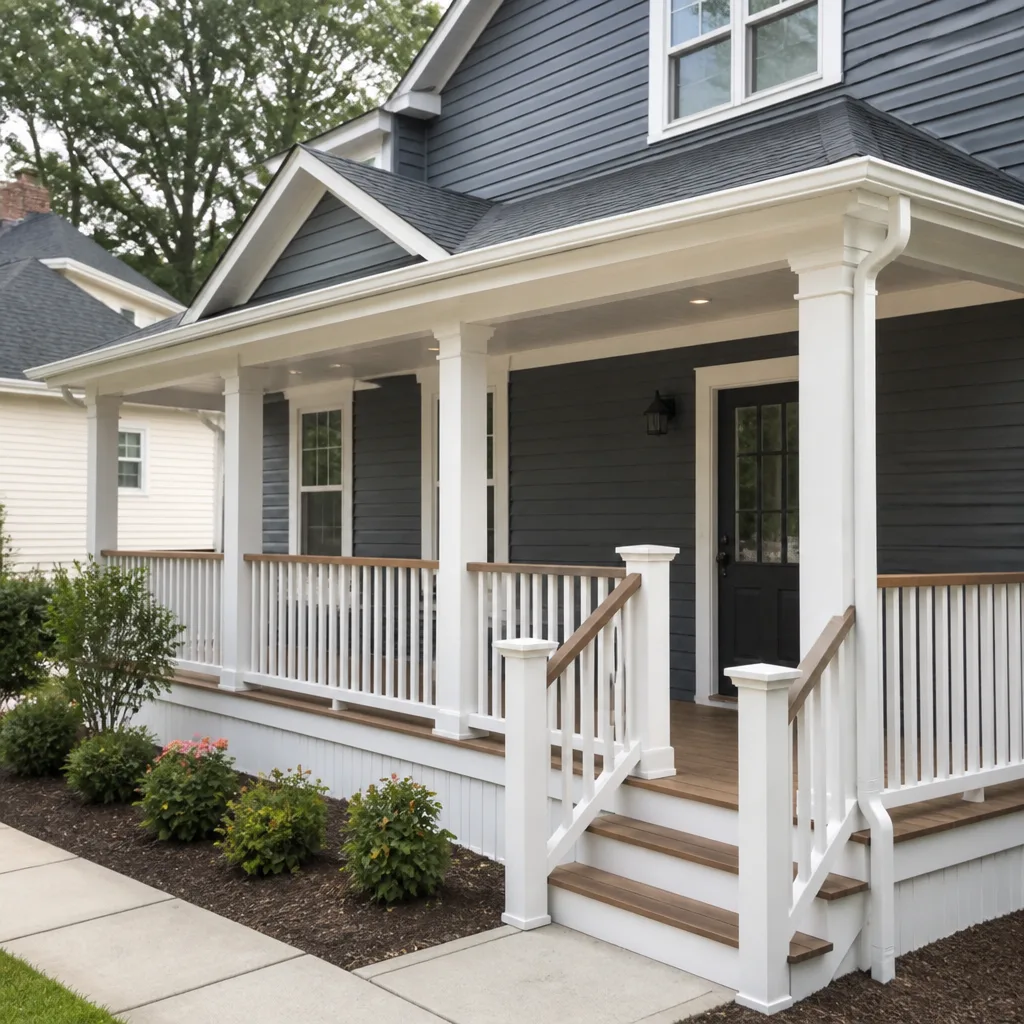
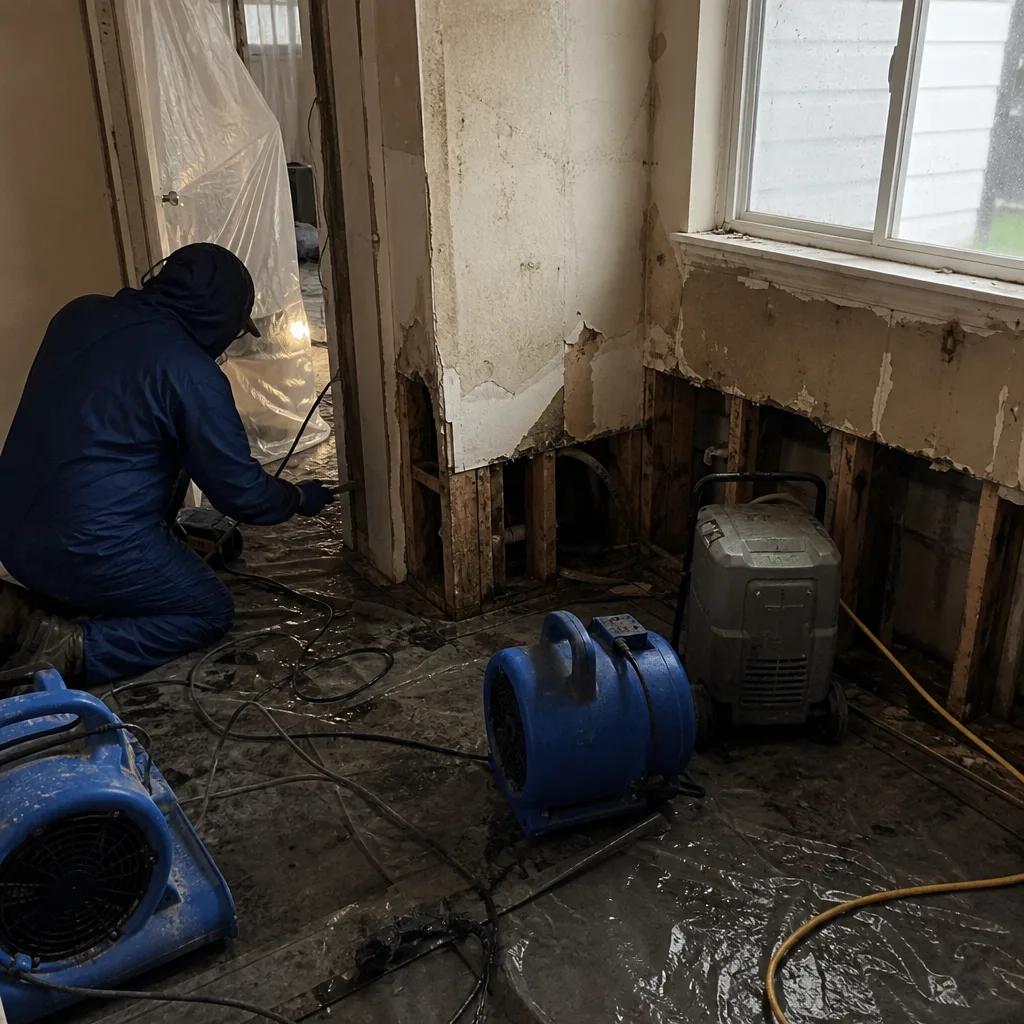 Before
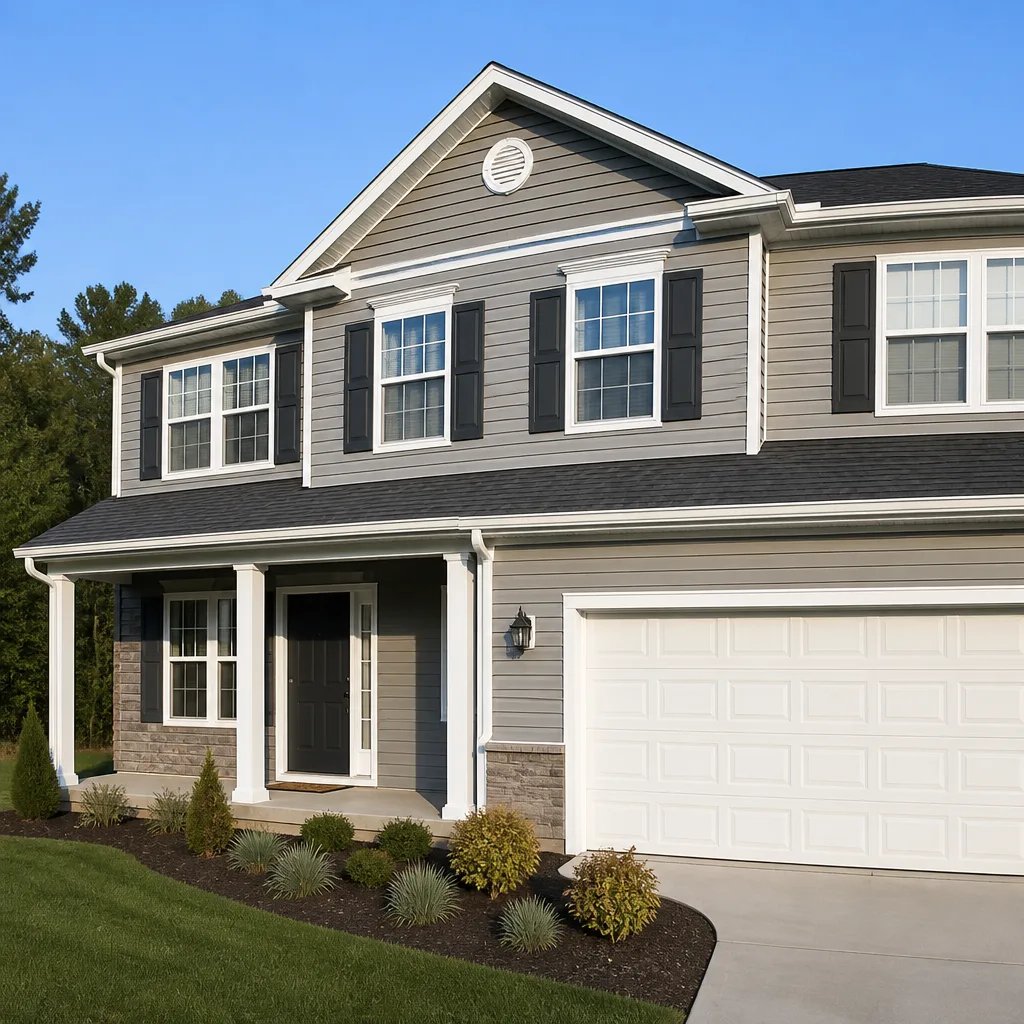
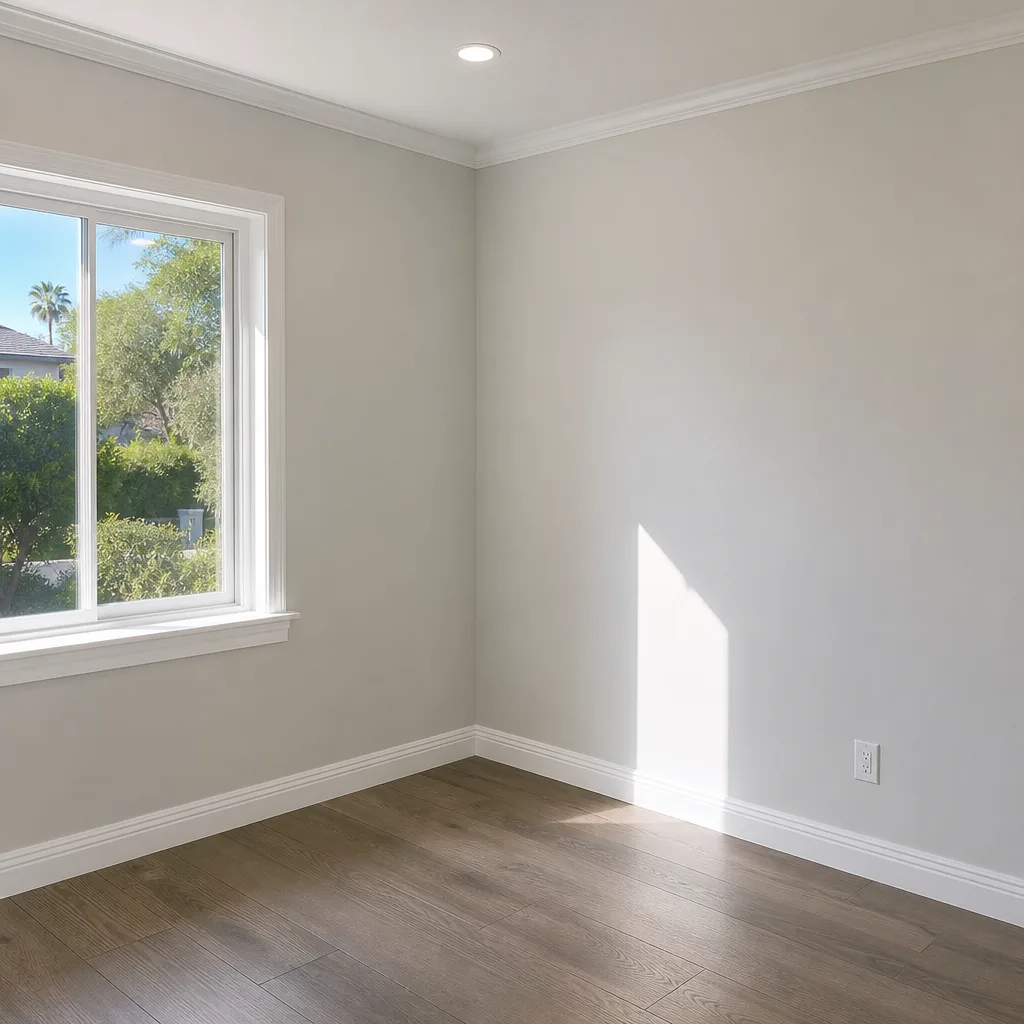 After
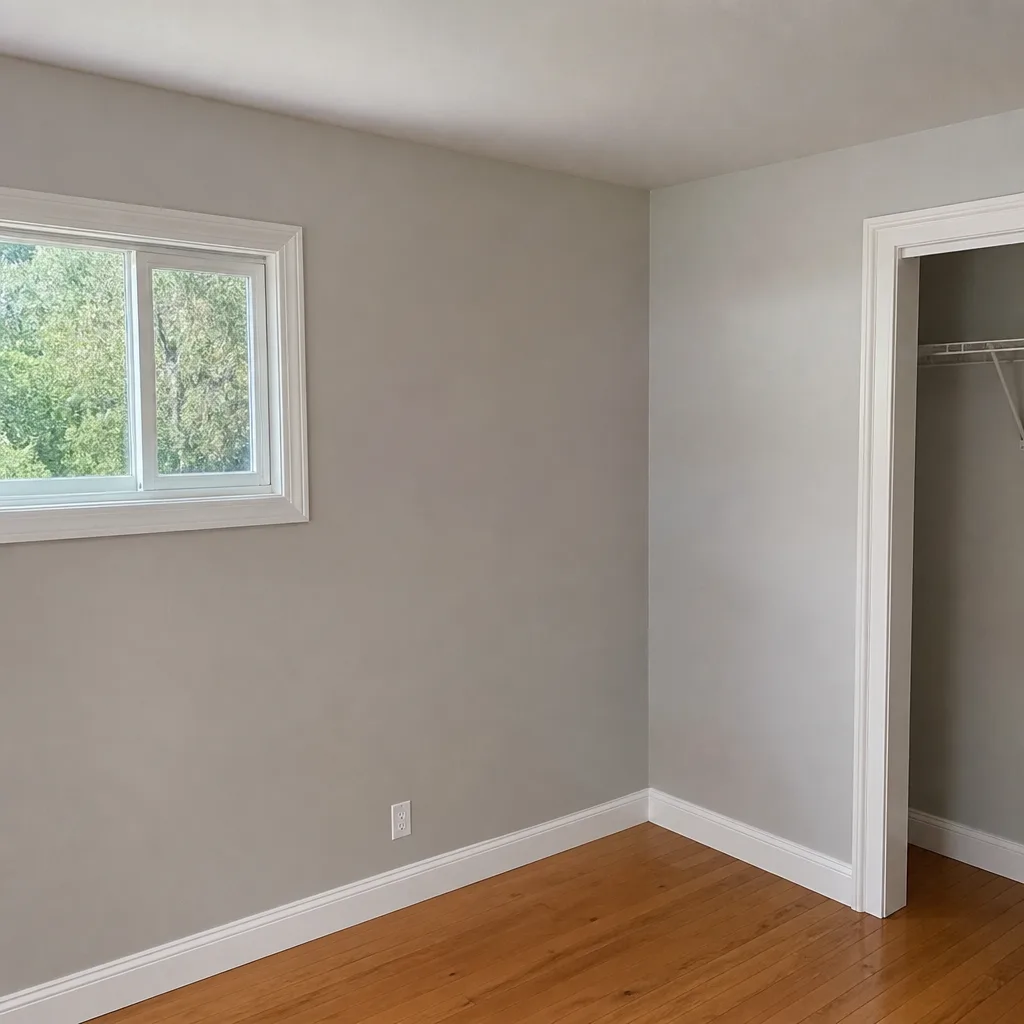
After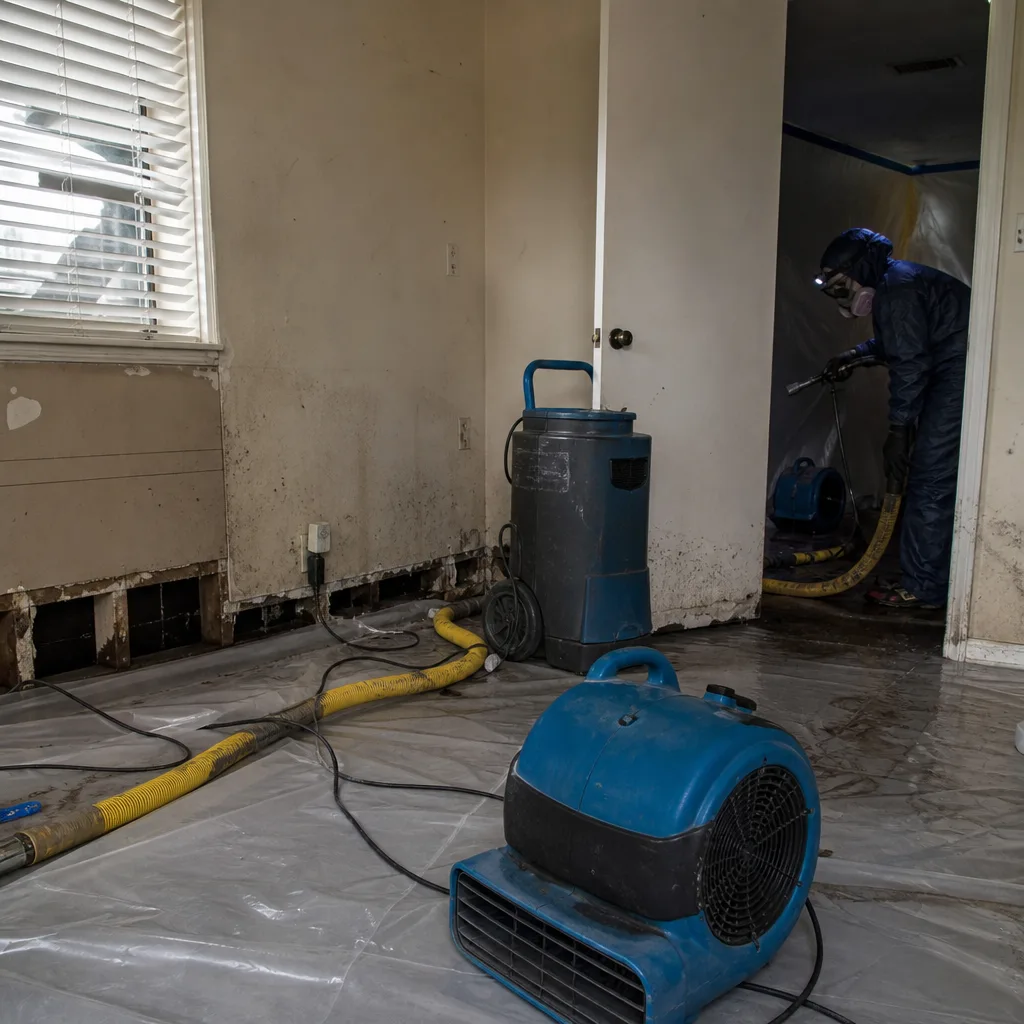 Before
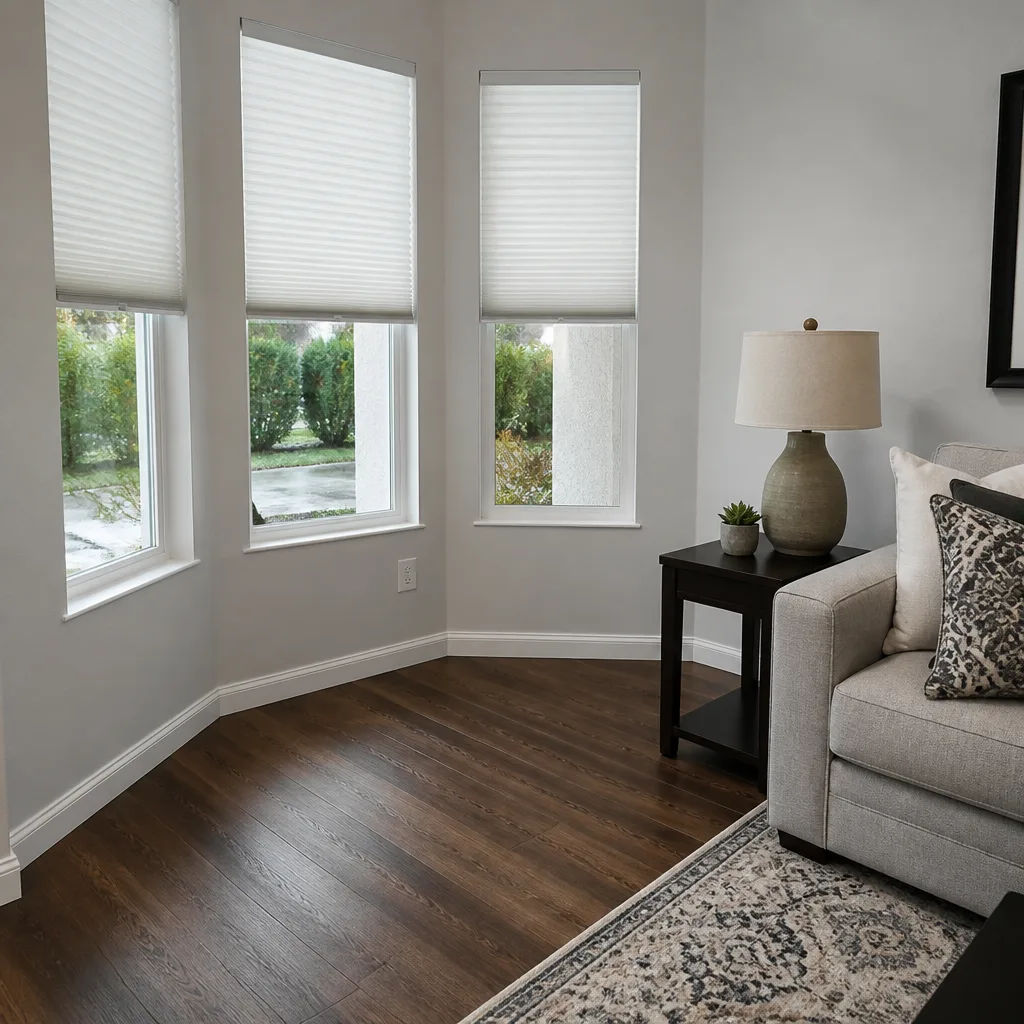 After
After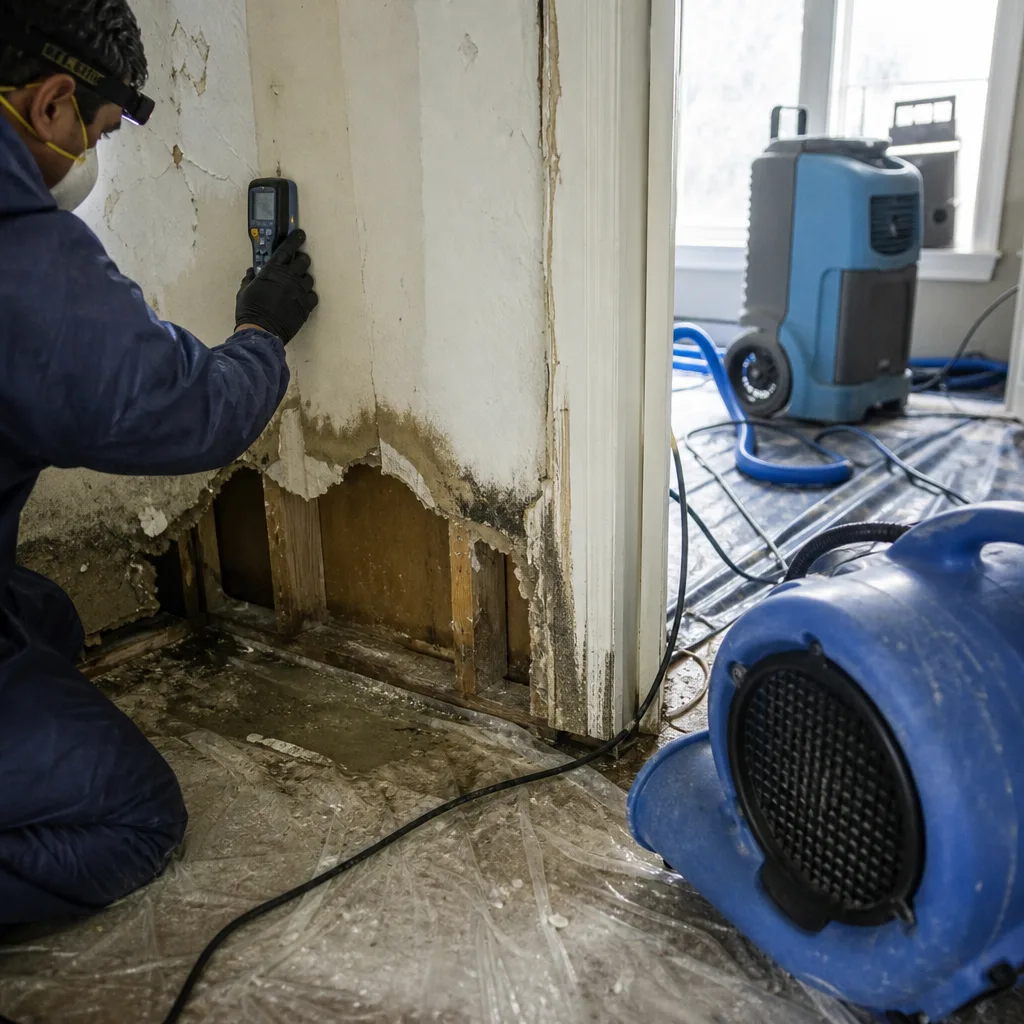 Before
 After
AfterFast, Reliable Water Damage Restoration Across West Hollywood
Water damage restoration in West Hollywood typically costs $2,800-$6,500 for a standard residential extraction and drying job, with emergency response available within 60-90 minutes to most neighborhoods. We’re familiar with the tight street grids around Melrose, the canyon-adjacent buildings below Sunset Plaza Drive, and the dense 1930s-to-1960s apartment stock that dominates this 1.9-square-mile city. Our crews are staged from our Los Angeles office and serve West Hollywood locally, carrying the documentation protocols that this city’s unique regulatory environment demands. Call (424) 351-3396 for a written estimate before any work begins.
Why DryMark Restoration Los Angeles Is West Hollywood’s Preferred Water Damage Restoration Company
We’ve restored water-damaged properties in West Hollywood since 2011, and the pattern is consistent: landlords and property managers here need a restoration company that understands compliance, not just drying. Alicia Brennan built our documentation-first approach around the gap she saw as a claims adjuster - sloppy records that cost homeowners their insurance settlements. In West Hollywood, that gap carries extra weight. The city’s Rent Stabilization Ordinance starts a relocation-assistance clock the moment a building inspector deems a unit uninhabitable, and every permit must clear WeHo’s own building department, not LA City’s.
Our Water Damage Restoration team arrives with moisture meters, thermal imaging, and the protocol to document pre-loss condition unit by unit before extraction begins. We’ve completed over 12,000 restorations since 2011, every one with a written price before work started and a photo record on every visit. West Hollywood property managers call us back because our drying logs have held up in disputed RSO claims - that’s measurable, not sentimental.
Live phone coverage runs 24 hours a day, 7 days a week with no voicemail trees. A real person answers, dispatches a crew, and starts the documentation clock immediately.
Our Water Damage Restoration Services in West Hollywood
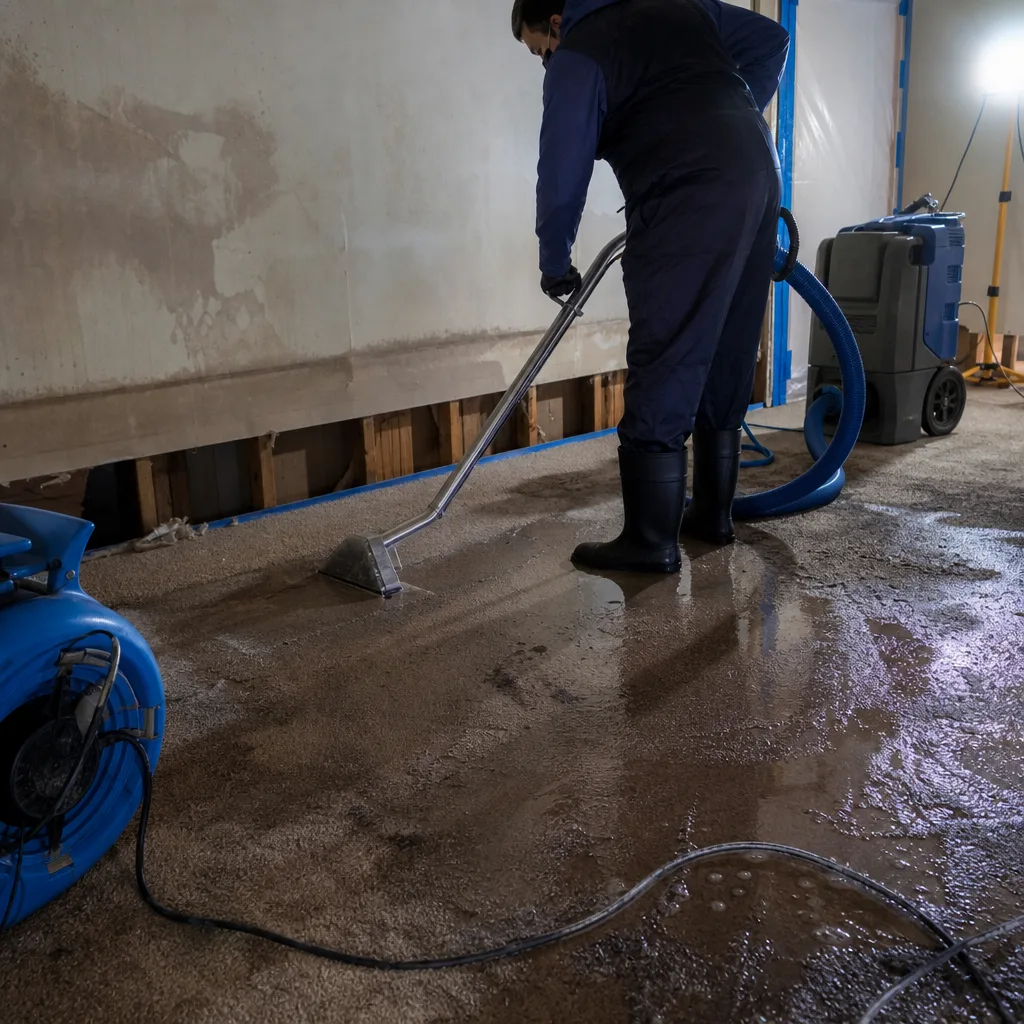
Emergency Water Extraction
Speed matters in West Hollywood, but speed without documentation is liability. Our emergency water extraction crews arrive within 60-90 minutes to most West Hollywood addresses, equipped with truck-mounted extractors and portable units for buildings with limited access or parking constraints common on the side streets off Santa Monica Boulevard. We extract standing water first, then immediately begin moisture mapping of wall cavities and subfloors before any material is removed. In a pre-1970 four-plex with uninsulated shared walls, water travels horizontally faster than it sinks - we find the full boundary before we start tearing out, because the photo record of that boundary protects the landlord when the RSO relocation question comes up.
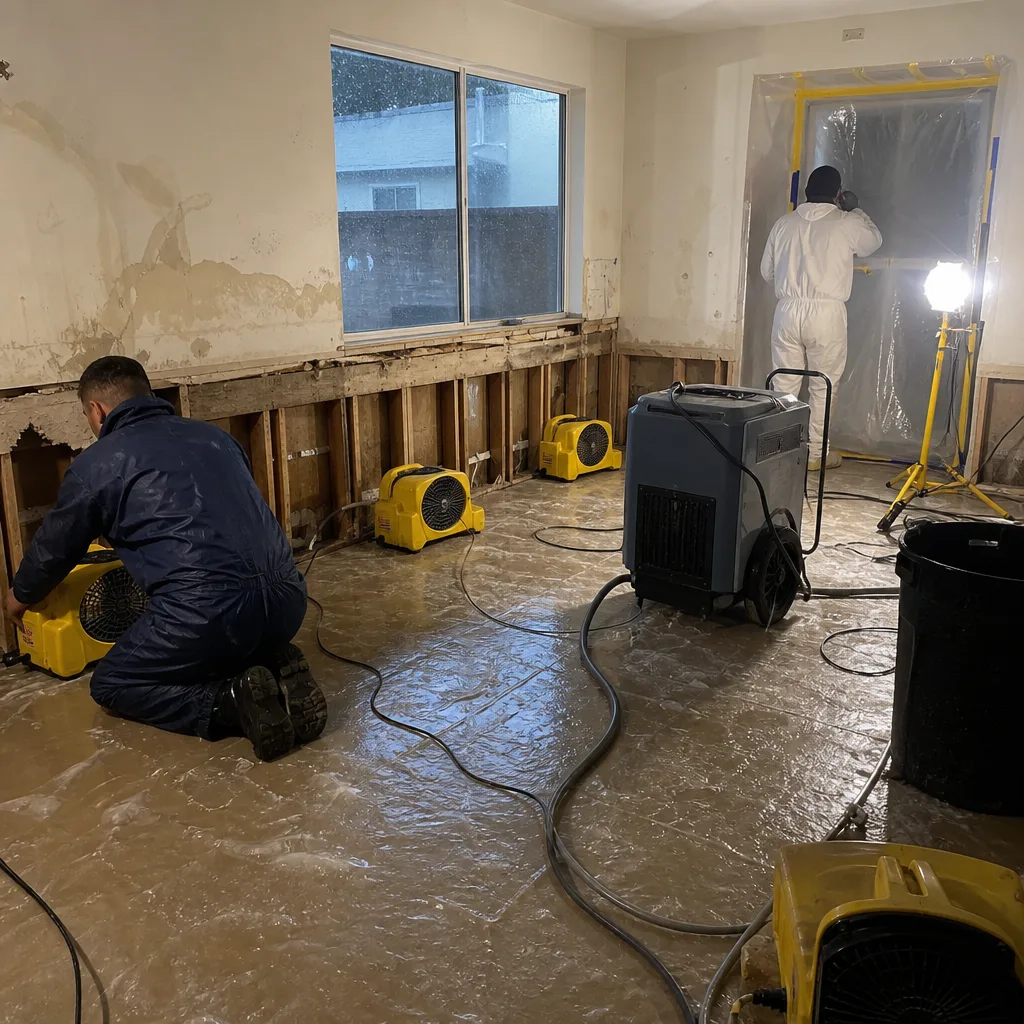
Structural Drying & Dehumidification
West Hollywood’s older wood-frame apartment buildings, many with minimal wall cavity insulation and original plaster or early drywall, require precise psychrometric control - that’s the science of measuring temperature, humidity, and vapor pressure to force moisture out of structural materials without over-drying. We deploy Phoenix and XPOWER dehumidifiers sized to the affected cubic footage, with air movers positioned to create vapor pressure differentials that pull moisture from inside wall cavities into the drying air. Daily moisture logs track every reading by room and material type, documented to IICRC, RIA, and IFA standards. Those logs become the evidence that proves drying completion to West Hollywood’s building inspector, which is the only way to restart the habitation clock and stop RSO relocation obligations.
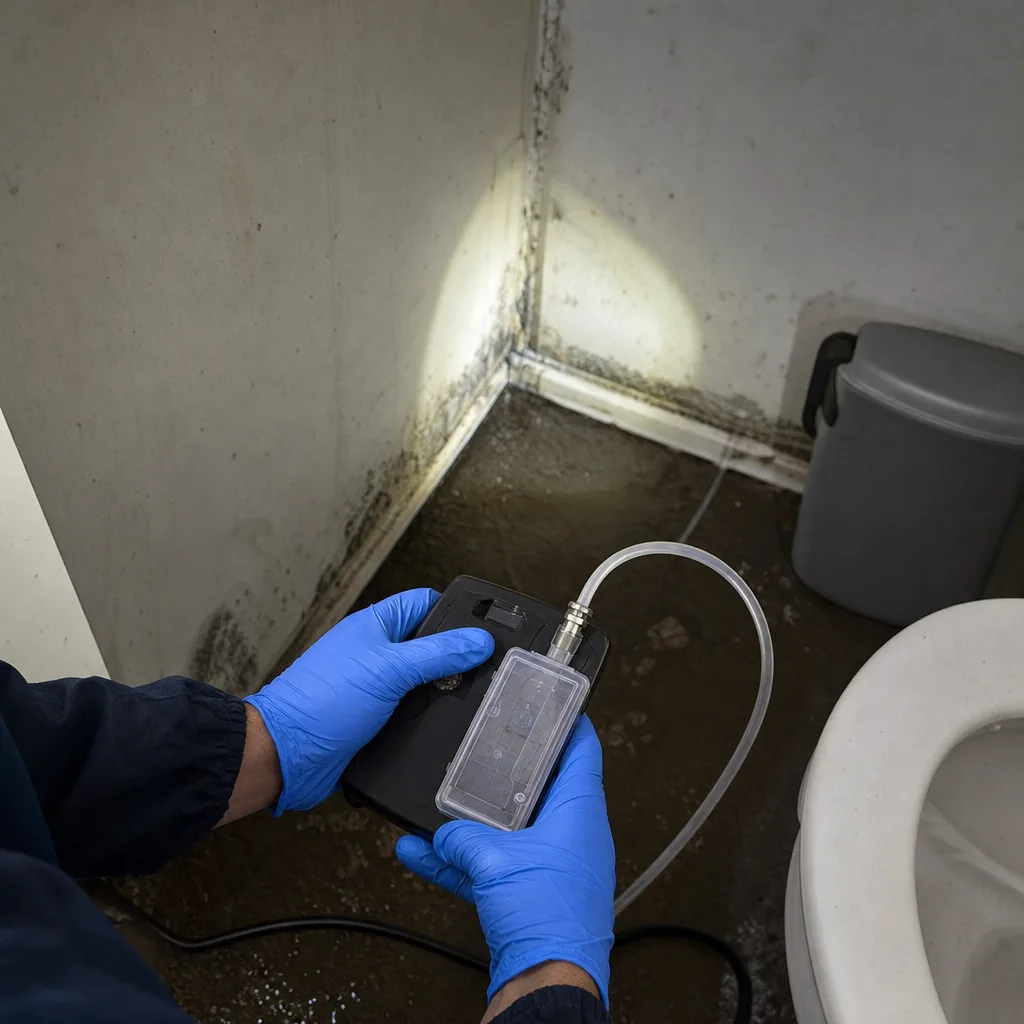
Flood Cleanup
Flood cleanup in West Hollywood means different things depending on source and building type. A failed galvanized supply line in a 1950s courtyard building off Fountain Avenue delivers Category 1 clean water initially, but that classification degrades to Category 2 within 24-48 hours as it picks up contaminants from aging building materials. Our flood cleanup protocol starts with water source identification and classification, then moves through extraction, contamination assessment, and material removal with documented disposal records. For multi-unit buildings, we coordinate with property management to establish unit-by-unit scope boundaries before work begins - Haven Standard, Clause 1: written price before work starts, every time, with no scope-creep additions once the crew is inside.
Burst Pipe Restoration
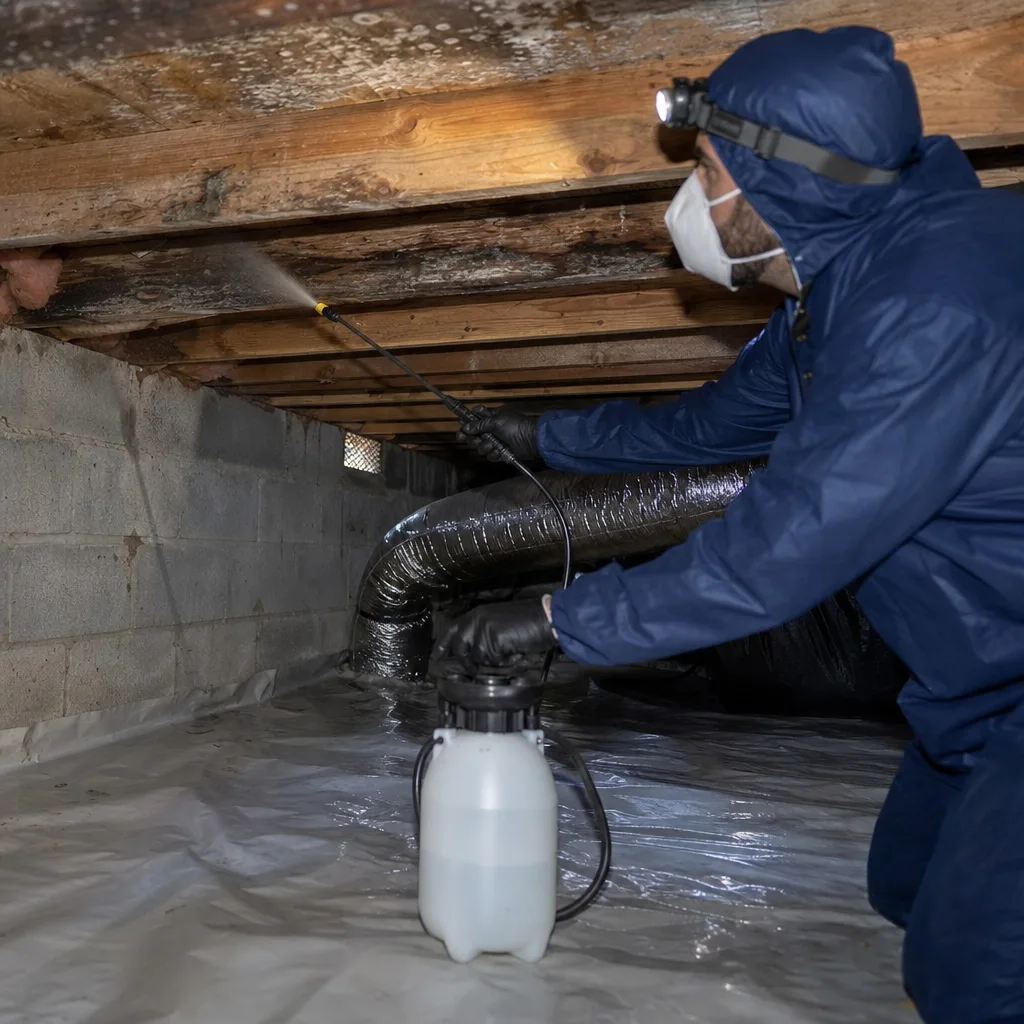
Original galvanized supply lines in West Hollywood’s pre-1970 housing stock are past their functional life. We’ve responded to burst pipe calls on Harper Avenue, on Sweetzer, and in the courtyard buildings along Norton - the pattern is consistent: thin-wall galvanic corrosion finally gives way, often at a coupling or elbow, and water runs until the main is shut. Our burst pipe restoration includes emergency water shutoff assistance, extraction, full moisture mapping of the affected run, and coordination with licensed plumbing contractors for the line replacement. We document the failure point photographically for insurance, map the full water migration path, and deliver a written drying scope before any equipment is plugged in.
Ceiling & Roof Leak Water Damage
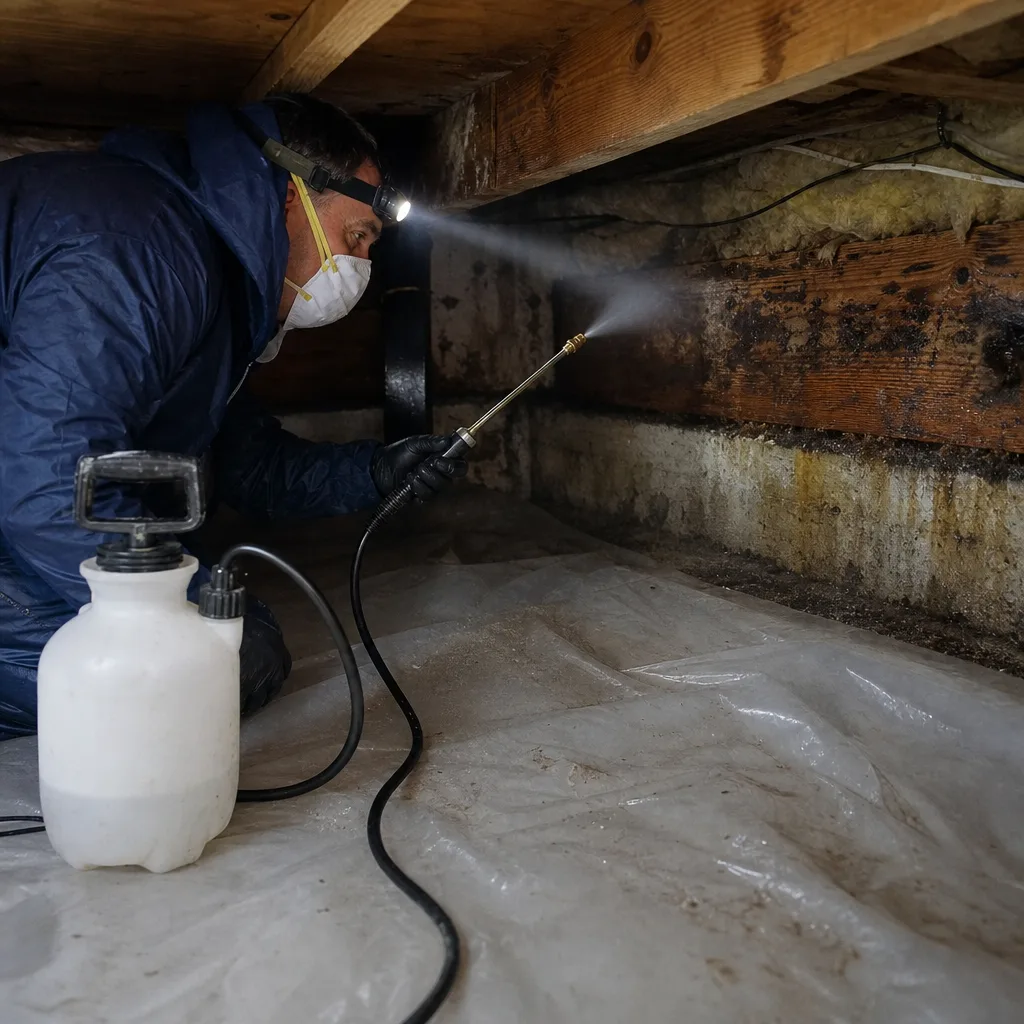
West Hollywood’s flat and low-slope built-up roofs, common on the 2-to-4-story apartment buildings that define this city’s housing stock, fail predictably: clogged overflow scuppers during January atmospheric river events, deteriorated flashing at parapet walls, and ponding water that eventually finds a path through the membrane. We got a call on a 1940s two-story wood-frame four-plex off Sunset Plaza Drive after exactly this scenario - a clogged roof overflow scupper backed up, and water ran down the interior wall cavity into two lower units. Our techs started water extraction while another crew member ran moisture mapping and moisture readings through the shared wall before touching anything, then set containment and air movers with Dri-Eaz dehus staged in the hallway. We photographed every wet boundary and logged pre-loss condition unit by unit, because the landlord needed defensible drying logs before WeHo’s inspector walked the building - that documentation is what protected them from a disputed RSO relocation claim.
What happens when you call
- 1
A real person answersNo phone trees - you reach a local pro.
- 2
You get an upfront price rangeHonest numbers before anyone is dispatched.
- 3
A background-checked tech heads outLicensed & insured, dispatched right away.
- 4
You approve before work beginsNothing starts until you say go.
 Before
 After
AfterCommon Water Damage Restoration Problems We See in West Hollywood Homes
- Clogged flat-roof scuppers flooding multiple units simultaneously. West Hollywood’s pre-1970 apartment buildings often have single overflow scuppers with no secondary drainage. One clog during a heavy rain event puts water into shared wall cavities that serve several units. We treat these as multi-unit losses from arrival, with moisture mapping across party walls and documentation by unit - because the RSO relocation clock applies to every uninhabitable unit, not just the one where water first appeared.
- Galvanized supply line failures in original plumbing systems. The 1930s-to-1960s construction era that dominates West Hollywood means many buildings still have galvanized steel supply lines with 60-80 years of internal corrosion. These don’t leak gradually - they blow at a weak point, often at night or during pressure fluctuations, and the volume of water released in the first hour can saturate multiple floors.
- Moisture trapped in uninsulated wall cavities accelerating hidden mold growth. Minimal or absent insulation in the original construction means wall cavities act as condensation chambers once water intrudes. Without thermal imaging and moisture mapping, a crew might dry visible surfaces while leaving 18% moisture content in the stud bay - mold threshold is typically 16% on wood framing, so we’re documenting readings below that before we call drying complete.
- Permit delays from using LA City workflows instead of WeHo’s independent building department. West Hollywood is its own city with its own inspectors. Contractors unfamiliar with this jurisdiction routinely file permit requests through LA City systems, then wait weeks for a correction notice. We file directly with West Hollywood’s building department on day one, because the habitation sign-off that stops the RSO clock only comes from a WeHo inspector.
Pricing for Water Damage Restoration in West Hollywood, CA
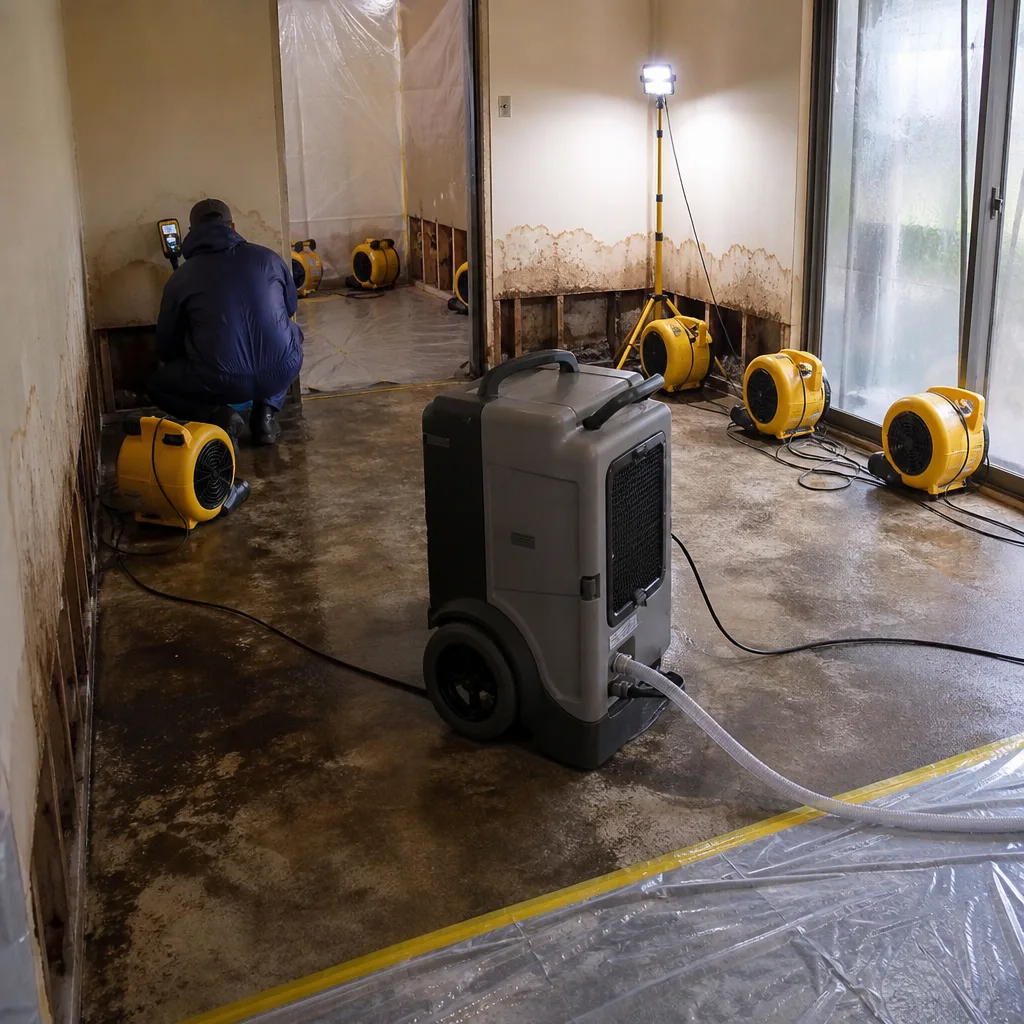
Water damage restoration pricing in West Hollywood reflects the density, access constraints, and multi-unit complexity common to this market. A typical emergency water extraction and structural drying job for a single apartment unit runs $2,800-$4,200. Multi-unit losses with shared wall cavity drying and extended documentation requirements range $5,500-$8,500. Category 3 sewage contamination or extensive material removal pushes jobs to $7,000-$12,000 or more, depending on affected square footage and floor level.
What affects your specific cost: the water classification (Category 1 clean water vs. Category 2 or 3), the number of affected rooms, whether water traveled into shared walls or subflooring, and the documentation intensity required for RSO compliance. Every job receives a written price before work begins - Haven Standard, Clause 1 - with no additions once the crew is inside. We also offer a Free Second Opinion on any competitor’s written estimate; bring their quote and we’ll review it at no charge.
Call (424) 351-3396 for a written estimate - estimates are free, and the price we give is the price you pay.
We Also Serve Cities Near West Hollywood
Our crews respond throughout the metro core from our Los Angeles office, with regular service to West Hollywood and neighboring Beverly Hills, Studio City, North Hollywood, and Sherman Oaks. Each city has its own building department workflows and housing stock characteristics; we adjust our documentation and drying protocols accordingly rather than applying a single template.
Serving West Hollywood, CA - Our Local Coverage Area
We’re based in the West Hollywood area and know this community well. Use the map below to see our service coverage - if you’re nearby, we can almost certainly help.
FAQs - Water Damage Restoration in West Hollywood
Yes - the RSO starts a legally binding relocation-assistance clock the moment a WeHo building inspector deems a unit uninhabitable, so extraction speed and photographic documentation are compliance functions, not just drying functions. We begin moisture mapping and pre-loss photography on arrival, before any material is removed, because that record is the landlord’s primary defense against disputed relocation claims. Our daily drying logs are formatted for direct submission to West Hollywood’s building department to support habitation sign-off as quickly as possible. Call (424) 351-3396 for a written estimate - we can be on site within the hour for active water losses.
Galvanized lines in West Hollywood’s 1930s-to-1960s housing stock typically fail catastrophically at a corroded coupling or elbow, releasing full pressure water until the main is shut. The water volume in the first 30-60 minutes often saturates multiple floors and units, especially in buildings with shared wall cavities and minimal insulation. Our response includes emergency shutoff assistance, immediate extraction, full moisture mapping of the water migration path, and coordination with licensed plumbers for line replacement - all documented photographically for insurance and RSO compliance. Call (424) 351-3396; we carry the extraction capacity to handle multi-unit galvanized failures.
Roof runoff entering through a clogged scupper starts as Category 1 clean water, but classification degrades based on what it contacts and how long it remains. In West Hollywood’s older buildings, that water typically runs through roofing membrane adhesive, decades-old building materials, and possibly bird or rodent contamination before entering living spaces - often pushing to Category 2 within hours, especially if the scupper was already partially clogged with organic debris. We test and classify on site, document the determination, and adjust our protocol accordingly. The multi-unit documentation requirement applies regardless of category. Call (424) 351-3396 for immediate response and classification.
West Hollywood is an independent city with its own building department - we file all permits directly with WeHo’s inspectors, never through LA City. Using LA City workflows for a West Hollywood property is a common contractor error that stalls inspection sign-off for weeks, keeping the RSO relocation clock running and delaying habitation restoration. Our project managers know WeHo’s permit requirements and inspection scheduling firsthand. Call (424) 351-3396 and we’ll confirm the correct permit path for your specific building and scope.
Mold colonization on wood framing typically begins at 24-48 hours when moisture content exceeds 16%, and West Hollywood’s uninsulated wall cavities in pre-1970 buildings often hold moisture above that threshold even when surface materials feel dry. The combination of minimal insulation, original plaster or early drywall, and shared wall cavities means hidden moisture persists longer than in newer construction. We don’t guess - we measure moisture content at depth with pin-type meters and thermal imaging, then run dehumidification until readings are documented below 14% throughout the assembly. Call (424) 351-3396 for moisture mapping that finds what surface checks miss.
Written by Alicia Brennan, Owner at DryMark Restoration Los Angeles, serving West Hollywood since 2011.
Water Damage Restoration in Nearby Areas