
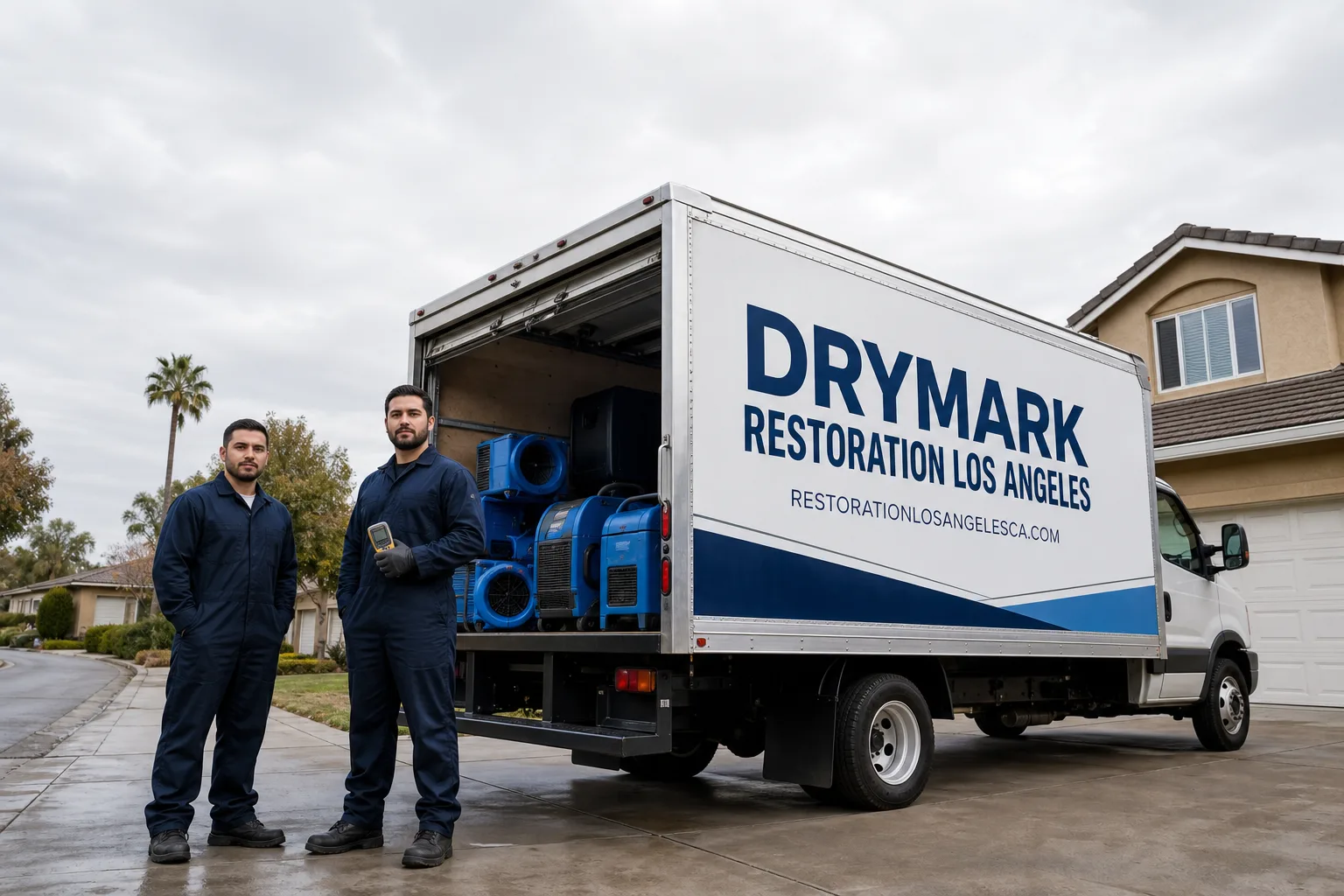
Free visual inspection and a written scope of work before any mitigation begins - photos, moisture readings, and drying logs go in your claim file
The scope we write is the scope we bill. Anything new gets shown to you, in writing, before we touch it.
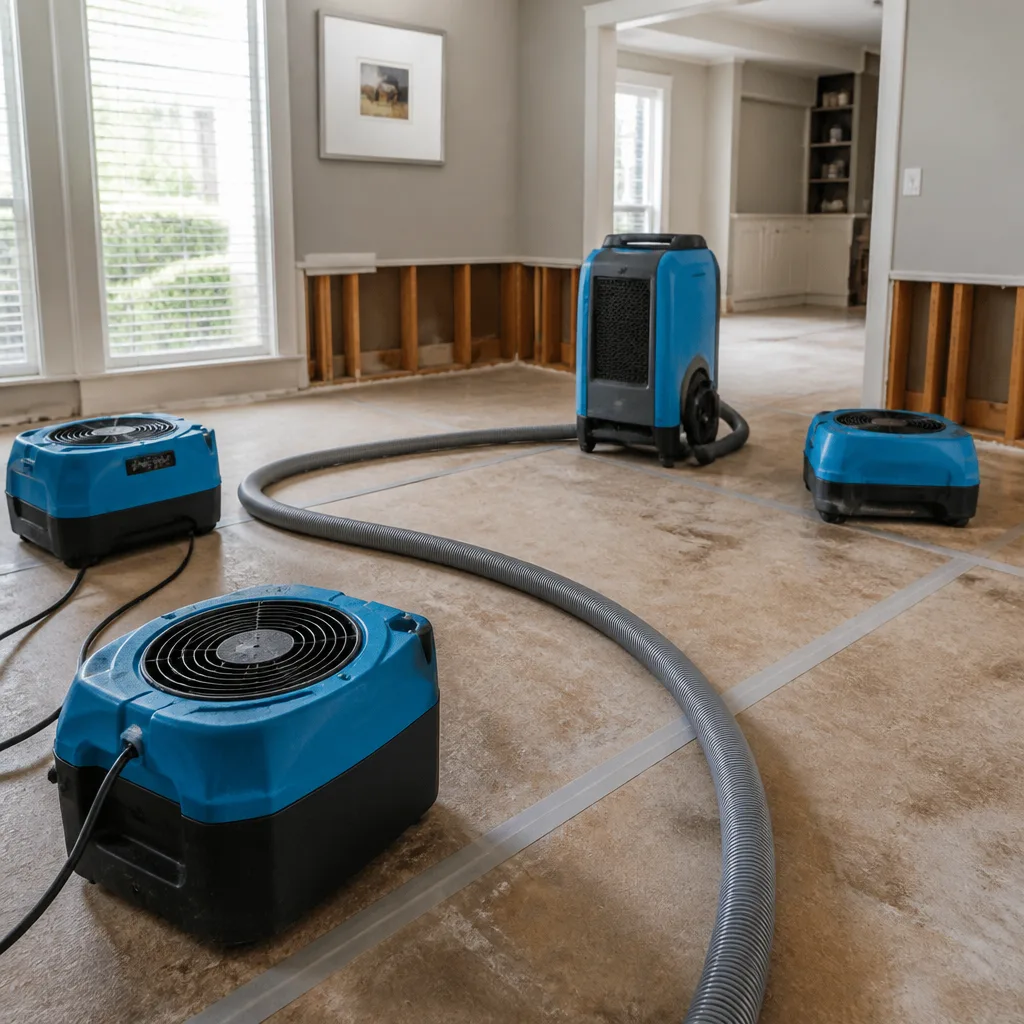
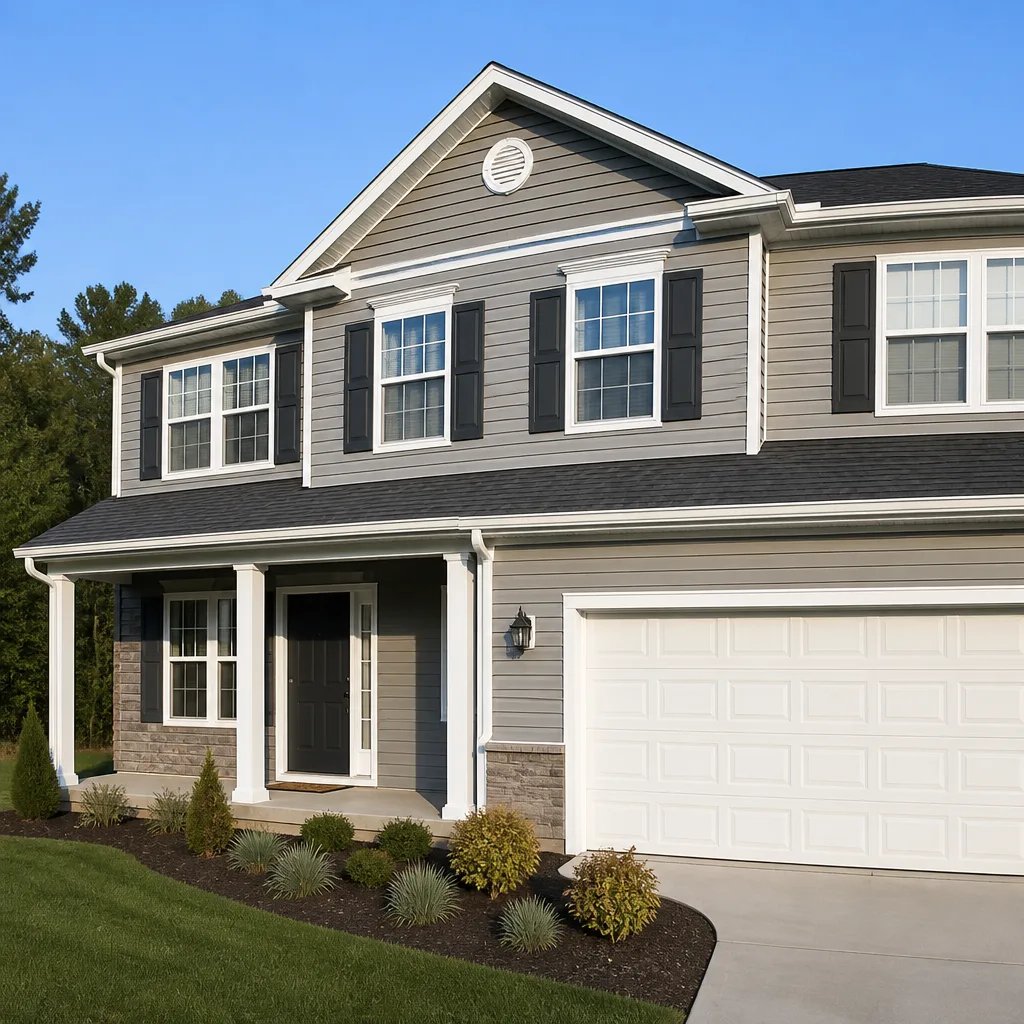
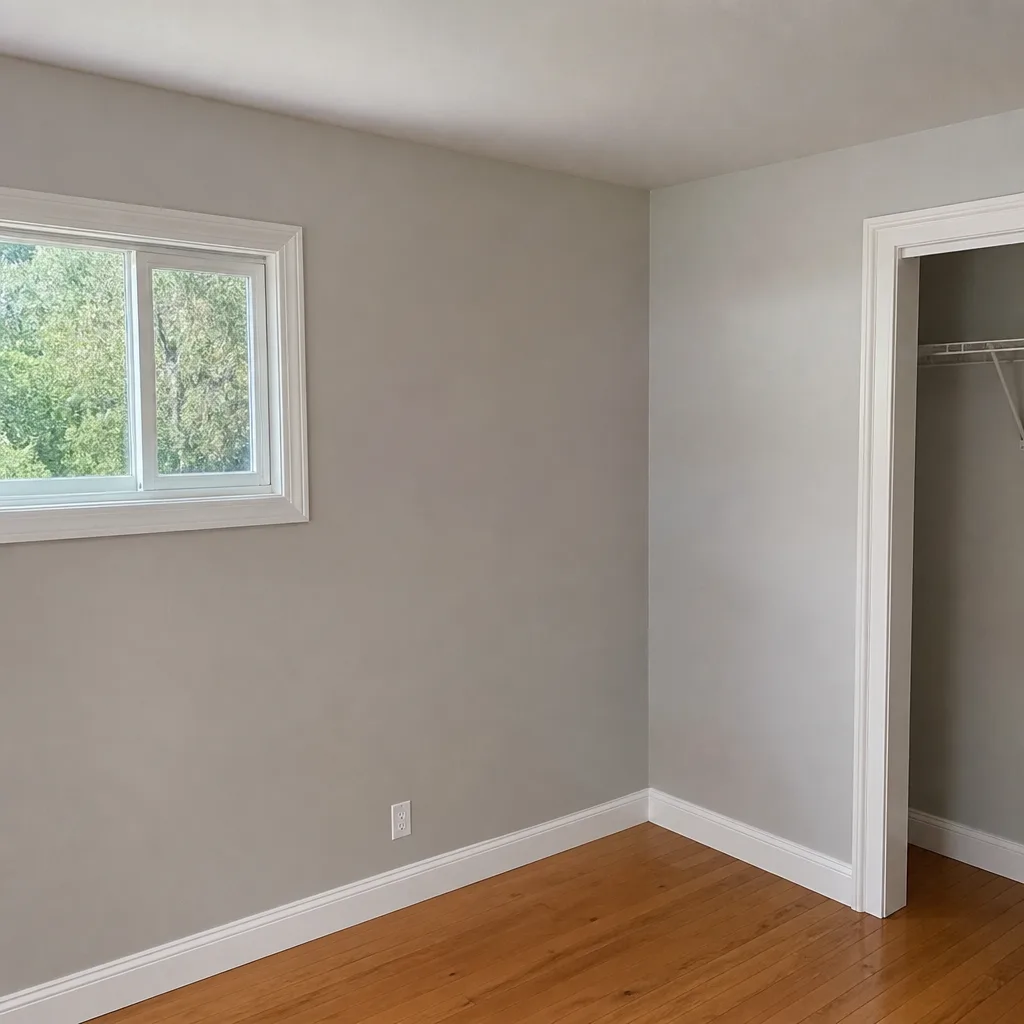

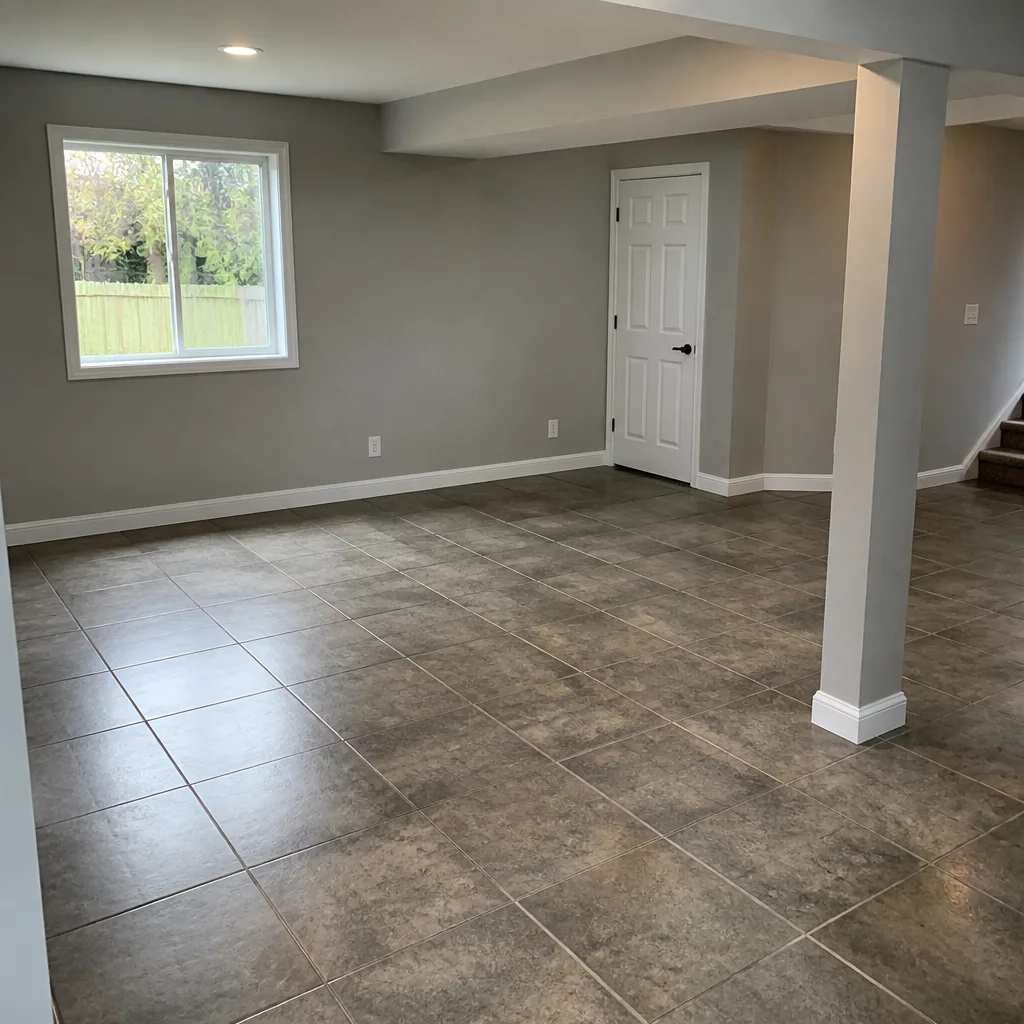
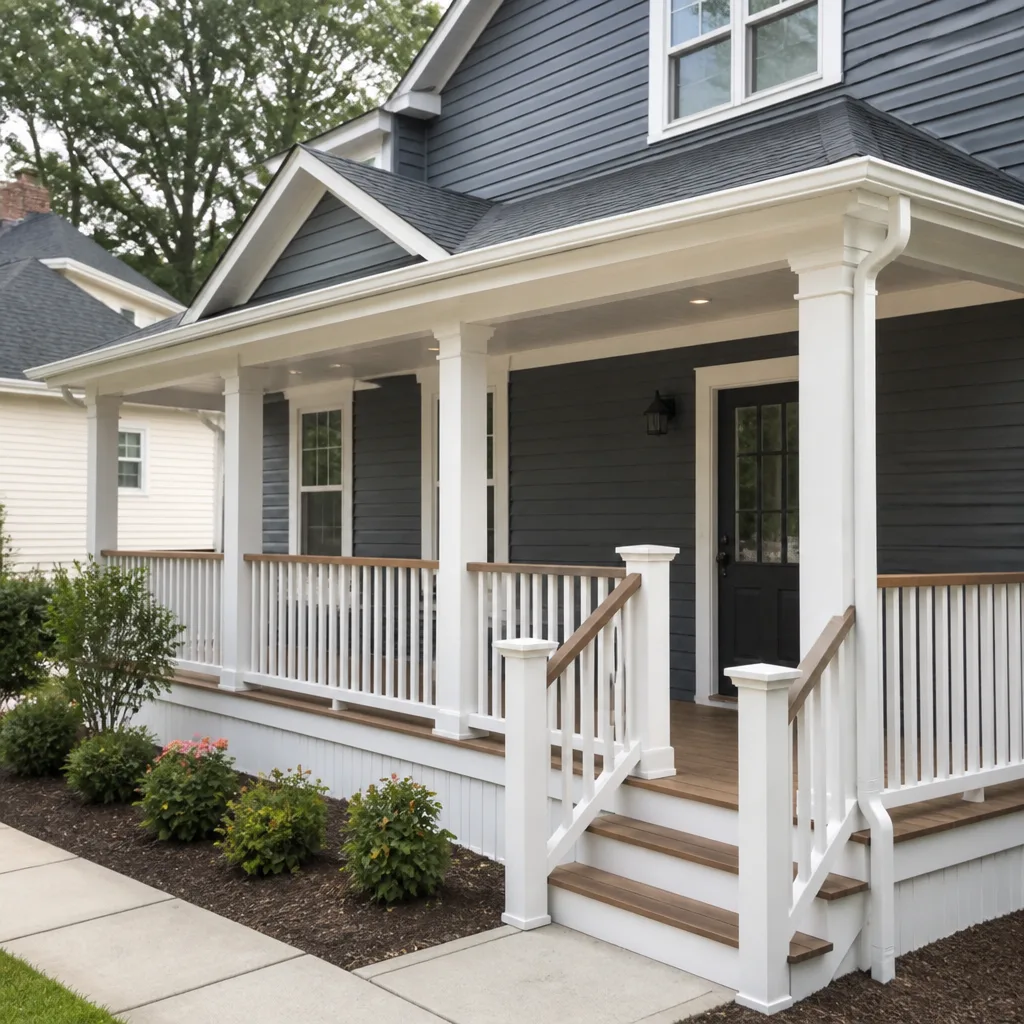
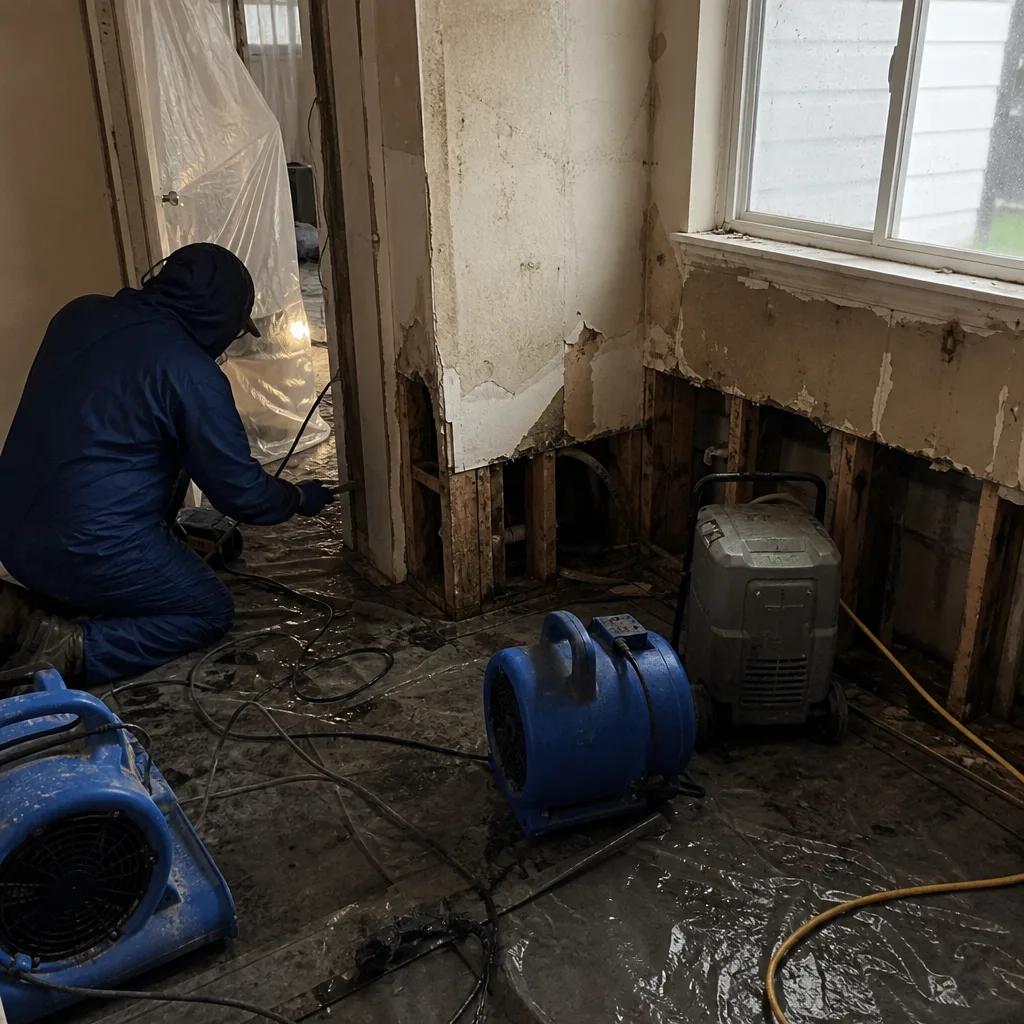 Before
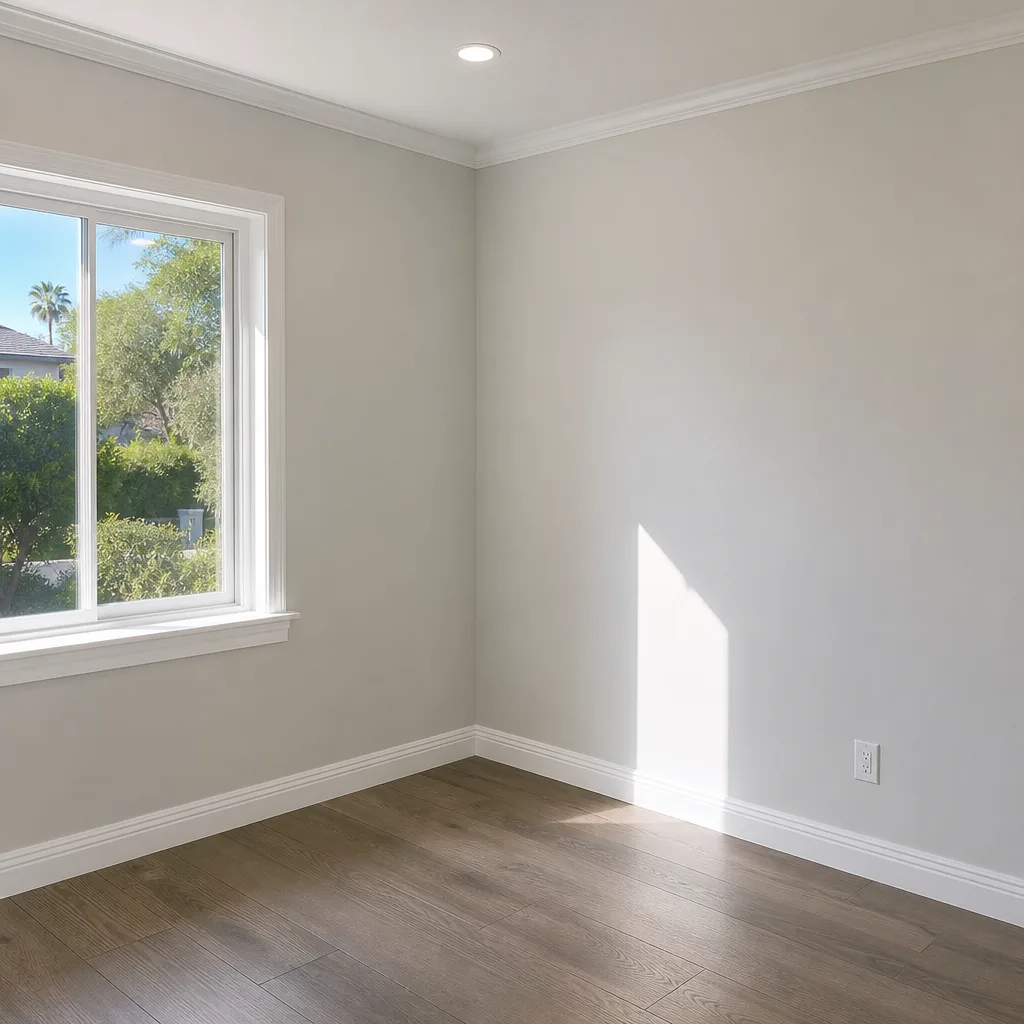 After
After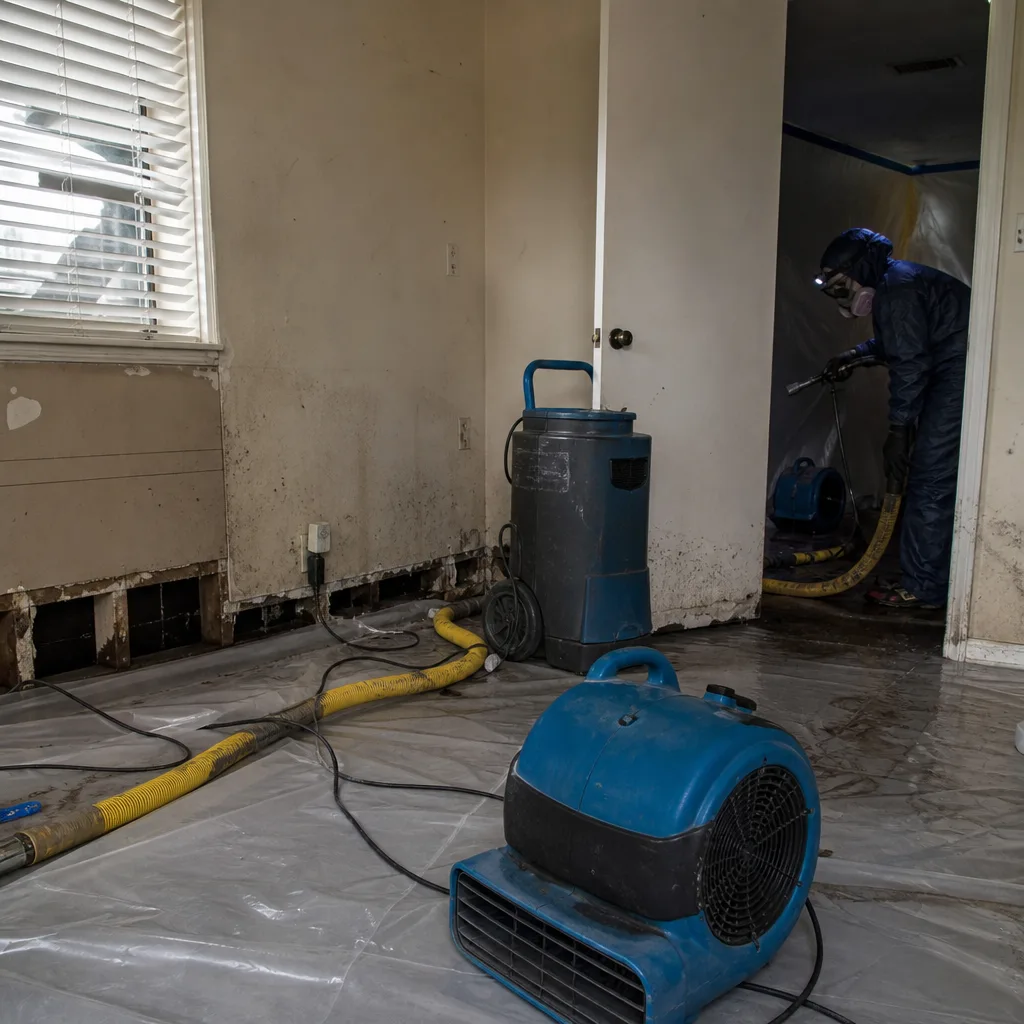 Before
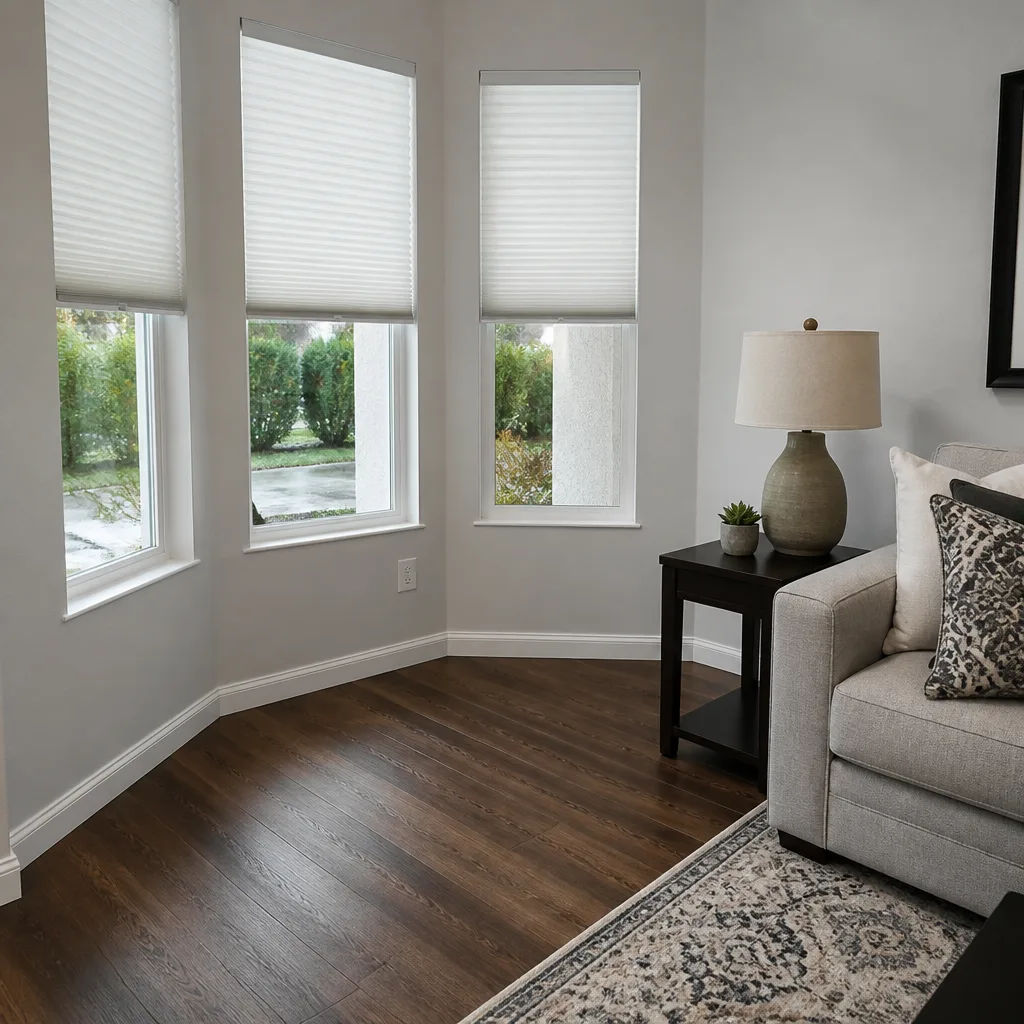 After
After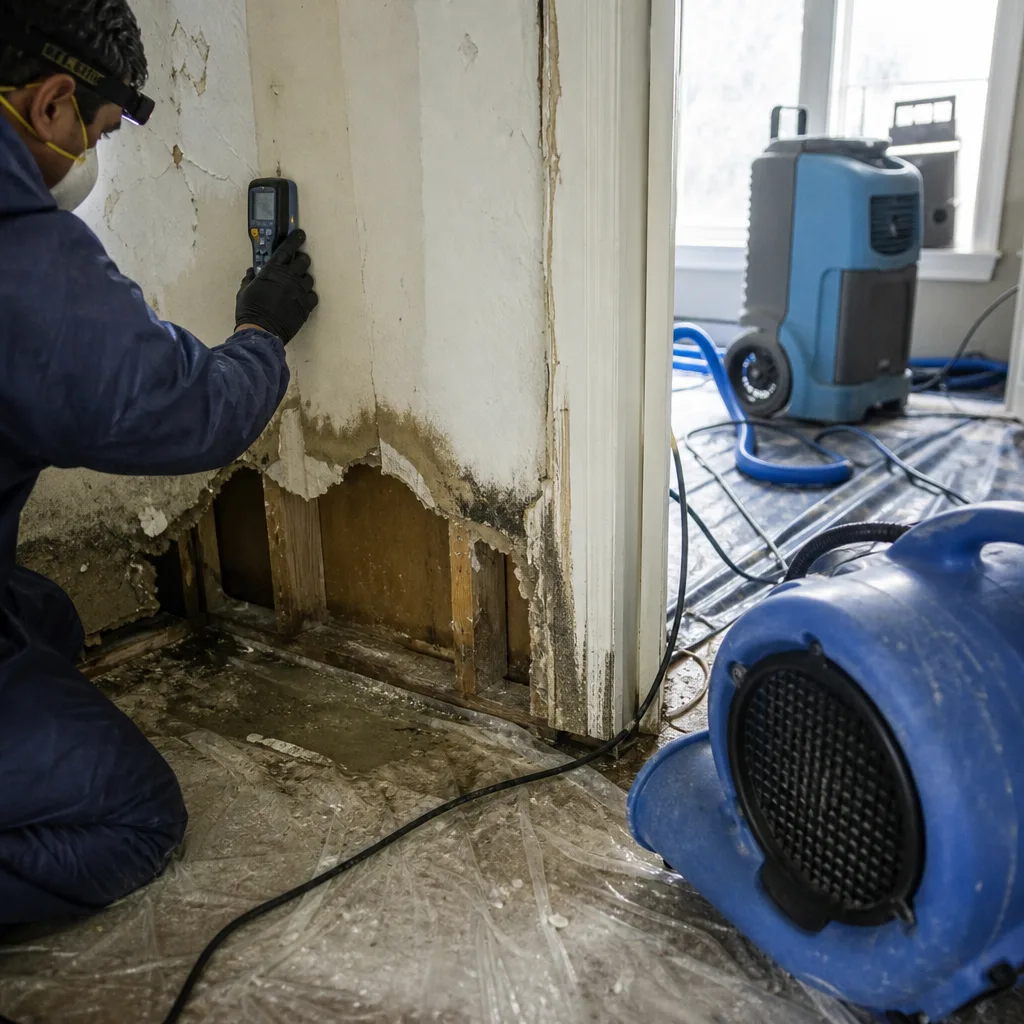 Before
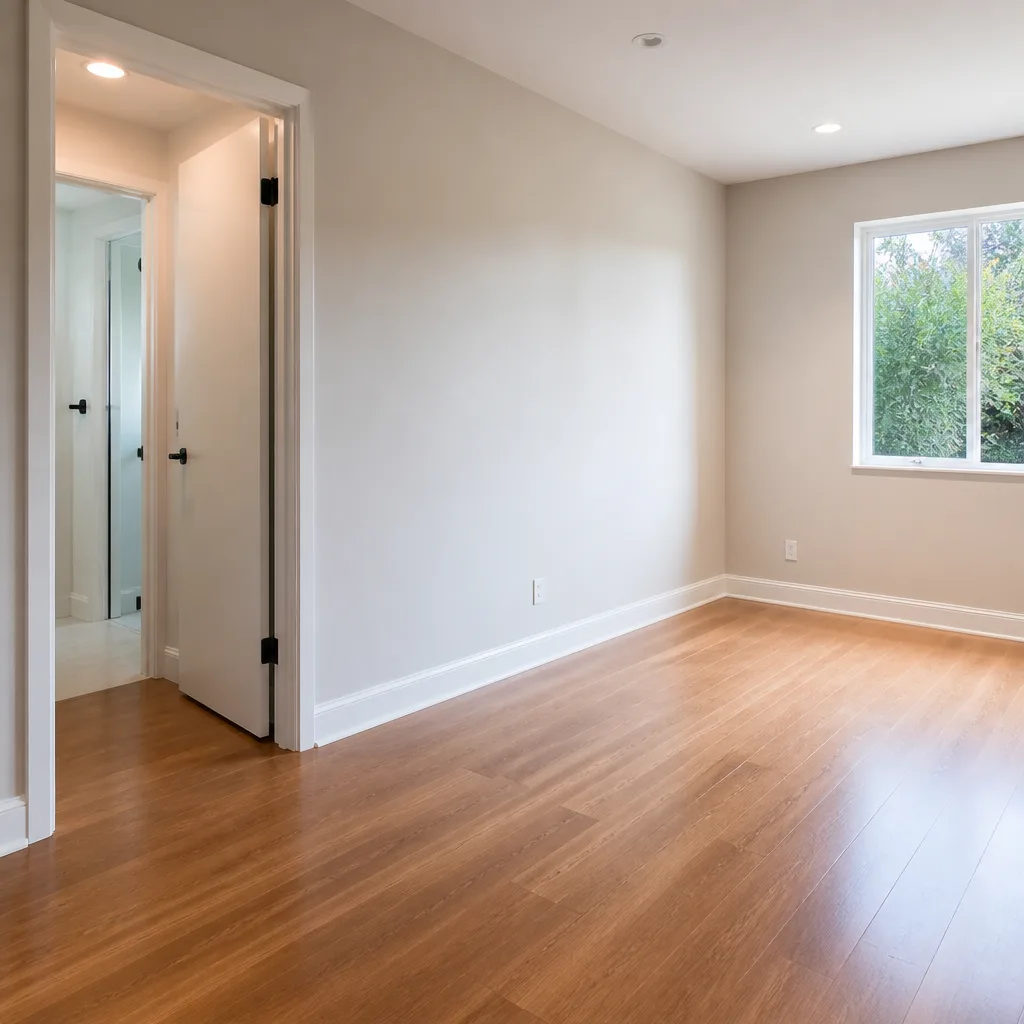 After
AfterFast, Reliable Water Damage Restoration Across Studio City
Water damage restoration in Studio City typically costs $2,800-$7,500 for a standard residential mitigation, with emergency extraction running $180-$340 per hour and structural drying equipment at $45-$85 per day per unit. Most Studio City homeowners see our crews within 60-90 minutes of calling (424) 351-3396, dispatched from our Los Angeles office with equipment staged for Valley floor and hillside access alike.
We know Studio City’s housing stock intimately: the 1930s Spanish Colonial bungalows near Ventura Boulevard with their original clay-tile roofs and plaster lath, the 1950s ranch homes with single-story slab foundations, and the post-and-pier hillside residences above Fryman Canyon where a six-foot walkway is the only path to the front door. Our Water Damage Restoration team carries rolling-code remotes, narrow-profile extractors, and documentation protocols built for both. The San Fernando Valley heat-sink effect compresses mold colonization windows to 24-36 hours in summer; we don’t have time to figure out your access on arrival.
Why DryMark Restoration Los Angeles Is Studio City’s Preferred Water Damage Restoration Company
Studio City homeowners have left us detailed reviews citing the same specific deliverable: a written scope before work started, with moisture readings attached. That pattern exists because Haven Standard, Clause 1 requires it on every job, and because Alicia Brennan founded this company in 2011 after watching claims adjusters deny homeowner payouts for undocumented restoration work. We’ve restored 12,000+ homes since then, every one with a photo record on every visit and a 365-Day Done Right Promise stamped on the final invoice.
Our response time to Studio City averages under 90 minutes because crews are staged for Valley deployment, not routed from a distant hub. We know which hillside streets south of Ventura Boulevard require alley-load staging, which townhome complexes have HOA-mandated security disarm protocols, and where the 1994 Northridge earthquake repairs left non-original framing that changes how we scope moisture damage. That local knowledge prevents the delays that push a manageable Category 1 intrusion into a Category 2 or 3 remediation.
Every technician is background-checked, licensed, insured, and uniformed, with license numbers provided on request. A live person answers every call, 24 hours a day, 7 days a week. No voicemail trees while water is still moving through your walls.
Our Water Damage Restoration Services in Studio City
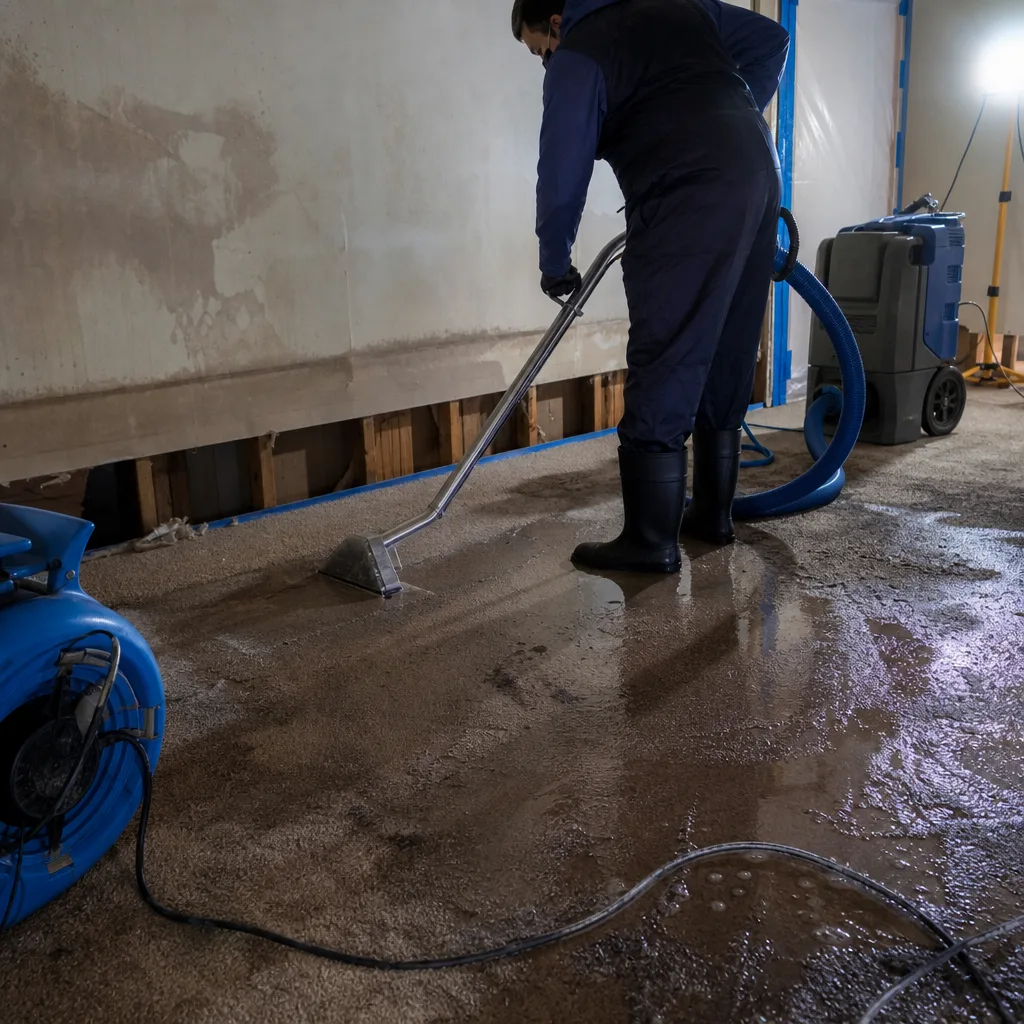
Emergency Water Extraction
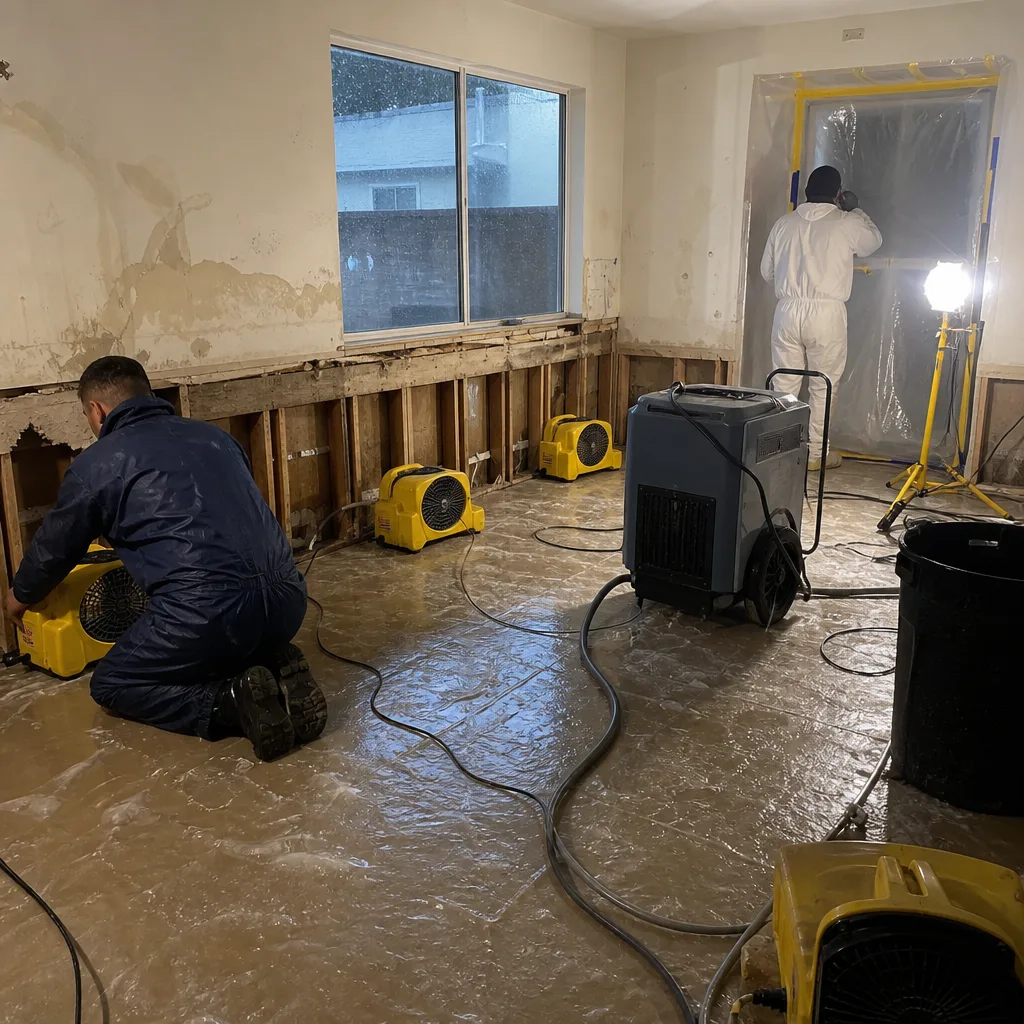
We deploy truck-mounted extraction units and portable flood pumper systems from Dri-Eaz and Phoenix for Studio City’s mixed housing stock. On the Valley floor, that means standard hose runs through front doors and garage access points. In hillside neighborhoods off Fryman Road or Laurel Canyon, it often means coordinating with HOA security, disarming rolling-code perimeter systems, and running extraction lines down alley-load garage doors with six inches of clearance on either side. We were called to a hillside home off Fryman Road where a townhome-style entry door opens directly onto a six-foot-wide walkway - no side yard, no hose bib access - so all extraction gear had to be run down the alley-side garage door instead. The homeowner’s rolling-code opener had a dead battery, and with the perimeter alarm armed we had to coordinate a rolling-code remote and disarm sequence before we could even stage our air movers and dehumidification equipment.
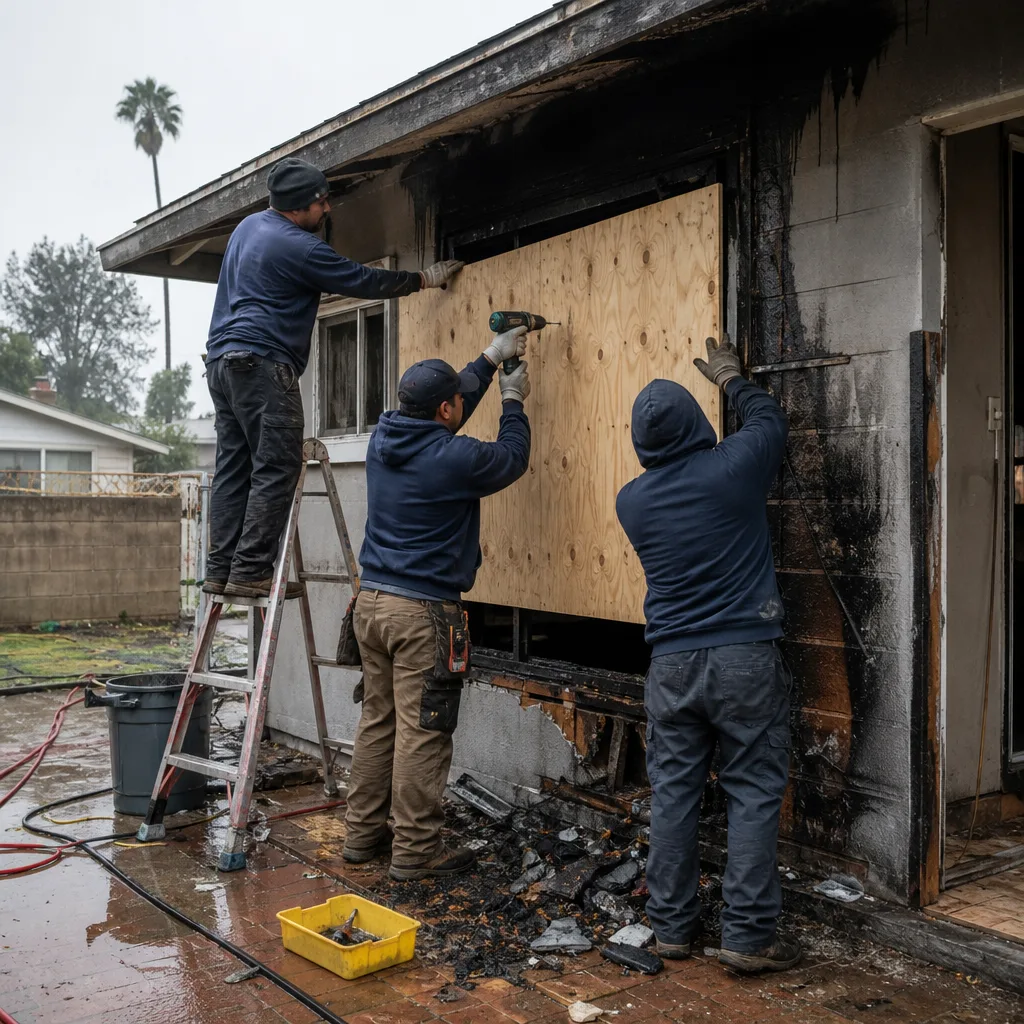
Structural Drying & Dehumidification
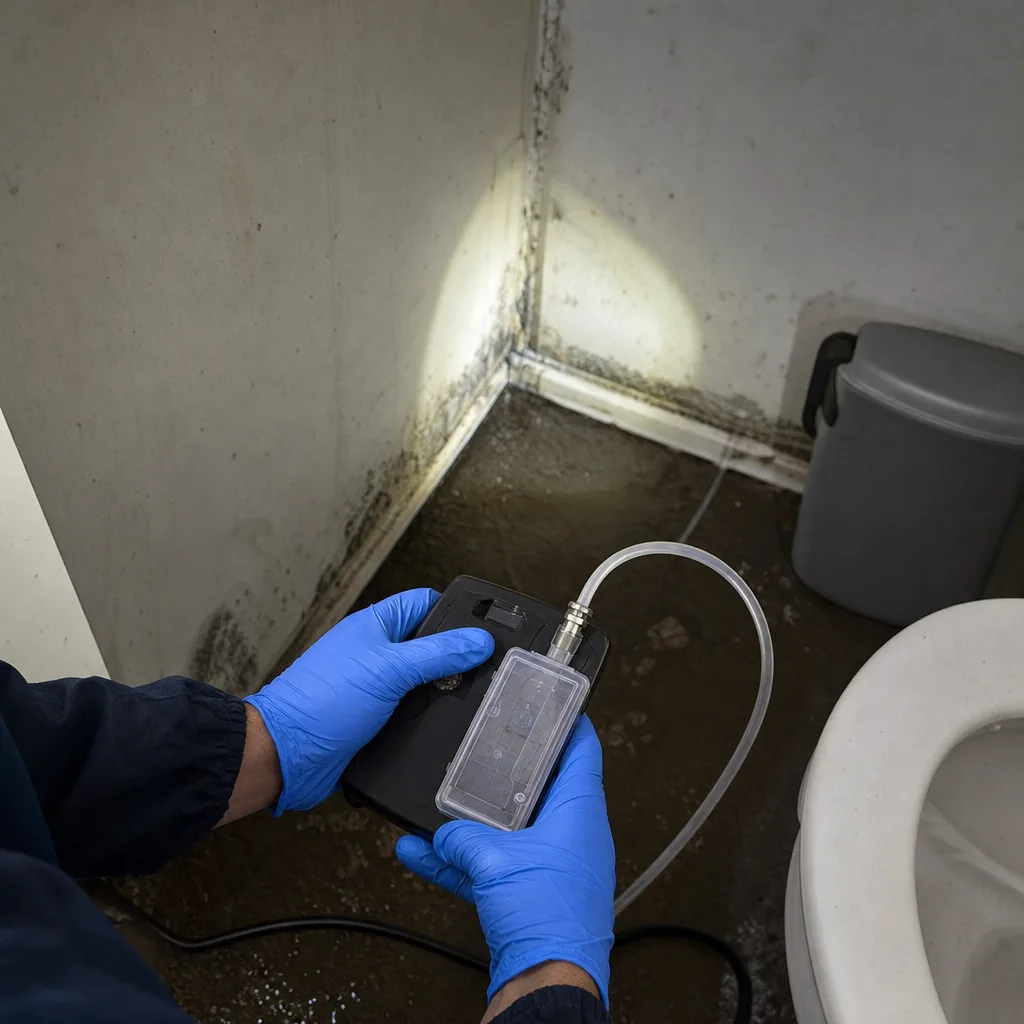
Studio City’s structural drying requires equipment from XPOWER and B-Air selected for the specific microclimate. The Cahuenga Pass funnels Santa Ana wind events down canyon corridors with particular intensity, creating uncontrolled airflow that defeats standard dehumidification plans. Our crews record psychrometric data - temperature, relative humidity, and vapor pressure differential, which is the force that actually moves moisture out of building materials - at multiple points per room, not a single reading at the doorway. On hillside homes with post-1994 Northridge non-original framing, we moisture-map every accessible cavity because inconsistent drywall assemblies behave unpredictably under drying load. We document daily drying logs to IICRC standards, producing the paper trail that turns restoration invoices into payable insurance claims.
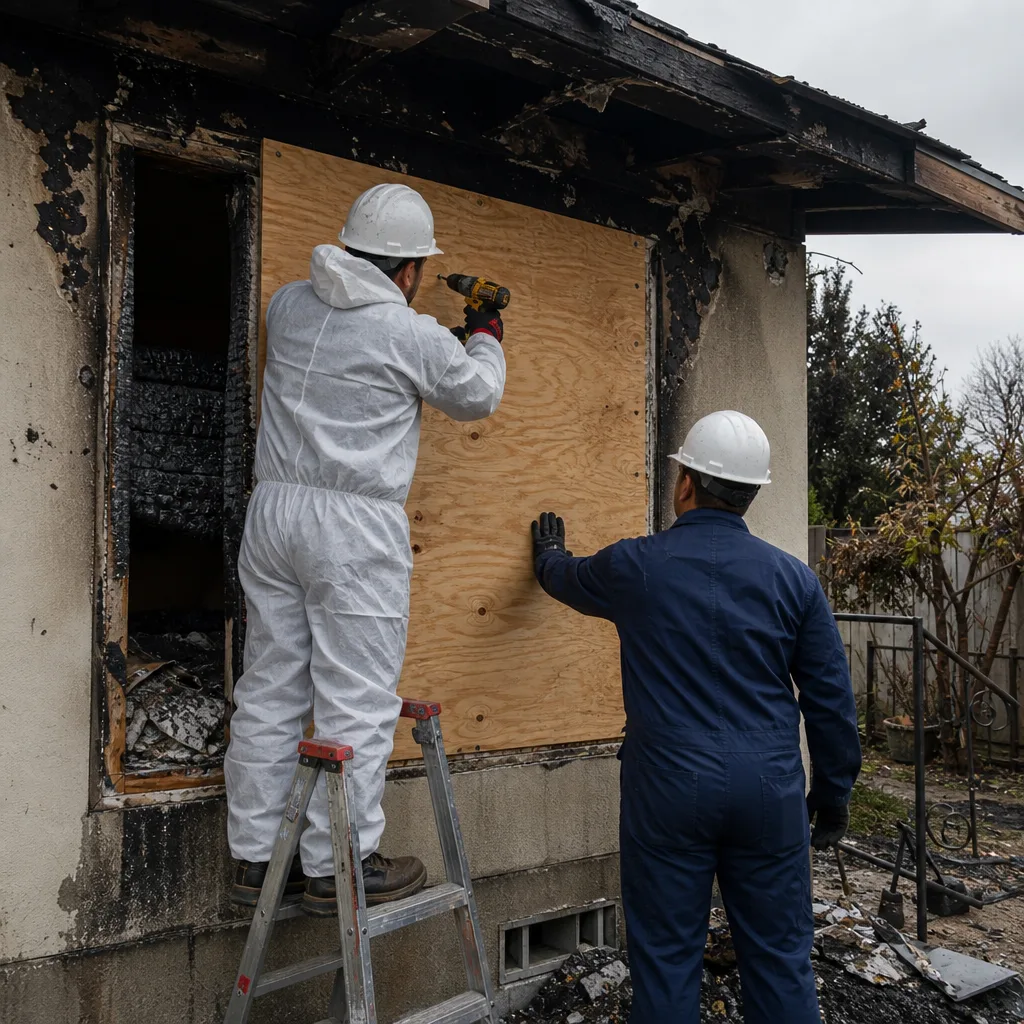
Flood Cleanup
Studio City flood cleanup splits into two distinct seasonal patterns. Winter rains bring standard Valley floor flooding: overwhelmed storm drains, failed sump pumps in 1950s ranch basements, and seepage through foundation cracks. Post-fire winters bring the second pattern unique to Studio City’s hillside zones: ash-laden debris slurry flowing down denuded canyon slopes, under garage slabs and into crawl spaces of homes that may have had smoke damage documented months earlier. That “same address, second event” cycle is essentially unknown in Sherman Oaks or Valley Village. We scope each flood source separately because debris-slurry intrusion carries different contaminant profiles and structural implications than clean rainwater.
Burst Pipe Restoration
Studio City’s 1930s-1940s plumbing infrastructure near Ventura Boulevard uses original galvanized or early copper with pinhole corrosion patterns that fail catastrophically in walls. Hillside homes face a different failure mode: original plumbing chases run through inaccessible wood-framed wall cavities with no modern shutoff access, so a burst pipe on a caisson-founded lower level can saturate multiple stories before detection. Our burst pipe restoration includes locating the failure point, documenting the water migration path with infrared and moisture-meter readings, and scoping the repair with your adjuster before demolition begins. Haven Standard, Clause 1: written price before work starts, every time.
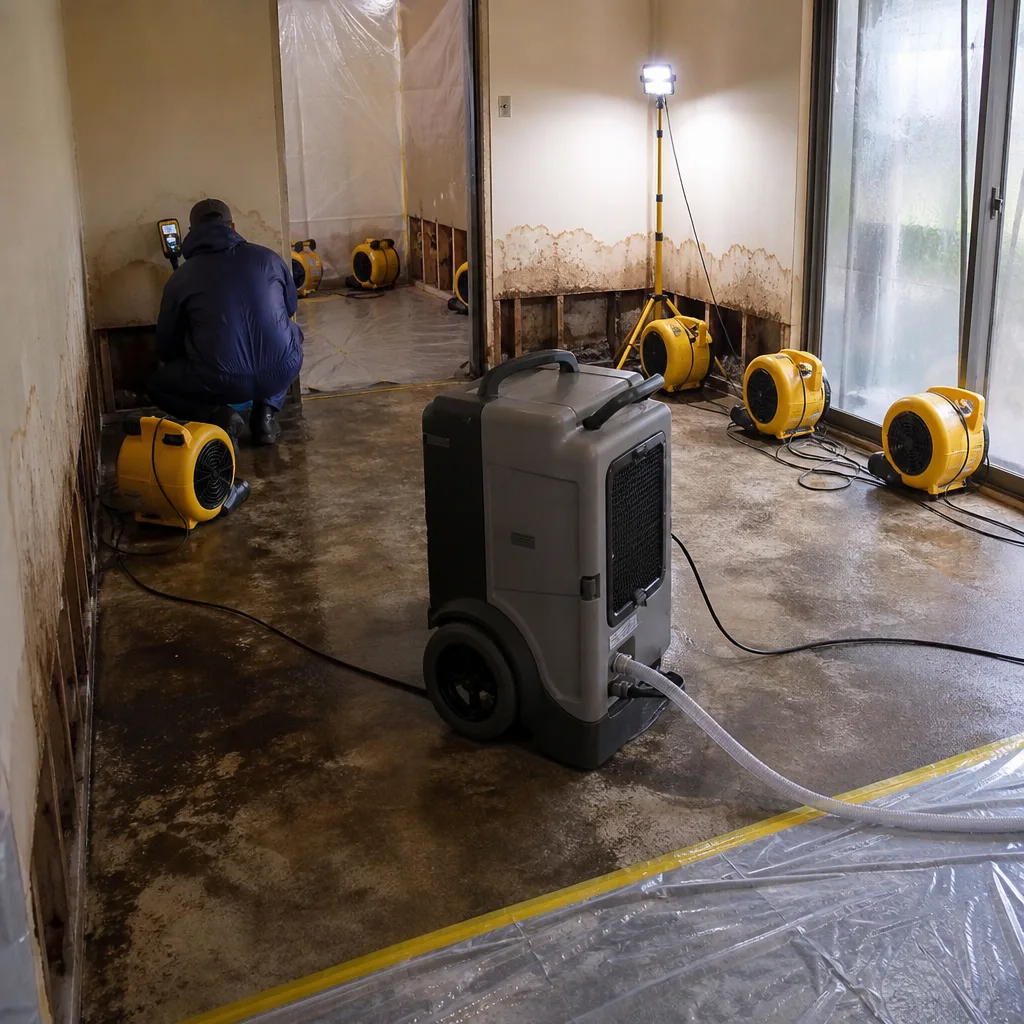
Basement Water Removal
Basement water removal in Studio City means different things on the Valley floor versus the hills. Flat-area basements are typically 1950s-1960s partial excavations with block walls and gravity drainage to municipal systems. Hillside “basements” are often caisson-founded lower levels with post-and-pier construction, where water enters from below grade on the upslope side and has no natural drainage path. We use submersible pumps and weighted extraction wands from Phoenix for standing water, then deploy low-grain refrigerant dehumidifiers sized to the actual cubic footage, not a rule-of-thumb calculation. On post-Northridge repair sections, we identify non-original drywall assemblies during moisture mapping and re-scope them as cut-and-remove rather than dry-in-place, documenting the framing inconsistency for your adjuster.
Ceiling & Roof Leak Water Damage
Studio City’s original clay-tile and early composition shingle roofs near Ventura Boulevard suffer wind-driven rain intrusion during Santa Ana events, with water traveling rafter lines far from the visible leak point. Our ceiling and roof leak response includes interior moisture mapping to trace the actual migration path, not just the stain location, and documentation of the roof condition for insurance coordination. We don’t repair roofs; we document the water damage they caused and dry the structure to prevent secondary mold colonization.
What happens when you call
- 1
A real person answersNo phone trees - you reach a local pro.
- 2
You get an upfront price rangeHonest numbers before anyone is dispatched.
- 3
A background-checked tech heads outLicensed & insured, dispatched right away.
- 4
You approve before work beginsNothing starts until you say go.
 Before
 After
AfterTrusted Brands We Service in Studio City
We deploy professional-grade drying systems from Dri-Eaz, Phoenix, and XPOWER on Studio City jobs, with B-Air air movers for tight-clearance applications in townhome and alley-load configurations. Each piece of equipment is selected for the specific psychrometric conditions we encounter: low-grain refrigerant dehumidifiers for Valley floor summer humidity, desiccant units for Santa Ana wind events that drop relative humidity below effective refrigerant range, and HEPA-filtered negative air machines for post-fire debris slurry contamination. All work is documented to IICRC, RIA, and IFA standards, with daily moisture logs and photo records included as standard deliverables, never upsells.
Common Water Damage Restoration Problems We See in Studio City Homes
- Alley-load and rolling-code access delays. Crews stage on the street and trigger a homeowner’s armed security system or find a blocked alley-load path, delaying extraction past the 24-36 hour mold window that Valley heat-sink summers compress even further. We pre-coordinate access protocols before dispatch.
- Single-meter moisture mapping on complex hillside structures. Technicians trust one reading on homes with post-1994 Northridge non-original framing and inconsistent drywall assemblies, missing hidden moisture in inaccessible plumbing chases behind original wood-framed walls. We map every accessible cavity and document anomalies.
- Santa Ana wind events destabilizing drying plans. Wind through the Cahuenga Pass skews psychrometric readings and creates uncontrolled drying conditions, so crews record logs that look fine while dehumidification is actually being defeated. We deploy multiple data-logging sensors and adjust equipment daily.
- The “same address, second event” hillside cycle. Wildfire smoke mitigation in October, then crawl-space debris-slurry flood cleanup the following January, as gravity drains denuded canyon slopes straight into foundations. We maintain job files for prior clients and can reference previous documentation to accelerate insurance coordination on the second event.
Pricing for Water Damage Restoration in Studio City, CA
Emergency water extraction in Studio City runs $180-$340 per hour depending on equipment type and access complexity, with structural drying equipment at $45-$85 per day per unit. A typical Valley floor residential mitigation - extraction, drying, and basic decontamination - ranges $2,800-$4,500 for a single affected area. Hillside homes with caisson foundations, post-Northridge repair sections, or debris-slurry contamination typically run $4,200-$7,500 due to extended moisture mapping, specialized equipment staging, and potential re-scoping of non-original assemblies.
What moves a job up or down within those ranges: square footage affected, contamination category (clean water versus gray or black), accessibility constraints requiring specialized equipment or security coordination, and whether previous repairs create unexpected conditions during demolition. Every job receives a written price before work begins, Haven Standard, Clause 1, with no scope-creep additions once the crew is inside. Bring a competitor’s written estimate and we’ll review it at no charge - our Free Second Opinion policy.
We Also Serve Cities Near Studio City
Our crews respond throughout the San Fernando Valley and adjacent metro areas, including Water Damage Restoration in Studio City proper plus North Hollywood, Van Nuys, West Hollywood, and Sherman Oaks. Each city’s housing stock and access patterns differ; our dispatch protocols are adjusted accordingly.
Serving Studio City, CA - Our Local Coverage Area
We’re based in the Studio City area and know this community well. Use the map below to see our service coverage - if you’re nearby, we can almost certainly help.
FAQs - Water Damage Restoration in Studio City
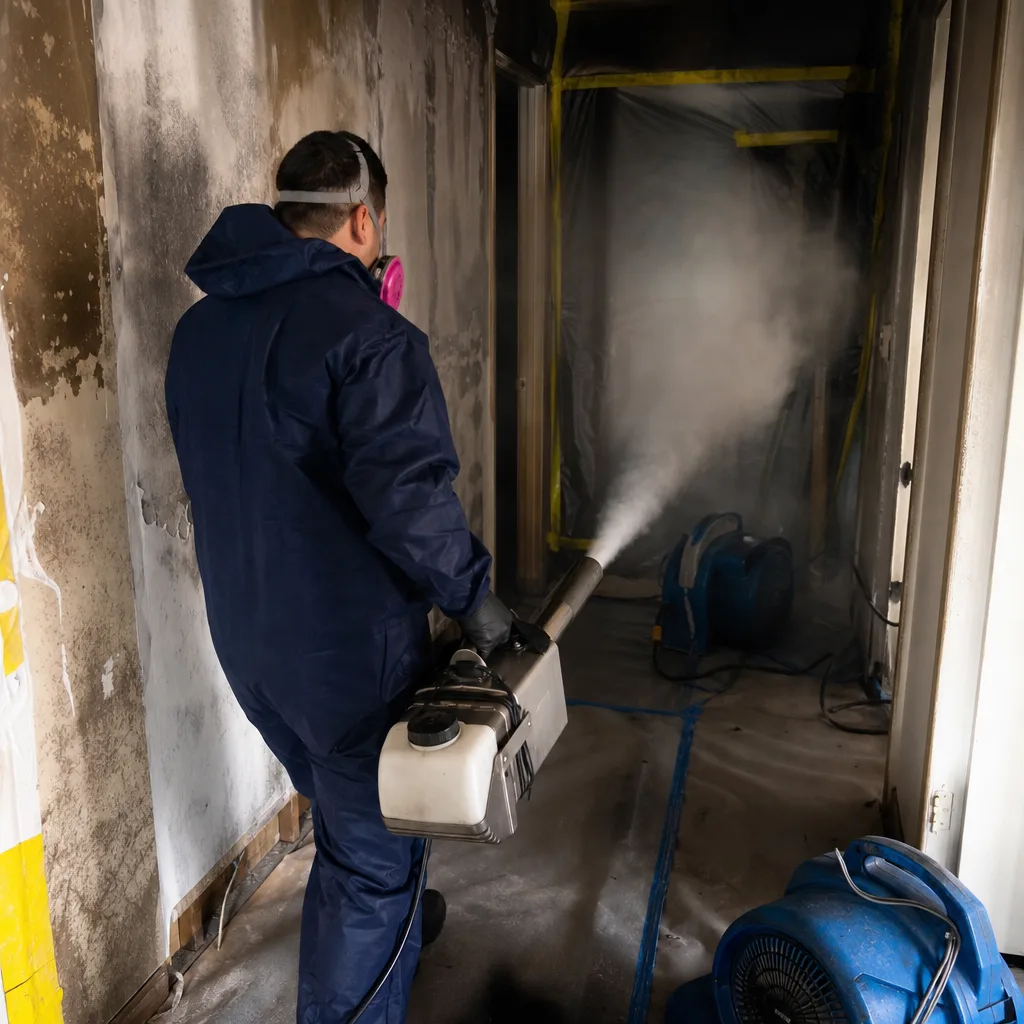
Hillside homes sit on steep lots where gravity drains slope runoff toward foundations, creating persistent moisture sources that standard drying plans don’t account for. Post-and-pier or caisson construction also creates inaccessible cavities where moisture lingers, and Santa Ana wind events through the Cahuenga Pass introduce uncontrolled airflow that skews psychrometric readings. We extend drying monitoring periods and deploy additional data-logging sensors in hillside zones. Call (424) 351-3396 for a written scope specific to your property.
Yes. Narrow walkways, rolling-code security systems, and HOA-mandated access protocols require compact extraction equipment and pre-coordinated entry sequences. We carry narrow-profile extractors and maintain rolling-code remote compatibility for major opener brands. The field vignette: we once staged a full mitigation through a garage door with six inches of side clearance after coordinating a dead-battery remote replacement and security disarm with the homeowner’s monitoring service. Call (424) 351-3396 and we’ll walk through your specific access constraints before dispatch.
The San Fernando Valley heat-sink effect pushes Studio City summer temperatures 10-15°F above coastal LA, compressing the colonization window to 24-36 hours in warm months. That’s not a marketing number; it’s the interval between initial water intrusion and measurable mold growth on cellulose materials at sustained temperatures above 80°F. We prioritize extraction dispatch accordingly, with live phone coverage 24 hours a day, 7 days a week to prevent voicemail delays. Call (424) 351-3396 - estimates are free.
Category 1 is clean water from a supply line - the only category where dry-in-place is typically viable. Category 2 is gray water with chemical or biological contamination, requiring removal of affected porous materials. Category 3 is black water: sewage, debris slurry, or any water with confirmed pathogenic content. Studio City’s unique post-fire debris flows often test as Category 3 despite appearing like muddy rainwater, due to ash content and urban contaminants picked up during slope runoff. We test and document category classification before scoping, not after demolition starts. Call (424) 351-3396 for category-specific pricing.
Often yes. We regularly encounter non-original drywall assemblies and inconsistent framing from 1994 Northridge repairs that behave unpredictably during moisture mapping. What reads as dry on a standard meter may be a repair section with different density or vapor permeability. We identify these assemblies during initial assessment and re-scope them as cut-and-remove rather than dry-in-place, documenting the framing inconsistency for adjuster review. The homeowner on Fryman Road learned this when moisture mapping of their caisson-founded lower level showed intrusion reached a non-original drywall section left over from Northridge repairs. Call (424) 351-3396 and we’ll assess your specific repair history.
Water damage doesn’t wait for business hours, and neither do we. A live person answers every call to (424) 351-3396, 24 hours a day, 7 days a week. We’ll dispatch a crew to your Studio City property, document the damage with photo records and moisture readings, and deliver a written price before any work begins - Haven Standard, Clause 1, no exceptions. Every job carries our 365-Day Done Right Promise: if it’s not done right, we make it right. Bring a competitor’s written estimate and we’ll review it free. Get your free estimate today.
Written by Alicia Brennan, Owner at DryMark Restoration Los Angeles, serving Studio City since 2011.