
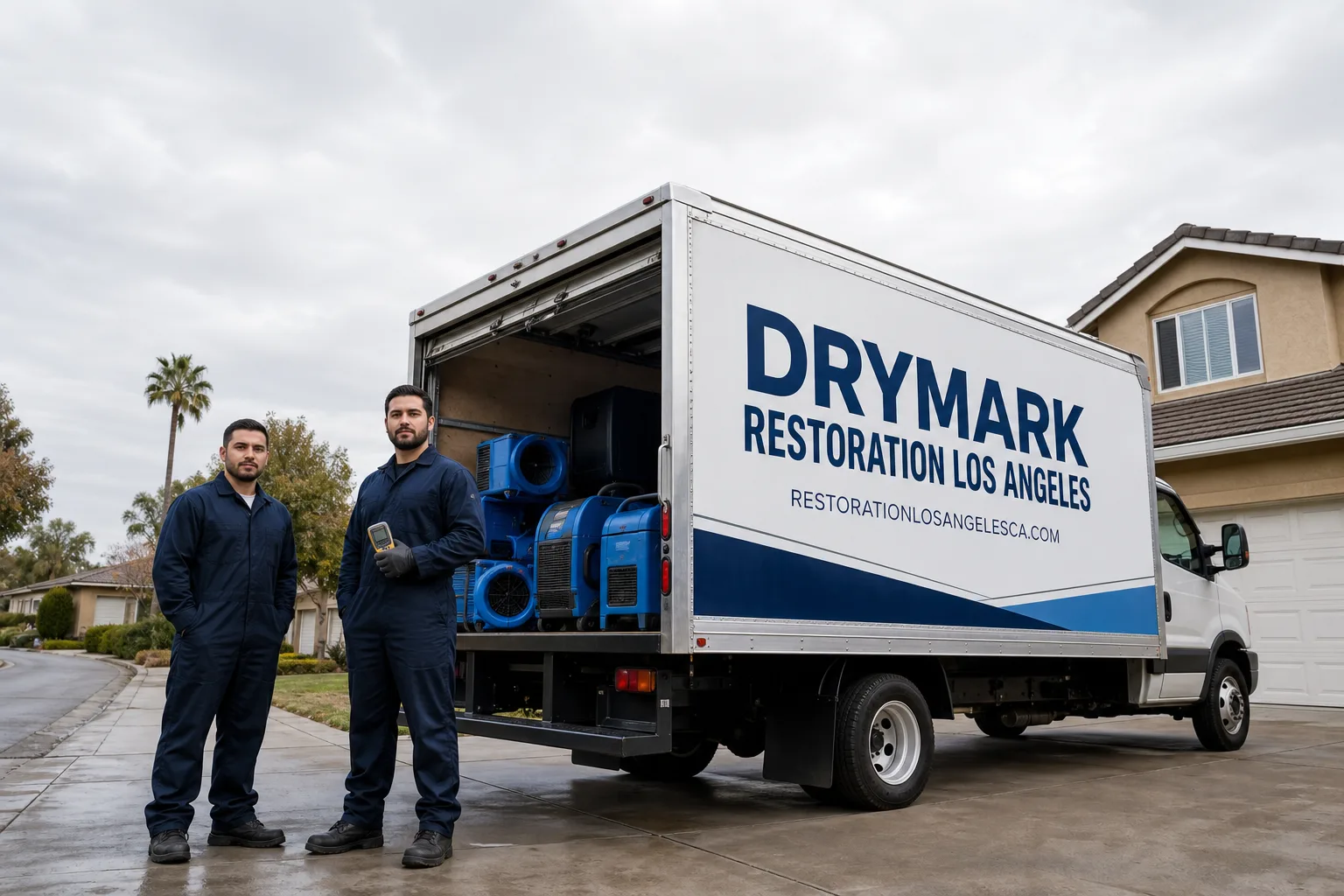
Free visual inspection and a written scope of work before any mitigation begins - photos, moisture readings, and drying logs go in your claim file
The scope we write is the scope we bill. Anything new gets shown to you, in writing, before we touch it.
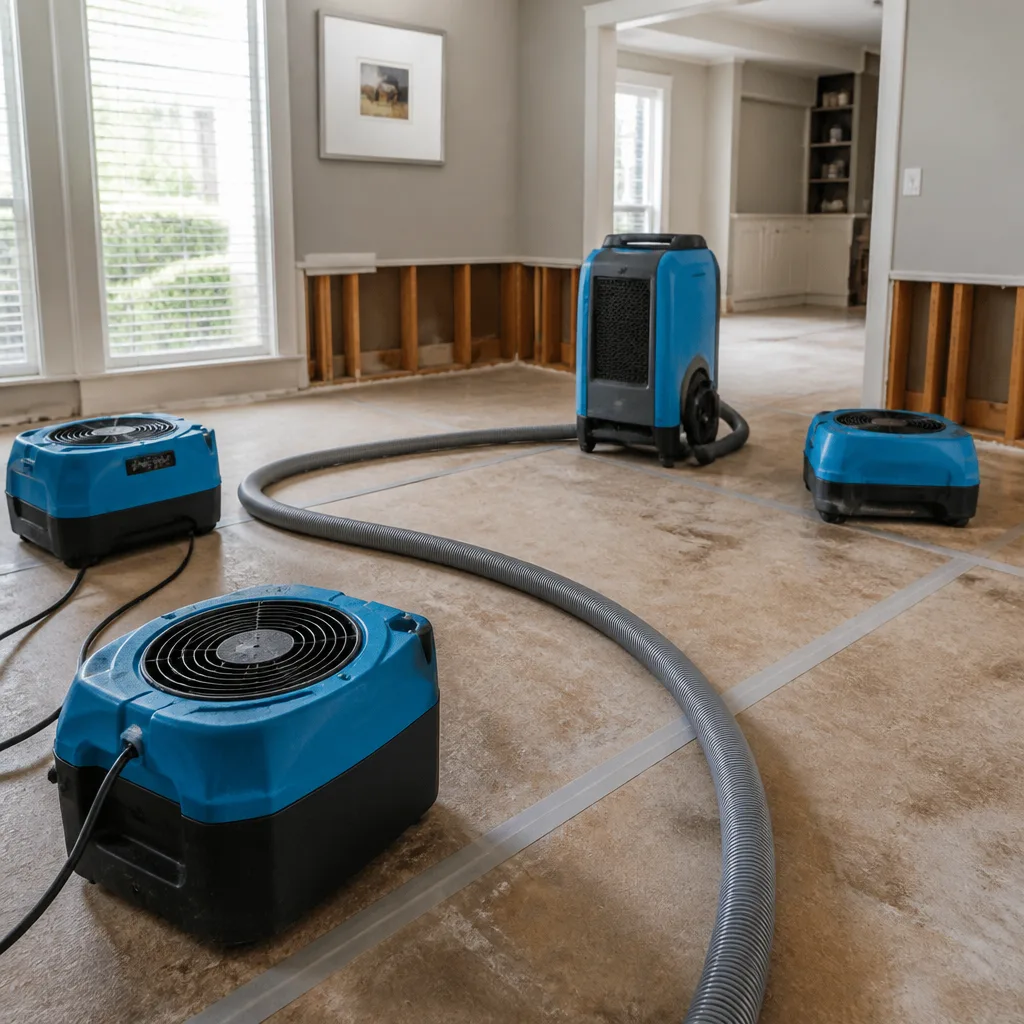
 Before
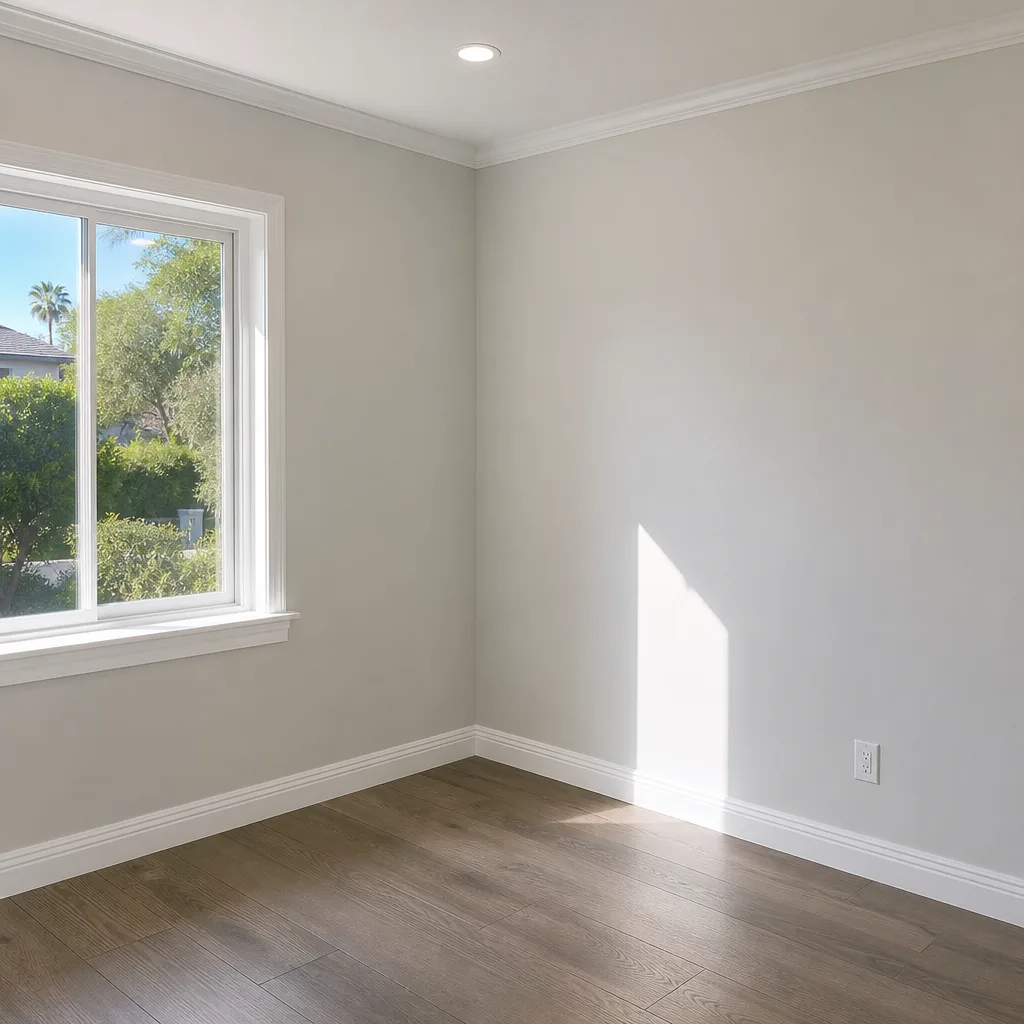 After
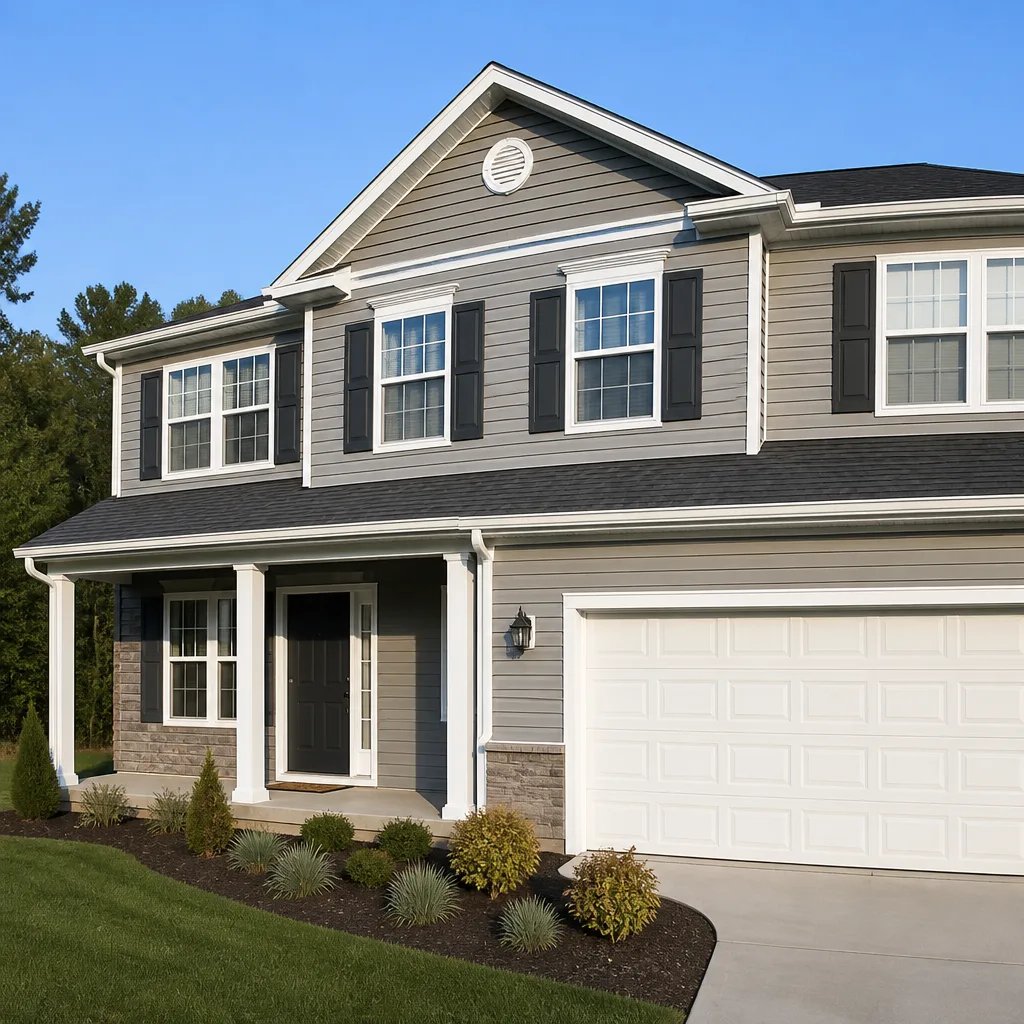
After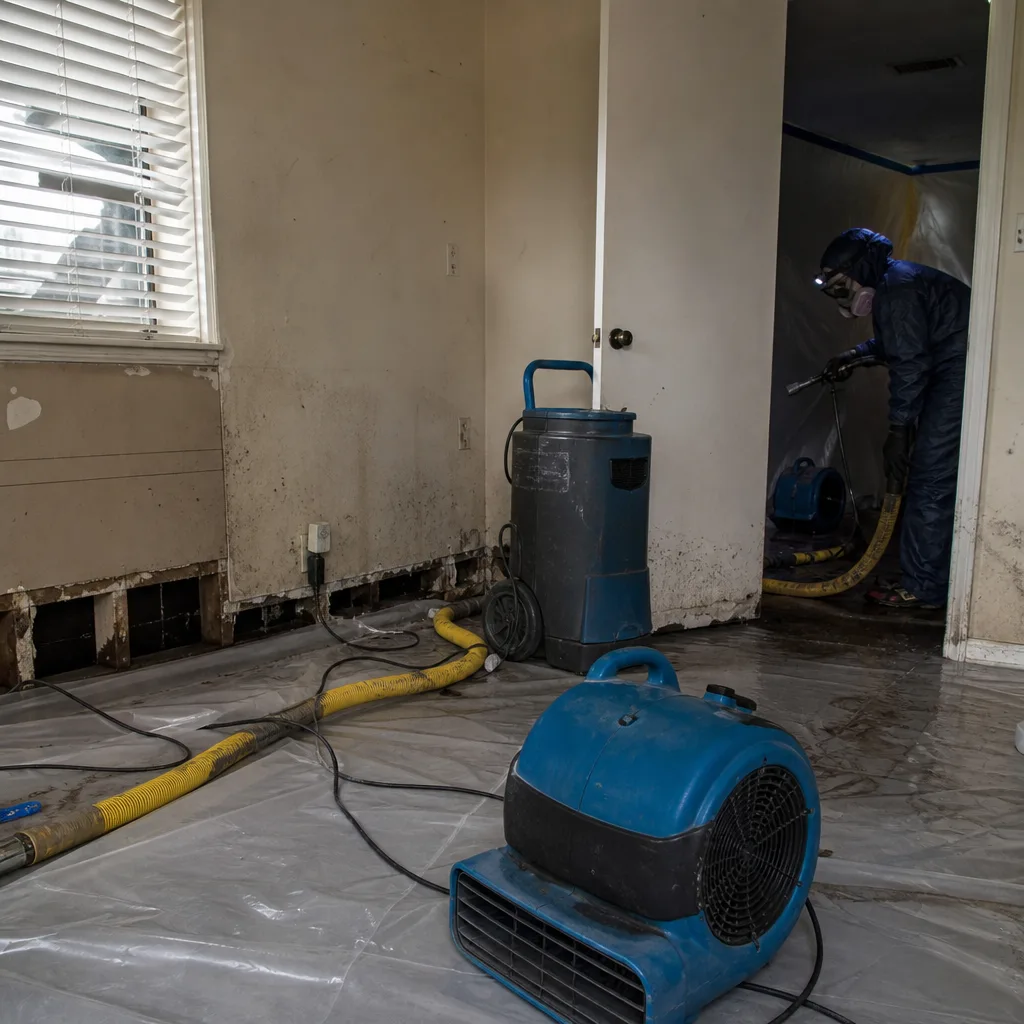 Before
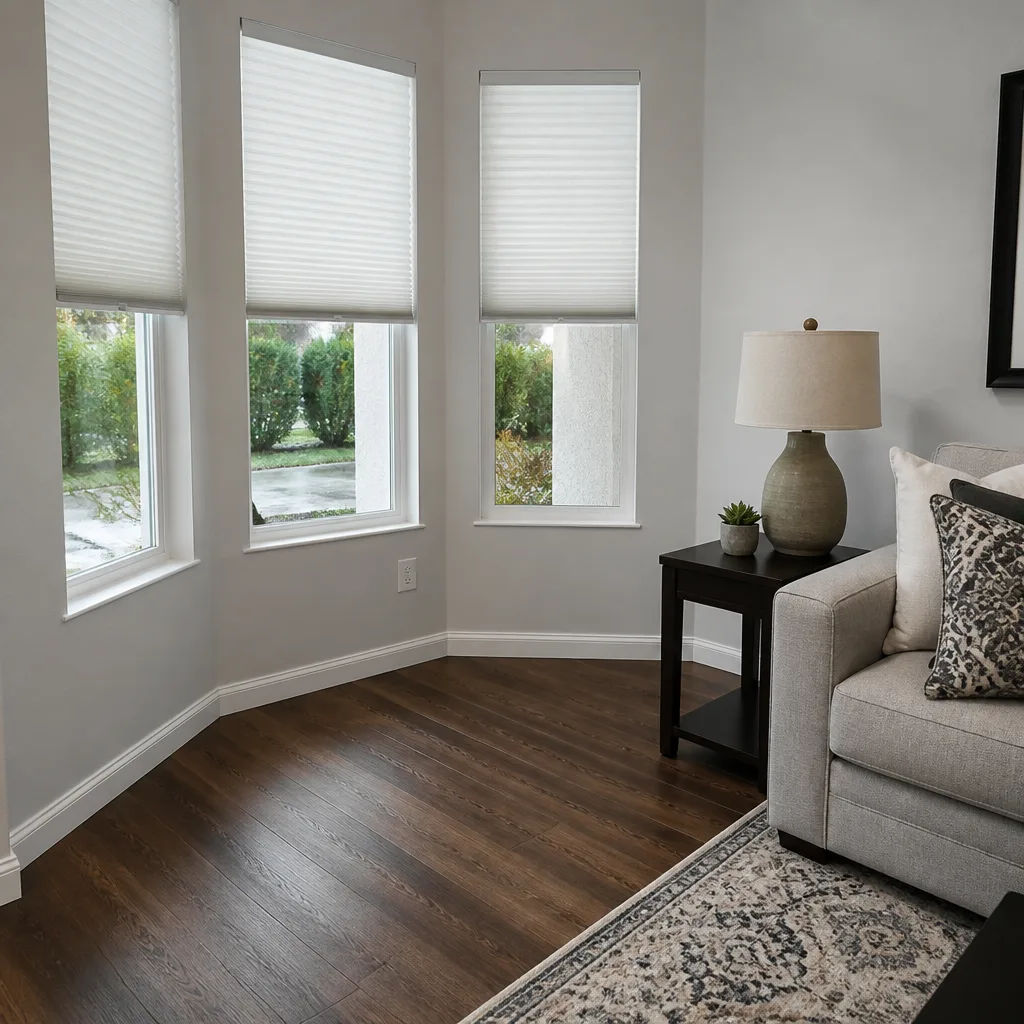 After
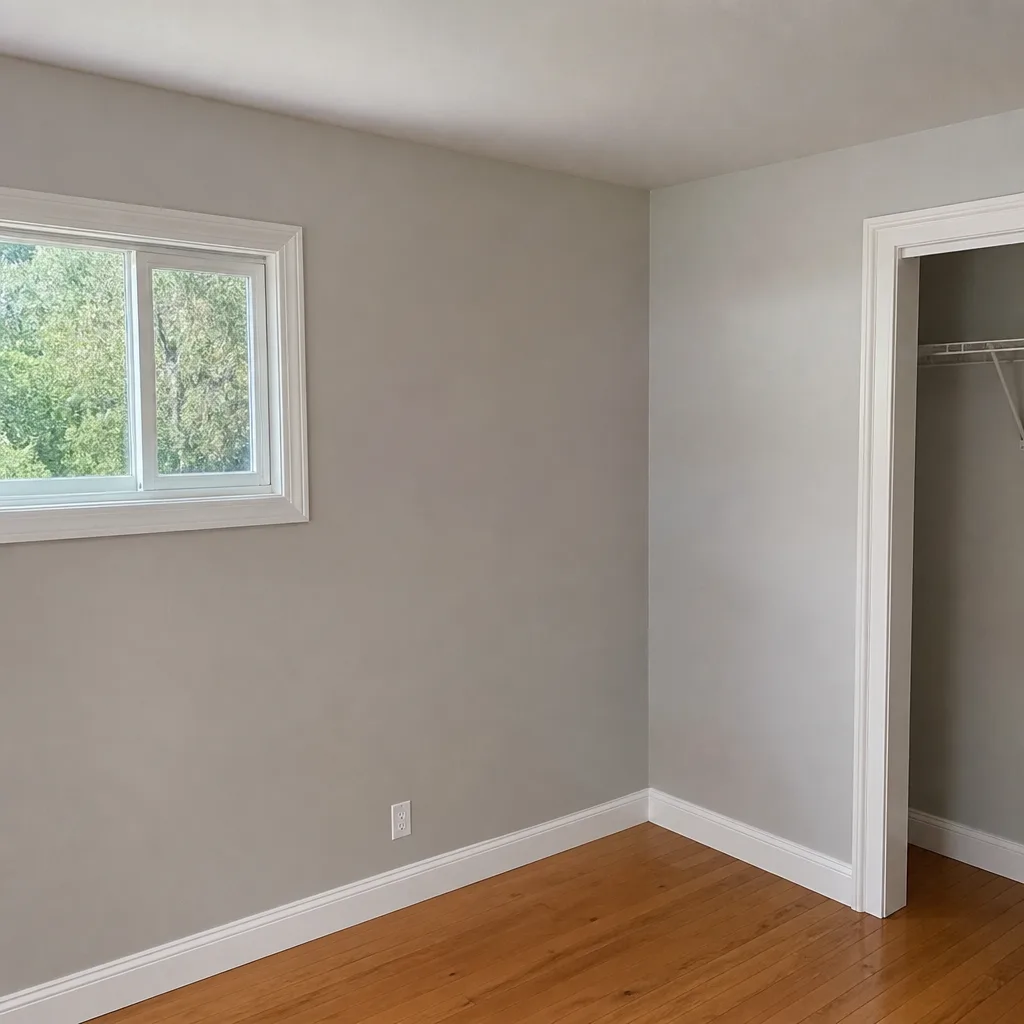
After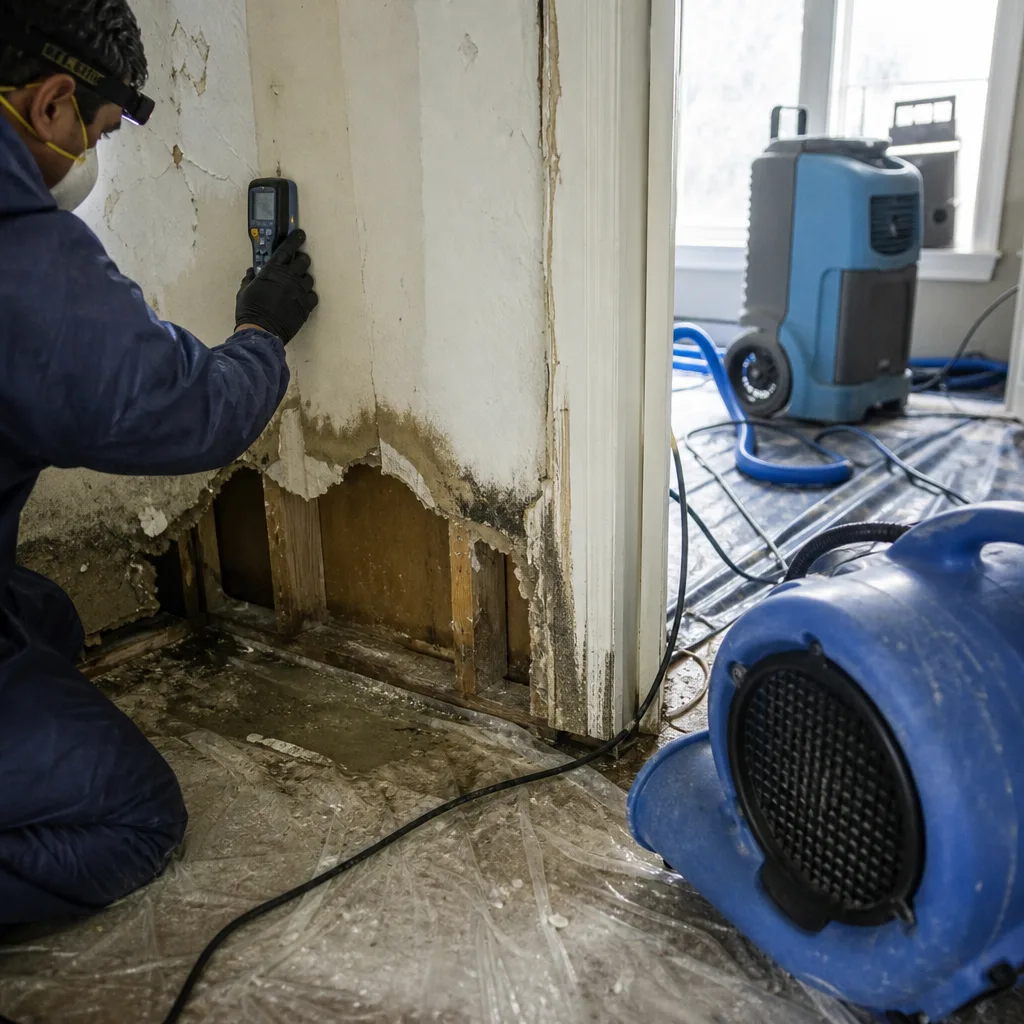 Before
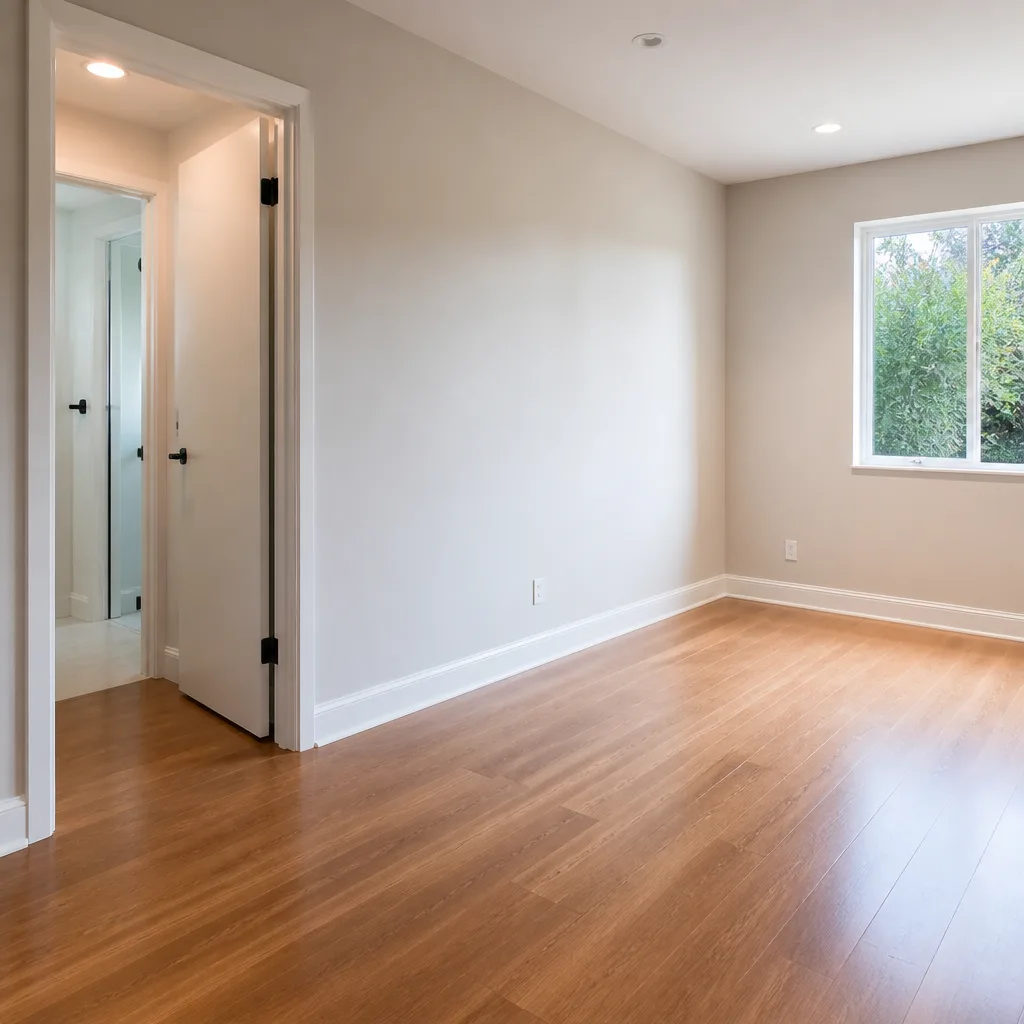 After
AfterFast, Reliable Water Damage Restoration Across Hawthorne
Water damage restoration in Hawthorne typically costs $2,800-$6,500 for a standard residential mitigation, with emergency extraction starting at $1,200-$2,400 and full structural drying running $1,600-$4,100 depending on affected square footage and material classification. Most Hawthorne homeowners see our crews on-site within 60-90 minutes of the initial call, because our Los Angeles office dispatches teams directly to the South Bay corridor without routing through distant warehouses.
We know Hawthorne’s housing stock intimately. The 1940s-1960s aerospace-boom tract homes near Northrop’s legacy footprint and the dense 1960s two-story apartment clusters along Crenshaw and Prairie aren’t abstract building types to us. They’re the specific envelope conditions we document on every job, with moisture readings, photo records, and written scopes that satisfy adjusters who’ve learned to scrutinize South Bay claims. When water moves through one of these structures, it doesn’t behave like water in a 2019 Torrance build. We plan for that. Call (424) 351-3396 and a live person answers, 24 hours a day, 7 days a week - no voicemail while water is still moving.
Why DryMark Restoration Los Angeles Is Hawthorne’s Preferred Water Damage Restoration Company
Hawthorne homeowners research before they call. They read the three-star reviews. They want to see pricing, documentation standards, and proof that a crew understands their specific building before inviting them inside. We’ve restored properties across the city, from the stucco bungalows near Hawthorne Municipal Airport to the multi-unit blocks between Crenshaw and Prairie, and our documentation-first approach means every customer receives a written price before work begins, a photo record on every visit, and a 365-Day Done Right Promise backed by The Haven Standard.
Our response time to Hawthorne averages under 90 minutes because we stage equipment and crews for the South Bay basin specifically. We don’t share the common Los Angeles restoration problem of dispatching from the Valley or Orange County and arriving three hours later to find mold already colonizing wet drywall. The persistent marine layer here already elevates baseline indoor humidity; every minute of delay compounds the drying timeline.
Alicia Brennan built Back to Dry Restoration in 2011 after working claims adjustment and watching homeowners lose legitimate payouts to sloppy documentation. That origin shapes how we operate in Hawthorne today: moisture readings logged by room, drying equipment spec’d to psychrometric data, and a written scope that an adjuster can read once and approve without back-and-forth. Our Water Damage Restoration team has handled over 12,000 homes since founding, every one with a written price before work started and a documented record when the crew left.
Our Water Damage Restoration Services in Hawthorne
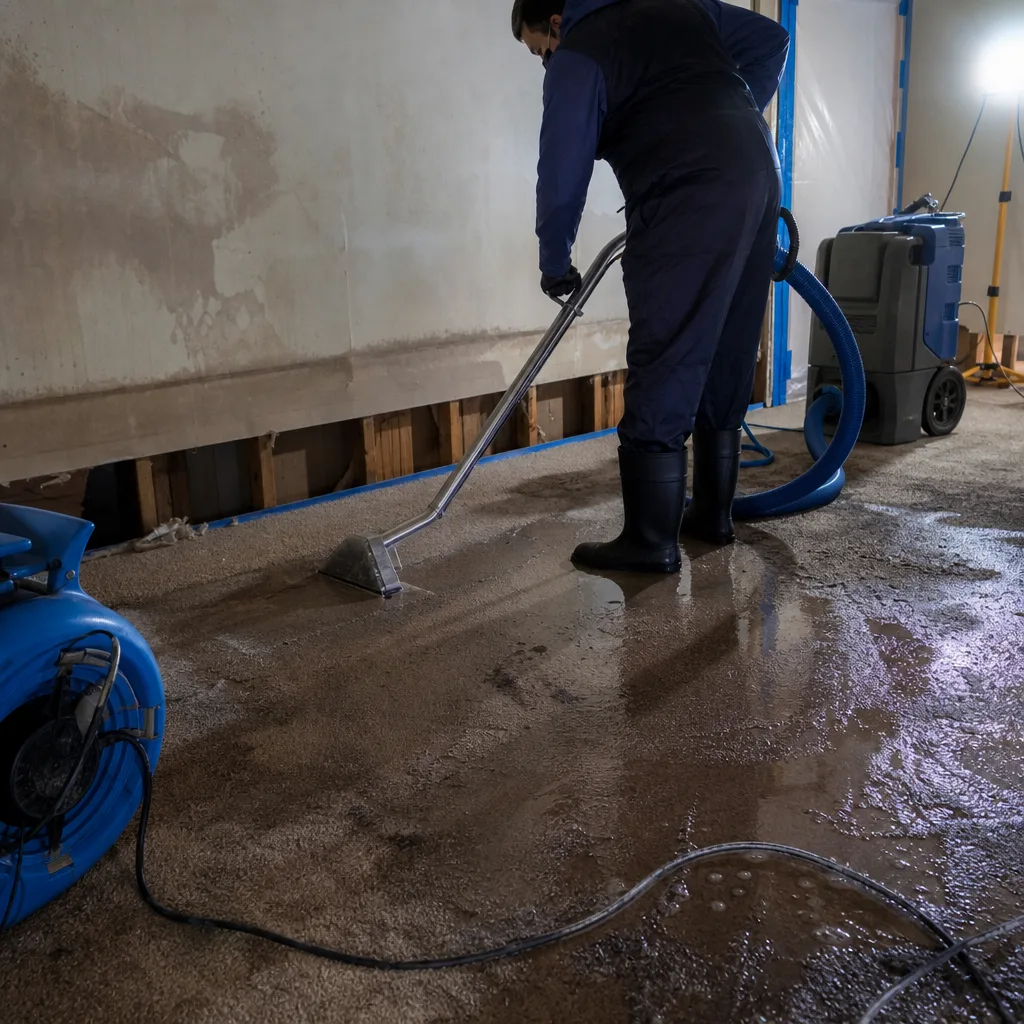
Emergency Water Extraction
When a supply line fails in a Hawthorne home, standing water doesn’t wait for business hours. Our emergency extraction teams deploy truck-mounted systems and portable submersible pumps rated for Category 1 through Category 3 water, with extraction capacity scaled to the affected square footage we measure on arrival. In Hawthorne’s 1960s apartment buildings, we regularly arrive to find one tenant’s visible pooling masking soaked subflooring in two adjacent units sharing the same galvanized riser. We extract across the full affected envelope, not just the unit that called, because partial extraction in these interconnected structures guarantees a return call for secondary damage.
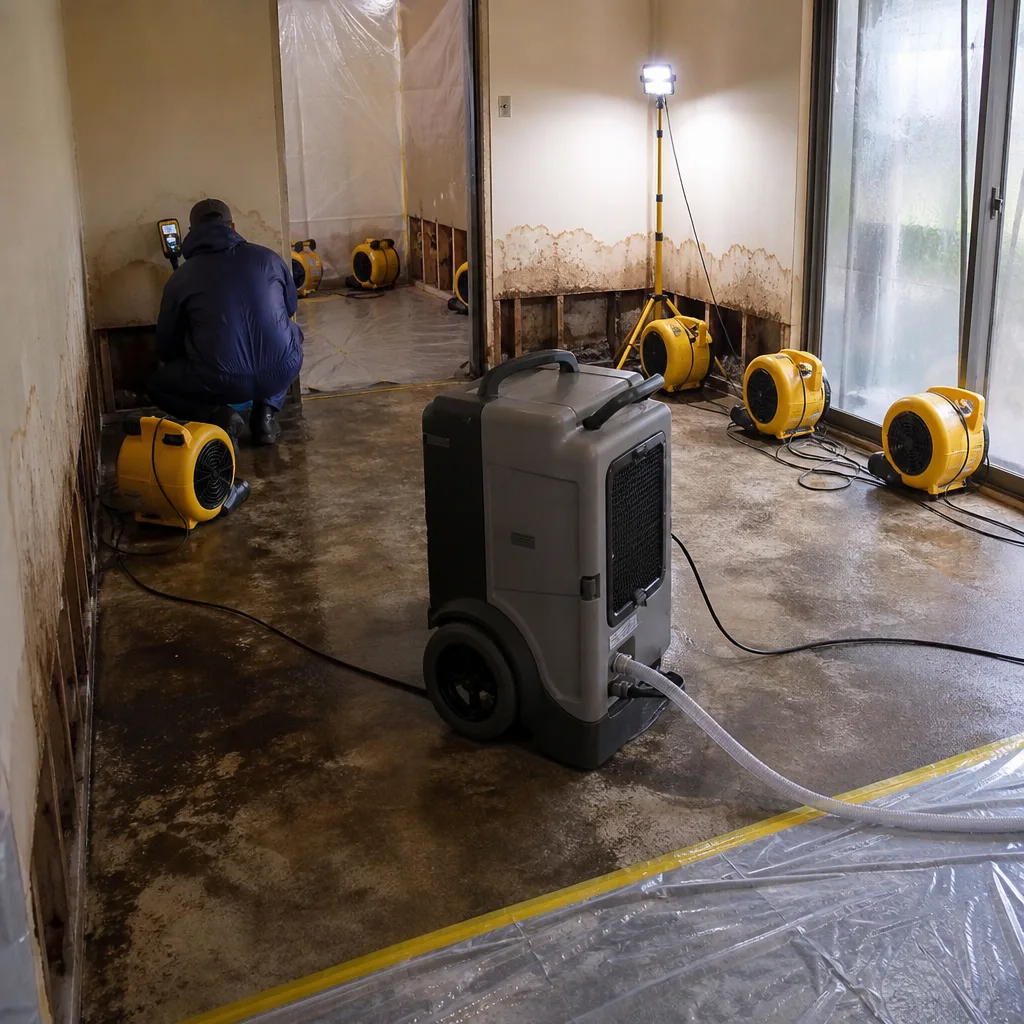
Structural Drying & Dehumidification
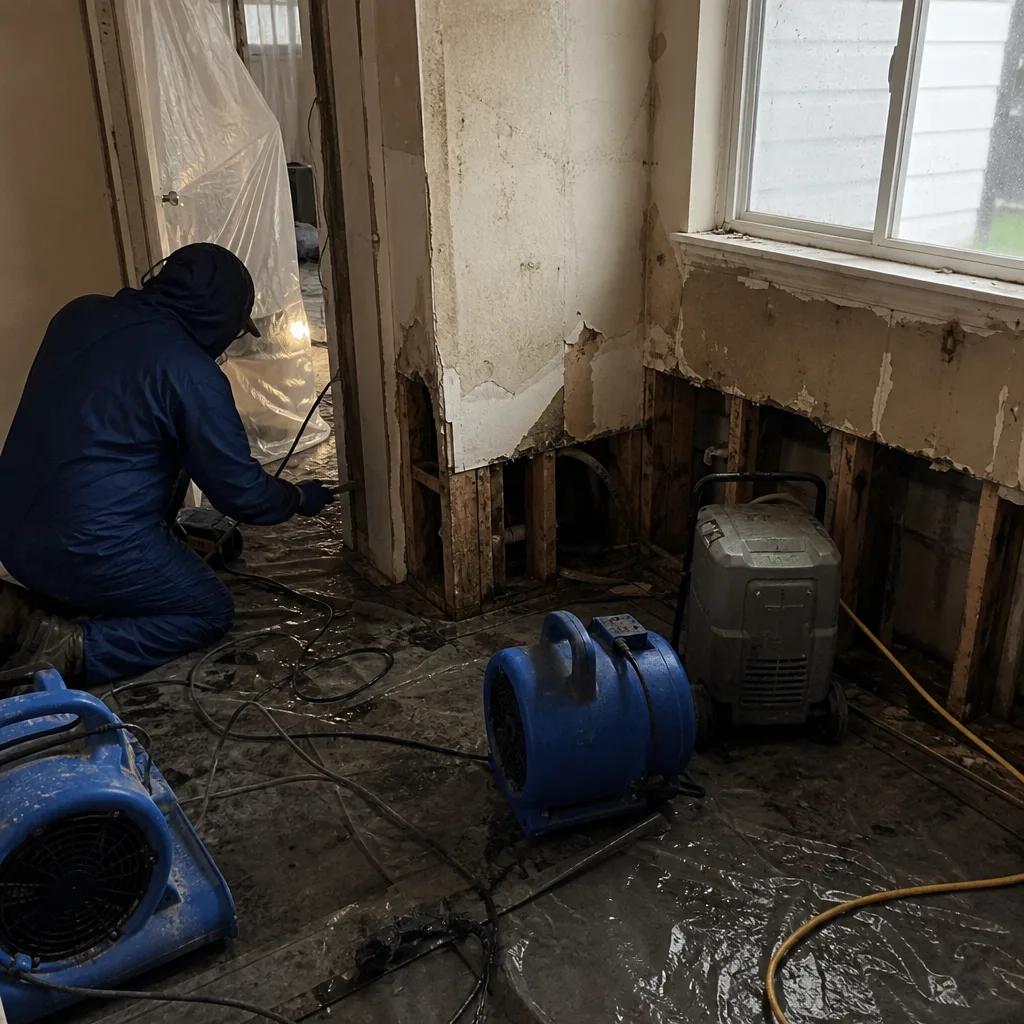
Hawthorne’s South Bay location creates a structural drying challenge that inland crews often underestimate. The persistent marine layer keeps ambient humidity elevated year-round, which means vapor pressure differentials between wet materials and surrounding air stay narrow. Drying that closes in three days in the San Fernando Valley frequently requires five to seven days here. We spec equipment accordingly: Dri-Eaz and Phoenix LGR dehumidifiers with grain depression capacity matched to local conditions, plus axial air movers positioned for laminar airflow across wet substrates. Our daily drying logs document moisture content readings by room, material type, and date, producing the psychrometric data that turns restoration invoices into payable claims.
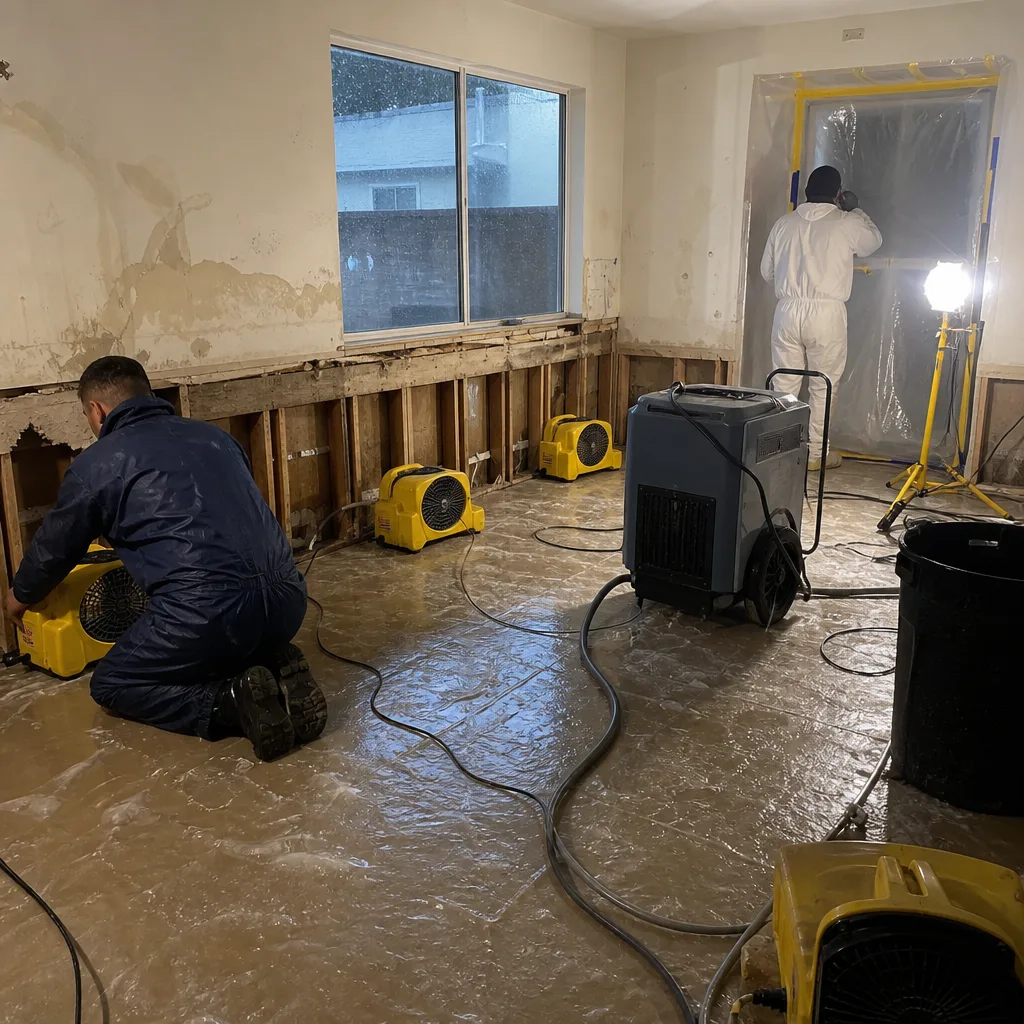
Flood Cleanup
Hawthorne’s flat basin terrain and aging municipal storm infrastructure mean atmospheric river events don’t drain efficiently. Water backs up through storm drains and enters slab foundations and raised-floor crawl spaces, particularly in the 1940s-1960s tract homes with original or near-original roofing substrates and single-pane windows that compromise the building envelope. Our flood cleanup protocols include contaminated water classification, silt and debris removal, and antimicrobial application where Category 3 intrusion has occurred. We document pre-existing conditions with photo records before any equipment touches the structure, because flood claims draw adjuster scrutiny that pipe-break claims don’t.
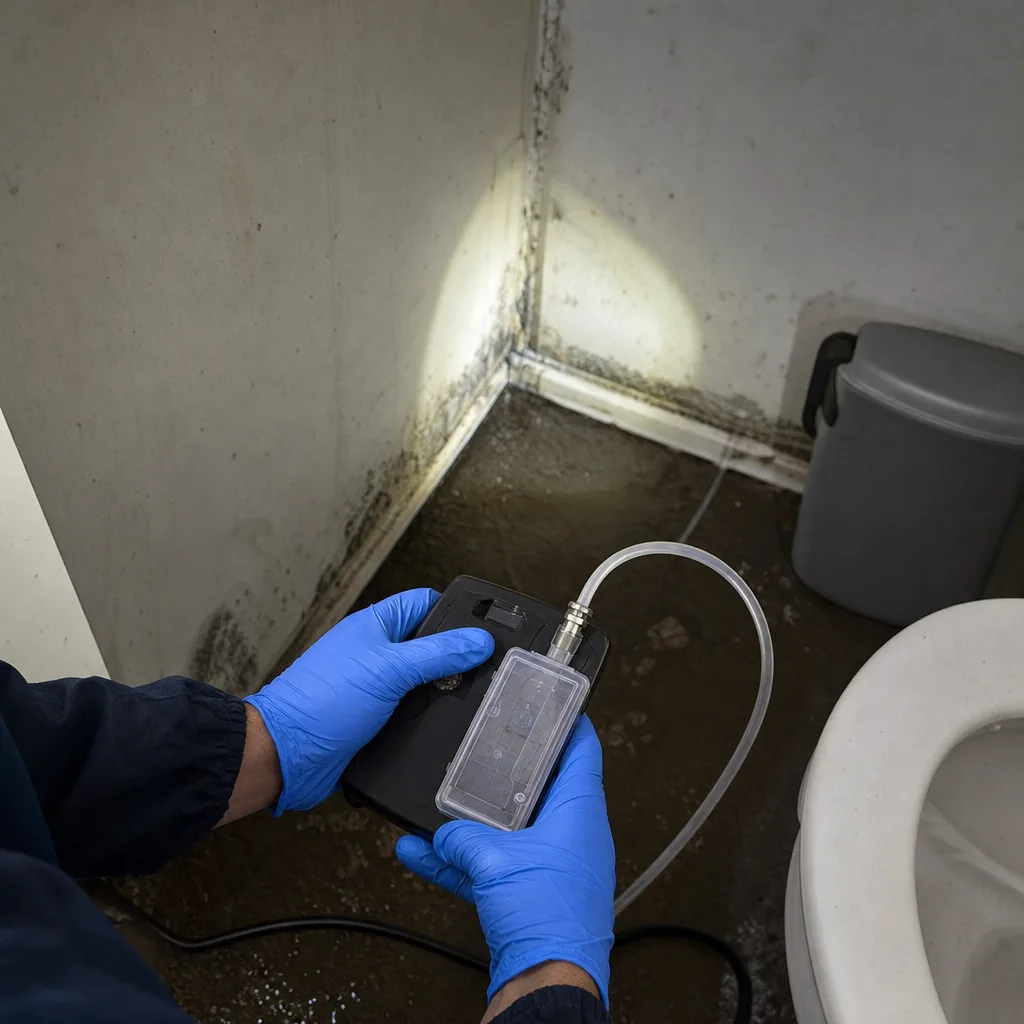
Burst Pipe Restoration
The galvanized supply lines and cast-iron drain stacks in Hawthorne’s multi-unit housing stock fail predictably: pinhole corrosion in risers, joint separation in horizontal runs, and bellied cast-iron sections that pool waste until pressure finds a weak point. Our burst pipe restoration service includes emergency water shutoff coordination with building management, extraction of affected materials, and full moisture mapping to identify secondary saturation in adjacent units. On a two-story 1960s apartment block off Prairie Avenue, a pinhole leak in a shared galvanized riser had been weeping behind the wall long enough that one ground-floor tenant’s call turned into three soaked units sharing the same stack. Our techs did moisture mapping and moisture readings across all three, set containment and air movers with Dri-Eaz and Phoenix dehumidifiers for structural drying, and because the building predates the 1970s we had to pause for asbestos testing on the floor tiles before extraction could continue - then coordinated three separate insurance claims on one scope of work.
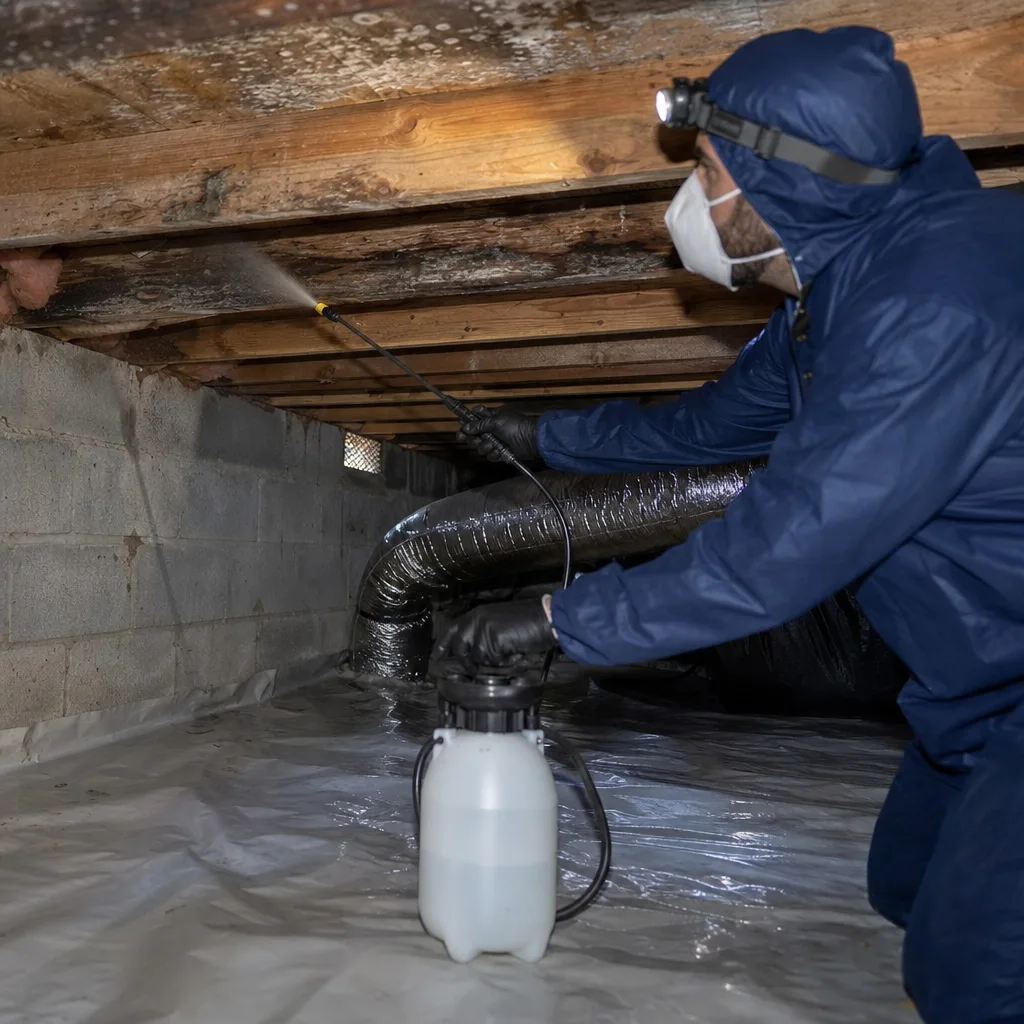
Basement Water Removal
Few Hawthorne homes have true basements, but the raised-floor crawl spaces common in 1940s-1950s tract homes function similarly as collection points for groundwater intrusion and slab seepage. These spaces often contain original HVAC ductwork, electrical runs, and in pre-1978 construction, asbestos-containing duct wrap that requires abatement protocol before crews can safely enter. We remove standing water, deploy crawl-space-specific drying equipment including XPOWER low-profile air movers, and document conditions with photo records that satisfy both insurance adjusters and Hawthorne’s building department if permit verification becomes necessary.
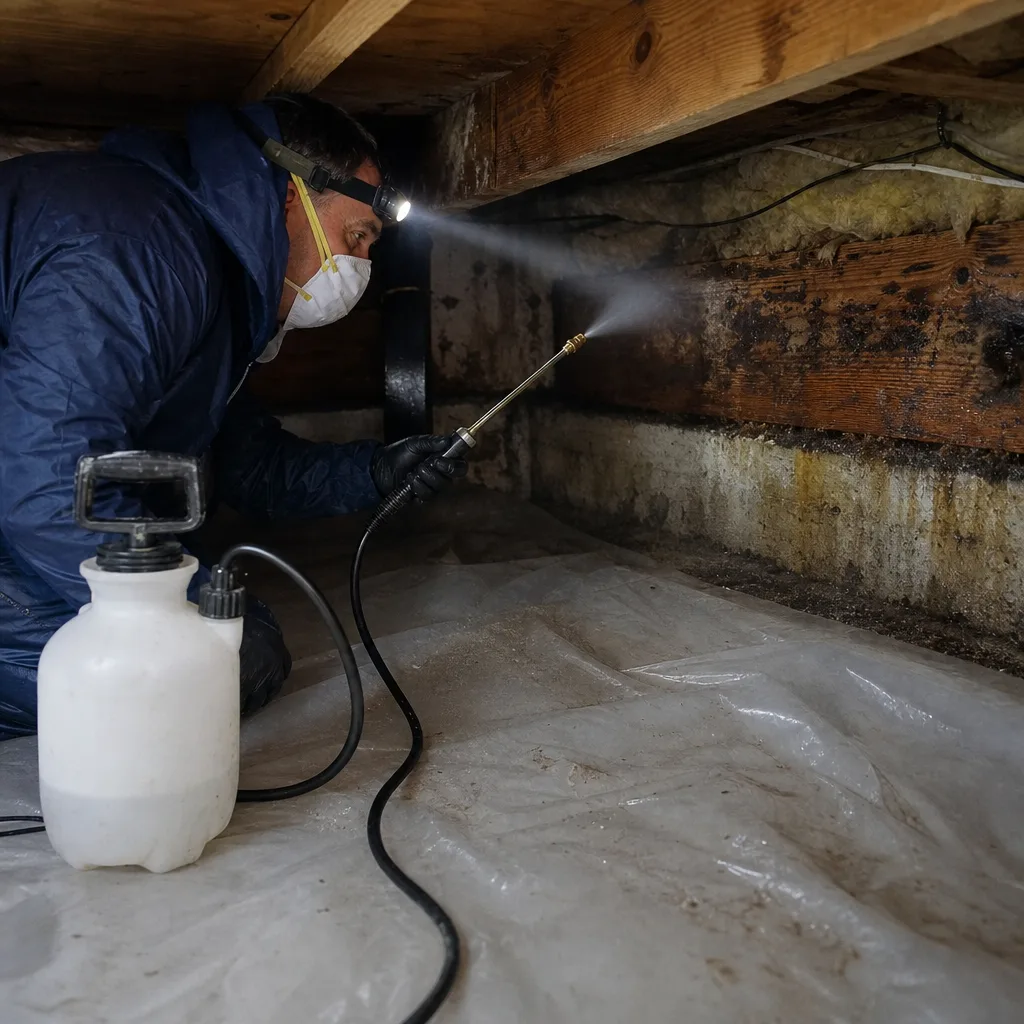
Ceiling & Roof Leak Water Damage
Original or near-original roofing substrates on Hawthorne’s aging housing stock fail at flashing, valley intersections, and penetrations during winter storm events. The damage pattern is familiar: water tracks along rafters or trusses, pools at ceiling drywall seams, and presents as a stain that homeowners often ignore until the drywall sags. By that point, insulation above is saturated and framing members may have absorbed enough moisture to exceed the 16% wood moisture content threshold where mold colonization accelerates. We open affected ceiling sections, remove wet insulation, dry framing to specification, and document the full chain of conditions with photo records and moisture logs.
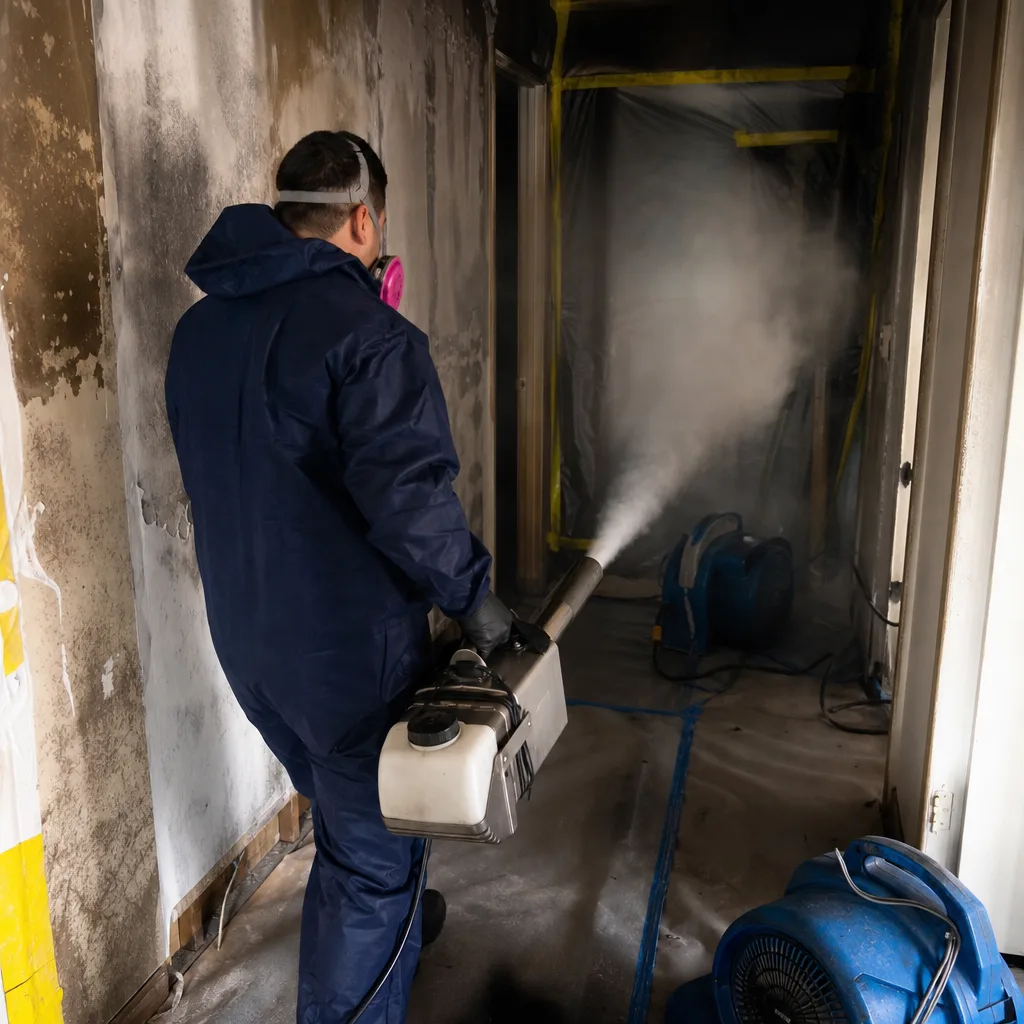
What happens when you call
- 1
A real person answersNo phone trees - you reach a local pro.
- 2
You get an upfront price rangeHonest numbers before anyone is dispatched.
- 3
A background-checked tech heads outLicensed & insured, dispatched right away.
- 4
You approve before work beginsNothing starts until you say go.
 Before
 After
AfterCommon Water Damage Restoration Problems We See in Hawthorne Homes
- Multi-unit losses from shared galvanized risers. In Hawthorne’s dense 1960s apartment clusters along Crenshaw and Prairie, a single pinhole failure in a shared galvanized supply riser routinely becomes a two- or three-unit loss. Crews who dry only the unit that called miss soaked drywall in adjacent ground-floor tenants, setting up secondary mold claims and insurance disputes that proper moisture mapping prevents.
- Marine-layer humidity stalling drying timelines. The persistent South Bay marine layer keeps ambient indoor humidity elevated year-round. Drying that would close in three days inland stalls here, driving secondary mold colonization in water-damaged drywall and framing if crews don’t spec dehumidification capacity to local conditions.
- Atmospheric river intrusion through aging envelopes. Hawthorne’s 1940s-1960s stucco bungalows and ranch homes have minimally updated plumbing, original roofing substrates, and single-pane windows. During winter storm events, these building envelopes allow chronic water intrusion that pools in slab foundations and raised-floor crawl spaces, and flat basin terrain with backing-up storm drains means the water doesn’t route away naturally.
- Mandatory asbestos and lead testing delaying mitigation starts. Nearly every restoration project in Hawthorne’s post-WWII housing stock statistically encounters asbestos-containing materials - floor tiles, popcorn ceilings, duct wrap - and lead paint that legally require testing and abatement before drying equipment or reconstruction can begin. This adds mandatory scope and timeline that newer-stock cities don’t face.
Pricing for Water Damage Restoration in Hawthorne, CA
We publish ranges because Haven Standard, Clause 1 requires a written price before any work starts, and that price should never come as a surprise.
| Service | Typical Range in Hawthorne |
|---|---|
| Emergency water extraction (up to 500 sq ft) | $1,200 - $2,400 |
| Structural drying & dehumidification (3-5 day protocol) | $1,600 - $4,100 |
| Flood cleanup (Category 3, with debris/silt removal) | $3,200 - $7,800 |
| Burst pipe restoration (including moisture mapping) | $2,800 - $6,500 |
| Asbestos/lead testing and abatement coordination | $800 - $2,400 (added to base mitigation) |
| Full reconstruction after mitigation | Quoted separately in writing, per scope |
What moves a Hawthorne job toward the higher end: multi-unit coordination requiring separate insurance claims, Category 3 water classification with contamination protocol, asbestos or lead abatement delays, and marine-layer conditions that extend drying from three days to five or seven. What keeps costs controlled: rapid extraction that limits secondary damage, accurate moisture mapping that prevents unnecessary demolition, and documentation that gets insurance approval on first submission. Every estimate is free, and we offer a Free Second Opinion on any competitor’s written estimate - bring their scope and we’ll review it at no charge. Call (424) 351-3396.
We Also Serve Cities Near Hawthorne
Our Water Damage Restoration in Hawthorne crews also respond throughout the South Bay corridor, including Inglewood to the north, Playa del Rey and Culver City to the west, and Redondo Beach to the south. Dispatch and scheduling are coordinated from our Los Angeles office, with equipment staged for rapid South Bay deployment. Whether your property sits near the aerospace-legacy neighborhoods of Hawthorne proper or the coastal zones of our surrounding service area, the documentation standard stays identical: written price first, photo record on every visit, 365-Day Done Right Promise on completion.
Serving Hawthorne, CA - Our Local Coverage Area
We’re based in the Hawthorne area and know this community well. Use the map below to see our service coverage - if you’re nearby, we can almost certainly help.
FAQs - Water Damage Restoration in Hawthorne
Your Hawthorne home or building was likely constructed between the 1940s and 1970s, when asbestos-containing materials were standard in floor tiles, popcorn ceilings, drywall joint compound, and HVAC duct wrap. Federal EPA regulations and California state law require testing before disturbing these materials during mitigation work. We coordinate certified testing, receive lab results, and if abatement is required, we incorporate it into the written scope before any drying equipment runs. This protects your health, your insurance claim’s validity, and your building’s resale disclosure record. For a timeline specific to your property, call (424) 351-3396 - estimates are free.
Your unit is legally and insurance-wise separate, but physically interconnected, especially in 1960s Hawthorne multi-unit buildings with shared galvanized risers and cast-iron stacks. We moisture-map both the source unit and affected spaces below to document the full damage chain, because drying only your ceiling without addressing saturation in the upstairs unit guarantees recurrence. We then coordinate separate claims with each tenant’s insurance while executing one unified mitigation scope, which prevents the coverage gaps that arise when two different companies work the same building without coordination. Call (424) 351-3396 and we’ll map both units on the same visit.
Mold colonization in Hawthorne typically begins within 24 to 48 hours of water intrusion, but the persistent South Bay marine layer accelerates this timeline by keeping ambient humidity elevated even in “dry” indoor spaces. Where inland properties might buy 72 hours before visible growth, Hawthorne’s baseline humidity means mold can establish in wet drywall and framing within 36 hours, particularly in enclosed wall cavities where air circulation is minimal. This is why we emphasize same-day extraction and immediate dehumidification deployment. If your water damage is more than 24 hours old, assume mold risk is active and call (424) 351-3396 for assessment - estimates are free.
Category 1 is clean water from a supply line or faucet, posing minimal health risk initially but degrading to Category 2 within 24-48 hours if left standing. Category 2 is gray water with chemical or biological contamination, typical of dishwasher or washing machine discharge, requiring antimicrobial protocol and more aggressive material removal. Category 3 is black water - sewage, ground flooding, or backed-up storm drains - carrying pathogens that mandate full PPE, containment, and often removal of porous materials regardless of moisture content. Hawthorne’s flat basin terrain and aging storm infrastructure make Category 3 flood events more common here than in graded cities; we classify on arrival and document the category determination with photo evidence for your adjuster. Call (424) 351-3396 for classification and scope.
Cast-iron drain stacks in Hawthorne’s 1960s multi-unit housing have reached 60+ years of service life, well past the 50-year design expectancy for cast iron in moderate soil conditions. Internal corrosion builds tuberculation - rough, porous scaling that catches debris, narrows flow diameter, and creates pressure points where waste pools until it finds a weak joint or pinhole. The flat basin terrain also means gravity drainage operates with minimal slope, reducing self-scouring velocity. We document stack condition with video scope when accessible, coordinate replacement recommendations with your building management, and mitigate the water damage with full moisture mapping of all units sharing the stack. For stack assessment and damage documentation, call (424) 351-3396.
Written by Alicia Brennan, Owner at Back to Dry Restoration, serving Hawthorne since 2011.
Water Damage Restoration in Nearby Areas